
When a baby begins to crawl, pull up on furniture, or take their first tentative steps, the home environment suddenly presents a new set of physical challenges. Low-profile bed frames, with their sharp wooden or metal corners, sit exactly at toddler eye and head level, making them a frequent source of painful bumps and bruises. While parents often focus on baby-proofing electrical outlets and cabinet doors, securing these sharp furniture edges is equally vital for creating a safer play space.
Selecting the right bed frame corner guard requires looking beyond basic aesthetics or choosing the first option available online. A reliable selection process involves evaluating material density, adhesive compatibility under local environmental conditions, and structural design. It is also important to remember that while these protective accessories help minimize the impact of accidental bumps, they are secondary safety measures that must always be paired with active caregiver supervision.
Core Features to Look for in Bed Frame Corner Guards
To choose an effective corner guard, parents must first understand the fundamental safety and design features that dictate performance. The primary job of a corner guard is shock absorption. When a toddler loses balance and collides with a bed frame, the guard must compress sufficiently to distribute the force of the impact, preventing the sharp edge underneath from causing a laceration or severe bruising. This capability relies heavily on the thickness and density of the guard; a guard that is too thin or soft will simply bottom out under pressure, offering little to no protection.
Products mentioned in this guide
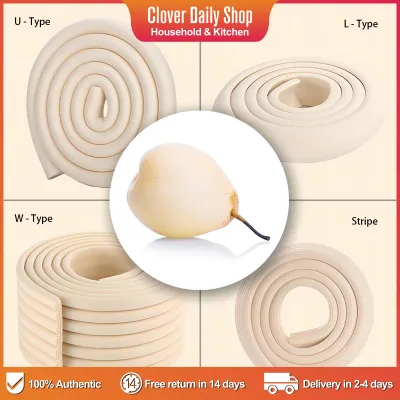
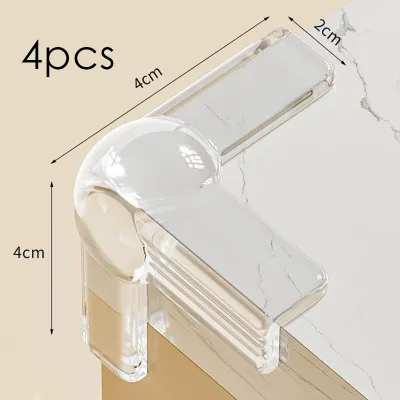
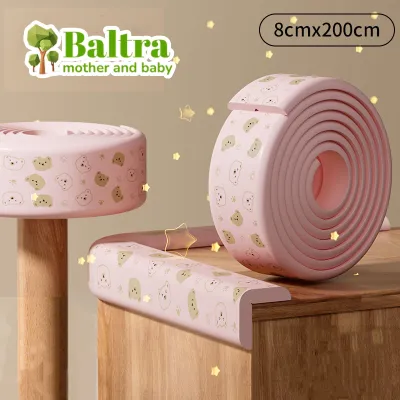
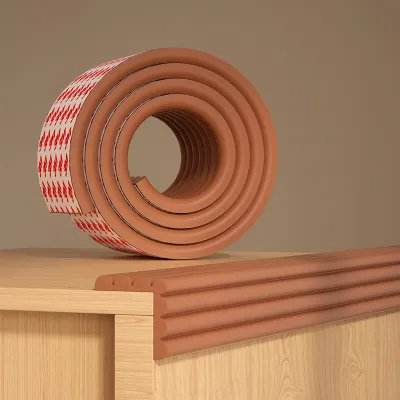
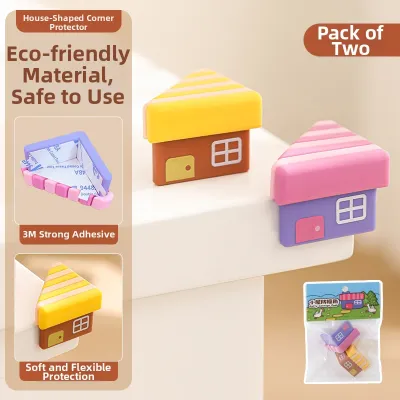
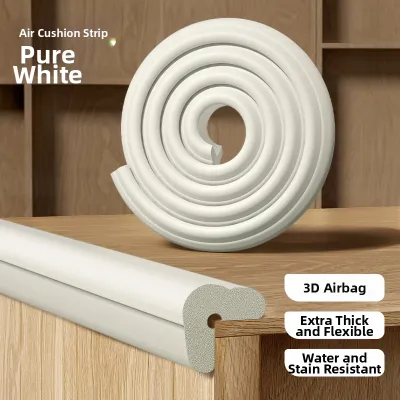
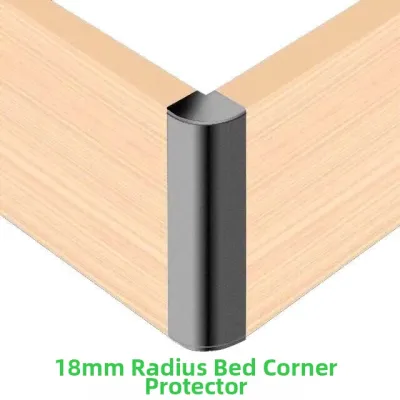
Prices are valid at publication and may change. Please refer to the product page for the latest price.
Shape variations play a critical role in how well a guard fits a specific bed frame profile. L-shaped guards are designed to wrap around standard 90-degree edges, making them highly suitable for thick wooden panels and platform beds. U-shaped guards, on the other hand, wrap around both the top and bottom of a thin edge, which is ideal for metal frames or thin wooden slats. For three-way corners where three planes meet, spherical or ball-shaped guards provide comprehensive coverage from multiple angles of approach.
Visibility and aesthetic integration are also key factors in long-term usability. Clear or transparent guards allow the natural wood grain or metal finish of the bed frame to remain visible, which helps the safety gear blend into the bedroom decor. This low visual profile is not just for the parents’ benefit; bright, highly visible foam guards can look like toys to a curious toddler, actively inviting them to pull, bite, or peel the guards away. Choosing a subtle design reduces this temptation and helps keep the protective barrier intact.
Comparing Materials for Impact Protection and Durability
Evaluating common guard materials based on their cushioning properties, longevity, and resistance to wear is essential for making an informed purchase. The most common materials available on the market include silicone, PVC, NBR foam, and rubber, each presenting distinct physical characteristics and trade-offs.

Silicone is highly favored for its durability, bite resistance, and ease of cleaning. It is naturally firm yet resilient, meaning it offers excellent bottom-out protection during a fall. Because silicone is highly resistant to tearing, it is much less likely to be damaged by a teething baby. PVC is another common option; it is lightweight and budget-friendly, but can sometimes be stiffer than silicone. When considering PVC, parents should carefully check manufacturer labels to verify that the product is free from harmful plasticizers and meets standard chemical safety guidelines.
NBR (Nitrile Butadiene Rubber) foam is exceptionally soft and provides a thick, highly cushioned barrier that feels very forgiving to the touch. However, this softness comes with a significant durability trade-off. NBR foam is highly susceptible to being bitten, chewed, or torn by curious toddlers. If a baby manages to tear off a piece of foam, it immediately becomes a severe choking hazard. Rubber guards offer a middle ground in terms of durability and cushioning, but they can sometimes emit a strong initial odor and may degrade faster if exposed to direct sunlight or high humidity.
When comparing these materials, parents should look for manufacturer specifications regarding density and rebound resilience. A high-density material will slowly return to its original shape after compression, indicating superior energy absorption. Always prioritize products that carry clear material safety labels and avoid those with vague or missing material descriptions.
Evaluating Adhesive Strength and Furniture Compatibility
Even the most shock-absorbent corner guard is useless if it does not stay securely attached to the bed frame. The adhesive backing is the primary point of failure for many baby-proofing setups, especially when subjected to the curious hands of a toddler or the challenging environmental conditions of a tropical climate.
Most corner guards utilize pre-applied double-sided acrylic tapes, which offer a strong balance between immediate adhesion and clean removal. Some heavy-duty options may require separate application of specialized silicone-based adhesives or high-bond tapes. The effectiveness of these adhesives depends heavily on the bed frame’s surface material. Painted wood surfaces are particularly delicate; strong adhesives can easily bond with the paint layer, causing it to peel or chip when the guard is eventually removed. Varnished, laminated, or veneered wood finishes are generally more resilient, but cheap veneers can still lift under high-bond adhesives. Metal frames, being non-porous, offer excellent adhesion but require meticulous surface preparation to remove manufacturing oils.
In the Philippines, the high ambient humidity and warm temperatures can significantly impact adhesive performance. Moisture in the air can seep into the adhesive layer over time, causing it to soften, slide, or lose its grip entirely. To mitigate this, parents should look for moisture-resistant acrylic adhesives designed to withstand humid conditions.
Before applying any adhesive to a visible part of the bed frame, always perform a spot-test on an inconspicuous area, such as the inside of a bed leg. This allows you to verify how the adhesive interacts with the furniture finish and ensures you can remove it later without causing permanent cosmetic damage.
Installation, Inspection, and Replacement Guidelines
Proper installation is critical to ensuring that corner guards perform as intended. The process begins with thorough surface preparation. Dust, skin oils, and furniture polish residue will prevent the adhesive from forming a secure bond. Clean the target area thoroughly using rubbing alcohol (if safe for the furniture finish) or a mild soap solution, and allow it to dry completely before proceeding.
Once the surface is dry, peel the backing from the adhesive and position the guard precisely on the corner. Apply firm, even pressure across all contact points for at least thirty seconds to activate the pressure-sensitive adhesive. For the best results, allow the adhesive to cure undisturbed for at least twenty-four hours before allowing your child near the bed frame. This curing period is essential for the bond to reach its maximum strength.
Ongoing maintenance is just as important as the initial installation. Caregivers should conduct routine visual and physical checks of all corner guards. Feel the edges to ensure they are still firmly attached and look for any signs of peeling, lifting, or material degradation. If a guard becomes loose, do not attempt to re-adhere it with temporary household tape; instead, clean the surface and apply fresh, high-quality double-sided mounting tape.
Immediate replacement is necessary if you notice any bite marks, tears, or crumbling material, particularly on foam guards. If a child shows a persistent ability to peel off a specific type of guard, it is time to stop using that model and transition to a different design, a stronger adhesive, or alternative safety measures, such as rearranging the room to restrict access to the bed frame corners.
Building Your Product Shortlist on Online Marketplaces
When shopping for bed frame corner guards on online marketplaces, parents must navigate a vast array of unbranded and generic listings. To build a reliable shortlist, it is helpful to use a structured verification checklist rather than relying solely on product photos or popularity rankings.
First, carefully verify the exact dimensions provided in the product description. Measure your bed frame’s edge thickness and corner angles, and compare them to the guard’s internal measurements to ensure a snug fit. Look for explicit details regarding material composition; reputable listings will clearly state whether the product is made of food-grade silicone, phthalate-free PVC, or high-density NBR foam. Avoid listings that use vague terms like “soft plastic” or “safe material” without further specification.
Next, analyze user reviews critically. Look past generic five-star ratings and focus on detailed feedback from parents who have used the product for several months. Pay close attention to comments regarding adhesive longevity in warm or humid environments, ease of removal, and whether toddlers were able to easily pull or bite the guards off. Reviews that include photos of the installed product can provide valuable insights into actual thickness and visual transparency.
Finally, watch out for red flags in product listings. A lack of clear dimensions, missing safety warnings, vague material claims, or the absence of manufacturer contact information are strong indicators of low-quality products. By systematically filtering out these listings, you can select a corner guard that offers reliable protection and durability for your home.
Frequently Asked Questions (FAQ)
Are transparent silicone guards safer than foam bumpers?
Transparent silicone guards and foam bumpers offer different safety profiles, and neither is universally safer than the other. Silicone guards are highly durable, bite-resistant, and virtually impossible for a toddler to tear into small pieces, which significantly reduces the risk of choking. However, because silicone is firmer than foam, it provides a slightly harder surface upon impact, though it still successfully prevents lacerations from sharp edges. Foam bumpers are much softer and offer superior initial cushioning, but they are easily damaged by chewing and can quickly become a choking hazard if a child manages to tear off a piece. Additionally, transparent silicone allows parents to easily monitor the adhesive layer underneath for dirt buildup or peeling, which is a distinct advantage for maintaining hygiene and security.
How do I remove adhesive residue from a wooden bed frame?
To remove leftover adhesive residue without damaging a wooden bed frame, start with the gentlest method possible. Apply a small amount of mild household oil, such as baby oil or coconut oil, to the residue and let it sit for several minutes to soften the adhesive. Gently rub the area with a soft microfiber cloth to lift the residue. If the adhesive is particularly stubborn, you can use a hair dryer on a low, warm setting to gently soften the bond before wiping, but avoid high heat as it can dry out wood or damage varnishes. Never use harsh chemical solvents like acetone, strong alcohol, or abrasive scrubbing pads, as these can easily strip the paint, stain, or protective topcoat off your wooden furniture.
Can corner guards be reliably used on metal bed frames?
Yes, corner guards can be reliably used on metal bed frames, but they require specific preparation. Metal surfaces are non-porous and often retain thin layers of manufacturing oils, dust, or moisture, which can severely compromise adhesive performance. Before installation, clean the metal surface thoroughly with rubbing alcohol to remove all grease and residue, and ensure it is completely dry. Acrylic-based double-sided tapes generally perform best on smooth, non-porous metal surfaces because they form a tight, consistent bond. For thin metal frames, U-shaped guards are highly recommended as they wrap around both the top and bottom edges, providing a more secure physical grip and preventing the guard from sliding off.
Community discussion
Share your experience or ask a question. Comments are reviewed before publication.