
Selecting the right baby cream for rashes is a critical decision for parents, especially when navigating the delicate balance of infant skin health. The ideal choice depends entirely on the severity of the diaper rash, ranging from mild, transient pinkness to severe, compromised skin barriers. In tropical climates like the Philippines, where persistent heat and high relative humidity accelerate skin breakdown, choosing the correct formulation is even more essential. A lightweight preventative ointment will not suffice for an active, inflamed moderate rash, while a heavy paste applied incorrectly to a severe fungal infection can actually trap moisture and worsen the condition.
Understanding how to match the formulation of a baby cream for rashes to the specific state of your infant’s skin prevents unnecessary discomfort and promotes rapid healing. Infant skin is up to thirty percent thinner than adult skin, making it highly susceptible to chemical irritants, friction, and moisture-induced maceration. By systematically assessing the rash, reading ingredient labels with precision, and mastering proper application techniques, caregivers can safely manage most mild to moderate flare-ups at home while knowing exactly when to seek professional medical intervention.
Identifying Diaper Rash Severity and Care Boundaries
Visually assessing your baby’s diaper area is the first step in determining the appropriate level of care and the type of barrier cream required. Diaper rash, or diaper dermatitis, presents in distinct stages that dictate whether you can manage the condition with over-the-counter products or if you need to consult a pediatrician. Caregivers must observe both the physical appearance of the skin and the baby’s behavioral cues during diaper changes to make an accurate assessment.
Products mentioned in this guide
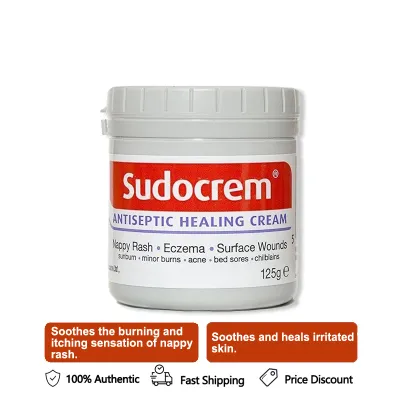
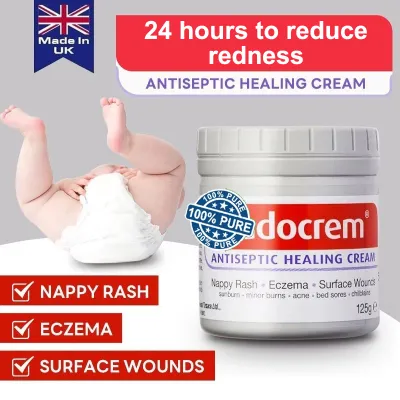
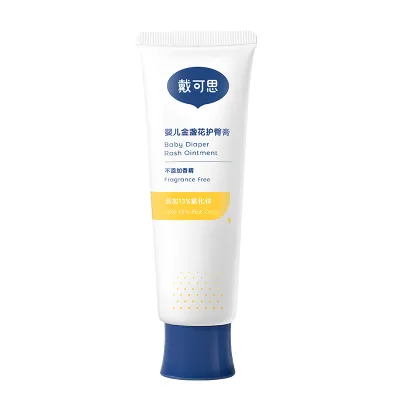
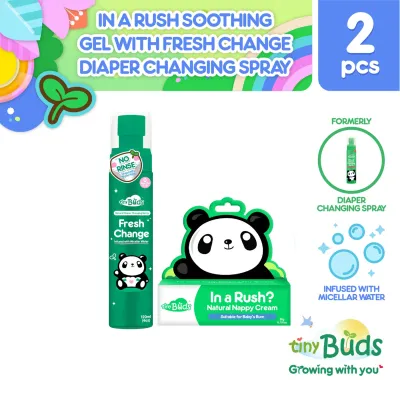


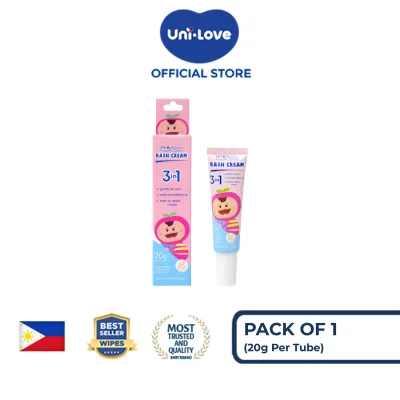
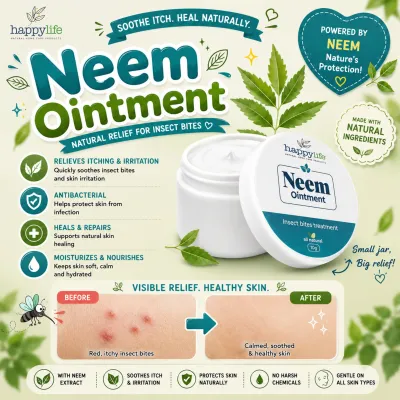
Prices are valid at publication and may change. Please refer to the product page for the latest price.
Mild Diaper Rash
A mild diaper rash is characterized by faint pinkness or light redness confined to a small, localized area. The skin remains dry, intact, and free of open sores, blisters, or peeling. Behaviorally, the baby is generally comfortable, showing no significant signs of distress, crying, or fussiness during diaper changes or when urine contacts the skin. This stage represents a minor disruption of the outermost skin layer, often caused by brief contact with wetness or mild friction from the diaper edges.
Moderate Diaper Rash
A moderate diaper rash presents as bright red, clearly defined patches of inflammation that cover a larger portion of the diaper region. The skin may feel warm to the touch, and you might observe minor skin peeling, small raised bumps (papules), or rough patches. At this stage, the baby will typically exhibit noticeable discomfort, fussiness, or crying during diaper changes, wiping, or urination. The skin barrier is actively compromised, requiring a highly protective, thick barrier cream to shield the nerve endings from further irritation.
Severe Diaper Rash and Care Boundaries
A severe diaper rash involves extensive, intense redness that may spread beyond the immediate diaper area to the abdomen, thighs, or lower back. The skin may feature open sores, bleeding, oozing, blisters, deep ulcers, or a shiny, raw appearance. In many cases, a severe rash is complicated by secondary infections, such as a yeast (Candida) infection, which often presents with bright red skin and distinct “satellite” pustules or dots spreading outward from the main rash. The baby is likely to be in constant discomfort, crying frequently, and experiencing sleep disruptions.
It is critical to establish a strict safety boundary: severe diaper rashes, bleeding skin, or any signs of suspected fungal or bacterial infections require immediate professional medical evaluation. Standard over-the-counter baby cream for rashes cannot cure underlying infections and must never be used to delay a pediatrician’s diagnosis. If your baby develops a fever, if the rash spreads rapidly, or if it does not show signs of improvement under your current care routine, stop using over-the-counter products and consult a healthcare professional immediately.
Key Ingredients to Check on Baby Rash Cream Labels
Navigating the ingredient list on a baby rash cream label allows you to select a product that directly addresses your baby’s current skin condition. Rather than relying solely on brand names or marketing claims, caregivers should verify the active and inactive ingredients to ensure compatibility and safety. Different ingredients serve distinct therapeutic purposes, from physical blockades to moisture absorption.

Zinc Oxide
Zinc oxide is the most widely utilized active ingredient in diaper rash formulations due to its exceptional ability to act as a physical barrier. It is an insoluble mineral that sits on top of the skin, reflecting moisture and preventing urine, stool, and friction from contacting the delicate epidermis. The effectiveness of zinc oxide is highly dependent on its concentration, which can range from ten percent in daily preventative creams to as high as forty percent in maximum-strength treatment pastes. Caregivers must check the physical label of the product to verify the exact percentage, matching lower concentrations for daily protection and higher concentrations for active, moderate inflammation.
Petroleum Jelly (Petrolatum)
Petroleum jelly is a highly effective occlusive agent that forms a greasy, water-resistant layer over the skin. It prevents transepidermal water loss while completely blocking external moisture from penetrating the skin barrier. Because of its smooth texture and excellent spreadability, petroleum jelly is ideal for everyday prevention and the management of mild redness. It is also less drying than high-concentration zinc oxide, making it a staple for maintaining healthy, intact skin.
Dimethicone
Dimethicone is a silicone-based skin protectant that offers a lighter, more breathable alternative to petroleum jelly. It glides smoothly over compromised skin, reducing friction during application and diaper wear. Dimethicone creates a water-resistant shield while allowing the skin to breathe, making it a popular choice for daily preventative lotions and creams designed for babies with sensitive skin.
Ingredients to Avoid on Compromised Skin
When a baby’s skin barrier is compromised, it becomes highly permeable to sensitizing agents that can trigger allergic contact dermatitis or worsen existing inflammation. Caregivers should carefully inspect labels to avoid products containing synthetic fragrances, denatured alcohol, parabens, phthalates, and strong essential oils (such as tea tree, eucalyptus, or lavender). Even natural botanical extracts can cause adverse reactions on broken skin.
Verification and Patch Testing
While looking for labels marked “hypoallergenic,” “pediatrician-tested,” or “dermatologist-tested” is a useful starting point, these terms are not standardized regulatory guarantees. Caregivers must verify the ingredient list themselves. Before applying any new baby cream for rashes to an active diaper rash, perform a patch test. Apply a tiny amount of the cream to a small patch of healthy skin on the baby’s inner arm or thigh and monitor the area for twenty-four hours. If redness, swelling, or itching occurs, do not use the product. Additionally, always check the manufacturer’s specific product documentation for age suitability, weight guidelines, and precise methods of use, as product names alone do not guarantee safety.
Recommended Cream Types Based on Rash Severity
Selecting the appropriate formulation requires matching the physical texture and active ingredient concentration of the cream to the severity of the diaper rash. Using a paste that is too thick on mild redness can make cleanup unnecessarily difficult, while using a thin lotion on moderate inflammation will fail to provide adequate protection. Broadly speaking, prices for infant skin barriers in local pharmacies and online marketplaces fall into three bands: budget-friendly options under ₱200, mid-range creams between ₱200 and ₱500, and premium dermatological barriers above ₱500.
For Mild Redness and Daily Prevention
For daily maintenance and early intervention when you notice very faint pinkness, lightweight barriers are the most effective choice. These products are typically formulated as ointments or light creams containing petroleum jelly, dimethicone, or low-concentration zinc oxide (usually under fifteen percent).
The primary benefit of a lightweight texture is its ease of application and removal. In the warm, humid climate of the Philippines, heavy creams can sometimes trap sweat against the skin if applied to a surface that is not completely dry. A lightweight ointment spreads effortlessly without requiring firm pressure, which minimizes friction on delicate skin. It is also simple to wipe away during routine diaper changes without requiring harsh scrubbing.
The best use case for these formulations is during every routine diaper change, particularly before the baby goes to sleep for a long stretch. Applying a thin, even layer creates a continuous shield that prevents urine and fecal enzymes from coming into direct contact with the skin, maintaining the integrity of the skin barrier before a rash can develop.
For Moderate Irritation and Active Healing
When the diaper area exhibits bright red, active inflammation and visible irritation, the skin requires a much stronger, more resilient physical shield. For these moderate cases, caregivers should select thick pastes or heavy creams formulated with high concentrations of zinc oxide, typically ranging from twenty percent to forty percent.
These thick formulations are designed to stay in place, resisting the sliding forces caused by the baby’s movements, crawling, or the rubbing of the diaper itself. The high density of the paste ensures that even when the diaper becomes wet, the underlying skin remains completely insulated from moisture and irritating waste products.
Some moderate-strength creams also incorporate soothing botanical agents, such as calendula or aloe vera, to help calm localized inflammation. While these ingredients can assist in soothing the skin, caregivers must exercise caution and closely monitor the application site for any signs of an allergic reaction, as compromised skin is more susceptible to botanical sensitivities.
The best use case for high-concentration zinc oxide pastes is during active flare-ups, especially before nighttime sleep or long car rides when diaper changes may be less frequent. The thick paste provides maximum, long-lasting protection, allowing the skin barrier to heal undisturbed overnight.
For Severe Rash and Suspected Infections
When dealing with severe diaper rashes characterized by bleeding, open sores, or signs of secondary fungal or bacterial infections, standard over-the-counter baby creams serve a very limited, secondary role. These severe conditions require targeted, prescription-strength medical treatments prescribed by a pediatrician.
Prescription treatments often include topical antifungal creams (for yeast infections), mild topical corticosteroids (to reduce severe inflammation), or topical antibiotics (for bacterial infections). Standard over-the-counter baby cream for rashes cannot cure these infections and should only be used as a secondary protective layer over the prescription medication, and only if explicitly approved by your pediatrician.
Caregivers must never apply a thick layer of heavy zinc oxide paste directly over an active, oozing fungal infection without professional medical guidance. Doing so can trap moisture, heat, and infectious pathogens against the raw skin, creating an ideal environment for the infection to multiply and spread, which significantly worsens the condition.
Step-by-Step Guide to Applying and Removing Rash Cream Safely
The effectiveness of any baby cream for rashes depends heavily on how it is applied and removed. Incorrect application can trap moisture against the skin, while aggressive cleaning can cause friction damage that delays healing. Following a gentle, systematic routine ensures the skin barrier is protected throughout the healing process.
Step 1: Gentle Cleaning
Begin by cleaning the diaper area thoroughly but gently during every change. Use lukewarm water and a soft, clean cotton cloth, or opt for high-quality, fragrance-free water wipes. Avoid rubbing, scrubbing, or dragging the wipe across the skin, as this mechanical friction can tear the fragile, inflamed epidermis. Instead, gently pat the area clean, allowing the water to lift away urine and fecal residue.
Step 2: Thorough Drying
Allowing the skin to dry completely before applying any cream is a critical step that is frequently overlooked. In the humid, tropical environment of the Philippines, ambient moisture is easily trapped against the skin. If you apply a thick, water-resistant barrier cream over damp skin, you will seal that moisture inside, leading to skin maceration and worsening the rash. Allow the baby’s skin to air-dry completely for a few minutes, or very gently pat it dry with a clean, dry towel.
Step 3: Precise Application
When applying a zinc oxide paste to a moderate rash, apply it thickly and generously. Pediatricians often describe the ideal application style as “like icing on a cake.” You want to create a visible, continuous white barrier that completely covers the irritated areas so that urine and stool cannot penetrate to the skin. Ensure you maintain close caregiver supervision during this process, keeping one hand on the baby at all times to prevent sudden rolls or falls from the changing table.
Step 4: Safe Removal and Reapplication
During subsequent diaper changes, do not attempt to scrub off all the remaining, clean barrier cream from the baby’s skin. Vigorous scrubbing to remove every trace of zinc oxide will cause painful friction damage to the healing tissue. Instead, gently wipe away only the top layer of cream that has been soiled by urine or stool. Leave the clean, adhered base layer of cream in place, and simply apply a fresh layer of cream directly over it to restore the barrier.
Frequently Asked Questions (FAQ)
Can I use adult diaper rash cream on my baby?
You should not use adult diaper rash creams on an infant. Infant skin is significantly thinner, more delicate, and more permeable than adult skin, making babies highly vulnerable to systemic absorption of topical ingredients. Adult formulations often contain much higher concentrations of active ingredients, along with strong synthetic fragrances, preservatives, or medicated compounds like menthol, camphor, or salicylic acid. These ingredients can cause severe chemical irritation, burning sensations, or toxic reactions when absorbed through a baby’s sensitive skin barrier. Always select products that are specifically formulated, tested, and labeled for infants.
How long should it take for a diaper rash to clear up?
A mild to moderate diaper rash typically shows significant, visible improvement within two to three days of consistent barrier cream application, thorough drying, and frequent diaper changes. If the rash does not improve after three to four days of diligent home care, if it continues to worsen, or if you notice new symptoms such as spreading red dots, blisters, pus, or a fever, stop using over-the-counter treatments immediately. These signs indicate a potential secondary infection or a more complex skin condition that requires a professional diagnosis and targeted prescription treatment from a pediatrician.
Community discussion
Share your experience or ask a question. Comments are reviewed before publication.