
Finding the right wipes for adults with sensitive skin in the Philippines requires looking past eye-catching packaging and broad marketing claims. In a tropical climate where heat and humidity can easily compromise the skin barrier, choosing an incompatible product often leads to painful chafing, redness, or contact dermatitis. Because skin sensitivities, underlying health conditions, and individual reactions to specific preservatives or botanical extracts vary greatly, no single brand can be declared universally perfect for everyone. Instead of relying on unverified rankings, the most reliable approach is to evaluate products systematically based on their ingredient transparency, physical texture, and dermatological safety standards. The ideal wipe for your specific needs is one that avoids common chemical irritants, maintains a skin-friendly pH balance, and passes a personal patch test without causing any discomfort. By understanding what goes into these products and how they interact with fragile skin, you can confidently navigate the options available in local pharmacies and online marketplaces.
Essential Features for Sensitive Skin Adult Wipes
To protect sensitive skin, you must first evaluate the physical structure of the wipe itself. Fragile or aging skin is highly susceptible to micro-tears caused by mechanical friction. Wipes that are too thin or rough require repeated rubbing to clean effectively, which quickly strips the skin’s protective outer layer. Look for wipes with a high thickness and a soft, non-abrasive texture. A thicker wipe acts as a cushion between your hand and the skin, distributing pressure more evenly and lifting away residue with minimal strokes.
Moisture level is another critical factor that directly impacts skin health, especially in warm climates. A high-quality wipe must be adequately saturated to glide smoothly across the skin without dragging. However, it should not leave behind an excessive, pooling residue. In the humid Philippine environment, skin that remains constantly wet in folded areas is highly prone to maceration—a condition where the skin softens, breaks down, and becomes highly vulnerable to fungal and bacterial infections. The ideal wipe balances effective moisture delivery with a clean, quick-drying finish.
Products mentioned in this guide
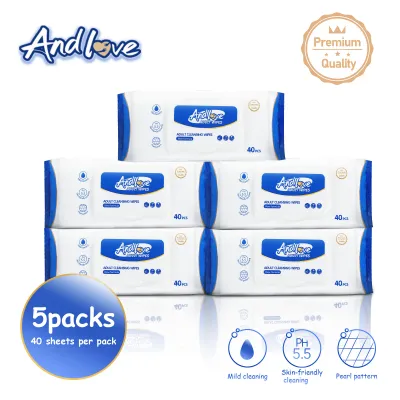
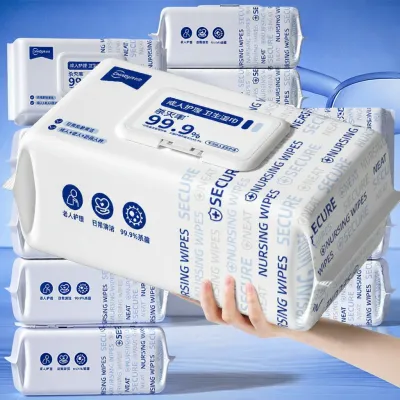
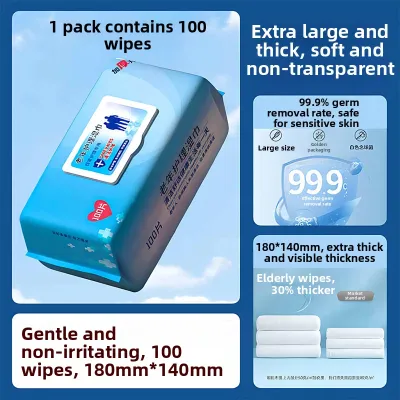
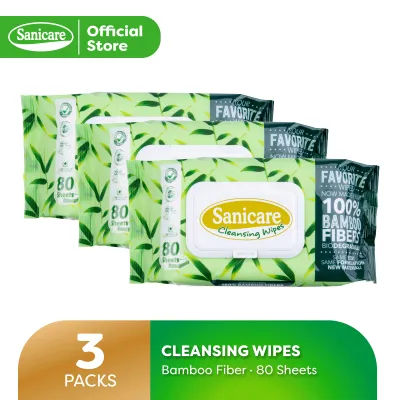

Prices are valid at publication and may change. Please refer to the product page for the latest price.
The chemical formulation of the liquid solution must align with the skin’s natural biology. Healthy skin maintains a slightly acidic pH, typically between 4.5 and 5.5, which serves as a barrier against pathogens and environmental stressors. Using wipes that are highly alkaline or poorly formulated can disrupt this natural acid mantle, leading to dryness, irritation, and increased sensitivity. When comparing options, prioritize products that explicitly state they are pH-balanced to match the skin’s natural acidity.
Finally, it is vital to understand the limitations of common marketing terms like “hypoallergenic.” While this label indicates that the manufacturer has formulated the product to minimize the risk of allergic reactions, it is not a legal guarantee of absolute safety. A product labeled hypoallergenic can still contain ingredients that trigger a reaction in individuals with specific sensitivities. Treat these labels as a helpful starting point for filtering out highly reactive products, but always verify the actual ingredient list and perform a personal test before regular use.
Ingredient Checklist: What to Avoid and What to Look For
Reading the ingredient list on the back of a pack of wipes is the most effective way to protect sensitive skin from painful flare-ups. Many commercial wipes contain strong chemical preservatives and synthetic additives designed to extend shelf life or mask odors, but these are often the primary culprits behind contact dermatitis. When inspecting labels, look out for denatured alcohol, which rapidly strips moisture from the skin barrier and causes a stinging sensation on compromised skin. Synthetic fragrances and artificial colorants should also be avoided, as they serve no functional cleaning purpose and are highly sensitizing.

Preservatives are necessary to prevent mold and bacteria from growing in wet wipes, but certain types are far too harsh for sensitive skin. Avoid products containing parabens or formaldehyde-releasing agents. Most importantly, watch out for methylisothiazolinone (MIT) and methylchloroisothiazolinone (CMIT). These preservatives are known contact allergens that can cause severe rashes, itching, and swelling, particularly when used repeatedly on delicate skin areas.
Conversely, look for formulations that incorporate gentle, soothing agents designed to support and calm the skin barrier. Ingredients like aloe vera and chamomile extract are widely recognized for their anti-inflammatory properties, helping to soothe redness and irritation. Glycerin and vitamin E serve as excellent humectants and emollients, drawing moisture into the skin and locking it in to prevent dryness. However, keep in mind that even natural botanical extracts can occasionally trigger localized allergic reactions in highly sensitive individuals, making careful observation essential.
To help you quickly filter through products at the store or when browsing online, refer to the following summary of ingredients to avoid and ingredients to seek:
| Ingredients to Avoid | Ingredients to Seek | Purpose & Effect on Sensitive Skin |
|---|---|---|
| Denatured Alcohol | Water (Aqua) | Avoids drying; provides a gentle, neutral base for cleansing. |
| Synthetic Fragrances / Perfume | Aloe Vera Extract | Prevents fragrance-induced dermatitis; calms active irritation. |
| Parabens (Methylparaben, etc.) | Glycerin | Avoids potential endocrine disruptors; draws moisture into the skin. |
| MIT / CMIT Preservatives | Vitamin E (Tocopherol) | Eliminates high-risk contact allergens; supports skin barrier repair. |
| Strong Surfactants (e.g., SLS) | Chamomile Extract | Prevents stripping of natural lipids; provides natural anti-inflammatory benefits. |
When shopping, cross-reference this list with any known personal allergens you or the user may have. If you have previously experienced a reaction to a cosmetic product, check the wipe’s ingredient list to ensure that same compound is not present under a different chemical name.
How to Evaluate and Compare Available Brands
When comparing different adult wipe brands in the Philippines, you can make a more objective decision by looking at verifiable product standards rather than relying on promotional advertisements. Start by checking the packaging or the manufacturer’s official documentation for dermatological testing claims. Look for phrases like “dermatologically tested” or certifications from recognized skin health organizations. While these claims should still be met with a degree of caution, they indicate that the formulation has undergone clinical evaluation on human skin under professional supervision.
User feedback can provide valuable real-world insights, provided you know what to look for. When browsing online marketplaces or pharmacy websites, bypass the generic five-star ratings and focus on detailed reviews. Search specifically for feedback from users who mention having sensitive skin, eczema, or caregiving responsibilities for elderly family members. Look for recurring patterns: if multiple reviews mention a burning sensation, persistent redness, or a strong chemical smell, it is a strong indicator that the product may not be suitable for highly reactive skin.
Cost is a practical consideration, especially for daily or long-term care. To find the true value of a product, do not simply compare the retail price of the pack. Instead, calculate the price per wipe by dividing the total cost (₱) by the number of sheets in the package. Often, larger bulk packs or multi-packs offer a significantly lower cost per wipe than smaller travel packs. However, only purchase bulk quantities once you have verified that the formulation is completely compatible with your skin.
Packaging design is another critical factor that directly affects both product safety and value. In a tropical climate, wipes are highly susceptible to drying out quickly once the package is opened. Look for brands that feature a sturdy, hard plastic resealable lid rather than a simple adhesive sticker flap. A secure lid prevents the liquid solution from evaporating and, more importantly, seals out airborne dust, mold spores, and bacteria that thrive in warm, humid conditions.
Decision Framework: Matching Wipes to Specific Skin Needs
Choosing the right adult wipe depends heavily on the specific skin condition of the user and the primary scenario in which the wipes will be used. If the skin is highly reactive, easily irritated, or prone to contact dermatitis, your safest option is to choose water-based wipes with a minimal ingredient list. These formulations typically consist of over 99% water combined with a mild, food-grade preservative. By minimizing the number of chemical compounds that touch the skin, you significantly reduce the statistical likelihood of triggering an allergic reaction.
For individuals dealing with severe dryness, flaking, or compromised skin barriers, water alone may not provide enough protection. In this scenario, look for wipes enriched with added moisturizers and emollients like glycerin, allantoin, or light plant oils. These ingredients leave behind a micro-protective barrier that helps seal in moisture and prevents the skin from drying out further after cleansing. This is particularly beneficial for elderly individuals whose skin naturally produces fewer protective lipids.
If the primary need is managing moderate to heavy incontinence, physical cleaning efficiency becomes the priority. In these cases, standard thin wipes are highly inefficient and can lead to excessive rubbing, which damages fragile skin. Instead, select heavy-duty, highly textured wipes specifically designed for incontinence care. These wipes are larger, thicker, and engineered to lift away waste efficiently in fewer passes, minimizing both clean-up time and mechanical friction on sensitive areas.
If the user has a diagnosed medical skin condition such as eczema, psoriasis, or severe atopic dermatitis, do not rely solely on over-the-counter product labels. Before introducing any new wipe into a daily care routine, consult a qualified dermatologist. A professional can review the specific ingredient list of your preferred brand and confirm whether it is safe to use alongside prescribed topical treatments.
Safe Usage Guidelines and When to Discontinue
Even when you have selected a high-quality wipe formulated for sensitive skin, proper application is essential to prevent irritation. Before using any new brand of wipes across larger or more sensitive areas of the body, always perform a localized patch test. Take a single wipe and gently apply it to a small, discreet area of healthy skin, such as the inner forearm or the upper thigh. Wait at least 24 to 48 hours to observe the area; if you notice any redness, itching, swelling, or discomfort, do not proceed with using the product.
The physical technique used during cleansing also plays a major role in preserving skin integrity. Avoid vigorous scrubbing or back-and-forth rubbing, which can create microscopic tears in fragile skin and drive irritants deeper into the epidermis. Instead, use a gentle patting motion or wipe smoothly in a single direction. If cleaning a highly sensitive area, fold the wipe to expose a clean surface for each pass, ensuring that you do not reintroduce contaminants to the skin.
Keep a close eye out for any immediate or delayed signs of an adverse reaction. These symptoms typically include persistent redness, localized itching, a burning or stinging sensation during or after use, dry flaking, or the development of a bumpy rash. These signs indicate that the skin barrier is reacting negatively to either the chemical formulation or the physical friction of the wipe.
If you observe any of these adverse reactions, discontinue use of the product immediately. Wash the affected area gently with clean, lukewarm water to remove any remaining residue, and pat it dry with a soft, clean towel. Do not apply other scented lotions or self-treat the rash with strong over-the-counter creams without professional guidance. If the symptoms worsen, spread, or do not resolve within a few days, consult a healthcare professional or a dermatologist for a proper evaluation and treatment plan.
Frequently Asked Questions (FAQ)
Can I use baby wipes instead of adult wipes for sensitive skin?
Yes, baby wipes can be a highly effective and gentle option for adults with sensitive skin, as they are specifically formulated to protect the delicate skin barrier of infants. Many baby wipes feature minimal ingredient lists, are free from alcohol and fragrances, and maintain a skin-friendly pH. However, there are practical differences to consider. Baby wipes are typically smaller and thinner than adult-sized wipes, meaning you may need to use several sheets to achieve the same level of cleanliness. For heavy-duty cleaning or incontinence care, dedicated adult wipes are generally more efficient due to their larger dimensions and superior thickness.
Are flushable adult wipes safe for sensitive skin and plumbing?
While some flushable wipes are formulated to be gentle on sensitive skin, they present significant trade-offs regarding plumbing safety and environmental impact. To make a wipe flushable, manufacturers use shorter fibers that are designed to break apart in water. However, these fibers often do not disintegrate quickly enough to clear residential plumbing systems, especially in older drainage networks common in many parts of the Philippines. This can lead to severe pipe blockages and costly repairs. From both a plumbing and environmental standpoint, the safest practice is to dispose of all adult wipes—even those labeled flushable—in a designated waste bin rather than flushing them down the toilet.
Community discussion
Share your experience or ask a question. Comments are reviewed before publication.