
Selecting the right summer edition wipes for sensitive skin in the Philippines requires a careful balance between refreshing relief and strict dermatological safety. In the intense heat and high humidity of a tropical climate, parents naturally look for ways to keep their babies cool, clean, and comfortable. Specialized summer wipes often promise a soothing, cooling sensation that can seem like the perfect solution for sweaty diaper changes or quick cleanups on the go. However, sensitive skin is highly reactive, and the very ingredients or materials used to deliver that refreshing sensation can sometimes trigger irritation, redness, or allergic contact dermatitis. To make an informed and safe choice, caregivers must look beyond front-of-pack marketing claims and understand how different formulations interact with the skin barrier under tropical conditions. The ideal approach involves prioritizing physical cooling over chemical additives, verifying every ingredient on the packaging label, and establishing a systematic testing routine before full-time use. By focusing on these evidence-based selection methods, you can protect your baby’s fragile skin while providing the gentle, cooling comfort they need during the hottest months of the year.
Assessing Sensitive Skin Needs in a Tropical Climate
When manufacturers introduce summer edition wipes, they typically design them to address hot-weather discomforts. This often implies adding mild cooling agents, lighter fabric textures, or botanical extracts to refresh the skin. Some formulations may also feature subtle scents or quick-drying properties. While these features are highly appealing during tropical heat, they must be evaluated with caution when applied to sensitive skin.
In a tropical environment like the Philippines, sensitive skin faces unique physiological challenges. High temperatures trigger continuous sweating to regulate body temperature. However, when sweat pools in delicate skin folds—such as around the neck, thighs, and diaper area—it causes irritation. The combination of constant moisture, body heat, and diaper friction weakens the stratum corneum, the outermost skin barrier layer. This skin maceration makes the barrier far more permeable to external irritants, bacteria, and allergens.
Products mentioned in this guide
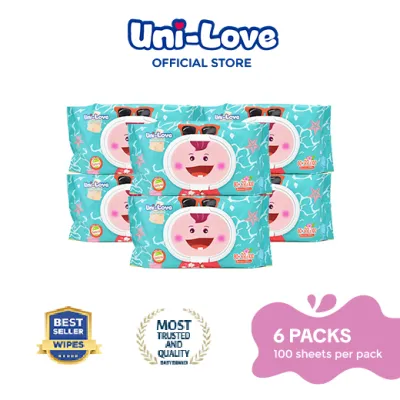
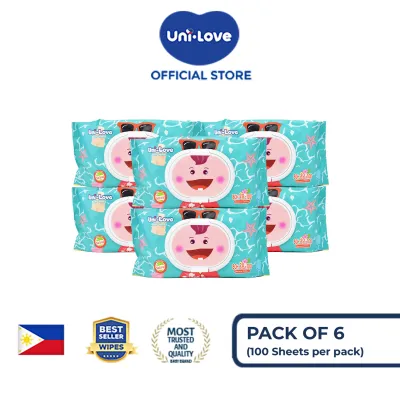
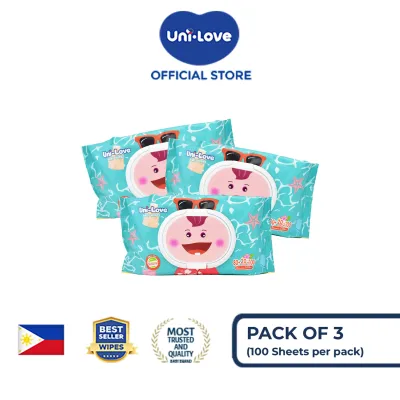

Prices are valid at publication and may change. Please refer to the product page for the latest price.
Consequently, using a harsh or highly formulated wipe can quickly compromise the skin barrier. The primary goal during summer is to balance effective cooling relief with barrier protection. If a wipe relies on rapid chemical evaporation to cool the skin, it can strip away essential lipids, leaving the skin dry, inflamed, and susceptible to diaper rashes. Understanding the physiological impact of tropical weather on sensitive skin is the first step in selecting a safe summer wipe.
Filtering Candidates by Ingredient Safety
To protect sensitive skin, caregivers must read and analyze ingredient lists carefully. Many summer wipes contain active cooling agents designed to stimulate cold receptors or evaporate quickly. Common examples include menthol, menthyl lactate, peppermint oil, and denatured alcohol. While common in adult skincare, these are highly inappropriate for infant skin. Alcohol dries the skin and disrupts the lipid barrier, while menthol can cause burning, redness, or respiratory discomfort in babies. Parents should check manufacturer warnings and avoid these harsh additives.

Instead of chemical cooling agents, look for gentle, plant-derived soothing ingredients and barrier-supporting humectants. Aloe vera (Aloe barbadensis leaf juice) provides natural, non-irritating hydration and a mild soothing sensation on warm skin. Chamomile extract (Chamomilla recutita) and calendula extract (Calendula officinalis) offer natural anti-inflammatory properties that calm redness and soothe minor irritations caused by heat and friction. Humectants like glycerin or panthenol are also valuable for drawing moisture into the skin and supporting barrier recovery.
When evaluating candidates, verify marketing claims by reading the full ingredient list rather than relying on front-of-pack labels. Terms like “fragrance-free,” “hypoallergenic,” and “dermatologically tested” are common marketing tools, but their definitions vary. For instance, a product “scented with natural oils” is not fragrance-free; essential oils contain complex compounds that trigger contact allergies. True fragrance-free wipes contain no added perfumes, synthetic fragrances, or aromatic plant extracts. Similarly, “hypoallergenic” means the product is formulated to minimize allergy risks, but it does not guarantee absolute safety. Always check the back label to confirm the absence of parabens, phthalates, phenoxyethanol, and formaldehyde-releasing preservatives.
Evaluating Cooling Mechanisms and Moisture Retention
Understanding the difference between chemical and physical cooling mechanisms is vital when selecting a summer wipe for sensitive skin. Chemical cooling relies on active ingredients that alter sensory perception or evaporate rapidly to draw heat away from the skin surface. While this can provide an immediate feeling of freshness, the rapid evaporation process often takes essential moisture along with it, leaving the skin dehydrated. Physical cooling, by contrast, relies on the natural heat-transfer properties of water and breathable materials. A wipe with a high water content—ideally 99% or more purified water—will physically absorb and carry away excess body heat when swiped gently across the skin, especially if the pack is stored in a cool, shaded environment. This method provides safe, natural cooling without introducing volatile chemicals to the skin barrier.
The risk of over-drying the skin is particularly high in environments where babies frequently transition between outdoor tropical heat and air-conditioned indoor spaces. In the Philippines, many homes, malls, and vehicles rely heavily on air conditioning to combat the summer heat. Air-conditioned air is inherently dry, which accelerates the evaporation of moisture from the skin surface. If you use a wipe that contains evaporative agents or alcohol in an air-conditioned room, the drying effect is compounded, rapidly depleting the skin’s moisture levels and leaving it vulnerable to cracking and irritation. Choosing physical cooling wipes with high water retention helps maintain a stable, hydrated microenvironment on the skin, preventing the sudden moisture loss associated with temperature transitions.
To ensure effective cleaning without the need for harsh scrubbing, caregivers should also evaluate the physical specifications of the wipes, such as thickness and moisture retention. Wipe thickness is typically determined by the fabric’s basis weight, measured in grams per square meter (GSM). Thicker wipes (usually 50 GSM or higher) are generally more effective for sensitive skin because they can hold a larger volume of water and cleansing solution. This high moisture retention allows the wipe to glide smoothly over the skin, lifting away sweat, urine, and stool with minimal friction. Thin, dry wipes require repeated rubbing and scrubbing to clean the skin thoroughly, which physically damages the fragile epidermal barrier and can quickly lead to painful chafing and inflammation. Checking manufacturer specifications for embossed textures or high-cotton blends can help you identify wipes designed to clean gently and efficiently in a single, smooth pass.
Building and Testing Your Wipe Shortlist
Selecting the safest summer wipe for your baby requires a structured approach to building and testing a product shortlist. Start by researching available options online, focusing on brands that specialize in sensitive skin or water-based formulations. Read verified customer reviews on reputable e-commerce platforms and online marketplaces, paying close attention to feedback from parents whose children have diagnosed skin conditions like eczema or highly sensitive skin. Look for consistent patterns in the reviews; if multiple users report that a specific “summer” or “cooling” wipe caused redness, stinging, or a warm sensation upon application, remove that product from your list of candidates.
Once you have selected one or two promising candidates based on their ingredient profiles and user feedback, purchase a single small pack to conduct a controlled patch test. Never introduce a new skincare product directly to a baby’s sensitive diaper area without testing it first on a less sensitive part of the body. To perform a safe patch test, select a small, clean area of skin, such as the inner forearm or the side of the upper thigh. Gently swipe the candidate wipe across this area once or twice, and allow the liquid to air dry naturally. Do not wash or wipe the area afterward, as you want to observe how the skin reacts to the formulation over an extended period.
Monitor the test area closely over a 24-hour period, checking it at regular intervals for any signs of localized irritation. Look for visual cues such as redness, swelling, tiny raised bumps, dry or flaky patches, or any warmth to the touch. Additionally, observe your baby’s behavior during and after the application; if they flinch, cry, or attempt to scratch the test area, it may indicate a burning or itching sensation that is not yet visible to the eye. These subtle behavioral signs are crucial indicators of skin discomfort, especially in infants who cannot verbally communicate their distress.
If you observe any adverse reaction during the 24-hour monitoring period, you must stop using the product immediately. Wash the affected area gently with cool, clean water to remove any remaining residue, and avoid applying any other new products to that spot. If the redness, swelling, or discomfort persists, spreads, or causes significant distress to your baby, consult a pediatrician or a qualified dermatologist for professional guidance. Only proceed to use the wipes for regular diaper changes if the patch test area remains completely clear, calm, and free of irritation after a full 24 hours of observation.
Safe Usage and Monitoring During Summer
Even when using the gentlest, most carefully selected summer wipes, proper application techniques are essential to prevent skin irritation during the hottest months. When performing a diaper change or cleaning sweaty skin folds, always use a gentle patting or sweeping motion rather than a vigorous rubbing action. Sensitive skin is highly susceptible to micro-tears caused by physical friction, especially when the skin is warm and damp from sweat. By minimizing the pressure and friction applied during cleaning, you protect the integrity of the epidermal barrier and reduce the risk of introducing bacteria or irritants into the deeper layers of the skin.
Another critical step in maintaining skin health during summer is ensuring the skin is completely dry before putting on a fresh diaper. Trapping moisture inside a warm, airtight diaper environment creates the perfect conditions for bacterial and fungal growth, which can rapidly lead to severe diaper rash or yeast infections. After cleansing with a wipe, allow the skin to air dry completely for a few moments, or gently pat the area dry with a clean, soft, reusable cotton cloth. Taking this extra step ensures that no excess water or wipe solution is trapped against the skin, helping to keep the diaper area cool, dry, and healthy.
During the hot and humid summer months, it is common for babies to develop various skin eruptions, and caregivers must learn to distinguish between heat rash and allergic contact dermatitis. Heat rash, also known as miliaria, typically presents as clusters of tiny, pink or red bumps in areas where sweat glands are easily blocked, such as the neck, chest, upper back, and skin folds. It is primarily caused by overheating and excessive sweating, and it usually resolves quickly once the baby is placed in a cooler environment and the skin is kept dry. In contrast, allergic contact dermatitis is a localized reaction to a specific substance, presenting as red, inflamed, sometimes scaly or blistered patches that correspond directly to the areas where the wipe was applied. Unlike heat rash, contact dermatitis may persist or worsen even when the baby is kept cool, and it requires the complete removal of the offending product to heal.
If your baby develops persistent skin irritation, redness, or signs of discomfort that do not resolve with standard cooling measures, it is wise to pause the use of all summer edition wipes temporarily. During these periods of heightened sensitivity, simplify your baby’s skincare routine by switching back to standard, ultra-sensitive water wipes that contain minimal ingredients, or use plain, lukewarm water with soft, disposable cotton pads. This minimalist approach minimizes the number of potential allergens and irritants in contact with the skin, allowing the compromised barrier time to heal and recover. Once the skin has returned to its normal, healthy state, you can gradually reintroduce your tested summer wipes, always monitoring closely for any signs of recurring irritation.
Frequently Asked Questions (FAQ)
Can I use adult cooling wipes on a baby's sensitive skin?
No, you should never use adult cooling wipes on a baby’s sensitive skin. Infant skin is significantly thinner, more delicate, and far more permeable than adult skin, making it highly vulnerable to chemical absorption and irritation. Adult cooling products are formulated for mature skin and frequently contain high concentrations of denatured alcohol, menthol, camphor, or strong synthetic fragrances. These ingredients can cause severe chemical burns, intense stinging, and systemic toxicity if absorbed through a baby’s thin skin barrier. Always choose products specifically formulated and labeled for infants, and consult a pediatrician before introducing any new skincare product to your baby’s routine.
Do summer edition wipes replace the need for diaper rash cream?
No, summer edition wipes do not replace the protective benefits of diaper rash creams or barrier ointments. While summer wipes are excellent for cleansing away sweat, urine, and stool while providing a temporary cooling sensation, they do not create a physical barrier on the skin. Diaper rash creams, particularly those containing zinc oxide or petroleum jelly, are essential for shielding the skin from the acidic and irritating effects of wetness and friction. For optimal protection during the hot summer months, always cleanse the area thoroughly with a gentle wipe, allow the skin to dry completely, and then apply a thin, even layer of barrier cream before putting on a fresh diaper.
How should I store wipes to maintain their cooling effect and prevent bacterial growth?
To maintain the safety, moisture, and cooling efficacy of your wipes, store them in a cool, dry place away from direct sunlight and heat sources. In the tropical climate of the Philippines, leaving wipe packages in hot cars, near sunny windows, or in humid bathrooms can cause the formulation to dry out rapidly and can compromise the preservative system, leading to the growth of harmful bacteria or mold. Always ensure the plastic lid or adhesive seal is pressed down firmly and sealed completely after every single use. For an extra refreshing and safe cooling effect during hot days, you can store an unopened pack of water-based wipes in the main compartment of your refrigerator, ensuring they are kept clean and cool without exposure to extreme heat.

Community discussion
Share your experience or ask a question. Comments are reviewed before publication.