
Ensuring a safe and comfortable sleep environment is one of the most critical responsibilities for any caregiver. When selecting baby quilts and bed covers, the primary goal is to balance cozy comfort with strict safety measures that prevent suffocation, overheating, and skin irritation. For infants under one year old, pediatric safe sleep guidelines recommend keeping the crib completely free of loose bedding, including quilts, blankets, and flat sheets. Once your child reaches an appropriate age to transition to loose bedding, choosing the right materials and design features becomes essential to maintaining a secure sleep space.
Core Safety Principles for Baby Bedding
Pediatric associations globally recommend waiting until at least 12 months of age before introducing any loose blankets, quilts, or pillows to the crib. Before this milestone, the risk of accidental suffocation or sudden infant death syndrome (SIDS) remains a primary concern. The sleep space for an infant should consist only of a firm, flat mattress covered by a tightly fitted sheet.
Wearable sleep sacks or wearable blankets are the preferred alternative for infants because they cannot be pulled over the face. These garments fit securely around the baby’s upper body while leaving the legs free, eliminating the risk of loose fabric shifting during sleep. Traditional quilts, on the other hand, should be reserved for older toddlers who have developed the motor skills to easily push bedding away from their faces.
Products mentioned in this guide
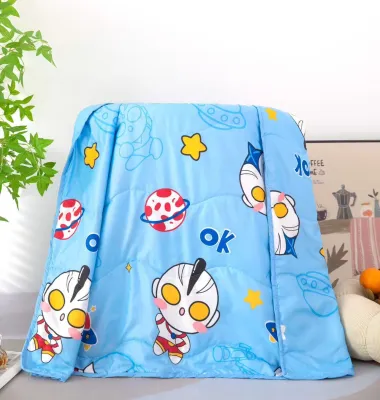
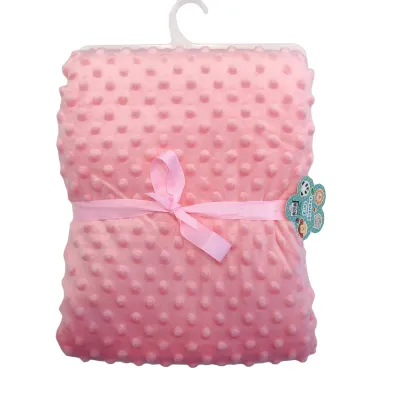
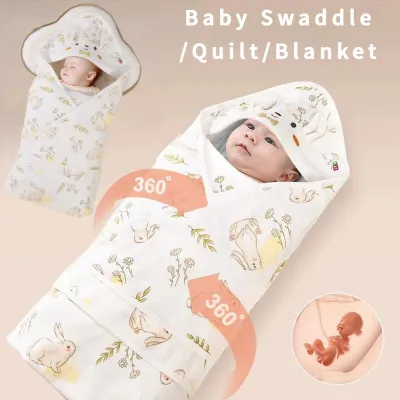
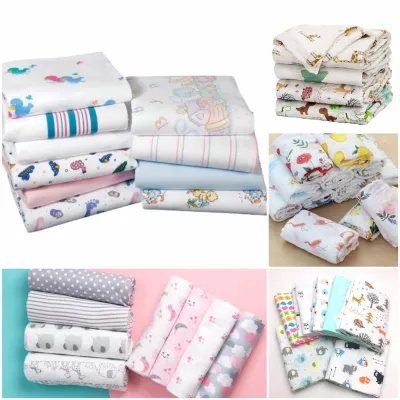
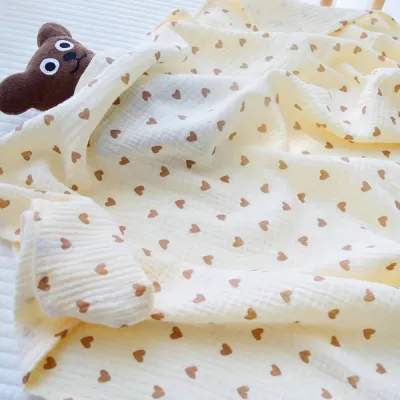
Prices are valid at publication and may change. Please refer to the product page for the latest price.
Even for older toddlers, active supervision during nap times and regular monitoring of their sleep environment are necessary. In tropical climates like the Philippines, where high humidity and warm temperatures are common, the risk of overheating is particularly high. Caregivers must constantly evaluate whether the bedding setup is appropriate for the ambient room temperature to ensure the child remains safe and comfortable.
Evaluating Fabrics and Filling Materials
The outer shell of any baby bedding should allow maximum airflow to prevent heat retention. Natural fibers such as 100% cotton, organic cotton, and bamboo-derived rayon are highly recommended for nursery environments. These fabrics are naturally breathable, helping to wick moisture away from the baby’s skin and regulate body temperature during warm tropical nights.

When shopping, always verify the textile composition label to ensure the fabric is not blended with heavy synthetic polyesters that trap heat. Synthetic blends often restrict airflow, which can lead to excessive sweating and discomfort. A quick check of the product tag will confirm whether the material is pure natural fiber or a synthetic blend.
The inside of a baby quilt is just as important as the outer fabric. Look for lightweight, thin fillings such as low-loft cotton batting or highly breathable, hypoallergenic polyester fibers. Avoid thick, heavy down fillings or dense synthetic layers that can cause rapid heat buildup. A thin, quilted design provides just enough warmth for air-conditioned rooms without creating a suffocating microclimate under the covers.
Baby skin is incredibly delicate and prone to conditions like eczema or prickly heat, which are exacerbated by heat and humidity. Carefully inspect product tags for indications of harsh chemical dyes, flame retardants, or formaldehyde finishes. While certifications like OEKO-TEX Standard 100 are excellent indicators of textile safety, you should always verify these claims on the manufacturer’s official database or product documentation. Opting for undyed or naturally dyed fabrics can further reduce the risk of contact dermatitis.
Design Features That Minimize Physical Risks
A bed cover or fitted sheet must fit the crib mattress perfectly. Any excess fabric can bunch up, creating dangerous folds that could compromise a baby’s breathing. For quilts used by older toddlers, the dimensions should be proportional to the child’s size and the crib dimensions. A quilt that is too large can easily wrap around a child, leading to entanglement.
Inspect the bedding thoroughly for any embellishments before placing it in the crib. Avoid quilts with buttons, snaps, zippers, tassels, ribbons, or long ties. These decorative features pose severe choking hazards if they become loose, and long ties can lead to accidental strangulation. The safest baby bedding features a clean, minimalist design with no dangling parts.
High-quality construction is a vital safety feature that prevents structural failures. Examine the quilting stitches to ensure they are tight, even, and free of loose loops. Loose threads can easily wrap around a baby’s tiny fingers or toes, cutting off circulation. Additionally, strong seams prevent the inner filling from leaking out, which could otherwise be inhaled or swallowed by an inquisitive baby.
Verifying Safety Labels and Care Instructions
Always read the packaging and sewn-in labels for age recommendations, weight limits, and specific safety warnings. Manufacturers often print crucial usage guidelines directly on the product. If a label states that the product is not intended for infant sleep, heed that warning immediately and use the quilt only for supervised tummy time or as a decorative nursery accent.
Baby bedding requires frequent laundering to remove sweat, spit-up, and allergens. Before purchasing, verify that the quilt or bed cover is machine washable and can withstand regular drying cycles without losing its shape or clumping. Clumped filling can create uneven weight distribution and reduce the fabric’s breathability.
Shrinkage is another risk to consider during the laundering process. If a fitted bed cover shrinks significantly in the wash, it may pull away from the mattress corners, creating a loose, unsafe fit. Check the care label for specific washing temperatures and drying instructions to maintain the structural integrity of the fabric.
Regularly inspect the bedding for signs of wear and tear. Over time, repeated washing can weaken seams, fray edges, or cause the filling to break down. If you notice loose threads, exposed filling, or a loss of elasticity in fitted covers, it is time to replace the item. Additionally, stay informed about manufacturer recall notices by checking official consumer safety databases regularly.
Establishing Safe Usage Boundaries and Sleep Environment
In tropical regions, managing the nursery climate is a daily task. If you use air conditioning to keep the room cool, a lightweight quilt may be appropriate for an older toddler. However, if the room relies on natural ventilation or ceiling fans, a simple, thin bed sheet or a lightweight wearable sleep sack is often more than enough. Dress your baby in a single layer of breathable cotton clothing underneath the bedding to prevent heat retention.
If you are using a lightweight blanket or quilt for an older toddler, practice the “foot-to-foot” positioning method. Place the toddler’s feet at the very bottom of the crib, and tuck the blanket securely around the sides and bottom of the mattress. The blanket should only reach up to the child’s chest, reducing the likelihood of them sliding underneath the covers during the night.
Always trust your observations over arbitrary guidelines. If you notice your baby tossing and turning, kicking off the covers, or showing physical signs of distress, the bedding setup may need adjustment. Regularly check the sleep space to ensure no part of the bedding has shifted over the baby’s face or wrapped around their limbs.
Frequently Asked Questions (FAQ)
Can I use a regular adult quilt folded down for my baby?
No, using a folded adult quilt in a baby’s crib is highly unsafe. Adult quilts are significantly heavier and larger than purpose-built baby bedding. Folding a large quilt doubles or triples its thickness, which dramatically increases the risk of overheating and suffocation. The excess fabric also creates loose folds that can easily trap or entangle a small child. Always use bedding specifically sized and weighted for babies or toddlers.
How do I know if my baby is too hot under the bed cover?
To accurately assess your baby’s thermal comfort, do not rely on feeling their hands or feet, as these extremities naturally feel cooler. Instead, place your hand gently on the back of their neck or on their chest. If the skin feels hot, damp, or sweaty, your baby is too warm. Other observable warning signs of overheating include flushed cheeks, damp hair, rapid breathing, or a heat rash (prickly heat), which is common in humid tropical climates. If you observe any of these signs, remove the bed cover immediately and adjust the room temperature or the baby’s clothing.
Community discussion
Share your experience or ask a question. Comments are reviewed before publication.