
To secure your refrigerator from curious toddlers in the Philippines, choosing a reliable magnetic refrigerator lock requires balancing strong adhesive performance under high tropical humidity with a mechanism that is easy for adults to operate but completely hidden from children. While traditional latches are highly visible and easily mimicked, magnetic systems offer a discreet, secure alternative. By understanding the specific mechanics of these locks and how they interact with your appliance, you can create a safer kitchen environment without compromising daily convenience.
Why Magnetic Locks Are Essential for Fridge Safety
Refrigerators present several unique hazards for young children who are just beginning to explore their surroundings. The doors of modern refrigerators are often heavy and can easily swing shut with enough force to pinch small fingers or trap a child’s hand. Inside, the shelves are frequently stocked with heavy glass jars, condiments, and raw foods that can cause severe injuries if pulled down. Furthermore, the lower shelves and door compartments often hold small items, medicine bottles, or raw ingredients that present immediate choking or poisoning hazards if ingested by an unsupervised toddler.
Traditional strap locks or plastic latches are highly visible and rely on physical buttons or clips to open. Toddlers are keen observers and quickly learn to mimic adult actions; they watch how you press a button or slide a latch and will often master the mechanism within a few weeks, rendering the lock useless. Magnetic locks solve this problem by keeping the locking mechanism entirely inside or flush with the door frame, requiring a separate magnetic key to disengage the latch. This visual discretion prevents the child from understanding how the door opens, maintaining a secure barrier while allowing adults to access food quickly with a simple tap of the key.
Products mentioned in this guide
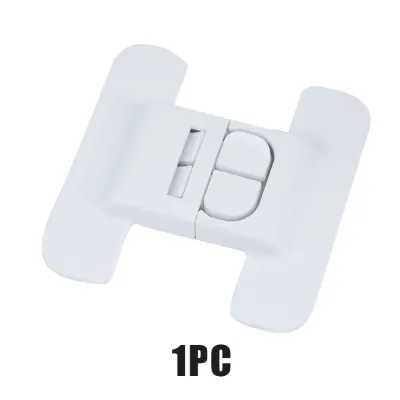
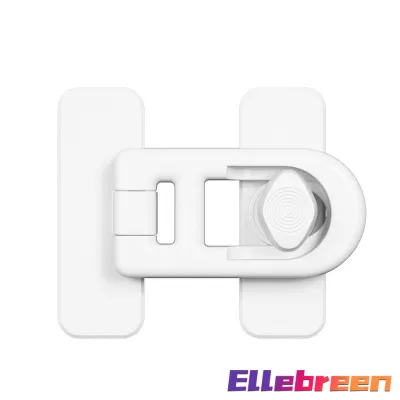
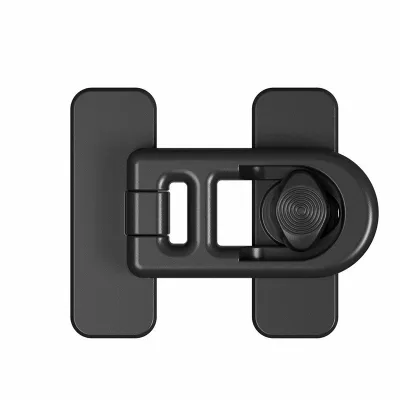
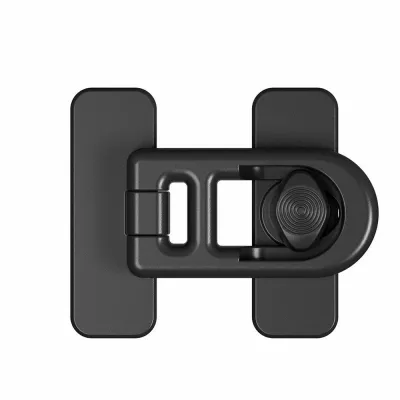
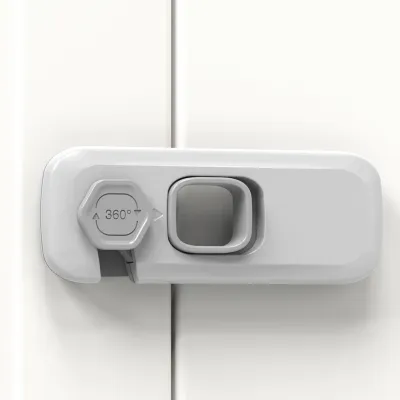
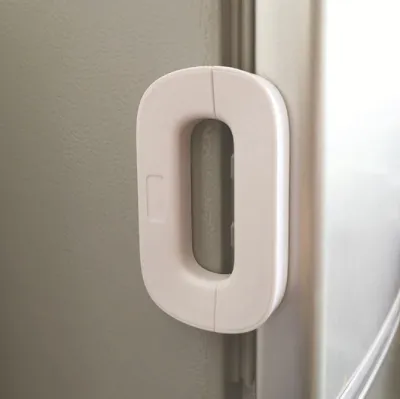
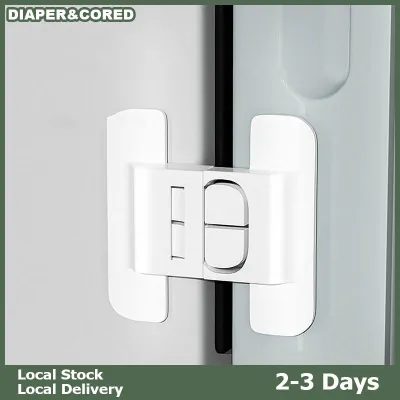
Prices are valid at publication and may change. Please refer to the product page for the latest price.
Maintaining strict child safety does not have to mean sacrificing adult convenience. Magnetic locks allow parents to open the refrigerator door with one hand by simply holding the magnetic key against the designated spot on the exterior. This balance is crucial in a busy kitchen where caregivers often have their hands full with meal preparation or holding a baby. By choosing a magnetic system, you ensure that the refrigerator remains securely closed against curious hands while remaining highly functional for the adults in the household.
Key Features to Evaluate When Selecting a Magnetic Lock
When evaluating magnetic locks, the strength of the magnet and the design of the release mechanism are the most critical factors. High-quality locks typically utilize neodymium magnets, which provide a strong magnetic pull relative to their size, ensuring the internal latch disengages smoothly when the key is applied. Look for systems that feature a dual-mode option, allowing you to temporarily disable the locking mechanism when your child is asleep or when you are preparing a large meal. This feature prevents unnecessary wear on the lock and provides uninterrupted access when safety monitoring is not actively required.

The adhesive backing is another vital component, especially in the tropical climate of the Philippines. High indoor humidity and ambient kitchen heat can cause standard adhesives to soften, slide, or lose their bond entirely over time. To prevent this, look for locks that utilize heavy-duty, temperature-resistant acrylic foam tapes, such as genuine 3M VHB or equivalent high-bond adhesives. These adhesives are specifically formulated to withstand shear stress and moisture, ensuring the lock remains firmly attached even when a toddler pulls on the refrigerator handle with their full body weight.
Ergonomics and visual profiles also play a significant role in the long-term success of a baby-proofing system. The lock housing should have a low profile that fits neatly within the door gap without rubbing against the refrigerator’s magnetic gasket. For adults, the magnetic key should have an ergonomic grip that is easy to hold and maneuver. Additionally, look for systems that include a dedicated magnetic storage base for the key; this base can be mounted high up on a nearby wall or the side of the freezer, keeping the key safely out of reach of children while ensuring it is always exactly where you need it.
Checking Surface Compatibility and Installation Requirements
Before purchasing a magnetic lock, it is essential to assess your refrigerator’s surface material and overall design. Refrigerator doors come in various finishes, including brushed stainless steel, smooth painted enamel, textured plastic, and glass panels. Adhesive bonds behave differently on each surface; smooth enamel and glass provide excellent bonding surfaces, whereas textured or matte finishes have microscopic valleys that reduce the contact area of the adhesive. If your refrigerator has a heavily textured surface, you must ensure the adhesive pad is thick enough to conform to the texture, or consider alternative mounting locations.
Accurate measurements are crucial for a successful installation. You must measure the gap between the refrigerator door and the main body of the appliance to ensure there is sufficient clearance for the lock housing. Most magnetic locks require a minimum clearance of one to two millimeters to operate without rubbing or preventing the door from sealing properly. Additionally, check the hinge clearance and handle placement to ensure the lock does not interfere with the magnetic gasket that keeps the refrigerator cold, as any gap in the seal can lead to temperature loss and increased energy consumption.
For families living in rental properties in the Philippines, preserving the appliance’s finish is a primary concern. Adhesive-only models are highly preferred in these situations as they require no drilling and can be removed cleanly when moving out. However, if you own the appliance and require maximum security for a highly active child, some heavy-duty magnetic locks offer optional screw mounts. Always verify the manufacturer’s instructions before drilling, as puncturing the cooling coils or electrical wiring hidden within the refrigerator walls can cause permanent damage to the appliance.
Building a Shortlist of Suitable Magnetic Locks
When searching for magnetic locks on e-commerce platforms or in local baby stores, it is important to filter products based on verified buyer feedback rather than relying solely on overall star ratings. Look specifically for reviews from buyers who live in warm, humid climates and have used the locks for more than six months. Pay close attention to comments regarding adhesive longevity and how well the magnet engages over time. This real-world feedback is the most reliable indicator of how the lock will perform in a typical Philippine kitchen.
Comparing pack sizes and budget efficiency is another practical step in building your shortlist. Magnetic locks are often sold in multi-packs containing four, eight, or twelve locks with one or two magnetic keys. While you may only need one lock for your main refrigerator, purchasing a multi-pack is often highly cost-effective. You can use the remaining locks to secure kitchen cabinets, drawers containing sharp utensils, or the pantry door, creating a cohesive safety system throughout your kitchen.
Finally, evaluate the manufacturer’s customer support policies, including warranties and the availability of replacement parts. Because adhesives can occasionally fail due to improper installation or extreme humidity, check if the manufacturer offers replacement adhesive pads or a warranty covering adhesive failure. A brand that provides extra adhesive pads in the box or sells them separately is highly desirable, as it allows you to reinstall or relocate the lock without having to purchase an entirely new set.
Maintenance, Troubleshooting, and Knowing When to Replace
The longevity of any adhesive lock depends heavily on the initial installation and routine maintenance. Before applying the adhesive, clean the refrigerator surface thoroughly with rubbing alcohol to remove all grease, dust, and kitchen oils. Avoid using household glass cleaners or soapy water, as these can leave a thin residue that prevents the adhesive from bonding fully. Allow the surface to dry completely, apply the lock, and press firmly for at least 30 seconds. Crucially, let the adhesive cure for 24 hours before testing or allowing your child near it.
If you notice the magnetic key is struggling to release the latch, check for physical misalignment. Over time, the heavy refrigerator door may sag slightly, causing the internal latch and catch plate to misalign. Adjusting the position of the catch plate can resolve this. If the mechanism feels sticky or slow to respond, clean the internal moving parts with a dry microfiber cloth to remove any accumulated dust or kitchen grease; do not use liquid lubricants unless specifically recommended by the manufacturer.
Children grow quickly and become stronger and more persistent. Regularly inspect the lock for signs of physical stress, such as hairline cracks in the plastic, a loose housing, or an adhesive pad that is beginning to peel at the edges. If you observe any of these signs, or if your child has managed to force the door open even once, the lock has been compromised and must be replaced immediately to maintain a safe environment.
Frequently Asked Questions (FAQ)
Can magnetic locks be used on side-by-side or French door refrigerators?
Yes, but they require careful planning. For side-by-side or French door models, you will typically need to install two separate locks—one for each door—or use a specialized double-door magnetic lock. Ensure there is sufficient gap clearance between the doors (usually at least 2 millimeters) so the locks do not rub against each other when opening or closing. Measure the handle placement to ensure the magnetic key can easily reach the target area without being blocked by the door handles.
Will the adhesive damage my stainless steel or glass refrigerator finish?
High-quality acrylic adhesives are designed to be removable without causing permanent damage, but proper removal techniques are essential. To remove the lock safely, use a hair dryer on a low-heat setting to gently warm the adhesive pad, which softens the bond. Then, slowly slide a piece of dental floss or fishing line behind the lock base to slice through the softened adhesive. Any remaining residue can be cleaned off using a mild adhesive remover, rubbing alcohol, or eucalyptus oil, followed by a wipe-down with a damp cloth. Always test a small, hidden area of your refrigerator finish first to ensure it does not discolor.
At what age or developmental stage can I stop using the fridge lock?
Most child safety experts recommend keeping refrigerator locks in place until the child is at least three years old, or until they have reached a developmental stage where they can fully understand and follow verbal safety rules. Toddlers undergo rapid physical development, and their climbing and pulling strength can easily overcome compromised locks. Monitor your child’s behavior; if they no longer show interest in trying to open the refrigerator and can reliably follow instructions about kitchen safety, you can begin transitioning away from physical locks while maintaining close supervision during meal preparation.
Community discussion
Share your experience or ask a question. Comments are reviewed before publication.