
Transitioning your toddler to solid foods is a major developmental milestone, but it often comes with a fair share of messy tables and flipped dishes. Introducing a paw patrol plate can be a highly effective way to keep your little one engaged, turning mealtime into an exciting routine filled with their favorite characters like Chase, Marshall, and Skye. However, choosing the best plate goes far beyond finding a cute design. To support a weaning-age child, a plate must combine high-quality, food-safe materials with practical features like strong suction bases, deep food compartments, and an ergonomic shape that fits your specific highchair tray.
In the warm and humid climate of the Philippines, selecting the right baby tableware also requires close attention to hygiene, mold prevention, and material durability. This guide details how to evaluate different plate designs, materials, and safety standards so you can select a tableware option that reduces spills, encourages self-feeding, and keeps your growing toddler safe and happy at the table.
Quick Guide: Matching Plate Features to Weaning Stages
During the initial stages of weaning, which typically begin around six months of age, infants transition from a liquid-only diet to smooth purees and soft finger foods. At this early phase, self-feeding is less about consuming large portions and more about sensory exploration. Toddlers at this stage are highly prone to grabbing, pulling, and attempting to throw their dishes. For these early eaters, a plate with a highly robust suction base is an absolute necessity to prevent entire meals from ending up on the floor. The primary goal during this phase is to establish a stable, secure feeding station where your child can safely touch and taste new textures under close caregiver supervision.
Products mentioned in this guide
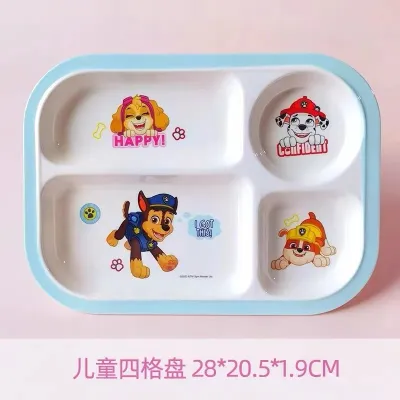
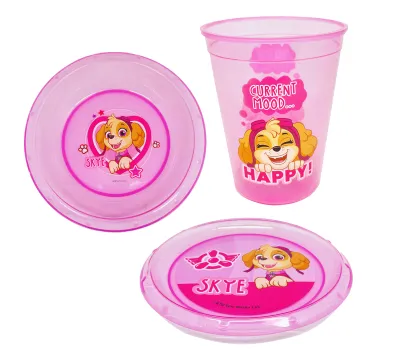
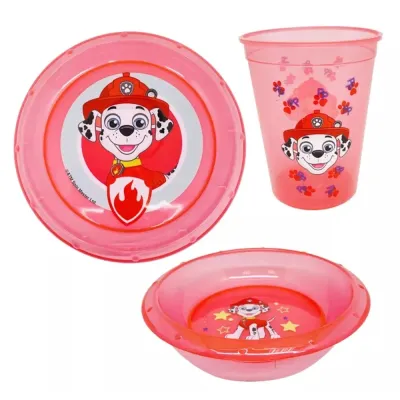
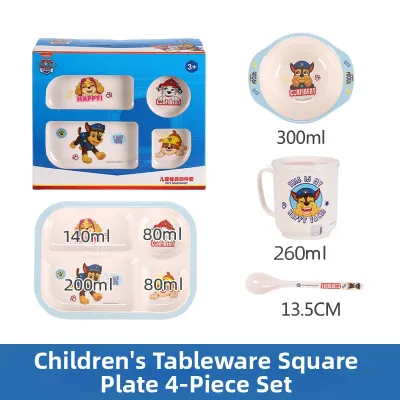
Prices are valid at publication and may change. Please refer to the product page for the latest price.
As your toddler approaches twelve to eighteen months, their fine motor skills and hand-eye coordination improve significantly. They transition from a palmar grasp (using the whole hand to grab food) to a refined pincer grasp (using the thumb and index finger). During this developmental shift, a divided plate becomes highly beneficial. Deeply recessed compartments allow you to separate different food groups, such as soft grains, steamed vegetables, and small pieces of fish or meat. This visual separation helps prevent your child from becoming overwhelmed by mixed textures, while the distinct walls of each compartment provide a physical backstop that helps them practice scooping food onto a spoon.
By the time your toddler reaches two years of age, their self-feeding habits become more structured, and they begin to mimic adult table manners. At this point, the need for extreme suction strength decreases, and the focus shifts toward durability, ease of cleaning, and plate capacity. Throughout all of these stages, using a familiar theme like Paw Patrol can act as a wonderful positive reinforcement tool. Seeing their favorite rescue pups at the bottom of the plate encourages toddlers to finish their portions to “rescue” Chase or Rubble, transforming potential mealtime power struggles into a cooperative game.
Essential Design Features for Early Eaters
Suction Bases and Spill Prevention
To understand how a suction plate works, it helps to look at the physics of the vacuum seal. When you press a suction plate down onto a flat surface, air is forced out from beneath the rubber or silicone base, creating a low-pressure pocket. The higher atmospheric air pressure surrounding the plate holds it firmly in place. There are two primary styles of suction bases available on the market: integrated full-base silicone suction and localized plastic suction cups attached to the bottom of a rigid plate. Full-base silicone suction generally offers superior, more uniform adhesion because there are no seams or gaps where tiny fingers can easily pry the plate loose.

However, even the strongest suction base will fail if the surface conditions are not ideal. Suction plates require a completely smooth, non-porous, clean, and dry surface to maintain a vacuum seal. Many highchair trays feature textured plastics, wood grain finishes, or microscopic scratches from previous use, all of which allow air to slowly leak under the suction cup, causing it to release. Before serving hot food, caregivers should always test the suction strength of the empty plate on their specific highchair tray by pressing down firmly in the center and attempting to pull up from the edges. If the plate releases easily, you may need to clean the tray surface or use a different flat table surface to ensure stability.
Divided Sections for Portion Control
Divided plates are highly recommended by pediatric feeding specialists for several practical reasons. First, they serve as an excellent visual guide for parents to ensure a balanced meal, making it easy to allocate specific sections for proteins, carbohydrates, and healthy fats or vegetables. For a weaning toddler, the depth of these dividers is critical. Deep dividers, measuring at least one inch in height, provide a vertical barrier that helps toddlers scoop food independently. When a child is learning to use a spoon, they lack the wrist rotation required to scoop food from a flat surface; a deep wall allows them to push the food against the side and onto their utensil.
Conversely, shallow and wide sections are better suited for older toddlers who are focusing on finger foods. These wider compartments allow easy access for small hands to pinch and grab dry snacks, such as sliced bananas, soft-cooked squash, or small pieces of bread. Furthermore, divided plates are highly beneficial for children with sensory sensitivities. Many toddlers experience distress when different food textures touch or mix together. Keeping the savory proteins separate from sweet fruit purees allows your child to explore each flavor profile individually, reducing mealtime anxiety and encouraging a more adventurous attitude toward new foods.
Easy Grip Edges and Weight
When evaluating a plate’s design, pay close attention to the inner and outer contours. The inner edges of each compartment should feature a gentle slope rather than a sharp, 90-degree angle. Sloped inner walls naturally guide food toward the center of the spoon or fork, minimizing the amount of food that gets trapped in the corners or pushed over the edge of the plate. This subtle design detail significantly reduces frustration for a toddler who is working hard to master self-feeding skills.
For plates that do not utilize a suction base, the overall weight and stability of the dishware become paramount. A lightweight, thin plastic plate is easily flipped or slid across the table with a simple nudge. A weighted base, often reinforced with a thick rubberized non-slip ring on the bottom, adds substantial stability. Additionally, parents must consider the physical dimensions of the plate. Highchair trays in the Philippines come in various shapes and sizes, and many imported models feature compact, curved trays. Ensure you check the manufacturer’s exact product dimensions to verify that the Paw Patrol plate will sit completely flat within the boundaries of your highchair tray without hanging over the edges.
Types of Paw Patrol Plates for Weaning Toddlers
Silicone Suction Plates with Dividers
Silicone has quickly become one of the most popular materials for baby and toddler tableware, and for good reason. High-quality, food-grade silicone is incredibly durable, flexible, and completely shatterproof, making it perfectly suited to withstand the daily drops and impacts of toddler life. Unlike rigid plastics, silicone is soft to the touch and highly flexible, meaning it will not injure your child’s sensitive gums or emerging teeth if they decide to bite the edges of the plate. Furthermore, solid silicone plates feature excellent heat resistance, allowing them to transition safely from the refrigerator to the microwave or dishwasher.
From a functional standpoint, solid silicone plates with integrated suction bases offer some of the strongest grip capabilities available. Because the entire plate is molded from a single piece of flexible silicone, the base can easily conform to slight surface imperfections, creating a highly reliable vacuum seal. However, parents should be aware of a few material-specific limitations. Silicone is a slightly porous material, which means it can sometimes absorb food odors or develop a soapy taste if washed with highly perfumed dish soaps. Additionally, in the warm, humid climate of the Philippines, highly pigmented local ingredients—such as squash (kalabasa) purees, tomato-based sauces, or dishes containing turmeric—can leave yellow or orange stains on lighter-colored silicone if the plate is not washed immediately after use.
Rigid Plastic Compartment Trays
Traditional rigid plastic compartment plates, typically made from high-quality polypropylene (PP) or melamine, remain a popular and highly affordable choice for many families. These plates are exceptionally lightweight, rigid, and completely resistant to absorbing food odors or staining from colorful sauces. Because plastic allows for highly detailed, vibrant printing, these plates often feature bright, full-color Paw Patrol graphics covering the entire surface, which can be highly appealing to young children who love seeing detailed pictures of Chase, Marshall, and Skye.
However, rigid plastic plates have distinct trade-offs that parents must carefully consider. Most notably, these plates rarely feature effective suction bases. While some models may include a thin rubber ring on the bottom to prevent sliding, they cannot be locked down to the table like a silicone suction plate. Consequently, rigid plastic plates are best reserved for older toddlers (typically eighteen to twenty-four months and above) who have developed the impulse control to keep their dishes on the table and are no longer prone to throwing their food. They are also incredibly useful as lightweight, portable options for travel, family picnics, or visits to relatives’ homes where a highchair setup is not available.
Snack Catchers and Mini Bowls
To complement your main mealtime plates, specialized themed dishware like snack catchers and mini suction bowls can be incredibly helpful additions to your feeding routine. A Paw Patrol snack catcher is a small, portable cup equipped with a soft, flexible silicone lid featuring cross-cut flaps. This clever design allows your toddler to easily reach their hand inside to grab small snacks, such as cereal, fruit puffs, or crackers, but prevents the contents from spilling out if the cup is dropped, shaken, or turned upside down. This is an excellent tool for on-the-go snacking in the stroller, car seat, or during outdoor play.
Mini suction bowls, on the other hand, are deep, single-compartment dishes designed specifically for the early stages of weaning when your child’s diet consists primarily of liquid or semi-solid foods like purees, rice porridge (lugaw), yogurt, or mashed fruits. The high, rounded walls of a mini bowl make it incredibly easy for a parent to scoop out food with a spoon, or for an early eater to practice their first self-feeding motions without pushing the food over the rim. These smaller dishes are highly efficient for managing portion sizes for mid-morning or afternoon snacks, preventing you from having to wash a large, multi-compartment plate multiple times a day.
Safety, Materials, and Authenticity Checks
When purchasing tableware for a young child, safety must always be your absolute highest priority. Before buying any Paw Patrol plate, parents must carefully inspect the product packaging, labels, or online product listings to verify that the materials used are completely non-toxic and free from harmful chemicals. Specifically, look for clear labels indicating that the product is BPA-free, PVC-free, phthalate-free, and made from 100% food-grade silicone or non-toxic, lead-free plastics. Bisphenol A (BPA) and phthalates are known endocrine disruptors that can interfere with a child’s healthy development, making it crucial to avoid any unlabelled or suspicious plastic tableware.
In addition to chemical safety, parents must verify the temperature limits and appliance compatibility of each plate, as these specifications vary widely depending on the material and manufacturing process. For example, while many food-grade silicone plates are safe for use in the microwave, dishwasher, and freezer, many rigid plastic plates—especially those made from melamine—should never be microwaved. Heating melamine to high temperatures can cause the material to degrade and potentially leach harmful chemicals into your child’s food. Always read the manufacturer’s specific care and usage instructions printed on the packaging before exposing any plate to high heat or placing it in a sterilizer.
Because Paw Patrol is an incredibly popular global franchise, local online marketplaces and physical stores are frequently flooded with cheap, unverified counterfeit products. These knockoffs rarely undergo the rigorous safety, quality control, and compliance testing required for children’s consumer products. They may contain hazardous lead paint, brittle plastics that can easily crack into sharp shards, or industrial-grade silicone that contains harmful chemical fillers. To ensure you are purchasing a safe, genuine product, always buy from official brand stores, authorized retailers, or reputable department stores. In the Philippines, officially licensed toddler tableware typically ranges in price from ₱300 to ₱1,000 depending on the material and set size; extremely cheap options priced far below this range are a major red flag for counterfeit goods.
Cleaning and Maintaining Suction Plates
Proper cleaning and maintenance are essential to keep your toddler’s tableware hygienic, stain-free, and functioning at its best, particularly in a warm and humid tropical climate. For daily washing, always check the manufacturer’s guidelines first. Most silicone and high-quality plastic plates can be washed with warm, soapy water using a mild, baby-safe dishwashing liquid. If you use a dishwasher, place the plates on the top rack only. This keeps them away from the high-heat heating elements located at the bottom of the machine, which can warp plastic materials or cause silicone to degrade prematurely over time.
If you notice that your suction plate is no longer sticking to surfaces as firmly as it used to, the issue is almost always caused by a microscopic buildup of grease, soap residue, or dust on either the suction base or the highchair tray. To restore the vacuum seal, thoroughly scrub both the bottom of the plate and the tray surface with a grease-cutting dish soap and warm water. Rinse both surfaces completely to ensure no soap film remains, and dry them thoroughly with a clean, lint-free microfiber cloth. Eliminating this invisible barrier of residue will instantly restore the plate’s original suction power.
Silicone plates can occasionally develop a stubborn white film (which is typically mineral buildup from hard water) or absorb strong food odors and soapy tastes. To eliminate these odors and restore the material, create a thick paste using equal parts baking soda and water. Spread the paste generously over the entire surface of the plate, let it sit for approximately thirty minutes to an hour, and then scrub and rinse it thoroughly with warm water. Alternatively, you can take advantage of the natural sanitizing power of the sun. Placing a clean, wet silicone plate in direct, bright sunlight for a few hours is a highly effective, natural way to bleach out organic food stains (like tomato or squash stains) and eliminate any lingering musty odors.
Frequently Asked Questions (FAQ)
Why won't my toddler's suction plate stick to the highchair tray?
If your toddler’s suction plate fails to stick, it is usually because the highchair tray surface is not perfectly smooth or non-porous. Many plastic highchair trays feature a matte, textured, or slightly grained finish designed to prevent scratches, but these tiny textures allow air to seep under the edge of the suction cup, preventing a vacuum seal from forming. To resolve this, ensure both the suction base and the tray are completely clean, dry, and free of any oily residue or soap film. If the tray itself is too textured to hold suction, you can try placing a completely smooth, flat silicone placemat on the tray first, or transition to feeding your toddler at a smooth wooden or glass dining table where the suction cup can adhere properly.
At what age should I transition from a suction plate to a regular plate?
Most toddlers are ready to transition from a suction plate to a regular, non-suction plate between the ages of two and three years. By this stage, children have typically developed the fine motor control required to scoop food without pushing the plate around, as well as the impulse control to understand that tableware should remain on the table. To decide if your child is ready, observe their behavior during meals. If they no longer attempt to lift, tip, or throw their suction dishes, and can follow simple instructions about table manners, you can introduce a weighted, non-slip regular plate. Start by using the non-suction plate for dry snacks under supervision before transitioning to full meals.
Community discussion
Share your experience or ask a question. Comments are reviewed before publication.