
Selecting the right nappy cream for a baby with sensitive skin requires a careful balance between robust moisture protection and gentle, non-irritating formulations. Because an infant’s skin barrier is still developing, it is highly susceptible to environmental triggers, friction, and chemical irritants. In tropical climates like the Philippines, where high humidity and heat are constant factors, choosing the wrong product can trap sweat and moisture, potentially worsening skin irritation rather than relieving it.
To make an informed decision, parents must understand the specific needs of their baby’s skin, learn how to decode ingredient lists, and select a formula texture that matches both the baby’s skin condition and the local environment. By focusing on protective barrier properties and avoiding common sensitizing agents, you can establish a safe, effective daily care routine that keeps your baby comfortable and rash-free.
Understanding Your Baby's Skin Needs
An infant’s skin is structurally different from adult skin. It is roughly thirty percent thinner, loses moisture more rapidly, and has a less developed stratum corneum, which is the outermost layer responsible for keeping irritants out. Because of this structural vulnerability, the diaper area is constantly exposed to harsh conditions, including friction, warmth, moisture, and the acidic enzymes present in urine and stool. Understanding these factors is the first step in identifying the right care approach.
Products mentioned in this guide
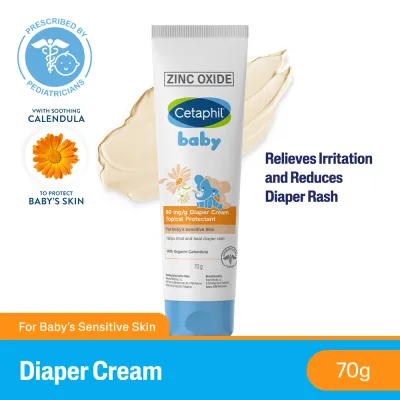
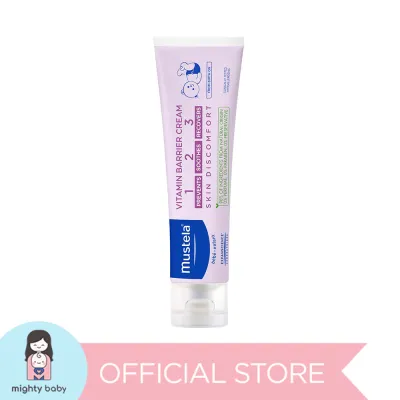
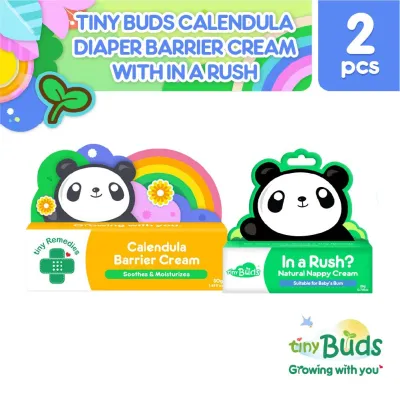
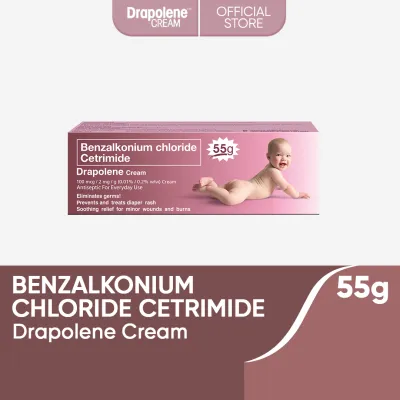
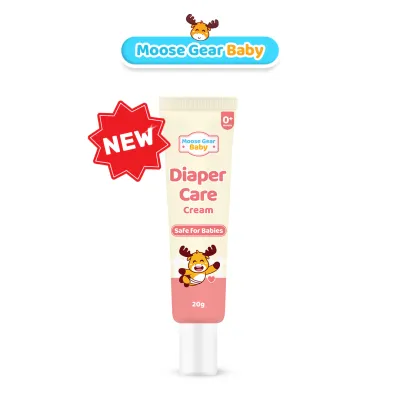
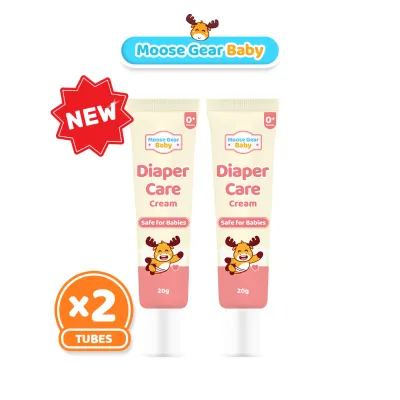
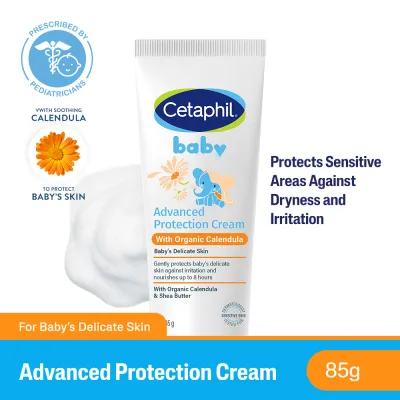
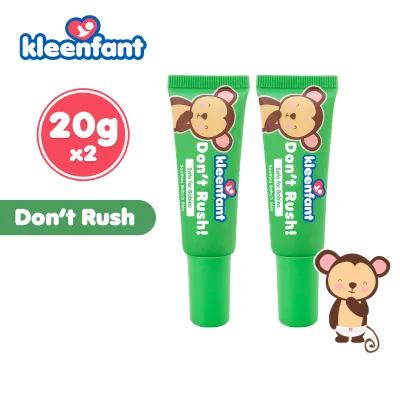
Prices are valid at publication and may change. Please refer to the product page for the latest price.
It is essential to differentiate between standard friction-related nappy rash and sensitive skin reactions or contact dermatitis. Standard nappy rash typically presents as mild, generalized redness in areas where the diaper rubs directly against the skin, such as the inner thighs, waist, and buttocks. This is primarily a mechanical issue caused by movement and tight diaper fit. In contrast, sensitive skin reactions or contact dermatitis often manifest as intense, localized irritation, persistent redness that does not fade with diaper-free time, extreme dryness, peeling, or even small bumps. These reactions are usually triggered by specific chemical ingredients, fragrances, or dyes in diapers, wipes, or skincare products.
When managing sensitive skin, the primary role of a nappy cream is to act as a physical, protective moisture barrier. It is designed to sit on top of the skin, shielding it from direct contact with wetness and acidic waste. It is crucial to understand that a standard nappy cream is a preventative tool and a protective shield, not a medical cure for underlying skin conditions. If the skin barrier has already been compromised by a fungal or bacterial infection, a basic barrier cream will not resolve the issue and professional medical guidance is required.
Key Ingredients to Look For and Avoid
When evaluating nappy creams for sensitive skin, the ingredient list on the back of the packaging is your most reliable guide. Marketing claims on the front of the bottle can be helpful, but the actual formulation determines how the product will interact with your baby’s delicate skin barrier. Look for proven, gentle barrier agents and soothing ingredients that support skin recovery.

Zinc oxide is one of the most widely recommended barrier ingredients. It is a natural mineral that provides a thick, physical shield on top of the skin, reflecting moisture away while offering mild astringent and soothing properties. Petroleum jelly, also known as petrolatum, is another highly effective occlusive agent that seals in moisture and prevents transepidermal water loss, creating a durable barrier against external irritants. Lanolin is a deeply hydrating emollient that closely mimics the skin’s natural lipids, though it should be monitored in babies with known wool sensitivities. Dimethicone, a silicone-based ingredient, offers a smooth, breathable protective layer that is easy to spread without dragging on irritated skin.
Conversely, there are several common ingredients that parents of babies with sensitive skin should strictly avoid. Synthetic fragrances and perfumes are the leading causes of cosmetic contact dermatitis and should be entirely absent from your baby’s skincare products. Essential oils, such as lavender, tea tree, or eucalyptus, are highly concentrated plant extracts that can easily sensitize delicate skin and trigger allergic reactions. Parabens and harsh preservatives, such as methylisothiazolinone (MIT) or formaldehyde-releasing agents, should also be avoided, as they can irritate compromised skin barriers.
Many products prominently feature labels such as “hypoallergenic” or “dermatologist-tested.” While these terms suggest a level of safety, they are not globally standardized or strictly regulated. “Hypoallergenic” simply means the manufacturer has formulated the product to minimize the risk of allergic reactions, while “dermatologist-tested” indicates that a dermatologist oversaw some level of testing on human subjects. Neither claim guarantees that a product will not cause a reaction in your specific baby. Always cross-reference these front-label claims with the actual ingredient list to ensure no hidden irritants are present.
Choosing the Right Texture and Formula
Nappy creams come in various physical consistencies, ranging from light lotions to dense, heavy pastes. Matching the texture of the product to your baby’s current skin condition and the local climate is essential for maintaining skin health and comfort.
Ointments are typically oil-based, translucent, and highly occlusive. They provide a long-lasting, heavy barrier that is excellent for overnight protection when diaper changes are less frequent. Thick pastes contain a high percentage of solid active ingredients, usually zinc oxide, which gives them their opaque white appearance. Pastes offer maximum barrier strength and are ideal for protecting skin that is already red or irritated. Creams are emulsions of oil and water, making them lighter, easier to spread, and quicker to absorb. Lotions have the highest water content and are very light, but they do not provide sufficient barrier protection for the diaper area and are easily washed away by wetness.
In hot, humid tropical environments like the Philippines, the local climate plays a significant role in how these formulas perform. Heavy, highly occlusive ointments can sometimes trap sweat and heat against the skin, leading to prickly heat (miliaria) or creating a warm, damp environment where yeast infections can easily thrive. For daily preventative care in humid weather, a lighter, breathable cream is often more suitable. It provides adequate protection without suffocating the skin. Thick, high-zinc barrier pastes should be reserved for targeted application on areas of active irritation or during long stretches of sleep when frequent diaper changes are not possible.
Understanding when to use each formula type allows you to adapt your care routine dynamically. For daily maintenance when the skin is clear, a thin layer of a spreadable, breathable cream keeps the skin soft and protected. If you notice early signs of redness or chafing, transitioning to a thicker, zinc-based paste will provide the heavy-duty shielding required to let the skin heal underneath without further exposure to moisture.
How to Build Your Shortlist: A Buyer's Checklist
When shopping at local pharmacies, baby specialty stores, or online marketplaces, having a structured evaluation framework helps you filter out unsuitable products quickly. Use this step-by-step checklist to build a safe shortlist of nappy creams for your baby’s sensitive skin:
- Perform an Ingredient Audit: Turn the product over and read the full ingredient list. Verify that the product is completely fragrance-free, alcohol-free, and free from essential oils, parabens, and harsh preservatives.
- Identify the Active Barrier: Ensure the formula contains at least one reliable barrier agent, such as zinc oxide, petrolatum, or dimethicone, near the top of the ingredient list.
- Evaluate the Packaging: Opt for squeeze tubes or airless pump dispensers rather than open-mouthed tubs. Open tubs require you to repeatedly dip your fingers into the product during diaper changes, which can easily introduce bacteria, yeast, and fecal contaminants into the remaining cream, compromising its hygiene.
- Check Expiry and Batch Information: Ensure the product has a clearly printed expiry date and batch code. Skincare products can degrade, separate, or lose their preservative efficacy over time, especially when stored in warm, humid conditions.
- Verify Price and Accessibility: Compare prices using the local currency (₱) to ensure the product fits your ongoing budget, as nappy cream is a high-frequency purchase. Ensure the product is consistently available from reputable retailers to avoid sudden changes in your baby's routine.
Before applying any new nappy cream to your baby’s diaper area, it is highly recommended to perform a localized patch test. Apply a pea-sized amount of the cream to a small, clean patch of healthy skin on your baby’s inner arm or upper thigh. Monitor the area for 24 to 48 hours. If you observe any signs of redness, swelling, itching, or tiny bumps, discontinue use immediately and do not apply the product to the highly sensitive diaper region.
Application Best Practices and Safety Boundaries
Even the highest quality nappy cream will not perform effectively if it is applied incorrectly. Establishing a clean, consistent application routine is vital for protecting your baby’s skin barrier and preventing irritation.
Always begin by thoroughly cleaning the diaper area during a change. Use lukewarm water and a soft, clean cloth, or gentle, fragrance-free baby wipes. Avoid rubbing or scrubbing the skin, as mechanical friction can damage the delicate outer layer; instead, gently pat the skin dry. Ensure the skin is completely dry before applying any cream. Applying a barrier cream over damp skin traps that moisture directly against the skin, which can lead to skin maceration, irritation, and fungal growth.
Once the skin is dry, apply the nappy cream according to the manufacturer’s specific instructions. For daily preventative care, a thin, translucent layer is generally sufficient to provide a protective shield. If you are treating active irritation with a thick zinc paste, apply a generous, opaque layer—similar to frosting a cake—to ensure the raw skin is completely insulated from urine and stool. Avoid applying excessive pressure; use light, gentle strokes to spread the product.
While nappy creams are highly effective for daily care, parents must recognize when a skin issue requires professional medical intervention. Stop using the product immediately and consult a pediatrician if you observe any of the following warning signs:
- The rash develops blisters, pimples, or pus-filled sores.
- The skin begins to bleed, ooze, or develop weeping, raw patches.
- The irritation spreads significantly beyond the diaper area to the abdomen, back, or limbs.
- Your baby develops a fever or appears unusually uncomfortable and inconsolable.
- The rash does not show any signs of improvement after three days of consistent, careful application of the barrier cream.
These symptoms often indicate a secondary bacterial or fungal infection, such as a Candida yeast infection, which cannot be resolved with over-the-counter barrier creams and requires targeted prescription treatment.
Frequently Asked Questions (FAQ)
Can I use adult skincare products or natural household oils on my baby's sensitive skin?
No, you should avoid using adult skincare products or unformulated household oils on your baby’s sensitive skin. Infant skin is significantly thinner, has a different pH level, and possesses an underdeveloped barrier compared to adult skin. Adult products often contain active ingredients, strong preservatives, and synthetic fragrances that can easily penetrate a baby’s skin, leading to severe irritation or systemic absorption.
While natural household oils like coconut oil or olive oil may seem like safe, natural alternatives, they are unformulated and can behave unpredictably. In tropical climates, heavy natural oils can trap heat and sweat, clogging pores and leading to heat rash. Furthermore, some natural oils contain high levels of oleic acid, which can actually disrupt the skin barrier and worsen dryness or sensitivity. Always consult a pediatrician before introducing alternative or household remedies to your baby’s skincare routine.
How often should I reapply nappy cream during the day?
The frequency of application depends on whether you are using the cream for daily prevention or managing active skin irritation. For daily preventative care, applying a thin layer of cream before long stretches of sleep—such as bedtime or during long travel periods—is usually sufficient to protect the skin when diaper changes are less frequent.
If your baby is currently experiencing active skin irritation or redness, you should apply a thicker layer of barrier cream at every single diaper change. This continuous application ensures that the compromised skin is constantly shielded from the irritating effects of urine and stool. Always refer to the specific frequency and usage instructions provided on the product label by the manufacturer to ensure safe and effective use.

Community discussion
Share your experience or ask a question. Comments are reviewed before publication.