
Finding the right cleansing wipes for sensitive skin in the Philippines requires looking past attractive packaging and focusing on formulation details. In a tropical climate characterized by high humidity and heat, the skin barrier is frequently challenged by sweat, excess sebum, and airborne dust. While cleansing wipes offer a convenient way to refresh the skin or remove cosmetics, choosing the wrong brand can quickly lead to redness, contact dermatitis, or localized breakouts. To make an informed decision, you must evaluate how different brands formulate their products, focusing on fiber materials, preservative systems, and the presence of potential irritants.
Key Criteria for Comparing Cleansing Wipes
In the Philippines, where humidity can exacerbate skin sensitivity, the physical material of the wipe is just as important as the liquid formula. High-quality brands typically use medical-grade purified water (such as reverse osmosis or deionized water) as the primary ingredient to ensure no trace minerals or impurities irritate the skin barrier.
The base material should ideally consist of soft, plant-based fibers like cotton, bamboo, or wood pulp (lyocell). These natural fibers are generally smoother and less abrasive than synthetic polyester blends, reducing the micro-friction that occurs when wiping sweat or grime from sensitive areas.
Products mentioned in this guide
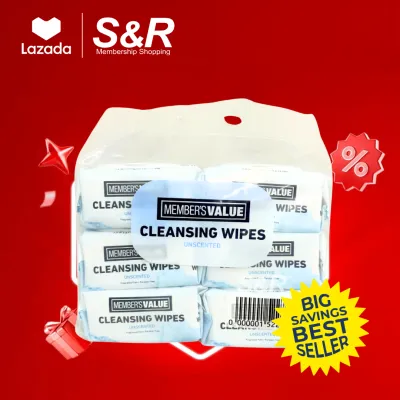
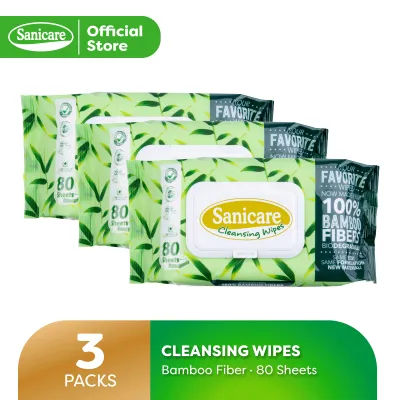
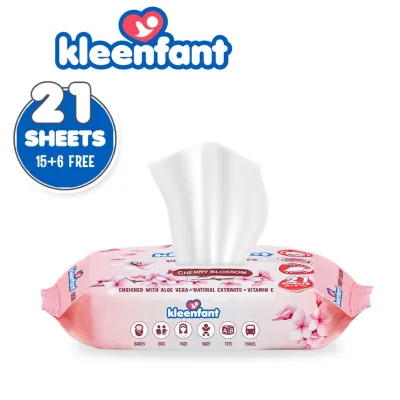
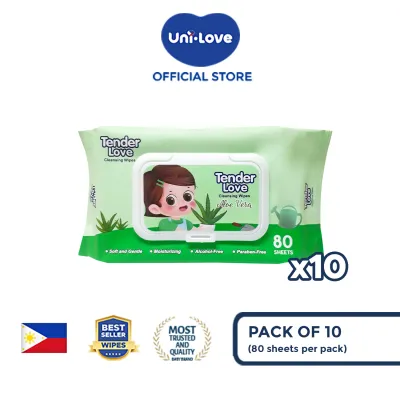
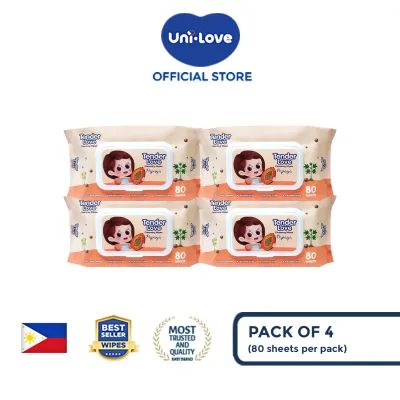
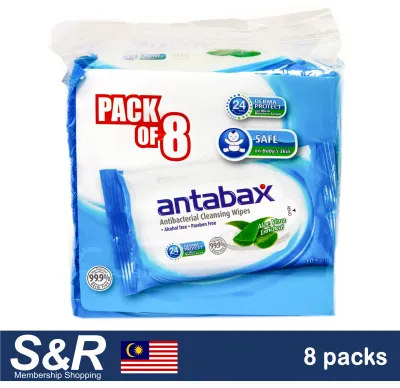
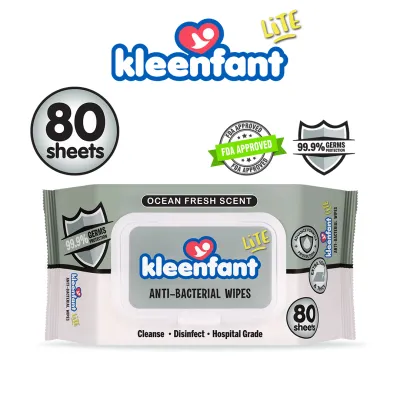
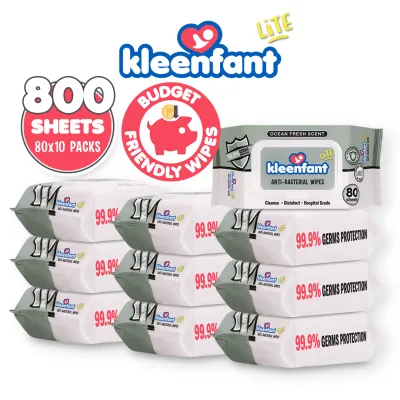
Prices are valid at publication and may change. Please refer to the product page for the latest price.
Preservative systems are another critical point of comparison. Because wipes are moist and stored in warm, humid environments typical of Philippine households, they require robust preservation to prevent the growth of mold and bacteria.
Modern, sensitive-skin-friendly brands utilize gentler preservative alternatives, such as food-grade preservatives or organic acids, which maintain product safety without compromising the skin barrier.
Understanding the distinction between “unscented” and “fragrance-free” is vital when comparing brands. “Unscented” products may still contain masking fragrances designed to neutralize the chemical smell of other ingredients, which can still trigger allergic reactions on sensitive skin.
Conversely, “fragrance-free” indicates that no fragrance chemicals or masking agents have been added to the formulation. For highly reactive skin, prioritizing truly fragrance-free options is always the safer choice.
How to Evaluate Brand Claims and Ingredient Labels
Marketing terms like “hypoallergenic” and “dermatologist-tested” are frequently displayed on cleansing wipe packaging, but they require careful interpretation. These labels are not standardized by a single global regulatory body; instead, they usually mean the manufacturer has conducted patch testing on a small group of human volunteers without observing adverse reactions.

While these claims suggest a lower likelihood of irritation, they do not guarantee absolute safety for your specific skin type. You must look beyond these front-label promises and scrutinize the ingredient list on the back of the pack.
When reviewing the ingredient deck, learn to identify hidden irritants that commonly trigger sensitive skin. Avoid products containing denatured alcohol, isopropyl alcohol, or SD alcohol, which strip the skin of its natural lipids and cause dryness and irritation, especially in hot weather.
Essential oils, such as tea tree, lavender, or citrus oils, are often marketed as natural remedies but contain volatile organic compounds that can cause contact allergies. Additionally, harsh surfactants like sodium lauryl sulfate (SLS) should be avoided in favor of mild, non-ionic surfactants like coco-glucoside or decyl glucoside, which cleanse without disrupting the skin’s moisture barrier.
To systematically evaluate a brand, cross-reference its ingredient list with recognized sensitive skin avoidance databases, such as those maintained by dermatological associations or cosmetic safety groups. Ingredients are listed in descending order of concentration.
If a potential irritant or fragrance component appears near the top of the list, the product is highly likely to cause a reaction. For sensitive skin, a shorter ingredient list is generally superior, as it minimizes the number of potential chemical triggers your skin is exposed to during a single use.
Comparing Formulation Types: A Decision Framework
To choose the right cleansing wipes, you can categorize available brands into distinct formulation types based on your skin’s specific needs. Water-based wipes feature minimal ingredient lists, often consisting of over 99% purified water combined with a mild preservative and a gentle cleansing agent.
This formulation type is highly recommended if your skin is highly reactive to botanical extracts, essential oils, or complex emulsifiers. Water-based options provide a clean, residue-free finish that is ideal for refreshing the face and body during hot, humid days in the Philippines without leaving a heavy film that could clog pores.
Lotion-infused wipes, on the other hand, are formulated with added moisturizing agents such as glycerin, ceramides, or light plant oils. This type is highly suitable if your sensitive skin is also prone to extreme dryness, flaking, or eczema.
The lotion component helps replenish lost lipids and lock in moisture as you cleanse, preventing the tight, stripped feeling that often follows washing. However, if you choose this category, ensure the added moisturizing agents are non-comedogenic and free from synthetic fragrances that could counteract the soothing benefits.
It is important to recognize that neither formulation type may be suitable if you have a known contact allergy to specific preservatives or surfactants. No single wipe is universally safe for every individual.
If you have diagnosed skin conditions like rosacea or atopic dermatitis, always perform a patch test on a small area of your inner arm or jawline for several days before using a new brand on your face or your baby’s delicate skin. Verifying the full ingredient list remains the ultimate step in your decision-making process.
Assessing Value and Buying Safely in the Philippines
When shopping for cleansing wipes in the Philippines, assessing value requires looking beyond the initial retail price. Instead of comparing the total cost of a package, calculate the cost per individual wipe by dividing the price in ₱ by the total sheet count.
A larger pack may seem more expensive upfront but often offers a significantly lower cost per wipe, making it more economical for daily use. However, keep in mind that larger packs take longer to consume; if the seal is not airtight, the wipes may dry out or become exposed to environmental contaminants before you can finish them.
In a tropical climate, high temperatures and humidity can accelerate the degradation of cosmetic formulations. When buying wipes, always check the packaging for clear batch codes and expiration dates.
If a product is past its shelf life, the preservative system may fail, leading to bacterial contamination or chemical breakdown that can cause severe skin irritation. Avoid purchasing wipes that have been exposed to direct sunlight or extreme heat in outdoor markets, as thermal stress can compromise both the packaging seal and the stability of the ingredients inside.
To ensure product safety and authenticity, purchase your cleansing wipes only from authorized online retailers, official brand stores on major ecommerce platforms, or established physical pharmacies and supermarkets.
Counterfeit skincare products are a persistent issue in online marketplaces, and these unauthorized goods often contain unregulated chemicals, industrial solvents, or high levels of bacteria. Buying from official channels guarantees that the products have been stored, transported, and regulated according to proper safety standards, protecting your sensitive skin from unnecessary risks.
Frequently Asked Questions (FAQ)
Can I use baby cleansing wipes for my own sensitive skin?
Yes, you can use baby cleansing wipes for adult sensitive skin, but you must understand their limitations. Baby wipes are specifically formulated to match the delicate, slightly acidic to neutral pH of an infant’s skin, and they generally feature very mild cleansing agents and minimal additives. This makes them highly compatible with sensitive adult skin.
However, because they are designed to clean water-soluble soils like sweat and urine, baby wipes may not be strong enough to effectively break down and remove heavy adult skincare products, waterproof sunscreens, or long-wear makeup. If you use baby wipes, you may need to follow up with a gentle liquid cleanser to ensure your skin is thoroughly clean.
What should I do if a sensitive skin wipe causes a reaction?
If you experience a reaction such as redness, burning, itching, or swelling after using a cleansing wipe, stop using the product immediately. Rinse the affected area thoroughly with cool, plain water to remove any remaining chemical residue from your skin.
Avoid applying other active skincare products, makeup, or fragranced lotions to the irritated area, as this can worsen the inflammation. Instead, apply a simple, fragrance-free moisturizer or a cold compress to soothe the skin. If the reaction does not improve within a few days, or if you experience severe swelling, blistering, or signs of infection, consult a qualified dermatologist for professional medical advice and targeted treatment.

Community discussion
Share your experience or ask a question. Comments are reviewed before publication.