
Caring for a baby with eczema or highly sensitive skin requires extreme vigilance, especially during diaper changes when the skin barrier is already vulnerable. Standard baby wipes often contain hidden chemical irritants, harsh preservatives, and synthetic fragrances that can instantly trigger painful flare-ups, redness, and contact dermatitis. To protect your little one’s delicate skin, the ideal approach is to select wipes with minimalist, water-based formulations, skin-compatible pH levels, and ultra-soft, friction-free fibers. By learning how to decode ingredient labels and verify physical wipe characteristics, you can confidently choose a product that cleanses effectively without stripping away natural moisture.
Common Irritants to Avoid on Baby Wipe Labels
When managing eczema-prone skin, the ingredient list on the back of the pack is far more important than any marketing claims on the front. Many products labeled “unscented” are not actually free of fragrance; instead, they may contain masking agents or chemical neutralizers designed to cover up the natural smell of the ingredients. For a baby with sensitive skin, always look for the term “fragrance-free,” which indicates that no scent-producing chemicals or masking agents have been added to the formulation.
Preservatives are another major source of contact allergies, yet they are necessary to prevent microbial growth in wet wipes. However, certain high-risk preservatives must be avoided entirely on compromised skin. Methylisothiazolinone (often abbreviated as MI) and various parabens are notorious sensitizers that can cause severe allergic contact dermatitis. Caregivers should carefully inspect the label to ensure these specific compounds are absent from the ingredient list.
Products mentioned in this guide
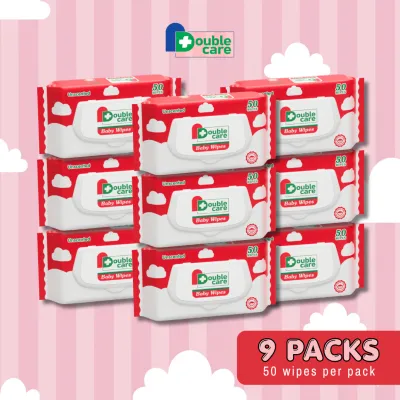
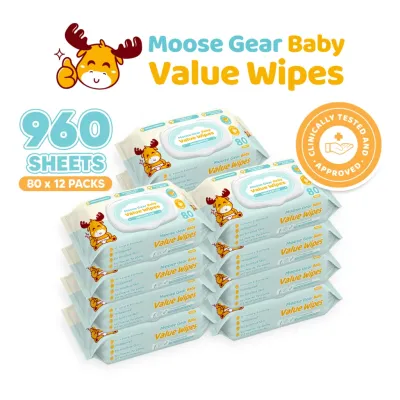
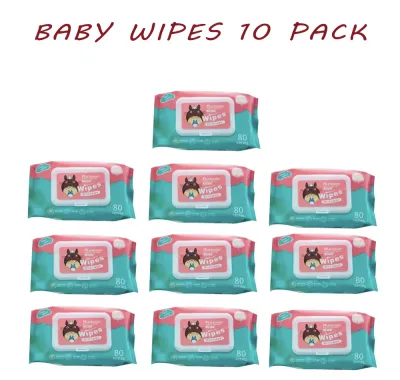
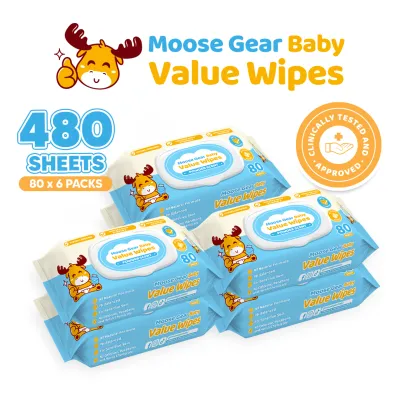
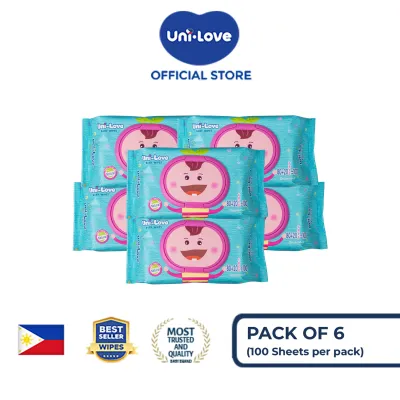
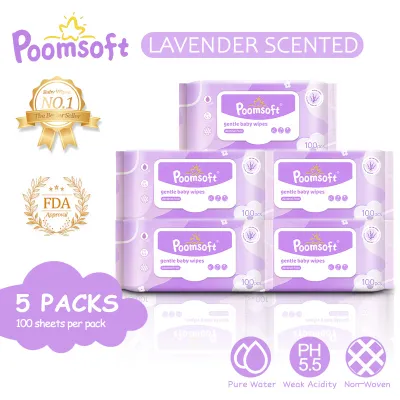
Prices are valid at publication and may change. Please refer to the product page for the latest price.
Harsh surfactants and drying alcohols represent another category of ingredients that can compromise the skin barrier. Surfactants like sodium lauryl sulfate (SLS) are designed to break down oils, but they also strip away the natural lipids that keep your baby’s skin hydrated and protected. Similarly, simple alcohols (such as isopropyl alcohol or ethanol) dry out the skin rapidly, leading to micro-cracks and increased susceptibility to environmental irritants.
Finally, natural does not always mean safe for sensitive skin. Many botanical extracts, essential oils, and herbal infusions (such as tea tree oil, citrus extracts, or lavender) contain complex organic compounds that are highly reactive. On healthy skin, these botanical ingredients might be harmless, but on an eczema-prone barrier, they can trigger immediate allergic reactions. It is safest to opt for products that avoid complex botanical blends in favor of simple, inert ingredients.
Beneficial Ingredients and Formulations for Eczema-Prone Skin
To support a compromised skin barrier, look for formulations that prioritize simplicity and hydration. High-water-content wipes, often containing 99% or more purified water, serve as an excellent baseline. These formulations minimize the concentration of chemical additives, reducing the likelihood of a reaction while still providing the necessary moisture to lift away messes gently.

Beyond water, a high-quality sensitive wipe should include mild humectants and emollients that actively support the skin barrier. Glycerin is a highly effective, low-risk humectant that draws moisture into the skin and helps lock it in. Other soothing ingredients, such as colloidal oatmeal or pure aloe vera extract, can help calm minor irritation, provided they are formulated without irritating carriers or synthetic additives.
The pH level of the wipe solution is another critical factor in maintaining skin health. Healthy skin has a slightly acidic natural mantle, typically ranging from pH 4.5 to 5.5, which acts as a barrier against harmful bacteria and environmental pathogens. Wipes that are specifically formulated to be pH-balanced help preserve this protective mantle, whereas highly alkaline solutions can disrupt the skin barrier and exacerbate eczema symptoms.
Rather than relying solely on front-label marketing buzzwords like “hypoallergenic,” look for third-party endorsements on the packaging. Organizations such as the National Eczema Association (NEA) or other recognized dermatological bodies evaluate products based on strict ingredient criteria. Finding an official seal or a clear statement of pediatric dermatologist testing provides an extra layer of reassurance that the formulation has been vetted for highly sensitive skin.
Evaluating Wipe Material and Texture for Minimal Friction
The physical fabric of a baby wipe plays a significant role in skin health, as mechanical friction can be just as damaging to an eczema-prone barrier as chemical irritants. Plant-based fibers, such as bamboo, cotton, or viscose, are generally superior to synthetic polyester blends. These natural fibers are inherently softer, more breathable, and highly absorbent, allowing them to glide smoothly over the skin without causing micro-abrasions.
Texture is another important consideration, especially during active eczema flare-ups. When your baby’s skin is red, dry, or cracked, a completely smooth, flat-weave wipe is essential to minimize friction and prevent further irritation. Lightly textured or embossed wipes can be useful for gripping and lifting heavy messes, but they should be used with extreme care and avoided entirely on areas with active inflammation.
Wipe thickness and moisture retention are also crucial for minimizing physical contact. Thin, dry wipes require multiple passes and firmer pressure to clean the skin, which increases friction and discomfort. A thick, plush wipe that holds its moisture well allows you to clean the diaper area in a single, gentle sweep, reducing the physical stress placed on the baby’s delicate skin barrier.
How to Build Your Shortlist: A Step-by-Step Label Checklist
Finding the right product in a crowded market requires a systematic approach. You can build a safe shortlist of baby wipes by following this step-by-step evaluation process before making a purchase.
- Step 1: Cross-reference the front and back labels. Do not let terms like "sensitive," "pure," or "hypoallergenic" on the front of the packaging dictate your choice. Turn the pack over and read the full ingredient list to confirm that there are no hidden fragrances, drying alcohols, or harsh chemical additives.
- Step 2: Scan for known sensitizers. Check the ingredient list against a mental checklist of common irritants. Ensure the product is free from methylisothiazolinone (MI), parabens, sodium lauryl sulfate (SLS), and highly reactive botanical extracts or essential oils.
- Step 3: Verify third-party seals and testing. Look for official seals of approval from eczema associations or clear indications of pediatric dermatologist testing. These seals indicate that the product has undergone independent review to verify its suitability for compromised skin.
- Step 4: Assess the packaging design. Examine the resealing mechanism on the pack. A sturdy plastic flip-top lid is generally superior to a simple adhesive sticker, as it prevents the water-based formulation from drying out and protects the wipes from airborne bacteria and mold in humid tropical environments.
Safe Usage, Patch Testing, and Storage Best Practices
Even when a wipe passes every label check, it is vital to introduce it carefully to a baby with highly reactive skin. Before using a new brand of wipes across the entire diaper area, perform a simple patch test. Apply a single wipe to a small, unaffected area of your baby’s skin, such as the inner forearm or thigh, and wait 24 to 48 hours to monitor for any delayed redness, swelling, or irritation.
When using the wipes, focus on your physical technique to minimize skin trauma. Avoid rubbing, scrubbing, or pulling the wipe across the skin. Instead, use a gentle patting or sweeping motion to lift away residue. In tropical climates where humidity is high, ensure the skin is completely dry before putting on a fresh diaper, as trapped moisture can worsen eczema and diaper rash.
Proper storage is essential to maintain the safety and integrity of minimalist, water-based wipes. Because these products use very mild preservative systems, they are more vulnerable to bacterial growth if exposed to heat or contamination. Store wipe packages in a cool, dry place away from direct sunlight, and always ensure the lid is tightly sealed immediately after extracting a wipe.
Keep track of how long a package has been open, and adhere strictly to the manufacturer’s guidelines for disposal. If you notice any change in the odor, color, or moisture level of the wipes, discard the pack immediately. Using dried-out or contaminated wipes can introduce bacteria directly into compromised skin, leading to secondary infections.
When to Stop Using a Wipe and Consult a Pediatrician
While high-quality sensitive wipes are designed to be gentle, every baby’s skin is unique, and adverse reactions can still occur. Caregivers must remain highly observant during and after diaper changes. If you notice sudden redness, swelling, small bumps, weeping skin, or if your baby cries and shows signs of pain during wiping, stop using the product immediately.
It is important to distinguish between a standard diaper rash and an eczema flare-up triggered by a wipe. A standard diaper rash typically presents as confluent redness confined to the areas in direct contact with the diaper. Allergic reactions or eczema flare-ups triggered by a wipe ingredient often present as patchy, intensely itchy, dry, or scaly skin that may extend beyond the diaper area to the thighs and lower abdomen.
If your baby experiences an active flare-up or shows signs of a reaction, temporarily discontinue all commercial wipes. Switch to using plain, lukewarm water and sterile cotton wool or a soft, reusable cotton cloth to clean the area. This eliminates all chemical exposure and allows the skin barrier a chance to recover without further irritation.
Consult a pediatrician or a pediatric dermatologist if the skin irritation does not improve within a few days of stopping wipe use, or if you observe signs of infection such as pus, yellow crusting, or warmth in the affected area. A medical professional can help identify the specific allergen, prescribe appropriate topical treatments, and guide you on the safest skincare routine for your baby’s specific needs.
Frequently Asked Questions (FAQ)
Can I use regular baby wipes if my baby doesn't have a current eczema flare-up?
Even during periods of remission when your baby’s skin looks healthy, the underlying skin barrier remains structurally compromised and prone to moisture loss. Regular baby wipes containing fragrances, alcohol, or harsh preservatives can gradually weaken this fragile barrier over time through cumulative exposure. Maintaining a consistent routine with gentle, fragrance-free, water-based wipes helps preserve the skin’s natural defenses and prevents unpredictable flare-ups.
Are water wipes completely free from preservatives?
No water-based product can be completely free of preservatives without risking rapid, dangerous contamination by mold, yeast, and bacteria. Wipes with high water content must utilize mild, skin-safe preservative systems or fruit extracts with antimicrobial properties to keep the product sterile. When reading the label, look for these gentle, food-grade, or dermatologically approved preservatives rather than harsh chemical alternatives like parabens or methylisothiazolinone.
Should I rinse my baby's skin with water after using sensitive wipes?
For most babies, rinsing is not necessary if you are using a high-quality, pH-balanced wipe that leaves minimal residue. However, during severe active eczema flare-ups or if your baby has extremely reactive skin, rinsing the diaper area with plain, lukewarm water after wiping can provide an extra layer of safety. This step ensures that even the mildest surfactants or humectants are completely removed from the compromised skin barrier, minimizing any potential for irritation.

Community discussion
Share your experience or ask a question. Comments are reviewed before publication.