
Protecting infants from mosquito bites during the dengue season in the Philippines requires a careful balance between effective insect defense and delicate skin safety. With the tropical climate bringing frequent afternoon downpours and high humidity, mosquito populations can surge rapidly, making reliable protection a daily necessity. However, because a baby’s skin is thinner and more permeable than an adult’s, parents cannot simply apply any standard repellent. Choosing the right product involves understanding active ingredients, verifying age-specific safety guidelines, and adopting a multi-layered defense strategy that goes beyond topical applications.
To navigate the crowded shelves of baby care products, parents must learn to look past appealing packaging and focus on verified safety standards. A baby-safe repellent is not defined by a “natural” label or a pleasant scent, but by its active ingredients, concentration levels, and regulatory clearance. By understanding how these products work and how to apply them safely, you can keep your little one protected from disease-carrying mosquitoes without exposing them to unnecessary chemical risks.
Understanding Safety Standards for Infant Repellents
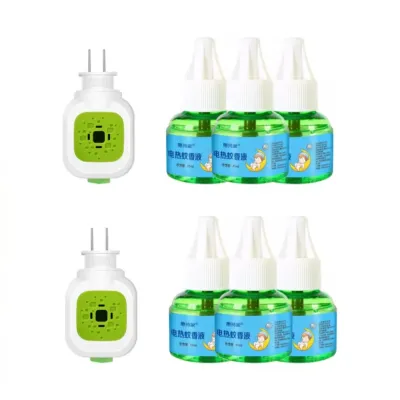
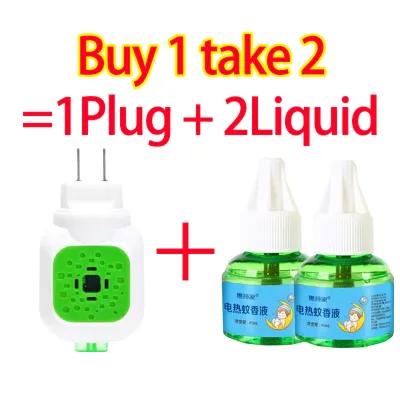
When shopping for mosquito protection, it is crucial to distinguish between topical repellents designed for skin application and spatial insecticides. Spatial products, such as mosquito coils, liquid vaporizers, electric mats, and knockdown aerosol sprays, are formulated to kill or repel insects in a room. These products rely on airborne chemicals that should never be inhaled directly by infants or allowed to settle on their skin, toys, or bedding. Topical repellents, on the other hand, are formulated to sit on the skin or clothing, creating a vapor barrier that deters mosquitoes from landing or biting.
Products mentioned in this guide
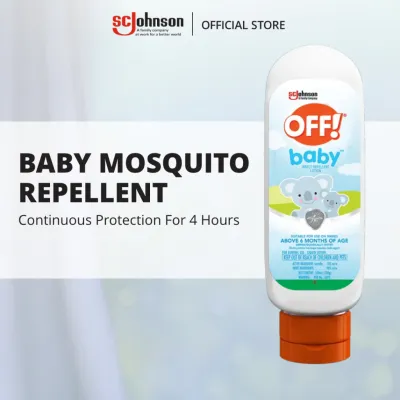
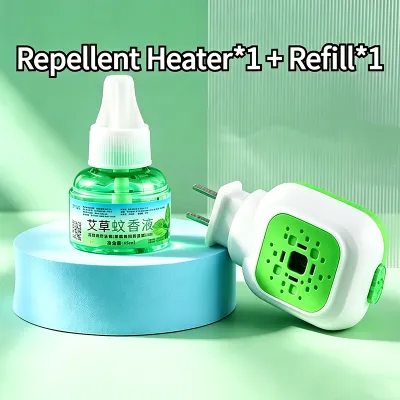
Prices are valid at publication and may change. Please refer to the product page for the latest price.
Age-specific restrictions on repellent labels are not merely suggestions; they are based on a baby’s physiological development. Newborns and young infants have a high skin-surface-area-to-body-weight ratio, meaning they absorb topical substances much more readily than older children or adults. Additionally, their livers and kidneys are still developing, making it harder for their bodies to break down and eliminate absorbed chemicals. For these reasons, most health organizations and pediatric societies advise against applying any topical chemical repellents to infants under two months of age, recommending physical barriers instead.
Before purchasing any repellent in the Philippines, parents should verify its regulatory status. The Food and Drug Administration (FDA) of the Philippines regulates household hazardous substances and cosmetics, ensuring that products sold on the market meet basic safety and efficacy standards. Look for an official FDA registration number on the product packaging, which indicates that the formulation has been evaluated for consumer safety. Avoid buying unbranded or imported repellents from unauthorized online sellers, as these products may contain unlisted active ingredients or unsafe chemical concentrations.
Consulting your pediatrician before introducing a new repellent is always the safest course of action, especially if your baby has sensitive skin, eczema, or allergies. A pediatrician can provide personalized recommendations based on your baby’s age, health history, and the specific mosquito risk in your neighborhood. They can also help you interpret product labels and guide you on how to perform a patch test to check for localized skin sensitivity before full-body application.
Active Ingredients: What to Look For and What to Avoid
When evaluating baby-safe repellents, the active ingredient panel is your most reliable source of information. The most common synthetic active ingredients approved by global health authorities for pediatric use are DEET, Picaridin, and IR3535. DEET has been the gold standard of insect repellents for decades and is highly effective against a wide range of biting insects. For babies older than two months, health authorities generally recommend using DEET concentrations of no more than 10% to 30%, as higher concentrations do not offer better protection, only longer-lasting coverage that is unnecessary for short outdoor periods.

Picaridin, also known as Icaridin, is a synthetic ingredient modeled after a compound found in black pepper plants. It is widely considered an excellent alternative to DEET for infants over two months of age because it is virtually odorless, non-greasy, and does not damage synthetic fabrics or plastics. Picaridin works by blocking the mosquito’s ability to sense the host, and low concentrations (around 10%) provide reliable protection without high skin absorption rates. IR3535 is another synthetic option with a strong safety profile for young children, often found in gentle, lotion-based formulations.
Many parents instinctively seek out plant-based or “natural” repellents, assuming they are inherently safer than synthetic chemicals. However, natural ingredients like citronella, lemongrass, peppermint, and rosemary oils can be highly sensitizing to an infant’s delicate skin and respiratory system. Essential oils are highly concentrated volatile organic compounds that can cause contact dermatitis, redness, and allergic reactions in young children. Furthermore, plant-based repellents typically evaporate much faster than synthetic alternatives, meaning they require more frequent reapplication to remain effective, which increases the risk of skin irritation.
It is particularly important to understand the distinction between pure lemon eucalyptus essential oil and Oil of Lemon Eucalyptus (OLE), also known by its active component, PMD. While PMD is an effective, EPA-registered repellent derived from the eucalyptus plant, major health organizations explicitly advise against using OLE or PMD on children under three years of age. This restriction is due to a lack of comprehensive safety testing on very young children, rather than a documented toxic effect, but it highlights why parents must read ingredient labels carefully instead of relying on vague “natural” marketing claims on the front of the bottle.
Comparing Repellent Formats for Different Age Groups
The format of the repellent—whether it is a lotion, spray, or wearable patch—plays a significant role in both its safety and its effectiveness. Lotions and creams are generally considered the safest format for babies and young toddlers. Because they are applied by hand, they allow for precise, controlled coverage, ensuring that the product is only placed on exposed skin where it is needed. This format completely eliminates the risk of accidental inhalation, which is a primary concern when using insect repellents around developing infant lungs.
Pump sprays and aerosol repellents offer convenience but carry substantial respiratory risks. When a spray is discharged near a baby, fine chemical droplets hang in the air, making it easy for the infant to inhale them, which can trigger coughing, airway irritation, or asthma-like symptoms. If you choose to use a spray formulation, never spray it directly onto your baby’s body or face. Instead, step away from the baby, spray a small amount onto your own palms, and then gently pat or rub the product onto your baby’s exposed skin, ensuring a well-ventilated environment.
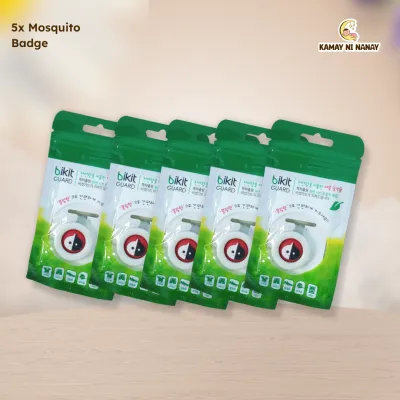
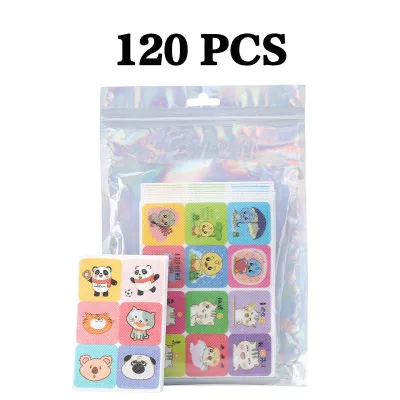
Wearable repellent devices, such as clip-on plastic cases, adhesive patches, and silicone bracelets infused with essential oils, have become highly popular in the Philippines. While these products appeal to parents because they avoid direct skin contact, they have notable limitations in efficacy and safety. Wearable patches only provide localized spatial protection, meaning they may deter mosquitoes from landing near the patch itself, but they leave the rest of the baby’s body, such as unprotected legs or arms, completely vulnerable to bites.
Furthermore, wearable devices present physical hazards for curious babies. Infants and toddlers explore their world by putting objects in their mouths, and an adhesive patch or clip-on device can easily be pulled off, presenting a serious choking hazard or leading to accidental ingestion of concentrated essential oils. The strong, concentrated scents emitted by these wearable items can also cause watery eyes, sneezing, or respiratory discomfort in sensitive infants. If you choose to use patches, place them on the back of the baby’s clothing where they cannot reach or see them, and always supervise them closely.
Safe Application and Daily Usage Rules
Applying mosquito repellent to a baby requires a methodical approach to minimize the risk of skin irritation and accidental ingestion. Always start by reading the product’s instruction label fully, paying close attention to the recommended age limits and application frequency. Wash your own hands thoroughly before applying the product to your baby. Apply a small, dime-sized amount of lotion to your palms, rub your hands together, and then gently smooth it over your baby’s exposed skin, focusing on areas like the ankles, wrists, and neck.
Never apply insect repellent to a baby’s hands or fingers. Infants constantly touch their faces, rub their eyes, and put their fingers in their mouths, which can easily transfer the repellent chemicals to their mucous membranes, causing severe stinging, chemical conjunctivitis, or accidental poisoning. Avoid applying repellent near the baby’s eyes, nose, and mouth. If you need to protect their face, apply a tiny amount of repellent to your own fingertips and carefully pat it onto their outer cheeks and forehead, staying far away from the eyes and mouth.
Do not apply repellent under clothing, as this can trap the chemicals against the skin, increasing absorption and the risk of irritation. Avoid applying the product over open wounds, cuts, scrapes, sunburns, or active skin rashes like heat rash or diaper dermatitis. If your baby develops any redness, swelling, or itching after application, stop using the product immediately, wash the skin thoroughly with mild soap and water, and consult your pediatrician.
In the hot and humid climate of the Philippines, babies sweat frequently, which can cause topical repellents to wash off or lose efficacy faster than expected. However, you should resist the urge to reapply the product more often than directed on the label, as over-application can lead to chemical buildup on the skin. Instead, monitor your baby’s exposure and wash the repellent off with soap and water as soon as you return indoors. Washing the skin ensures that active chemicals do not remain on your baby’s body overnight or during naps, reducing the cumulative exposure to the active ingredients.
If your baby needs both sunscreen and insect repellent for an outdoor excursion, avoid using combination products. Sunscreen must be reapplied generously every two hours, while insect repellent should be applied sparingly and much less frequently. Using a combination product risks over-applying the repellent active ingredients. Instead, purchase separate products and apply the sunscreen first. Allow the sunscreen to absorb completely into the skin for about 15 to 20 minutes before applying the insect repellent over it, ensuring both products can function effectively without interfering with each other.
Building a Comprehensive Dengue Season Defense Plan
While baby-safe repellents are an important tool, they should serve as your last line of defense rather than your sole method of protection. A comprehensive dengue defense plan begins with physical barriers that prevent mosquitoes from reaching your baby in the first place. When indoors, keep windows and doors closed unless they are fitted with intact, tear-free insect screens. For sleep and nap times, place a fine-mesh mosquito net, traditionally known as a kulambo in the Philippines, securely over your baby’s crib or playpen, ensuring the net is tucked in tightly and does not drape close enough to pose a suffocation hazard.
When going outdoors, dress your baby in protective clothing that covers as much skin as possible. Opt for lightweight, loose-fitting, long-sleeved shirts and long pants made of breathable, tightly woven fabrics like cotton. Loose clothing not only keeps your baby cool in the tropical heat but also makes it difficult for mosquitoes to bite through the fabric to reach the skin. If you are using a stroller or infant car seat, drape a fitted mosquito netting cover over the entire unit whenever you are outside, which provides excellent protection without requiring any topical chemicals.
Environmental control is equally vital in reducing the risk of dengue around your home. Aedes aegypti mosquitoes, which transmit the dengue virus, breed in clean, stagnant water and are highly active during daylight hours, particularly in the early morning and late afternoon. Regularly inspect your home and yard to eliminate standing water. Empty and scrub flowerpot saucers, pet water bowls, buckets, and clogged roof gutters at least once a week. If you store water in drums or containers, ensure they are tightly covered with lids or fine mesh to prevent mosquitoes from laying eggs.
Finally, parents must remain vigilant and learn to recognize the early warning signs of dengue fever, as prompt medical evaluation is critical for infants. Unlike adults, babies cannot articulate how they feel, and dengue symptoms in infants can mimic common childhood illnesses. Watch for a sudden high fever, unusual irritability, extreme lethargy, poor feeding, vomiting, or a pale pink skin rash. If your baby exhibits any of these signs during the rainy season, do not wait for symptoms to worsen; consult your pediatrician or visit the nearest healthcare facility immediately for proper evaluation and guidance.
Frequently Asked Questions (FAQ)
Can I use adult mosquito repellent on my baby if I apply a smaller amount?
No, you should never use adult-formulated mosquito repellents on babies, even in small amounts. Adult repellents often contain high concentrations of active ingredients, such as 30% or more of DEET, which are unsafe for an infant’s highly sensitive and absorptive skin. Diluting an adult product at home by mixing it with lotion is inaccurate, unsafe, and can result in uneven application or skin irritation. Always purchase products that are specifically formulated and labeled for your baby’s exact age group, and verify the active ingredient concentration on the packaging.
Are mosquito repellent patches safe for newborns?
Mosquito repellent patches are not recommended for newborns or very young infants. Although these patches do not touch the skin directly, they rely on highly concentrated essential oils, such as citronella or eucalyptus, to create a localized scent barrier. A newborn’s respiratory system is highly delicate, and inhaling these strong, concentrated vapors in close proximity can cause airway irritation, coughing, or breathing discomfort. Additionally, patches do not provide comprehensive body protection and present a serious choking hazard if the baby manages to pull them off and put them in their mouth.
Community discussion
Share your experience or ask a question. Comments are reviewed before publication.