
Caring for a baby’s skin in a tropical climate presents unique challenges, especially when dealing with frequent redness, dry patches, or sudden flare-ups. Finding the right bath and skincare products requires a careful approach that prioritizes barrier protection and minimizes exposure to known irritants. By understanding how to read ingredient labels, evaluate popular local options, and safely introduce new formulas, parents can help maintain their baby’s skin comfort.
Understanding Baby Rashes and Skincare Needs
Infant skin is significantly thinner and more delicate than adult skin, making it highly susceptible to environmental triggers and topical irritants. In the Philippines, the combination of high year-round humidity and elevated temperatures often leads to common issues like heat rash, locally known as bungang araw. This condition occurs when sweat ducts become clogged, resulting in tiny, itchy red bumps that can easily become inflamed if rubbed or treated with heavy, occlusive products.
Aside from heat rash, babies frequently experience dry patches, chafing from diapers, and contact irritation from clothing or skincare ingredients. While mild redness and temporary dryness are common, persistent scaling, intense itching, or oozing patches may point to underlying conditions like eczema or atopic dermatitis. Distinguishing between a simple reaction to heat and a chronic skin condition is crucial, as chronic issues require a formal medical diagnosis and a targeted treatment plan from a pediatrician.
Products mentioned in this guide
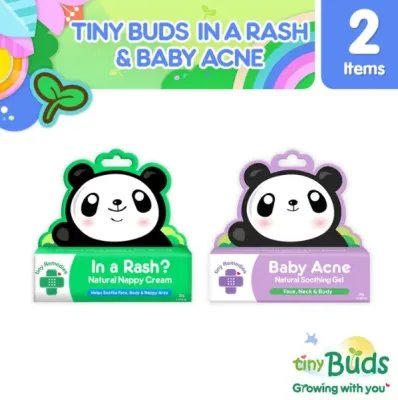
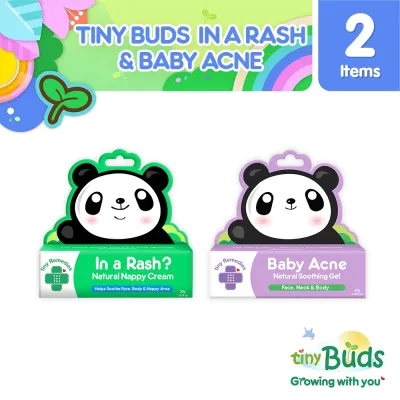
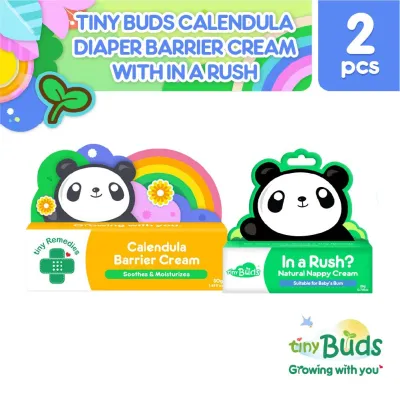
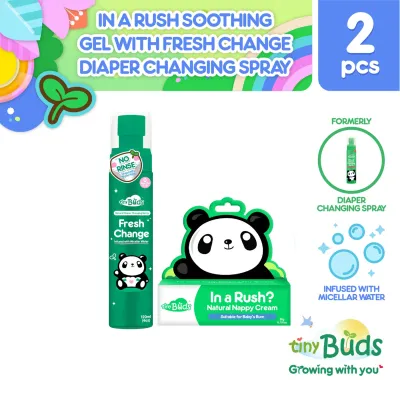
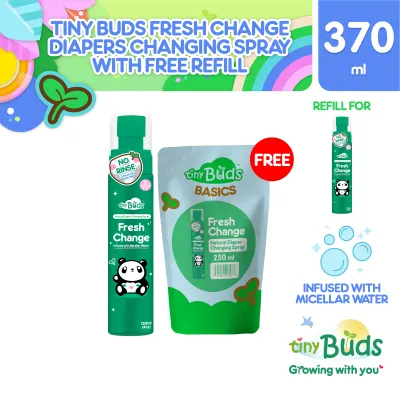
Prices are valid at publication and may change. Please refer to the product page for the latest price.
The local climate often prompts parents to bathe their babies multiple times a day to provide relief from the heat. However, frequent bathing with plain water or harsh soaps can strip away the natural lipids that form the protective skin barrier. When this barrier is compromised, moisture escapes rapidly, leaving the skin dry, vulnerable to allergens, and highly prone to rashes.
To support this delicate barrier, a proper skincare routine should focus on gentle cleansing and targeted hydration. Gentle cleansers remove sweat, dirt, and bacteria without disrupting the skin’s natural pH, while lightweight moisturizers lock in hydration without clogging pores. Balancing these two steps is key to keeping your baby’s skin resilient against the tropical heat and daily friction.
Key Ingredients to Look For and Avoid
Selecting the right skincare products starts with a close inspection of the ingredient list on the back of the packaging. Front-label claims such as “natural,” “organic,” or “gentle” are helpful starting points, but the actual ingredient deck provides the true picture of what goes onto your baby’s skin.

When managing rash-prone skin, look for ingredients known to support and soothe the skin barrier. Colloidal oatmeal is a highly regarded ingredient that helps calm itching, reduces redness, and forms a protective physical barrier over irritated areas. Ceramides are another crucial component, as they are lipids naturally found in the skin that help rebuild the moisture barrier and prevent water loss. Glycerin acts as a powerful humectant, drawing moisture from the air into the outer layers of the skin to keep it soft and hydrated.
Conversely, there are several common ingredients that parents of rash-prone babies should actively avoid. Artificial fragrances and perfumes are among the leading causes of allergic contact dermatitis in infants. Even products labeled “mildly scented” can contain complex chemical mixtures that trigger irritation on sensitive skin. Essential oils, while natural, can also be highly sensitizing and should be avoided during active rash flare-ups.
Harsh surfactants, such as Sodium Lauryl Sulfate (SLS) and Sodium Laureth Sulfate (SLES), should also be left off your shopping list. These foaming agents are highly effective at stripping oils, but they are far too aggressive for a baby’s delicate skin barrier. Additionally, certain preservatives, such as parabens or formaldehyde-releasing agents, can cause sensitization over time and are best avoided in favor of gentler, food-grade preservative systems.
To verify “hypoallergenic” or “dermatologist-tested” claims, cross-reference these labels with the ingredient list. A truly hypoallergenic product should feature a minimal ingredient list, free from added fragrances, dyes, and harsh sulfates. If a product claims to be dermatologist-tested but lists artificial perfumes or strong alcohols near the top of the ingredient deck, it may not be the safest choice for a baby currently experiencing skin irritation.
Evaluating Brands Like Tiny Buds for Rash-Prone Skin
In the Philippines, local brands like Tiny Buds have gained significant popularity among parents seeking gentle, plant-based alternatives for daily baby care. When evaluating these products for a baby prone to rashes, it is essential to apply the same rigorous ingredient checks rather than relying solely on brand reputation.
If you are considering a product to address a tiny buds rash concern or looking for a daily preventive routine, start by examining the specific product line. Tiny Buds offers various formulations, including body washes, lotions, soothing gels, and oils. For rash-prone skin, lightweight, water-based soothing gels or fragrance-free lotions are often more suitable than heavy oils, which can trap sweat and exacerbate heat rash in hot, humid weather.
Review the ingredient list of the specific product you intend to buy to ensure it aligns with your avoidance list. For instance, check if the formulation utilizes mild, coconut-derived cleansers instead of harsh sulfates, and verify that it is completely free from artificial colorants and synthetic fragrances. Many local formulations leverage natural extracts like aloe vera or calendula; ensure your baby does not have a known sensitivity to these specific botanical ingredients before application.
Pay close attention to the product’s pH balance, as a slightly acidic pH (around 5.5) matches the natural state of healthy baby skin and helps maintain the acid mantle. Look for explicit “fragrance-free” labels rather than “unscented,” as unscented products may still contain masking fragrances to cover up the chemical smell of raw ingredients.
Always check the packaging for official manufacturer warnings, age recommendations, and usage instructions. Some products are formulated specifically for newborns, while others are intended for babies six months and older. Additionally, ensure the product features clear batch numbers, manufacturing dates, and expiration dates, which are vital for tracking product freshness and safety. You can verify these details or seek clarification on specific ingredients through the brand’s official customer service channels or verified online stores.
How to Safely Test and Introduce New Skincare Products
Introducing a new bath or skincare product to a baby with sensitive or rash-prone skin requires a cautious, systematic approach. Even products with the cleanest ingredient lists can occasionally cause an adverse reaction in highly sensitive individuals.
Before applying any new product to your baby’s body or face, perform a standard patch test. Apply a small, pea-sized amount of the product to a clean, clear area of the baby’s skin where they cannot easily rub or lick it off, such as the inner forearm or behind the ear. Leave the product on for 24 to 48 hours, keeping the area dry and observing it closely.
During the patch test period, monitor the application site for any visual signs of irritation. These signs include localized redness, swelling, tiny raised bumps, dry patches, or signs of discomfort such as scratching or fussing when the area is touched. If any of these reactions occur, wash the area immediately with cool water, discontinue use of the product, and do not apply it again.
If you are transitioning from an old product to a new one, do so gradually rather than making an abrupt switch. For example, you can start by using the new body wash on just the baby’s legs for a few days while continuing with the familiar product on the rest of the body. This gradual introduction allows you to isolate any potential delayed reactions before committing to full-body use.
Most importantly, introduce only one new skincare product at a time. If you introduce a new bath wash, lotion, and laundry detergent all in the same week, it will be virtually impossible to identify which product caused a reaction if a rash suddenly develops. Space out new introductions by at least one to two weeks to ensure your baby’s skin has fully adapted to each new item.
When to Stop Using a Product and Consult a Pediatrician
While finding the right skincare routine involves some trial and error, parents must establish clear safety boundaries to protect their baby’s health. Knowing when to stop using a product immediately can prevent a mild irritation from turning into a severe skin infection.
Immediate stop-use triggers include any sudden worsening of skin redness, visible swelling, blistering, oozing, or cracking of the skin. If your baby exhibits signs of intense discomfort, such as persistent crying, difficulty sleeping, or constant scratching at the affected area, discontinue all topical products immediately. Wash the skin gently with plain, lukewarm water to remove any remaining product residue.
It is important to distinguish between a mild, temporary reaction and a persistent rash that requires professional medical assessment. A mild reaction, such as slight redness that fades within a few hours of removing the product, can often be managed by reverting to a basic, water-only routine. However, a rash that spreads, becomes warm to the touch, develops yellow crusting, or is accompanied by a fever requires immediate medical attention.
To assist your pediatrician in making an accurate diagnosis, keep a simple symptom and product diary. Note down the exact dates you introduced new products, the specific brands and formulations used, how often they were applied, and when the visual symptoms first appeared. Taking clear, well-lit photos of the rash at different stages can also provide invaluable context for your healthcare provider during your consultation.
Frequently Asked Questions (FAQ)
Can I use adult hypoallergenic skincare for my baby's rash?
It is highly recommended to avoid using adult skincare products on infants, even if those products are labeled as hypoallergenic or gentle. Baby skin is structurally different from adult skin; it is thinner, loses moisture much faster, and has a less developed barrier that absorbs topical substances more readily. Adult formulations, even gentle ones, often contain higher concentrations of active ingredients, preservatives, or penetration enhancers that can easily overwhelm a baby’s delicate system and trigger severe irritation. Always choose products specifically formulated and tested for pediatric use.
How often should I bathe a baby with dry or rash-prone skin?
For babies with dry or rash-prone skin, daily baths may not always be necessary and can sometimes worsen dryness by stripping away essential natural oils. In a hot and humid climate like the Philippines, a quick daily bath using lukewarm water and a very mild, soap-free cleanser is often sufficient to remove sweat and prevent heat rash. Keep bath times short—ideally under five to ten minutes—and avoid scrubbing the skin. Always consult your pediatrician to establish a bathing schedule tailored to your baby’s specific skin condition and developmental stage.

Community discussion
Share your experience or ask a question. Comments are reviewed before publication.