
Choosing the right insulated mommy bag is one of the most practical decisions you will make as a parent. A high-quality bag does more than just hold diapers; it serves as a mobile feeding station, a personal organizer, and a protective shield for your baby’s milk and snacks. To find the perfect match, you must evaluate three primary pillars: thermal retention, organizational capacity, and material safety. The ideal bag should align with your baby’s age, feeding method, and your typical outing duration. For instance, parents of newborns who formula-feed require different storage configurations than parents of toddlers who need space for solid food containers and water bottles. Standard models often provide basic single-layer insulation and simple pocket layouts, while premium options offer multi-layered thermal barriers, structured compartments, and advanced ergonomic support. By understanding these distinctions, you can select a bag that keeps your essentials safe, organized, and easily accessible during every trip.
Insulation Performance and Temperature Control
When evaluating an insulated mommy bag, understanding the technology behind temperature control is essential. Passive insulation relies on trapping air and reflecting heat, which means the bag’s internal structure directly dictates its performance. Most standard bags utilize a basic aluminum foil lining, which offers moderate thermal reflection but can degrade over time. High-performance models typically feature multi-layered insulation, combining an outer water-resistant fabric, a thick middle layer of polyethylene foam (EPE foam) for structural padding and thermal resistance, and an inner lining made of food-grade Polyethylene Vinyl Acetate (PEVA). You can verify these material layers by carefully reading the manufacturer’s technical specifications before purchasing.
To gauge how long a bag can maintain temperatures, look for stated thermal retention durations on product labels. Manufacturers often specify these durations based on controlled testing environments, which may not perfectly match daily use. Real-world performance depends heavily on preparation, such as pre-chilling the compartment or using dedicated gel ice packs. If you plan to store breast milk or warm formula, remember that passive insulation does not generate cold or heat; it merely slows down temperature transfer.
Products mentioned in this guide
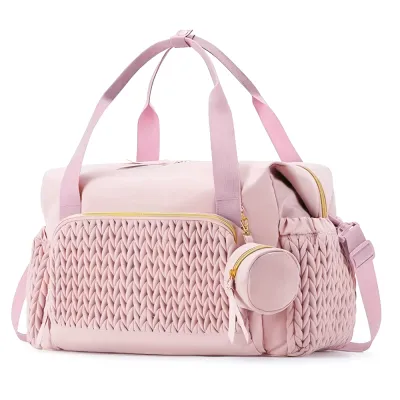
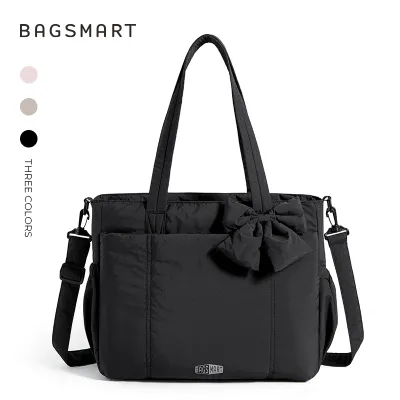
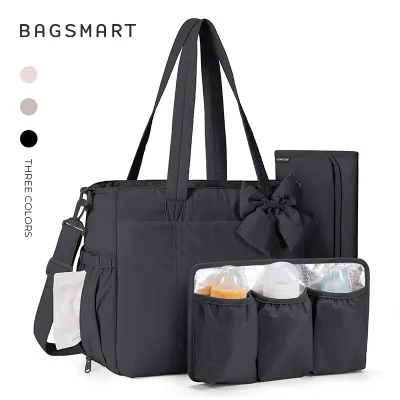
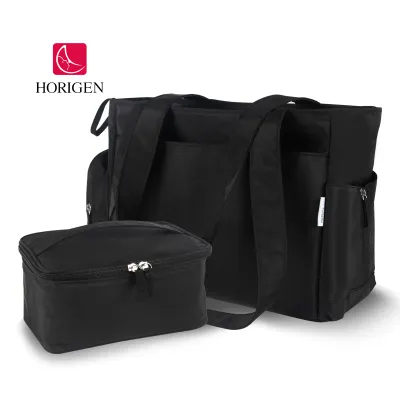
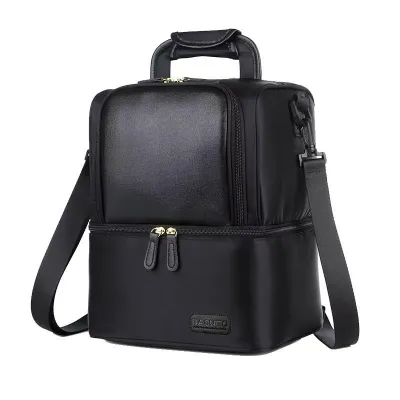
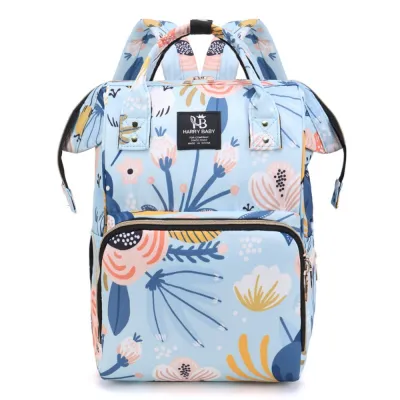
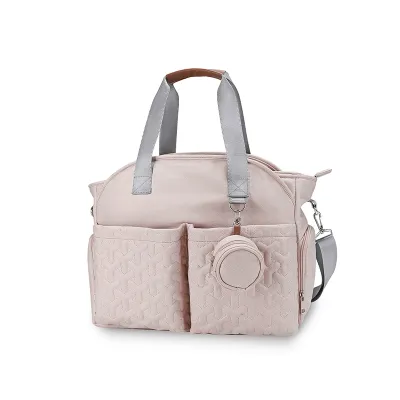
Prices are valid at publication and may change. Please refer to the product page for the latest price.
In warm and humid tropical climates, such as in the Philippines, ambient heat accelerates temperature transfer significantly. A bag that claims to keep items cool for several hours in a temperate climate may experience a much shorter effective window under direct tropical sunlight. For safety, always prioritize keeping milk cold rather than lukewarm, as warm environments encourage rapid bacterial growth. If you need to transport warm water for formula preparation, verify the thermal limits of the bag’s pockets to ensure they can withstand the heat without warping or releasing chemical odors.
Compartment Layout and Internal Storage Strategy
An organized mommy bag prevents the chaotic searching that often occurs during a diaper emergency or a sudden feeding cue. A well-designed layout separates items into distinct functional zones. Dedicated insulated bottle pockets are a must-have, preferably located in an easily accessible front compartment. You should also look for designated wet-dry sections lined with waterproof materials to isolate soiled clothes, damp washcloths, or used bibs from clean items. Furthermore, a secure, separate pocket for parental personal belongings, such as keys, phones, and wallets, ensures you do not have to carry a secondary handbag.

When choosing a bag, you will encounter two main structural designs: wide-opening main compartments and multi-pocket zippered systems. Wide-opening designs, often reinforced with metal frames at the zipper line, stay open on their own, allowing you to see the entire contents of the bag at a glance. This is highly beneficial when you need to grab large items quickly. Conversely, bags with numerous small, external zippered pockets excel at keeping small items like pacifiers, hand sanitizers, and nursing pads organized, though they can sometimes feel bulky when fully packed.
To determine which layout suits you best, map out your typical diaper change and feeding routine. A successful layout prevents cross-contamination by keeping feeding gear entirely separate from diapering supplies. For example, your diapering kit—including diapers, wipes, and changing mats—should occupy a dedicated section that you can access without disturbing the sterile bottle zone. This separation not only maintains hygiene but also prevents accidental liquid spills from ruining clean diapers or clothing.
Material Quality, Durability, and Easy Cleaning
The daily life of a mommy bag involves exposure to outdoor dirt, concrete surfaces, public restroom changing tables, and frequent liquid spills. Therefore, the exterior fabric must be exceptionally durable. Look for high-density fabrics such as Oxford cloth, nylon, or polyester with a water-resistant coating. These materials resist tearing and prevent light rain or accidental splashes from soaking through to the interior. A quick wipe with a damp cloth should be sufficient to clean the exterior after a day out.
Inside the bag, the lining material requires even closer inspection. Because this area comes into direct contact with baby bottles, teething toys, and snacks, the lining must be food-safe, non-toxic, and free from harmful chemicals like BPA, phthalates, and lead. PEVA and high-quality aluminum foil linings are preferred because they are non-porous, making them highly resistant to odors and mold growth. A leak-proof, heat-sealed seam construction is also vital; it ensures that if a bottle leaks, the liquid remains contained within that single compartment rather than seeping into the rest of the bag.
Do not overlook the quality of the hardware, as zippers and clasps are often the first points of failure. Inspect product close-ups on e-commerce platforms to check for heavy-duty metal zippers, reinforced double-stitching at high-stress points like strap attachments, and sturdy plastic or metal buckles. Reading user reviews specifically for feedback on zipper smoothness and strap durability can save you from purchasing a bag that breaks after only a few weeks of heavy use.
Carrying Comfort and Versatile Design
Carrying a fully packed mommy bag along with a baby can quickly cause physical strain if the bag lacks ergonomic support. Backpack-style bags are highly popular because they distribute weight evenly across both shoulders, leaving your hands completely free to hold your baby or push a stroller. Tote bags and crossbody designs offer quick access to items while walking, but they can cause shoulder and neck strain if carried on one side for extended periods. Many modern bags offer convertible designs, allowing you to switch between backpack straps and a shoulder strap depending on the situation.
When reviewing product specifications, look for features that enhance carrying comfort. Wide, S-shaped shoulder straps with thick foam padding help prevent the straps from digging into your shoulders. A breathable mesh back panel is another crucial feature, especially in hot climates, as it promotes airflow and reduces sweat buildup against your back. Additionally, check if the bag includes chest straps to help stabilize the load and keep the shoulder straps from slipping.
Versatility also extends to how the bag integrates with your stroller. Many insulated mommy bags come equipped with integrated stroller straps or detachable hooks. Before purchasing, verify that these attachment mechanisms are secure and compatible with standard stroller handles. Always exercise caution when hanging a heavy bag on a stroller handlebar, as excessive weight can cause the stroller to tip backward, posing a safety hazard to your child.
Building Your Shortlist: What to Check on Product Labels
To narrow down your options on online marketplaces, start by using specific search terms that target your exact needs, such as “multi-layer insulated diaper backpack” or “waterproof mommy bag with PEVA lining.” Filter your search results by focusing on detailed product descriptions rather than lifestyle images. Create a shortlist of three to five bags that meet your size, style, and budget requirements, which typically range from budget-friendly options around ₱1,500 to premium models exceeding ₱5,000.
When examining product labels and descriptions, watch out for common red flags. Vague material descriptions, such as simply listing “synthetic lining” without specifying if it is food-safe or BPA-free, should prompt caution. Be skeptical of unrealistic thermal promises, such as claims of keeping bottles hot for twenty-four hours without active heating elements. A lack of clear information regarding warranty terms or return policies can also indicate lower product standards.
Finally, cross-reference the manufacturer’s claims with real-world user feedback. Look for reviews that mention how the bag performs after several months of use, how easy it is to clean after a major milk spill, and whether the insulation actually keeps items cool during outdoor trips. Pay close attention to reviews written by parents living in warm, humid regions, as their experiences will give you the most accurate representation of how the bag will perform in your daily life.
Frequently Asked Questions (FAQ)
Can I put boiling water directly into the insulated bottle pockets?
No, you should never pour boiling water directly into the insulated pockets of a mommy bag. The inner linings, whether made of PEVA or aluminum foil, are designed to resist moderate temperatures but can melt, warp, or degrade when exposed to boiling liquids. Furthermore, storing uncontained boiling water inside a soft bag poses a severe burn risk to both you and your baby if the bag is squeezed or tipped over. Always check the manufacturer’s guidelines for the maximum temperature threshold of the insulated compartments. To transport hot water safely, use a sealed, double-walled stainless steel thermal flask placed securely inside the pocket.
How do I clean the insulated lining if milk spills inside?
If milk spills inside the insulated compartment, clean it immediately to prevent sour odors, mold, and bacterial growth. Start by blotting up the excess liquid with a clean cloth or paper towel. Next, wipe the lining thoroughly with a soft cloth dampened in warm, soapy water using a mild dish detergent. Avoid using harsh chemical cleaners, bleach, or abrasive scrubbing brushes, as these can damage the waterproof coating or tear the delicate insulation layer. Always refer to the care label inside the bag to verify if any parts are machine washable, though most manufacturers recommend spot cleaning and air-drying the bag completely in a well-ventilated area before closing it.

Community discussion
Share your experience or ask a question. Comments are reviewed before publication.