
Selecting the right milk powder container in the Philippines requires prioritizing a true airtight seal that can withstand high relative humidity. Tropical air carries constant moisture that can quickly degrade dry formula, making a dedicated container with a robust silicone gasket and secure locking mechanism essential for preserving freshness. When formula is exposed to humid air, it quickly loses its free-flowing texture, leading to clumping and potential spoilage. By understanding how different materials and sealing technologies perform in tropical climates, caregivers can make an informed choice that protects their investment and ensures their baby’s food remains dry and safe.
Why High Humidity Changes Your Formula Storage Needs
Infant formula is highly hygroscopic, meaning its physical structure naturally attracts and binds water molecules from the surrounding environment. In the Philippines, where relative humidity levels routinely exceed 80 percent, the ambient air is saturated with water vapor. The moment you open a package of formula, it begins absorbing this moisture from the air. This process happens rapidly, especially in non-air-conditioned kitchens or dining areas where tropical air circulates freely.
Recognizing the early signs of moisture damage is crucial for maintaining food safety. The most common indicator is clumping, where the once-fine powder binds into sticky or hard lumps that do not easily break apart. You may also observe a subtle darkening of the powder’s color, shifting from a pale cream to a duller, yellowish hue. In advanced stages of moisture exposure, the formula can develop a stale, flat, or slightly rancid odor, indicating that the fats and nutrients have begun to oxidize.
Products mentioned in this guide
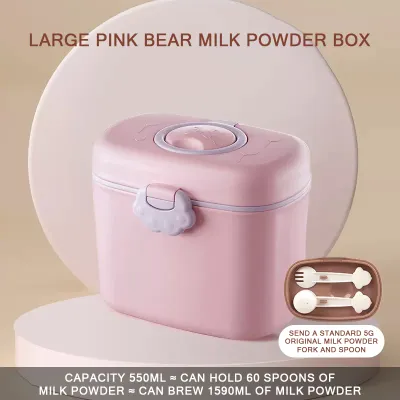
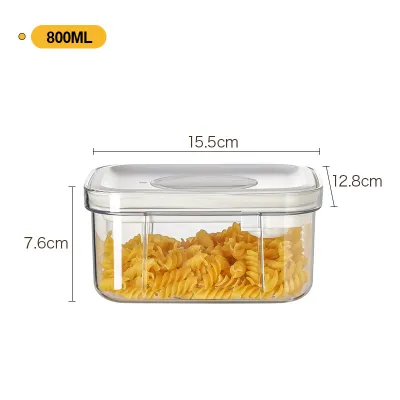
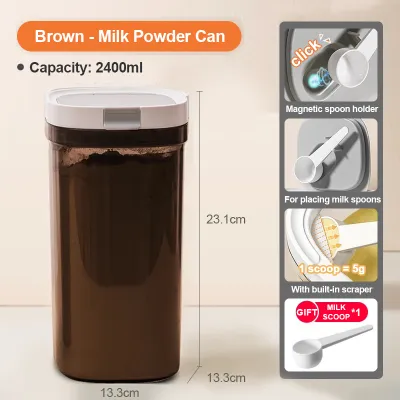
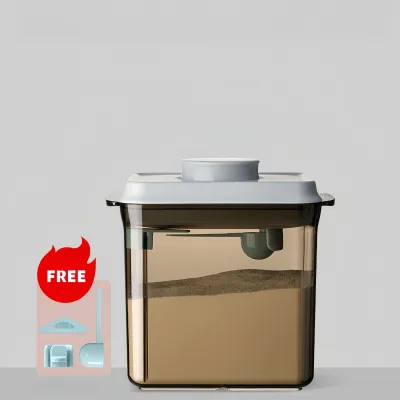
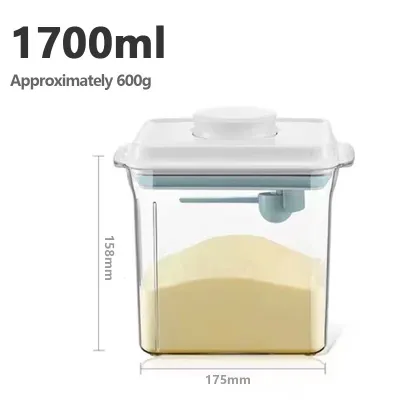
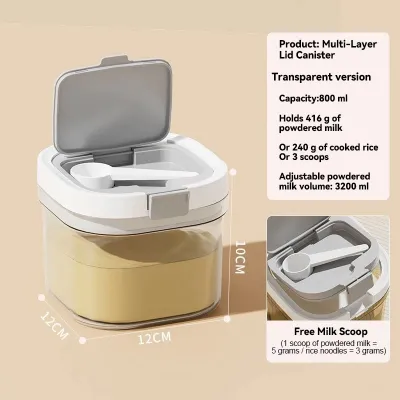
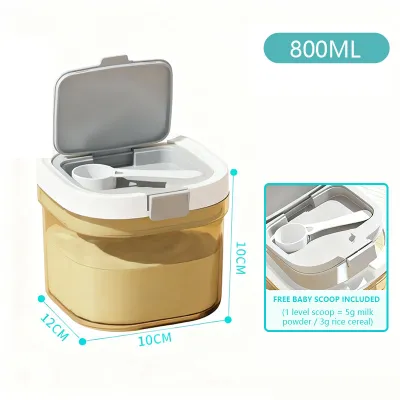
Prices are valid at publication and may change. Please refer to the product page for the latest price.
Many parents rely on the original tin packaging or the thin foil pouches that formula is sold in, assuming these containers are designed for long-term storage. While factory-sealed tins provide an excellent barrier, their protective capability drops significantly once the metal lid is pried open. The standard flexible plastic caps provided with these tins are designed for basic dust protection rather than a hermetic seal. They allow humid air to seep in continuously, exposing the remaining powder to moisture every hour it sits on your pantry shelf.
Essential Features for an Airtight Milk Powder Container
To combat tropical humidity, the primary feature to evaluate is the sealing technology. Basic plastic friction lids rely on a tight fit between two hard plastic surfaces, which inevitably warp or degrade over time. Instead, prioritize containers equipped with a thick, food-grade silicone sealing ring. Silicone is highly elastic and conforms to the microscopic irregularities of the container’s rim, creating a continuous, airtight barrier that blocks water vapor.

The locking mechanism is what maintains the necessary pressure on the silicone seal. Multi-point snap-locks, typically featuring four latches on the sides of the lid, distribute downward force evenly across the entire gasket. Another popular option is the one-touch button lid, which uses an internal spring mechanism to expand the silicone ring outward against the container walls when pressed. Screw-top designs can also be highly effective, provided they feature deep, precise threads and an integrated silicone gasket that compresses fully when tightened.
Specialized features can further enhance moisture protection in humid environments. Some advanced containers feature a dedicated compartment built into the underside of the lid designed to hold a food-safe desiccant packet. This packet actively absorbs any ambient moisture that slips into the container during daily opening. Additionally, look for designs with an integrated scoop holder or hanger. Keeping the scoop suspended away from the powder prevents moisture and natural oils from your hands from transferring back into the formula supply.
The choice between transparent and opaque container bodies involves a clear trade-off. Transparent containers, made from clear plastic or glass, allow you to monitor the remaining powder level at a glance without opening the lid. However, exposure to light can degrade certain sensitive vitamins in the formula. Opaque or UV-blocking tinted materials offer superior nutrient protection but require you to open the container or rely on external measurement markings to check the volume. If you choose a transparent container, it must be stored inside a dark cupboard to mitigate light exposure.
Comparing Container Materials for Tropical Climates
Food-grade plastics are the most common and lightweight option available on the market. When evaluating plastic containers, always verify that the product is explicitly labeled as BPA-free to ensure chemical safety. While high-quality plastics like polypropylene or Tritan are highly durable and impact-resistant, they are susceptible to micro-scratches over time. These tiny abrasions, often caused by rough cleaning brushes or the hard edges of the scoop, can trap moisture, powder residue, and bacteria, making thorough cleaning more difficult as the container ages.
Glass containers offer an impermeable barrier to both air and moisture, ensuring that no external odors or humidity can penetrate the container walls. Glass is also highly hygienic, non-porous, and capable of withstanding high-temperature sterilization in boiling water or steam sterilizers without warping or degrading. The primary drawback of glass is its weight and fragility. In a busy kitchen, a dropped glass container can shatter instantly, creating a safety hazard and wasting expensive formula.
Stainless steel containers provide a highly durable, puncture-proof, and completely light-blocking alternative. Food-grade stainless steel, such as 304 or 18/8 grade, does not scratch easily, does not absorb odors, and is highly resistant to corrosion. However, because metal-on-metal contact cannot create an airtight seal, you must carefully inspect the lid assembly. Ensure the stainless steel container features a high-quality plastic or silicone lid that seals tightly, as the durability of the steel is useless if the lid allows humid air to bypass the seal.
Best Practices for Storing and Handling Formula in Humid Weather
Creating the ideal storage environment is just as important as choosing the right container. Store your milk powder container in a cool, dry, and dark pantry or cabinet. Avoid placing it near heat-generating appliances such as stoves, ovens, rice cookers, or bottle sterilizers, as elevated temperatures accelerate the degradation of the formula. Keep the container away from sinks and dishwashing areas where water splashes and steam can compromise the seal during preparation.
A common mistake in tropical climates is storing opened formula in the refrigerator to keep it cool. While this seems logical, the rapid temperature transition when you bring a cold container out into a warm, humid kitchen causes immediate condensation. Water droplets will form on the cold interior walls of the container and directly on the powder, leading to rapid clumping and creating an environment ripe for mold and bacterial growth. Always store dry formula at room temperature.
Proper hygiene and maintenance of the container are essential to prevent trapped moisture. Every time you empty a container, wash all components thoroughly with mild dish soap and warm water. Disassemble the silicone sealing ring from the lid, as powder residue frequently accumulates in the grooves. Allow every part to air-dry completely on a clean rack in a well-ventilated area before refilling. Even a single droplet of trapped water can ruin an entire batch of fresh powder.
Always check the manufacturer’s expiration date on the original packaging before transferring the powder to your airtight container. It is helpful to write the opening date and the original expiration date on a removable label on the outside of the container. If you observe any persistent clumping that does not break apart with a gentle shake, a change in color, or an unusual odor, discard the formula immediately. When in doubt about the safety or quality of the formula, consult a healthcare professional or the manufacturer’s customer service line.
Frequently Asked Questions (FAQ)
Can I store milk powder in the refrigerator to keep it fresh?
No, storing dry milk powder in the refrigerator is highly discouraged. When a cold container is brought into a warm, humid kitchen, moisture from the air instantly condenses on the cold surfaces. This condensation introduces localized moisture directly into the powder, leading to rapid clumping, mold growth, and bacterial contamination. Instead, keep the container in a dry, room-temperature cabinet away from direct sunlight and heat sources.
How often should I wash and replace the silicone sealing ring?
You should wash the silicone sealing ring every time you empty the container before refilling it with a new batch of formula. Remove the ring completely from the lid to wash away any trapped powder residue, which can attract moisture and mold. Inspect the silicone ring regularly for signs of wear. If you notice stretching, tearing, cracking, or a loss of elasticity—meaning the lid no longer fits snugly or requires less effort to close—it is time to replace the seal or the entire container to maintain an airtight barrier.
Community discussion
Share your experience or ask a question. Comments are reviewed before publication.