
Finding the right aloe vera wipes for sensitive skin in the Philippines requires a careful balance of ingredient analysis, material evaluation, and practical testing. While many products prominently display soothing aloe vera on their packaging, the actual formulations can vary widely, sometimes containing hidden irritants that trigger redness or flare-ups. For individuals with sensitive skin or parents caring for infants, navigating these choices means looking beyond attractive marketing claims to understand what truly goes onto the skin.
By establishing a systematic approach to selecting wet wipes, you can protect the skin barrier from unnecessary friction and chemical exposure. This guide provides a comprehensive framework to help you evaluate ingredients, assess wipe materials, read product labels critically, and build a safe shortlist of products suitable for the unique tropical climate of the Philippines.
Understanding Sensitive Skin Needs in Wipes
Sensitive skin requires specialized care because its natural outer barrier is often compromised, making it highly reactive to external triggers. When choosing wet wipes, it is essential to distinguish between the needs of adult sensitive skin and baby sensitive skin. Infant skin is up to thirty percent thinner than adult skin, meaning it absorbs topical substances much faster and loses moisture more rapidly. Consequently, baby wipes must meet exceptionally strict safety standards, whereas adult sensitive skin, though more resilient, still requires formulations that avoid stripping natural lipids.
Products mentioned in this guide
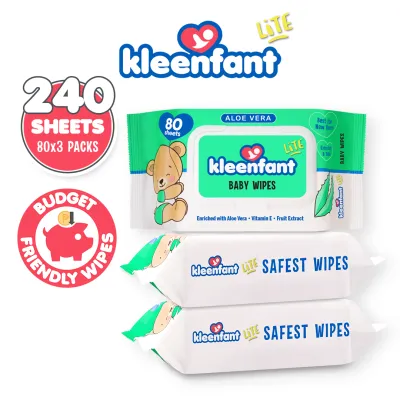
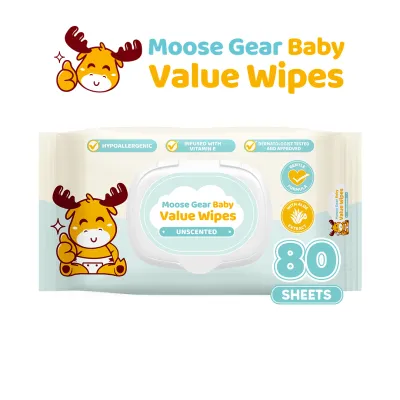
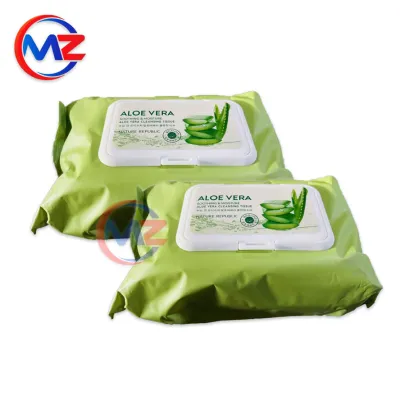
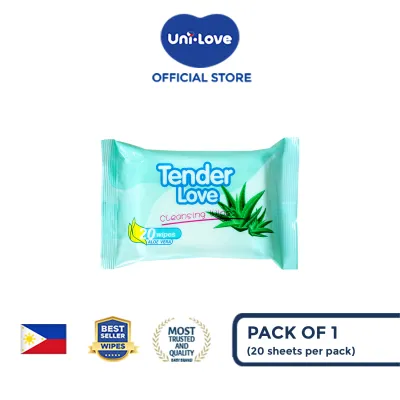
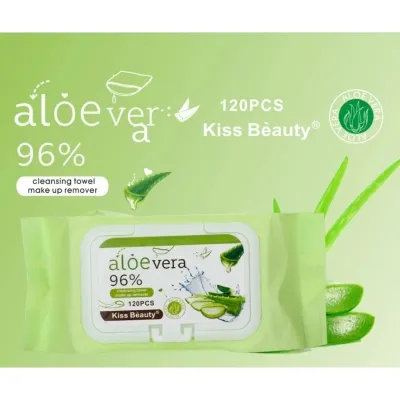
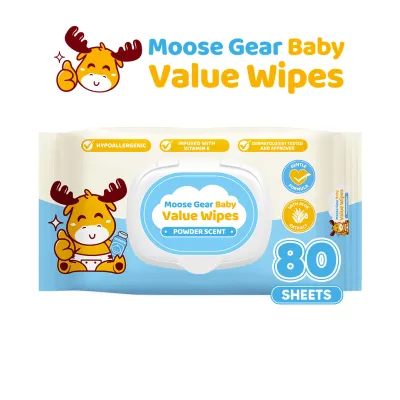
Prices are valid at publication and may change. Please refer to the product page for the latest price.
The tropical climate of the Philippines introduces unique environmental challenges that directly affect skin barrier function. High temperatures and intense humidity lead to increased sweating and sebum production, which can trap dust, bacteria, and friction-induced heat against the skin. Under these conditions, the skin is already prone to heat rashes, chafing, and localized inflammation. Using a wipe with harsh chemical additives or rough fibers on sweat-sensitized skin can quickly exacerbate these issues, turning a simple cleansing routine into a source of painful irritation.
Recognizing the early signs of skin irritation is crucial for preventing long-term damage or secondary infections. If a wipe product is incompatible with your skin, you may observe immediate or delayed redness, localized swelling, dry or flaky patches, or a persistent burning and stinging sensation during use. In babies, this often manifests as a sudden worsening of diaper rash or unexplained fussiness during diaper changes. If any of these signs occur, you should stop using the product immediately, wash the area with clean water, and consult a qualified dermatologist or pediatrician.
Key Ingredients to Look For and Avoid
The presence of aloe vera on a product label does not guarantee a soothing experience, as the quality and concentration of the ingredient matter immensely. Genuine aloe vera extract (Aloe barbadensis leaf juice) is highly valued for its natural humectant properties, helping to bind moisture to the skin while delivering cooling relief to irritated areas. However, some manufacturers use synthetic aloe fragrances or highly diluted powders that offer no therapeutic benefit while introducing potential sensitizers. To ensure you are getting the real benefits of the plant, check the ingredient list to confirm that actual aloe vera extract or juice is positioned near the top or middle of the list, rather than at the very end.

In addition to high-quality aloe vera, look for supportive, skin-identical, or highly gentle botanical ingredients that enhance the soothing effect. Chamomile extract (Matricaria recutita) is an excellent companion ingredient known for its calming properties, making it ideal for reducing redness. Vitamin E (tocopherol) is another beneficial additive that serves as an antioxidant, helping to protect skin cells from environmental stress and supporting the natural healing process of the skin barrier. The primary ingredient in any high-quality wipe should always be purified, deionized, or ultra-filtered water, which provides a clean, neutral base that minimizes the risk of chemical reactions.
Equally important is knowing which common irritants to actively avoid when scanning the ingredient deck. Drying alcohols, such as isopropyl alcohol or alcohol denat, should be completely avoided as they strip away the skin’s protective oils, leading to severe dryness and micro-cracking. Preservatives like parabens (including methylparaben and propylparaben) and phenoxyethanol are known contact allergens that can easily trigger dermatitis on compromised skin. Furthermore, synthetic fragrances, essential oils (such as lavender, eucalyptus, or citrus oils), and harsh surfactants like sodium lauryl sulfate (SLS) should be avoided, as they serve no cleansing purpose in a wipe and frequently cause allergic reactions.
Evaluating Wipe Material and Texture
The physical properties of the wipe cloth play a significant role in how gentle the product is on sensitive skin. Wipes are generally made from either plant-based fibers or synthetic plastic blends, and this composition directly affects skin friction. Plant-based fibers, such as bamboo, organic cotton, or wood pulp (rayon/viscose), are highly recommended for sensitive skin because they are naturally softer, more breathable, and hold moisture exceptionally well. In contrast, synthetic blends containing polyester or polypropylene can feel rough against the skin, trap heat, and cause mechanical micro-abrasions when rubbed repeatedly over delicate areas.
Texture is another critical factor to consider based on your specific cleansing needs. Smooth, flat-weave wipes are highly suitable for facial cleansing or wiping highly sensitive, inflamed areas because they minimize friction and glide easily across the skin. Textured or embossed wipes, which feature raised patterns or pockets, are designed to lift away heavier messes efficiently with fewer passes. While textured wipes are highly practical for diaper changes, they must be used with a very light touch to prevent the raised fibers from causing physical irritation on delicate skin.
Moisture retention is the final physical attribute to evaluate, as dry wipes require more physical pressure to clean effectively. High-quality wipes are engineered to distribute and retain liquid evenly throughout the entire stack, ensuring that the top sheet is just as wet as the bottom one. If a wipe dries out too quickly during use, the resulting friction can disrupt the skin’s outer lipid layer, leading to immediate redness and irritation. Selecting packaging with robust sealing mechanisms helps maintain this essential moisture balance over time.
How to Read Labels and Verify Safety Claims
Navigating the marketing claims on the front of a wipe package requires a critical and informed eye. Terms like “hypoallergenic” and “dermatologically tested” are frequently used by manufacturers to imply safety, but these terms are not standardized by global medical authorities. “Hypoallergenic” simply means the product is formulated with ingredients that are less likely to cause allergic reactions, while “dermatologically tested” indicates that a dermatologist supervised a basic patch test on a small group of healthy volunteers. These claims do not guarantee that the product is completely safe for your unique skin profile, making it essential to verify the actual ingredient list on the back.
To protect your skin, make it a habit to locate and read the full ingredient list, which is typically printed in small type on the back or side of the packaging. Legitimate, high-quality brands will always list their ingredients using standard International Nomenclature of Cosmetic Ingredients (INCI) names. If a product only lists “active ingredients” or fails to provide a complete list, this is a major red flag, and the product should be avoided. Additionally, look for clear manufacturer contact details, batch numbers, and manufacturing or expiration dates, which indicate a transparent and accountable production process.
You can further verify the safety and legitimacy of wipes sold in the Philippines by checking their registration status. The Food and Drug Administration (FDA) of the Philippines maintains an online verification portal where consumers can search for registered cosmetic products and household child care items. Purchasing wipes that are officially notified with the FDA ensures that the product has undergone basic safety screenings and does not contain banned or restricted substances. Avoid buying unbranded, extremely cheap wipes from unauthorized sellers on online marketplaces, as these products often bypass regulatory checks and may contain harmful contaminants.
Building Your Shortlist: A Step-by-Step Selection Checklist
To simplify your purchasing decisions, you can establish a practical checklist to evaluate aloe vera wipes before they ever touch your skin. Begin with a physical inspection of the packaging in the store or upon delivery from an online marketplace. Ensure that the resealable plastic lid snaps shut tightly or that the adhesive seal peels back and reseals firmly without leaving gaps. Any compromise in the packaging seal can allow moisture to escape and expose the wipes to airborne mold, bacteria, and dust, which can quickly ruin the formulation and irritate sensitive skin.
Once you have purchased a new pack of wipes, always perform a standard patch test before using them on larger areas of the body or face. Gently wipe a small, clean patch of skin on your inner forearm or the side of your neck, and allow the liquid to dry naturally. Monitor this specific area for 24 to 48 hours, looking for any signs of redness, itching, swelling, or tiny bumps. If your skin remains clear and comfortable, the product is likely safe for regular use; however, if any reaction occurs, discard the product or repurpose it for non-skin cleaning tasks.
Finally, consider the practical aspects of cost and volume when building your routine. Calculate the cost per wipe by dividing the total price in ₱ by the number of individual sheets in the package. While buying bulk packs or multi-packs online often provides a lower cost per sheet, it is highly recommended to purchase a single, smaller travel pack first when testing a new brand. This approach prevents financial waste if the formulation ultimately proves incompatible with your skin, allowing you to invest in larger, more economical quantities only after safety has been fully verified.
Frequently Asked Questions (FAQ)
Can aloe vera wipes be used on the face and body daily?
Yes, but daily use should be approached with caution depending on the specific area of the body. Facial skin is significantly thinner and more sensitive than the skin on your limbs, making it more vulnerable to irritation from the mild surfactants and preservatives found in wet wipes. While daily use on the body is generally well-tolerated, using wipes on your face every day as a replacement for water and a gentle cleanser can eventually strip natural oils and lead to localized dryness. If you experience persistent redness, flaking, or irritation, stop using the wipes immediately and consult a dermatologist.
How should I store wipes to prevent them from drying out in humid climates?
To maintain optimal moisture and prevent bacterial contamination in the warm, humid climate of the Philippines, store your wipe packs in a cool, dry place away from direct sunlight and heat sources. High temperatures can degrade the mild preservatives in the wipes and accelerate moisture evaporation, leading to dry, abrasive sheets. Always ensure the plastic lid is snapped completely shut or the adhesive seal is pressed down firmly after every single use. If you notice that a pack has dried out, developed an unusual sour odor, or shows any discoloration, discard it immediately to avoid applying bacteria to your skin.
Are flushable aloe vera wipes safe for local plumbing systems?
No, flushable wipes are generally not safe for local plumbing and sewage systems. Despite marketing claims that suggest they disintegrate, most wipes are made of sturdy fibers that do not break down rapidly like toilet paper. In the Philippines, where municipal sewage systems and household septic tanks are often highly sensitive to blockages, flushing these products can lead to severe pipe clogs, septic backups, and environmental pollution. To protect your plumbing and the local environment, always dispose of used wipes in a designated trash bin rather than flushing them down the toilet.

Community discussion
Share your experience or ask a question. Comments are reviewed before publication.