
Selecting the right breast pump is one of the most significant decisions you will make during your breastfeeding journey. For many mothers, traditional plug-in pumps with dangling tubes and heavy motors can feel restrictive, limiting your ability to move around, care for your baby, or manage daily tasks. Wearable electric breast pumps have transformed this experience by integrating the motor, power source, and milk collection cup into a single, compact unit that slips directly into your nursing bra. This hands-free design allows you to express milk discreetly while working, commuting, or relaxing.
However, because wearable pumps rely on compact technology, finding the perfect match requires a clear understanding of your specific physical needs and daily routine. Not all wearable pumps are created equal, and factors such as flange fit, suction patterns, battery life, and ease of cleaning will directly impact your comfort and milk output. By evaluating these technical specifications and matching them to your lifestyle, you can select a pump that supports your lactation goals without causing physical discomfort or unnecessary stress.
Before making a purchase, it is essential to look beyond aesthetic designs and marketing claims. A successful pumping experience relies on how well the device mimics your baby’s natural nursing patterns and how comfortably it fits your body. Taking the time to analyze the key features, maintenance requirements, and safety standards of various models will ensure that your investment truly serves your needs as a parent.
Products mentioned in this guide
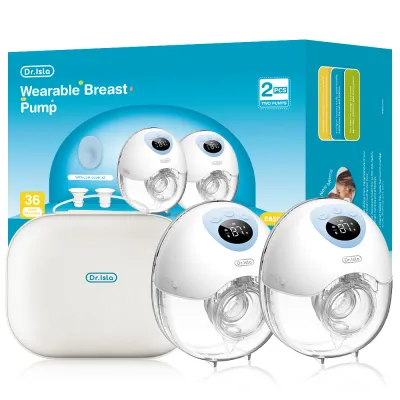
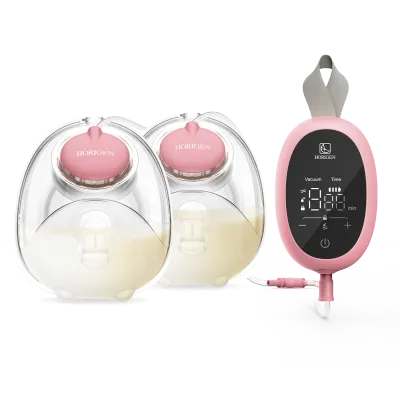
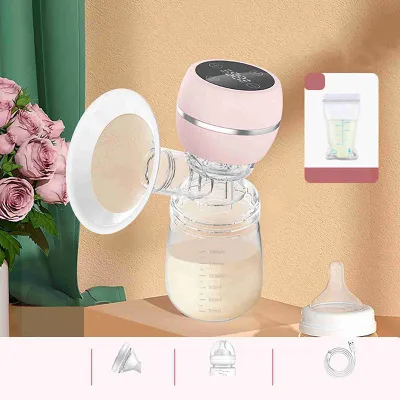
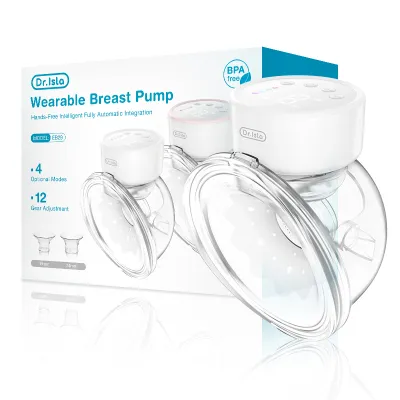
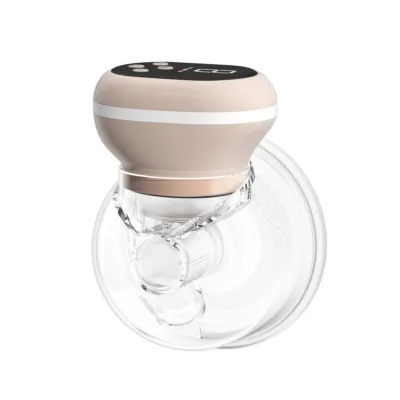
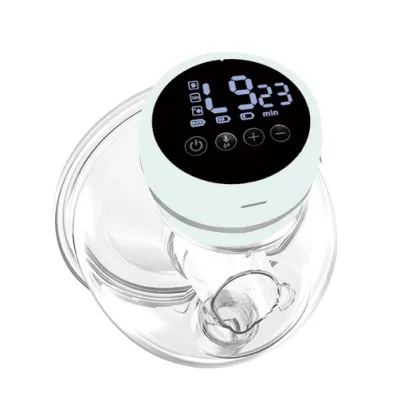
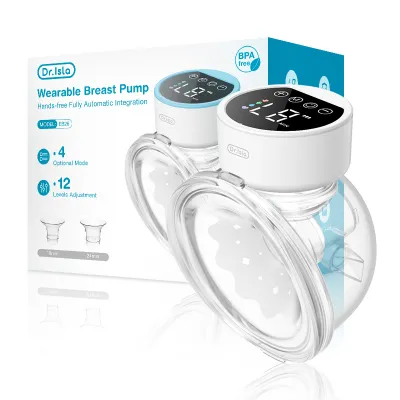
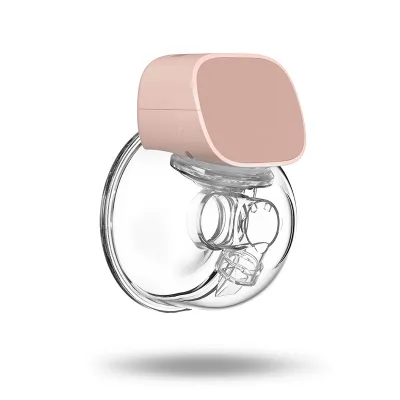
Prices are valid at publication and may change. Please refer to the product page for the latest price.
Key Features to Evaluate in a Wearable Electric Breast Pump
Finding a wearable pump that works efficiently depends heavily on physical compatibility and technical specifications. The most critical factor in pump efficiency and comfort is the flange fit. The flange is the funnel-shaped part of the pump that contacts your breast and holds your nipple. A properly sized flange ensures that your nipple can move freely back and forth in the tunnel without rubbing against the sides, which prevents friction, pain, and tissue damage. Because nipple sizes vary widely and can change throughout your breastfeeding journey, you should look for pumps that offer multiple flange sizes or silicone inserts. Measuring the diameter of your nipple base before purchasing is a necessary step to ensure you select a compatible size.
Suction strength and customizable modes are equally important for successful milk expression. Most high-quality wearable electric breast pumps feature two distinct phases: a stimulation mode and an expression mode. Stimulation mode uses fast, shallow suction cycles to mimic a baby’s initial quick sucks, triggering your milk ejection reflex, or letdown. Once milk begins to flow, the pump should transition to expression mode, which features slower, deeper suction cycles to empty the breast efficiently. When evaluating a pump, check the manufacturer’s specifications for adjustable suction levels within these modes, allowing you to customize the intensity to your comfort level. Higher suction does not automatically yield more milk; in fact, excessive suction can cause pain and inhibit your letdown.
Milk capacity and spill prevention are practical considerations that affect your daily pumping experience. Wearable pumps typically feature integrated collection cups that hold between 120ml and 180ml of milk per side. If you have an abundant milk supply, you may need to look for models with larger capacities to avoid having to pause your session to empty the cups. Additionally, examine the design of the spill-prevention mechanism. High-quality models utilize one-way valves and silicone diaphragms to create a closed system, which prevents milk from backflowing into the motor and minimizes the risk of leaks when you tilt your body or move around.
Noise levels and discretion are vital if you plan to pump in public spaces, shared offices, or near a sleeping baby. While no electric pump is completely silent, motor technology has advanced significantly to reduce operational noise. When reading product descriptions, look for details regarding the motor’s decibel level or descriptions of quiet operation. A quiet pump allows you to express milk during virtual meetings or while working at your desk without drawing unwanted attention, preserving your privacy and peace of mind.
Matching Pump Features to Your Daily Routine and Goals
Your daily schedule and breastfeeding goals should dictate the type of wearable pump you choose. For working mothers who need to pump during office hours or while commuting, hands-free convenience, discretion, and battery life are the top priorities. In busy environments, you need a pump with a low profile that fits seamlessly under professional attire without looking overly bulky. Long battery life is essential to ensure the pump can last through multiple sessions without requiring a recharge. Look for models that feature USB-C charging ports, which allow you to charge the device easily using a laptop, car charger, or power bank while navigating your daily commute.

Exclusive pumpers, who rely on a pump for all of their baby’s nutritional needs, require a highly durable and robust system. Because exclusive pumping involves using the device eight or more times a day, the motor must be capable of handling frequent, heavy use without losing suction power. For this routine, prioritize pumps that offer high-capacity collection cups and a wide range of customizable suction settings to prevent nipple desensitization. Additionally, because you will be washing pump parts constantly, choosing a model with fewer components and straightforward assembly will save you valuable time and reduce daily fatigue.
Occasional or on-the-go users, such as mothers who primarily direct-latch but want a pump for running errands, social outings, or building a small emergency freezer stash, can prioritize different features. If you only pump once or twice a day, you may not need the most heavy-duty motor on the market. Instead, focus on finding a lightweight, highly compact design that fits easily into a diaper bag or purse. Budget-friendly options are often highly suitable for occasional use, as you do not need to invest heavily in commercial-grade durability or advanced programming for infrequent sessions.
Living in a tropical climate also introduces environmental factors to consider. High humidity and warm temperatures mean that comfort against the skin is paramount. Silicone flanges and soft, flexible breast shields are often more comfortable and less prone to slipping due to sweat than rigid plastic alternatives. Ensuring that the pump materials feel comfortable against your skin during warm afternoons will make your pumping sessions much more tolerable and productive.
Maintenance, Compatibility, and Budget Considerations
Maintaining your wearable pump is crucial for both hygiene and the longevity of the device. Before purchasing, review the product manual or manufacturer’s website to evaluate the cleaning and assembly process. A pump with too many small, intricate parts can become a chore to clean and assemble, especially during late-night or early-morning sessions. Check whether the silicone and plastic components are dishwasher-safe, or if they require manual washing with warm, soapy water. In humid climates, ensuring that parts can dry completely in a clean, well-ventilated area is essential to prevent the growth of mold or bacteria.
Bra compatibility is another practical factor that is easily overlooked. Because wearable pumps sit entirely inside your bra, they require a supportive, stretchy nursing bra to hold them securely against your breast. If your bra is too tight, it can compress your breast tissue, restricting milk flow and potentially causing clogged ducts. If it is too loose, the pump may shift, breaking the suction seal and causing leaks. Many manufacturers include bra strap extenders in the box, which clip onto your existing nursing bra to create the extra space needed to accommodate the pump comfortably. Verify whether these extenders are included or if you need to purchase them separately.
Budgeting for a wearable pump involves looking at both the initial retail price in ₱ and the long-term cost of ownership. While the upfront cost of the device is a major factor, you must also consider the availability and price of replacement parts. Silicone valves, diaphragms, and flanges are consumable items that stretch and wear out over time, leading to a loss of suction. These parts typically need to be replaced every one to three months depending on how frequently you pump. Ensure that the brand you choose has readily available replacement parts in the local market so you are not left with an unusable pump while waiting for international shipping. Additionally, check the manufacturer’s warranty terms to protect your investment against motor defects.
Safety, Hygiene, and When to Consult a Professional
Ensuring the safety of your expressed breast milk and protecting your physical health should always be your top priorities. When shopping for a wearable electric breast pump, verify that all materials that come into direct contact with your breast milk are certified food-grade and completely free of Bisphenol A (BPA). You can verify these safety standards by checking the product packaging, user manuals, or the manufacturer’s official website for recognized safety marks and material certifications. Using certified safe plastics and silicone protects your baby from chemical exposure and ensures the purity of your milk.
Establishing a strict hygiene routine is vital to prevent contamination. Always wash your hands thoroughly with soap and water before handling pump parts or expressing milk. Follow the manufacturer’s specific instructions for sterilizing the pump components before their first use and on a regular basis thereafter. While boiling water or steam sterilizers are common methods, check the product manual to ensure your specific pump parts can withstand high temperatures without warping or degrading. Some delicate silicone valves may require gentle handwashing and air-drying rather than exposure to extreme heat.
While wearable pumps offer incredible convenience, they are not always a perfect fit for every mother’s body or milk supply. It is important to monitor how your body responds to the pump. If you experience persistent pain, bruising, or skin irritation during or after pumping, this is a clear sign that something is wrong, often related to incorrect flange sizing or excessive suction. Furthermore, if you notice a sudden, unexplained drop in your milk supply, or if you feel that your breasts are not being fully emptied after a session, you should seek guidance. Do not hesitate to consult a certified lactation consultant or your healthcare provider to address these issues, adjust your pumping routine, and ensure your breastfeeding journey remains healthy and comfortable.
Frequently Asked Questions (FAQ)
Can I use a wearable breast pump while lying down?
Most wearable electric breast pumps are designed to be used while you are in an upright or slightly reclined position. Lying down completely flat can cause breast milk to flow backward toward the motor, which can damage the electrical components and cause significant leaks. To prevent spills and ensure the one-way valves function correctly, always maintain an upright posture during your pumping sessions, and consult your specific product manual for the manufacturer’s recommended angles of use.
How do I know if my flange size is correct?
Your flange size is correct if your nipple moves freely in and out of the tunnel during pumping without rubbing against the sides, and if very little of your areola is pulled into the tunnel. Visual signs of an incorrect fit include redness, friction pain, swelling of the nipple, or a feeling that your breasts are not being fully emptied. To find your correct size, use a ruler or a printable sizing tool from the manufacturer’s website to measure the diameter of your nipple base before a pumping session, and select a flange or insert that matches that measurement.
Are wearable pumps as effective as traditional hospital-grade pumps?
While wearable electric breast pumps offer excellent convenience and portability, they generally feature smaller motors than traditional, double-electric hospital-grade pumps. For many mothers, wearable pumps are highly effective for maintaining supply and daily expression, but some may find they yield slightly less milk or take longer to empty the breasts compared to a heavy-duty plug-in model. If you are pumping to establish a milk supply for a premature infant or managing a low supply, consult a healthcare provider or lactation consultant to determine if a hospital-grade pump is necessary for your specific medical needs.

Community discussion
Share your experience or ask a question. Comments are reviewed before publication.