
Teething is a significant developmental milestone that can bring both excitement and discomfort to your household. As your baby boy grows, his natural urge to bite and chew increases to help relieve the pressure of emerging teeth. Finding the right teether involves balancing sensory satisfaction, physical development, and absolute safety. While it is easy to get caught up in cute designs, prioritizing non-toxic materials, appropriate sizing, and ease of cleaning is essential for your child’s well-being.
In a tropical climate like the Philippines, high humidity levels make material selection and hygiene practices even more critical. Mold can quickly develop in hollow toys, and warm weather makes cooling teethers highly desirable. By understanding what to look for in terms of safety certifications, developmental stages, and textures, you can confidently select a teether that provides safe, soothing relief for your baby boy.
Quick Guide: Key Factors for Choosing a Baby Boy's Teether
When shopping for a teether, busy parents need a reliable, straightforward checklist to make an informed decision. Before diving into specific styles, keep these essential criteria in mind to ensure the product is both safe and effective:
Products mentioned in this guide
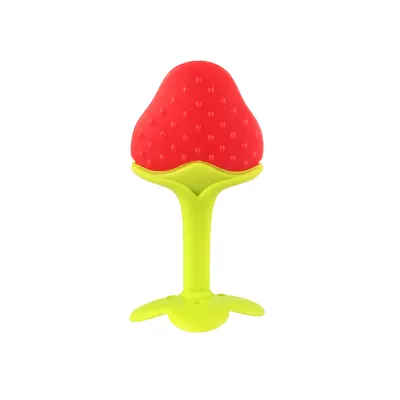
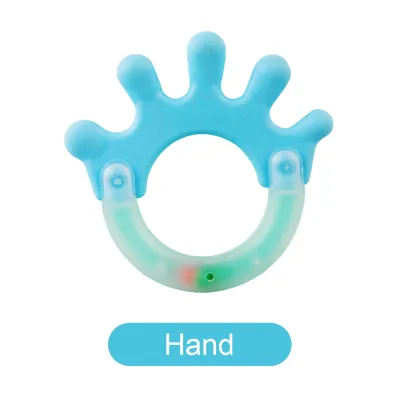
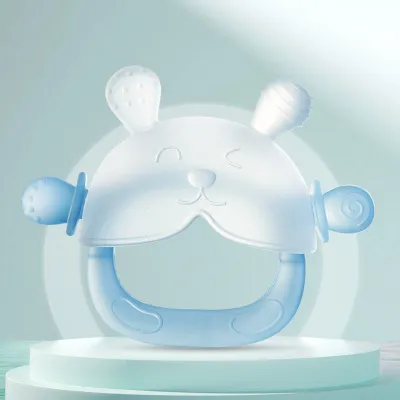
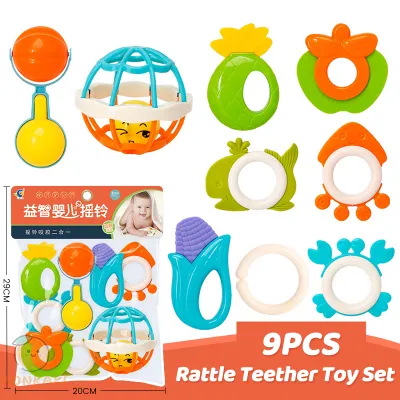
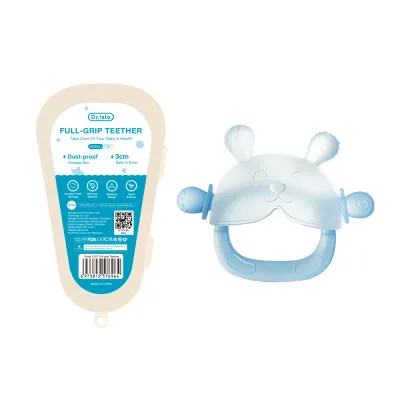
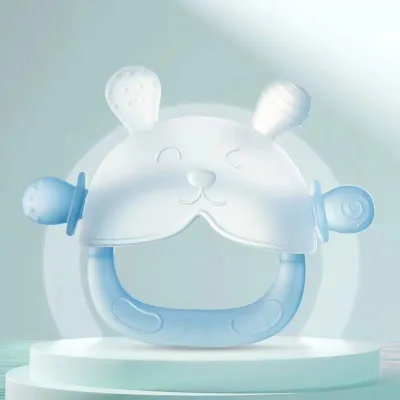
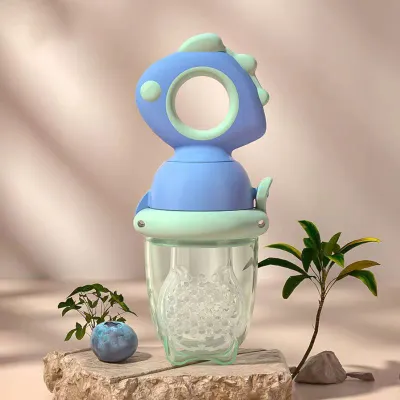
Prices are valid at publication and may change. Please refer to the product page for the latest price.
- Verify Non-Toxic Materials: Look for 100% food-grade silicone, natural rubber, or untreated, sustainably sourced hardwoods. Avoid plastics containing BPA, PVC, or phthalates.
- Check Age-Appropriate Sizing: Ensure the teether fits your baby's current grip and developmental stage. It must be large enough to prevent choking but small enough to fit comfortably in his mouth.
- Select Varied Textures: Choose teethers with multiple surfaces, such as ridges, bumps, and soft bristles, to target different areas of the gums.
- Prioritize Easy-to-Clean Designs: Opt for solid construction without hidden crevices or holes where water can pool and breed mold, especially in humid environments.
- Confirm Caregiver Supervision: Always plan to supervise your baby during use, regardless of the teether's design.
While exploring fun themes like vehicles, dinosaurs, or animals is an exciting part of shopping for your baby boy, his safety and developmental needs must always guide your final choice.
Safety First: Materials and Certifications to Verify
Your baby boy will spend hours chewing on his teether, making material safety your absolute top priority. Parents must look past clever marketing claims and actively verify what goes into the products they purchase. Food-grade silicone is highly recommended because it is hypoallergenic, durable, and resistant to bacteria. Natural rubber offers a softer, more flexible chew but requires careful maintenance to prevent degradation. If you prefer wood, select untreated, closed-grain hardwoods like beech or maple, which naturally resist splintering.

Always avoid cheap plastics that may contain harmful chemicals. Verify that the packaging explicitly states the product is free from bisphenol A (BPA), polyvinyl chloride (PVC), phthalates, and lead. These chemicals can leach out during heavy chewing, posing health risks to your developing baby. If a product listing or packaging does not clearly state its material composition, it is best to choose an alternative.
Choking hazards are another critical safety concern when evaluating teething toys. Inspect the physical structure of the teether before buying and before every single use. Ensure there are no small detachable parts, glued-on accessories, or weak seams that could break under the pressure of sharp new teeth. A reliable way to evaluate size is the standard “toilet paper roll” test: if the teether or any of its components can fit entirely inside a standard toilet paper roll, it is too small and poses a severe choking hazard. Additionally, avoid any teething toys that feature long cords, ribbons, or plastic clips that could wrap around your baby’s neck.
Do not assume that every product sold in online marketplaces or local shops has undergone rigorous safety evaluations. Parents must take the initiative to look for recognized safety certifications on the packaging. Look for international standards such as the European Safety Standard (EN 71), ASTM International standards, or certification from local regulatory bodies like the Food and Drug Administration (FDA) of the Philippines for food-contact materials. Always check the manufacturer’s recommended age grade on the packaging to ensure the product matches your baby’s physical capabilities.
Matching the Teether to Your Baby's Age and Teething Stage
Teething is a progressive journey, and your baby boy’s mouth will change significantly over his first two years. A teether that provides relief at three months may be completely ineffective—or even unsafe—at twelve months. Matching the physical properties of the teether to your baby’s developmental milestones ensures both comfort and safety.
Early Teething (approx. 3-6 months)
During this initial phase, your baby’s gums may begin to swell and itch before any teeth are visible. At this stage, your baby boy is still developing his hand-eye coordination and has a weaker grip. He needs teethers that are lightweight, exceptionally soft, and easy to grasp. Teething mittens that secure around the wrist or thin, flexible silicone rings are ideal. These designs allow him to soothe his gums easily without requiring precise motor control, and they prevent the toy from constantly dropping onto dirty floors.
Active Teething (approx. 6-12 months)
This is typically when the first front teeth, or incisors, begin to erupt. Your baby’s urge to bite will intensify as he seeks to break the gum tissue. He can now grip objects firmly and guide them to his mouth with purpose. Transition to medium-firm silicone teethers with textured ridges. Look for longer, ergonomic shapes that can safely reach past the front teeth to soothe the sides of the gums, but ensure the design includes safety guards to prevent him from pushing the teether too far back and gagging.
Toddler Stage (12+ months)
As your child reaches his toddler years, his larger back molars will begin to emerge. Toddlers have incredibly strong jaws and can easily damage soft, thin materials. At this stage, lightweight infant teethers are no longer suitable and can be chewed apart, creating a choking hazard. Switch to highly durable, firm teethers made of dense silicone or untreated hardwood. These materials provide the intense counter-pressure required to soothe deep molar discomfort and can withstand aggressive biting.
Always verify the manufacturer’s age, weight, and development guidelines on the product packaging before introducing a new teether. Never rely solely on a product’s name or visual appeal to determine if it is appropriate for your baby’s current stage.
Shapes and Textures: Targeting Gum Relief and Sensory Needs
An effective teether does more than just give your baby something to bite; it targets specific areas of discomfort and aids in sensory development. The shape and texture of the toy dictate how well it can soothe irritated gums and how much sensory stimulation it provides.
Ergonomically designed shapes make a significant difference in how easily your baby boy can use his teether. Classic ring shapes are excellent for early stages because they allow for a natural, two-handed grip. Y-shaped and key-shaped teethers are highly effective for older babies because the extended arms can reach the back molars without triggering the gag reflex. Look for designs that feature wide, easy-to-hold handles or built-in shields that prevent the teether from sliding too deep into the mouth.
Texture variety is key to maintaining your baby’s interest and providing targeted relief. Smooth, flat surfaces offer uniform, gentle pressure across broad areas of swollen gums. Raised bumps, ridges, and wavy patterns provide a massaging sensation that stimulates blood circulation and distracts from pain. Teethers with soft, flexible silicone bristles are also excellent; they gently clean the gums, mimic the feel of a toothbrush, and help prepare your baby boy for future oral hygiene habits.
Cooling options provide highly effective relief for severely inflamed gums, especially in the warm, tropical climate of the Philippines. Water-filled or gel-filled teethers can be chilled in the refrigerator to provide a numbing sensation that reduces swelling. However, parents must follow strict safety guidelines when using these products. Never place a water-filled teether in the freezer, as freezing it solid makes the toy too hard, which can bruise your baby’s delicate gums or cause the outer plastic to crack and leak. Always inspect the teether for leaks before giving it to your baby, and strictly follow the manufacturer’s chilling instructions.
Designs and Themes: Engaging Visuals for Baby Boys
While safety and functionality are paramount, choosing an engaging design can make the teething experience much more enjoyable for your baby boy. Visual appeal encourages your baby to interact with the teether, turning a moment of discomfort into a playful sensory activity.
Many parents enjoy choosing teethers that feature fun, boy-themed motifs. Popular designs include vehicles like cars and tractors, dinosaurs, woodland animals, and geometric shapes. These playful themes not only look charming but also offer unique contours and edges that babies love to explore with their fingers and mouths. A teether shaped like a small dinosaur, for example, might have ridged scales along its back that provide excellent gum massage, combining visual fun with practical relief.
When selecting a design, consider your baby’s current stage of visual development. Newborns and young infants (3-6 months) see high-contrast patterns best. Teethers with bold, contrasting colors—such as black, white, and red—or bright primary colors will capture their attention more effectively. As your baby boy’s vision matures around 6-12 months, he will begin to appreciate more detailed shapes, pastel shades, and complex characters. Choosing a teether with contrasting colors and distinct shapes helps stimulate his visual tracking and cognitive development.
However, decorative elements must never compromise safety. Inspect the teether to ensure that colors are molded into the material itself rather than painted on the surface. Surface paint can easily chip, peel, or wear away under the constant moisture of drool and the friction of biting, presenting a risk of ingestion. Avoid teethers with glued-on plastic eyes, metallic finishes, or small decorative accessories that could detach during play. Simple, seamless, and solid-molded designs are always the safest choice.
Recommended Teether Types and Their Best Use Cases
To help you navigate the wide variety of teethers available on the market, it is helpful to categorize them by material and design. Each type serves a specific purpose and comes with its own set of advantages and care requirements.
- Solid Silicone Teethers: These are the most versatile and durable teethers available. Made from food-grade silicone, they are highly resistant to tearing, hygienic, and free from pores where bacteria can hide. They are available in a wide range of shapes, colors, and firmness levels. Solid silicone teethers are incredibly easy to clean, as most are dishwasher-safe and can withstand high-temperature steam sterilization. They are best for all-around, daily use across all teething stages.
- Natural Rubber Teethers: Made from the sap of the Hevea tree, natural rubber teethers are incredibly soft, flexible, and biodegradable. They have a distinct, springy texture that many babies prefer over silicone. They are often molded in one piece to prevent dirt and bacteria from building up in seams. However, they require gentle care; you must never boil them or use steam sterilizers, as high heat degrades the natural rubber. Additionally, parents must monitor their baby for any signs of a latex allergy.
- Water-Filled Teethers: These teethers are designed specifically for cooling relief. The water sealed inside holds a cold temperature well, providing a soothing, numbing effect on swollen gums. They are ideal for active teething phases when gums are highly inflamed. The main limitation is their delicate nature; they cannot be boiled or steam-sterilized, and they must be inspected constantly for punctures or leaks. If you detect any leak, discard the teether immediately.
- Teething Mittens and Wearables: These are excellent for younger babies (3-6 months) who have not yet developed the motor skills to hold a traditional teether. The mitten slips over your baby boy's hand and secures with an adjustable strap. The chewing surface is typically made of textured silicone, allowing him to soothe his gums simply by bringing his hand to his mouth. This design keeps the teether clean and easily accessible, though the fabric portion requires regular machine washing.
- Wooden Teethers: Crafted from natural, non-toxic hardwoods like beech or maple, wooden teethers offer a firm, solid biting surface. Wood is naturally antimicrobial, making it a hygienic choice. They are excellent for older babies and toddlers who need substantial counter-pressure for molar relief. However, wooden teethers require diligent maintenance. You must inspect them regularly for splinters, never submerge them in water, and only clean them by wiping them with a damp cloth. They should be conditioned occasionally with food-safe oils like beeswax.
Cleaning, Sterilizing, and Knowing When to Replace
Keeping your baby boy’s teethers clean is vital for his health, especially in the warm and humid climate of the Philippines. Drool, dust, and floor contact create a breeding ground for bacteria and mold. Establishing a strict cleaning and inspection routine ensures that his teething toys remain safe and hygienic.
For daily cleaning, wash teethers thoroughly with warm, soapy water using a mild, baby-safe dishwashing liquid. Rinse them completely under clean, running water to ensure no soap residue is left behind, as this can irritate your baby’s digestive system. Daily washing should be done every time the teether falls on the floor or becomes covered in drool.
Sterilization methods vary greatly depending on the teether’s material, and parents must always verify the manufacturer’s care instructions first. While solid silicone teethers can typically be boiled, steam-sterilized, or placed in a UV sterilizer, other materials are highly sensitive to heat. Boiling or steaming will destroy natural rubber teethers, warp wooden teethers, and cause water-filled teethers to burst. If the manufacturer advises against heat sterilization, stick to warm, soapy water or specialized cold-water sterilizing tablets.
Proper drying and storage are critical in humid environments to prevent the growth of mold and mildew. After washing or sterilizing, place the teethers on a clean, dry rack in a well-ventilated area. Allow them to air-dry completely before storing them in an airtight container. Be particularly cautious with hollow teethers or squeaker toys that have small air holes; moisture can easily become trapped inside these toys, leading to hidden mold growth. If you suspect water has entered a hollow teether, squeeze it out thoroughly and allow it to dry completely, or choose solid-molded alternatives to eliminate this risk.
Regular inspection is your final line of defense against teething accidents. Before giving any teether to your baby boy, perform a quick “pull and tug” test. Firmly pull on all parts of the teether, checking for tiny tears, cracks, punctures, or changes in texture. Silicone and rubber can degrade over time, especially once your baby’s sharp teeth begin to emerge. If you notice any signs of wear, thinning, stickiness, or structural damage, discard the teether immediately and replace it with a fresh one.
Frequently Asked Questions (FAQ)
Can I put a water-filled teether in the freezer?
No, you should never place a water-filled teether in the freezer. Freezing the water solid makes the teether rock-hard, which can bruise or damage your baby’s delicate, swollen gums. Furthermore, the extreme cold can cause the outer plastic shell to become brittle, leading to cracks, leaks, or structural failure. Instead, place the teether in the main compartment of your refrigerator to achieve a safe, soothing chill, and always follow the manufacturer’s specific cooling instructions.
Are amber teething necklaces safe for babies?
No, pediatric health organizations and safety boards strongly advise against the use of amber teething necklaces, bracelets, or anklets. These items pose severe risks of strangulation and choking. The cord can tighten around your baby’s neck during sleep or play, and the small amber beads can easily break off and be swallowed or inhaled. For safe teething relief, stick to handheld, pediatric-approved teethers, and ensure your baby boy is always supervised while using them.
How many teethers should I buy for my baby?
It is highly recommended to build a small rotation of 3 to 5 different teethers. Having multiple teethers ensures that you always have a clean, sterilized, or chilled option ready while others are being washed or dried. Additionally, offering a variety of shapes, materials, and textures keeps your baby boy engaged, as his preferences will change depending on which stage of teething he is experiencing and which area of his gums is currently swollen.
Community discussion
Share your experience or ask a question. Comments are reviewed before publication.