
Choosing the right sleepwear for your baby is one of the most important decisions you will make to ensure their safety, comfort, and quality of rest. Among the various options available, the starfish sleeping bag has gained significant popularity among parents looking for a gentle way to transition their infants from a tight swaddle to a loose wearable blanket. This unique design, characterized by its star-like shape with integrated arm pockets, offers a balance between security and freedom of movement. However, selecting the perfect starfish sleeping bag requires a careful evaluation of your baby’s developmental stage, physical measurements, fabric suitability for your local climate, and essential safety features.
In warm and humid tropical environments like the Philippines, where temperatures can fluctuate significantly between daytime heat and nighttime air conditioning, choosing the correct fabric and thermal rating is crucial. A sleeping bag that is too heavy can quickly lead to overheating, while one that is too thin might leave your baby chilly in an air-conditioned nursery. By understanding what to look for in terms of design, fit, material, and safety hardware, you can confidently select a starfish sleeping bag that supports healthy sleep patterns and keeps your little one safe throughout the night.
Is a Starfish Design Right for Your Baby's Current Sleep Stage?
The primary function of a starfish sleeping bag is to provide a secure, swaddle-like feeling while allowing for a slightly wider range of motion than a traditional swaddle. This design typically features enclosed, wing-like arm pockets that keep the baby’s arms positioned upward or slightly outward. This specific positioning is highly effective at dampening the Moro reflex, also known as the startle reflex, which frequently wakes newborns and young infants from sleep. By gently resisting sudden arm movements, the starfish design helps babies soothe themselves back to sleep without the need for tight wrapping.
Products mentioned in this guide
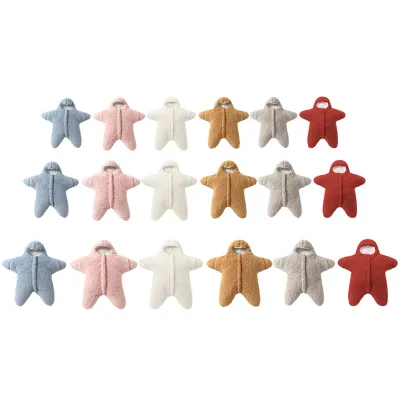
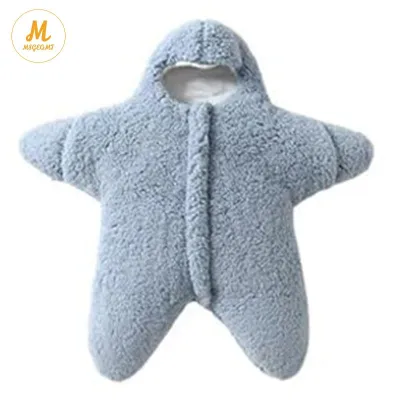
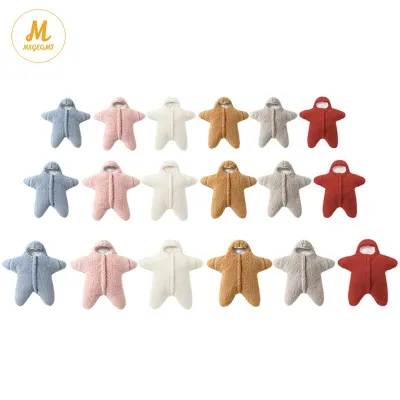
Prices are valid at publication and may change. Please refer to the product page for the latest price.
As babies grow, their sleep needs and safety requirements change rapidly, making it essential to recognize developmental signals that indicate readiness for different types of sleepwear. The starfish design is particularly beneficial during the transition phase, which usually occurs between two and four months of age. During this period, infants begin to outgrow the need for full swaddling but still crave the security of enclosed arms. The starfish bag serves as an excellent bridge, offering the cozy containment of a swaddle while allowing the baby to move their limbs more freely within the fabric pockets.
However, parents must differentiate between transition bags with enclosed arm pockets and standard wearable blankets. Standard wearable blankets are typically sleeveless, leaving the baby’s arms completely free and exposed. These are ideal for older babies who have fully transitioned away from swaddling. In contrast, a starfish sleeping bag is designed specifically for the transitional phase, offering a semi-restrictive environment. If your baby is already showing signs of rolling over, or if they prefer to sleep with their arms completely free, a standard sleeveless sleep sack may be a more appropriate choice than a starfish design.
Ultimately, the decision to use a starfish sleeping bag should be guided by your baby’s motor skills rather than their age alone. If your baby is content on their back and still experiences the startle reflex, the starfish design can provide the perfect balance of comfort and security. However, as soon as your baby shows any signs of attempting to roll over from back to front, their sleepwear must change to ensure their safety. Understanding these developmental milestones is the first and most critical step in deciding whether a starfish sleeping bag is the right choice for your nursery.
How to Check the Fit and Sizing for Safe Sleep
When selecting a starfish sleeping bag, prioritizing physical measurements over general age-based sizing charts is essential for maintaining a safe sleep environment. Manufacturers often label their products with age ranges, such as “0-3 months” or “3-6 months,” but babies grow at vastly different rates. A baby who is exceptionally long or heavy for their age may outgrow a specific size much faster than the label suggests. To ensure a proper fit, always refer to the manufacturer’s specific weight and height guidelines, and measure your baby accurately before making a purchase.

To check the fit of the neckline and armholes, you must ensure they are snug enough to prevent the fabric from sliding upward over the baby’s face. A sleeping bag that is too loose around the neck poses a serious safety hazard, as the baby could potentially slip down into the bag, obstructing their airway. A good rule of thumb is the “two-finger rule”: you should be able to comfortably fit two fingers between the fabric of the neckline and your baby’s neck. The armholes should also fit snugly without cutting into the baby’s skin or restricting circulation, preventing their arms from slipping back inside the main body of the bag.
At the same time, the sleeping bag must provide adequate leg room to allow for natural hip and knee movement. The International Hip Dysplasia Institute emphasizes the importance of healthy hip development, which requires that babies be able to bend their hips and knees freely into an “M” or “frog-leg” position. The bottom portion of the starfish sleeping bag should be wide and roomy enough to accommodate this natural posture. Avoid any designs that restrict leg movement or force the baby’s legs into a straight, tightly bound position, as this can increase the risk of hip dysplasia over time.
Excessive loose fabric at the bottom of the bag should also be avoided, as it can bunch up and create a discomfort or safety hazard. While it may be tempting to buy a larger size to allow room for growth, a bag that is too long can make it difficult for the baby to settle and may increase the risk of entanglement. Ideally, there should be a few inches of clearance between the baby’s feet and the bottom of the bag, allowing them to kick freely without excess material folding over itself. Regularly reassessing your baby’s height and weight will help you determine when it is time to transition to the next size up.
Matching Fabric and TOG Ratings to Your Nursery Temperature
Maintaining a safe and comfortable sleep temperature is crucial for preventing overheating, which is a known risk factor for sleep-related infant issues. To help parents choose the right level of warmth, baby sleepwear is rated using the TOG (Thermal Overall Grade) system. A TOG rating measures the thermal resistance of the fabric; the higher the TOG rating, the warmer the sleeping bag. Understanding how these ratings correspond to your nursery’s ambient temperature will help you select the most appropriate starfish sleeping bag for your home.
In tropical climates like the Philippines, where high humidity and warm temperatures are common, selecting a low TOG rating is generally the safest approach. For nurseries that are not air-conditioned or are kept at a warm temperature of 24°C to 27°C or higher, a sleeping bag with a TOG rating of 0.2 to 0.5 is highly recommended. These lightweight bags are typically made from single-layer, highly breathable fabrics that prevent heat from becoming trapped. If you maintain a cooler, air-conditioned nursery kept at a steady 20°C to 23°C, a slightly warmer bag with a TOG rating of 1.0 may be suitable to keep your baby comfortable throughout the night.
The material composition of the starfish sleeping bag plays a significant role in its breathability and moisture-wicking capabilities. Natural fibers such as organic cotton, bamboo-derived rayon, and muslin are excellent choices for baby sleepwear. Bamboo fabric is particularly favored in humid climates due to its exceptionally soft texture, natural moisture-wicking properties, and ability to feel cool to the touch. Muslin, with its open-weave construction, offers maximum airflow, making it highly effective at keeping babies cool. Avoid synthetic materials like polyester blends unless they are specifically engineered for high breathability, as they tend to trap heat and sweat against the baby’s skin.
To ensure your baby remains at a comfortable temperature, you must also plan their undergarments carefully based on the chosen TOG rating and room temperature. In a warm room with a 0.2 TOG starfish bag, a simple diaper or a sleeveless cotton bodysuit is often all that is needed underneath. In a cooler, air-conditioned room with a 1.0 TOG bag, you might pair the sleeping bag with a short-sleeve or long-sleeve cotton footie. Regularly check your baby’s temperature by touching the back of their neck or their chest; if the skin feels hot or sweaty, remove a layer of clothing or switch to a lighter sleeping bag.
Essential Safety Labels and Hardware Checks Before You Buy
Before finalizing your purchase of a starfish sleeping bag, conducting a thorough inspection of the physical hardware and safety labels is essential. Start by examining the zipper placement and construction, as these components are in close proximity to your baby’s delicate skin. Look for designs that feature a two-way zipper, which allows you to open the bag from the bottom for quick diaper changes without fully exposing your baby’s chest to the air. Ensure that the zipper operates smoothly and does not catch on the surrounding fabric, which can cause frustration during nighttime routines.
A critical safety feature to look for is the presence of a protective chin guard or fabric flap at the top of the zipper. This small piece of fabric covers the zipper pull when the bag is fully zipped, preventing it from scratching your baby’s chin, neck, or chest. It also prevents the zipper from pinching the baby’s skin during zipping. Additionally, inspect the interior of the sleeping bag to ensure that the zipper teeth are completely covered by a soft fabric backing, preventing any rough edges from rubbing against your baby’s body as they move.
In addition to hardware, look for ergonomic design claims or hip-healthy acknowledgments on the product packaging or online description. Reputable manufacturers often seek recognition from pediatric health organizations to verify that their sleepwear supports natural joint development. While these labels are not a guarantee of safety on their own, they indicate that the manufacturer has designed the product with infant anatomy in mind. Avoid products that lack clear information about their design standards or those that appear to restrict the natural movement of the hips and legs.
Finally, verify the care instructions on the product label to ensure the sleeping bag can be safely and easily cleaned. Baby sleepwear requires frequent washing to maintain hygiene, so the fabric and hardware must be durable enough to withstand regular machine cycles. Check if the manufacturer recommends air drying or if the bag can be tumble-dried on a low setting. Avoid materials that require delicate hand-washing or dry cleaning, as these are impractical for daily use. Ensuring that the bag maintains its structural integrity and fit after multiple washes is vital for long-term safety and comfort.
How to Compare Options and Read Reviews on Online Stores
Shopping for a starfish sleeping bag on e-commerce platforms offers a wide variety of choices, but it also requires a strategic approach to ensure you select a high-quality product. Since you cannot physically touch the fabric or inspect the stitching before buying, you must rely on detailed product descriptions and customer feedback. Start by comparing functional details across different brands, such as the inclusion of convertible sleeves. Some starfish designs feature snaps or zippers that allow you to open the arm pockets, transitioning the bag into a sleeveless sleep sack once your baby starts rolling.
When browsing online marketplaces, reading customer reviews with a critical eye can provide valuable insights into the real-world performance of the sleeping bag. Look for recurring comments regarding fabric shrinkage after washing, as some natural fibers can shrink significantly, altering the fit and safety of the neckline. Pay close attention to feedback about zipper durability and jamming; a zipper that breaks easily or gets stuck frequently can make nighttime diaper changes highly stressful. Reviews that mention sizing inconsistencies—such as the bag running much larger or smaller than the official size chart—are also incredibly helpful for making an accurate choice.
It is also wise to check the seller’s return and exchange policy before completing your purchase. Because a precise fit is absolutely critical for safe sleep, you may need to return the item if the neckline is too loose or if the length does not match your baby’s measurements upon arrival. Reliable sellers typically offer clear, hassle-free return windows for unused items in their original packaging. Budgeting around ₱1,000 to ₱2,500 is common for high-quality, certified sleepwear, and investing in a reputable brand with a solid return policy ensures you do not end up with an unusable or unsafe product.
Lastly, compare the material specifications listed by different sellers to ensure you are getting genuine breathable fabrics. Some lower-priced options may use synthetic blends that mimic the softness of bamboo or cotton but lack the necessary breathability for tropical climates. Always verify the exact percentage of fibers listed in the product details. By combining careful product comparison with a thorough analysis of customer reviews, you can confidently navigate online stores and select a starfish sleeping bag that meets all your safety and comfort criteria.
Frequently Asked Questions (FAQ)
When is it time to stop using a starfish sleeping bag?
You must stop using a starfish sleeping bag as soon as your baby shows any signs of attempting to roll over from their back to their tummy. This milestone typically occurs between two and four months of age, though it can happen earlier or later depending on the individual baby’s development. Additionally, you should discontinue use if your baby consistently breaks free from the arm pockets, or if they reach the manufacturer’s maximum weight or height limits. Continuing to use a semi-restrictive sleeping bag past these points can compromise your baby’s safety during sleep.
Is it safe if my baby rolls over while wearing it?
No, it is not safe for your baby to roll over while wearing a starfish sleeping bag that restricts or encloses their arms. Once a baby begins to roll, they must have their arms completely free and unrestricted so they can push themselves up, adjust their head position, and keep their airway clear if they end up face-down. If your baby rolls over while their arms are contained within the starfish wings, they may become trapped in a dangerous position. Always consult pediatric sleep guidelines and the specific product manual for instructions on transitioning to an arms-free sleep sack at the first sign of rolling.

Community discussion
Share your experience or ask a question. Comments are reviewed before publication.