
Starting solid foods is an exciting milestone for parents in the Philippines. When your baby reaches around six months of age and shows signs of developmental readiness, choosing the right feeding tools becomes a priority. A high-quality silicone spoon and fork set is often the most recommended starting point for this transition. These utensils provide a soft, forgiving texture that protects delicate gums while helping your little one develop the motor skills needed for self-feeding. To find the ideal set, you must evaluate material purity, ergonomic design features, and developmental suitability.
Why Silicone is the Preferred Material for Early Weaning
Silicone’s physical properties make it uniquely suited for babies transitioning from liquid to solid foods. Unlike traditional plastic or metal utensils, food-grade silicone is exceptionally soft and flexible. During the early stages of weaning, babies often experience teething discomfort. A soft silicone spoon acts as a gentle teething toy and a feeding tool in one, ensuring that accidental bumps against sensitive gums or newly emerging baby teeth do not cause pain or injury.
Another significant advantage of silicone is its natural heat resistance. When preparing warm purees, such as mashed sweet potato or squash, silicone utensils do not conduct heat like metal spoons do. This prevents the utensil from becoming uncomfortably hot to the touch or burning your baby’s sensitive mouth. Furthermore, this heat tolerance allows for thorough sanitization. High-quality silicone can withstand the high temperatures of boiling water, steam sterilizers, and UV sterilizers, which are essential for maintaining hygiene in warm, humid tropical climates.
Products mentioned in this guide
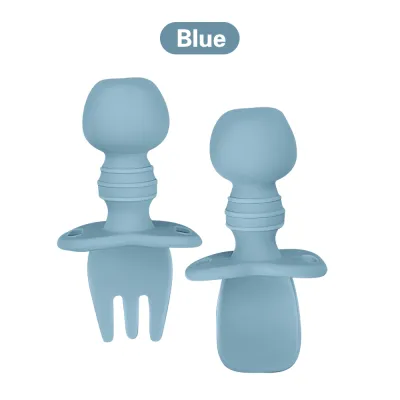
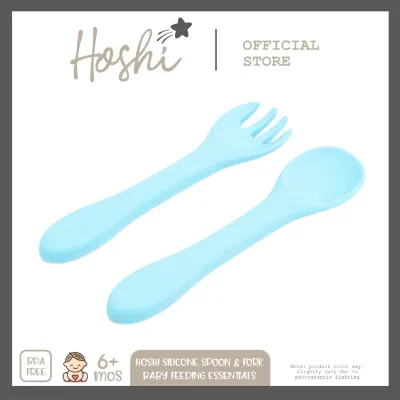
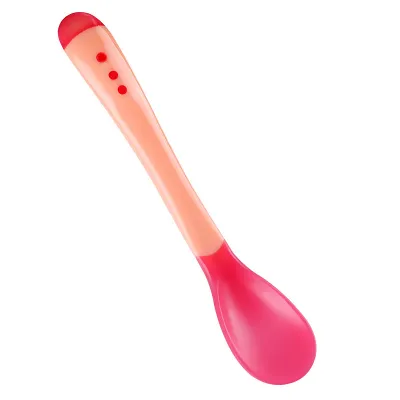
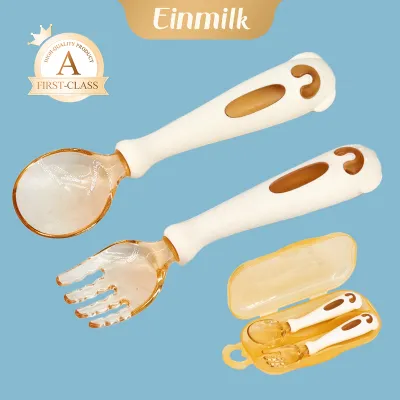
Prices are valid at publication and may change. Please refer to the product page for the latest price.
From a hygienic standpoint, silicone is non-porous. This means it does not absorb liquids, oils, or food particles, making it highly resistant to bacterial growth and unpleasant odors. In a climate where high humidity can accelerate mold and bacterial proliferation on damp surfaces, having a naturally hygienic, easy-to-dry material is a major benefit for busy caregivers. Unlike wood or low-grade plastics, silicone will not warp, crack, or peel over time, ensuring long-term durability through daily wash cycles.
Essential Design Features for Safe and Effective Feeding
When comparing different silicone spoon and fork sets, the structural design of the utensils directly impacts both safety and ease of use. The spoon bowl should be shallow and narrow. A shallow bowl allows a baby who is just learning to eat to easily clear the food using their upper lip. If the bowl is too deep, food tends to get stuck in the bottom, leading to frustration and incomplete feeding.

For the fork, the tines must be blunt and rounded. At the start of weaning, a fork is not meant for sharp piercing; rather, it serves to help babies practice the motion of stabbing soft, steamed food chunks. Look for tines that are firm enough to hold a piece of soft fruit or vegetable but soft enough that they bend slightly under pressure, preventing any risk of puncturing the delicate tissues inside the mouth.
The handle design is another critical factor that varies depending on who is doing the feeding. If you are practicing parent-assisted feeding, a longer, slender handle is ideal, as it allows you to comfortably navigate the spoon into your baby’s mouth from various angles. However, if you are following a baby-led weaning approach, short, thick, and textured handles are highly practical. These chunky handles are designed for a baby’s palmar grasp, allowing small hands to grip the utensil securely without it slipping out of their wet fingers.
Safety features such as integrated choke guards or wide, flared handle bases are highly recommended for self-feeding babies. A choke guard is a wide collar situated just below the spoon bowl or fork tines. It acts as a physical barrier that prevents the baby from pushing the utensil too far back into their throat, reducing the risk of gagging or choking. When shopping, prioritize sets that incorporate these protective barriers to give you peace of mind during independent feeding sessions.
Verifying Material Safety and Manufacturer Specifications
Not all silicone products are created equal, and parents must be diligent when verifying safety claims on product packaging. The most critical certification to look for is food-grade silicone. This designation ensures the material has been tested and deemed safe for contact with food. Look for compliance markings such as FDA approval or LFGB certification. LFGB standards are generally considered stricter, involving more rigorous testing for volatile organic compounds, making it an excellent benchmark for baby products.
Always check the manufacturer’s specifications to confirm that the set is entirely free from harmful chemicals. The label should explicitly state that the product is BPA-free, PVC-free, lead-free, and phthalate-free. These chemicals, often found in low-grade plastics, can leach into food and pose health risks to developing infants. Because these standards are dynamic, do not rely solely on a product’s name or marketing slogans; instead, inspect the physical packaging or the official manufacturer website for verified testing certifications.
Additionally, review the stated temperature limits of the silicone set before purchasing. While pure silicone can typically withstand temperatures ranging from sub-zero to over 200 degrees Celsius, some sets feature internal plastic or wooden structural cores that cannot handle extreme heat. Verifying these temperature limits ensures the utensils are fully compatible with your home sterilization setup, whether you use a steam sterilizer, a UV cabinet, or traditional boiling water.
Matching the Utensil Design to Your Baby's Developmental Stage
A baby’s feeding journey progresses rapidly, and the utensils they use should match their current motor skills and developmental milestones. For the very beginning of solid foods—typically around six months—textured training spoons or pre-spoons are highly effective. These utensils do not have a traditional bowl; instead, they feature flat heads with grooves or channels that hold purees or thick mashes through surface tension. This design allows the baby to dip the spoon into food and bring it to their mouth in any orientation, promoting self-feeding and oral exploration without requiring advanced wrist rotation.
As your baby reaches eight to ten months and develops better hand-eye coordination, they can transition to standard silicone spoons and blunt forks. At this stage, they are learning the mechanics of scooping food from a bowl and bringing it upright to their mouth. A standard spoon with a slightly deeper bowl and a defined handle grip helps them practice this motion. The accompanying blunt fork allows them to experiment with picking up soft finger foods, such as steamed carrots or potato cubes, reinforcing their fine motor skills.
By the time your toddler reaches twelve months and beyond, their grip matures from a full-palm grasp to a more refined pincer-like grip. At this point, you can transition them to utensils with longer, narrower handles that mimic adult cutlery. Some transition sets feature a silicone-coated handle with a firmer nylon or stainless steel head, providing the structural rigidity needed to scoop denser foods while keeping the handle comfortable and slip-resistant. Always supervise your child during meals and adjust the utensil type based on their observed coordination and comfort level.
Smart Shopping Strategies for Online Marketplaces in the Philippines
Finding high-quality baby feeding gear on local e-commerce platforms requires a strategic approach to avoid counterfeit or low-grade products. Start by analyzing verified buyer reviews carefully. Look for detailed feedback that mentions the physical properties of the utensils upon arrival. If multiple reviews mention a strong, persistent chemical or plastic smell, this is a major red flag indicating the use of cheap plastic fillers rather than 100% pure food-grade silicone. High-quality silicone should be virtually odorless.
Pay close attention to reviews that discuss long-term durability, such as whether the material fades, becomes sticky, or tears easily after a few washes. Additionally, evaluate the overall value of product bundles. Many reputable brands offer sets that include practical accessories, such as a compact travel case or a matching silicone bib. A travel case is incredibly useful for families who frequently travel or dine out in local malls, as it keeps dirty utensils contained and clean utensils hygienic while on the go.
To ensure you are purchasing authentic products, always check the seller’s credentials. Prioritize official brand stores, authorized distributors, or sellers with high ratings and positive customer service feedback. While budget-friendly sets under ₱500 are widely available, prioritizing safety certifications over the lowest price ensures you receive a genuine, food-grade product. Look for official store badges on the platform and review their return and exchange policies. If a product arrives with damaged packaging, missing safety labels, or an unexpected texture, a flexible return policy allows you to safely exchange or return the item before it ever comes into contact with your baby’s food.
Daily Care, Cleaning, and When to Replace
Proper maintenance is essential to keep silicone utensils hygienic and prolong their lifespan. For daily cleaning, wash the spoon and fork immediately after use with warm water and a mild, baby-safe dishwashing liquid. Leaving food residue on the utensils for extended periods can lead to stubborn stains and attract pests, which is a common concern in tropical households. Avoid using abrasive scrubbing pads or harsh steel wool, as these can create microscopic scratches on the silicone surface where bacteria can accumulate.
Silicone is prone to absorbing pigments from strong-colored foods, such as squash, carrots, or tomato-based sauces. To prevent or remove these stains, you can create a paste using baking soda and water, apply it to the stained areas, let it sit for about fifteen minutes, and then rinse thoroughly. Another natural and highly effective method is exposing the clean, wet utensils to direct sunlight for a few hours. The natural UV rays from the sun act as a gentle, chemical-free bleaching agent that helps fade stubborn food stains without damaging the material.
Regularly inspect your baby’s feeding set for signs of wear and tear. Before every meal, perform a quick visual and tactile check. Run your fingers along the edges of the spoon bowl and the fork tines to feel for any cracks, tears, or rough spots, especially if your baby has started teething and actively bites down on the utensils. If you notice any deep scratches, tears, structural weakness, or if the silicone begins to feel sticky or gummy to the touch, stop using the set immediately and replace it to prevent any small pieces from tearing off and posing a choking hazard.
Frequently Asked Questions (FAQ)
Can I put silicone spoons and forks in the microwave?
Whether you can safely microwave a silicone feeding set depends entirely on the manufacturer’s specific guidelines. While pure silicone is highly heat-resistant and generally microwave-safe, many baby utensils are designed with internal metal or plastic cores to give the handles structural rigidity. Putting a utensil with a hidden metal core into the microwave can cause sparking and damage your appliance. Always inspect the product packaging or the underside of the utensil for a microwave-safe symbol before heating, and avoid leaving utensils in the food while microwaving.
How do I remove food stains from silicone utensils?
To safely remove stubborn food stains from silicone spoons and forks, avoid using harsh chemical bleaches or abrasive scrubbers, which can degrade the material. Instead, mix equal parts baking soda and water to form a thick paste, rub it over the stained areas, and let it sit for fifteen to thirty minutes before washing. For an alternative natural method, place the stained utensils in direct sunlight for a few hours. The sun’s natural UV rays help break down organic food pigments, restoring the clean appearance of the silicone safely.
When should I transition from a training spoon to a regular toddler spoon?
You should consider transitioning your baby from a textured training spoon to a regular toddler spoon when they demonstrate improved hand-eye coordination and a desire for independent feeding. Watch for developmental signs, such as the ability to bring the spoon directly to their mouth upright without spilling, successfully scooping thicker food textures from a bowl, and showing interest in mimicking how adults use cutlery. This transition typically occurs between nine and twelve months of age, but always follow your baby’s unique developmental pace and consult your pediatrician if you have questions about their motor milestones.
Community discussion
Share your experience or ask a question. Comments are reviewed before publication.