
Choosing the right silicone milk collector can significantly ease your breastfeeding journey, helping you save every drop of milk without extra effort. The ideal choice depends on your daily routine, milk supply, and comfort preferences. Generally, these devices fall into two main categories: passive let-down catchers, which use gentle, continuous vacuum pressure to collect milk from the non-nursing breast, and active manual or electric silicone pumps, which actively stimulate and express milk.
If your goal is simply to catch natural let-down while nursing your baby on the opposite side, a passive catcher is highly effective. However, if you want to actively build a freezer stash or need a portable way to relieve engorgement, an active silicone pump is more suitable. Before making a purchase, always perform three non-negotiable checks: verify that the material is certified safe, ensure the flange size fits your anatomy comfortably, and select a capacity that matches your typical milk output.
Suction Strength and Flange Fit: Balancing Comfort and Yield
Understanding the difference between passive and active suction is crucial for selecting a device that matches your body’s needs. Passive silicone catchers rely on a simple squeeze-and-release mechanism to create a light, continuous vacuum. This gentle suction is designed to encourage and catch the natural let-down reflex rather than actively drawing milk from the ducts. In contrast, active silicone devices feature manual handles, adjustable valves, or integrated electric motors that create rhythmic suction cycles, mimicking a baby’s natural sucking pattern to actively express milk.
Products mentioned in this guide
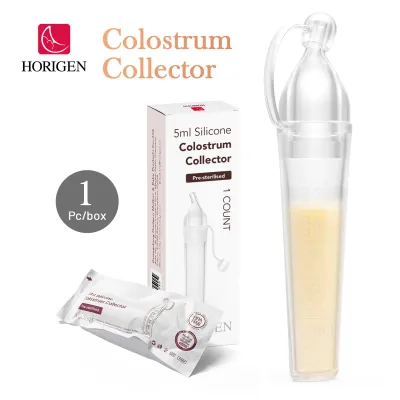
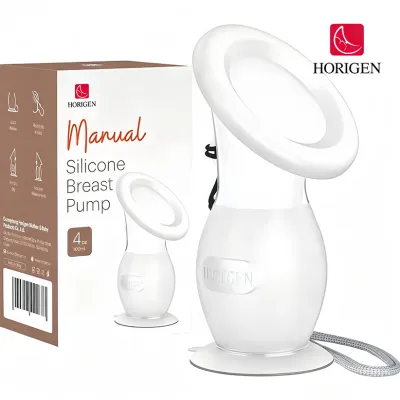
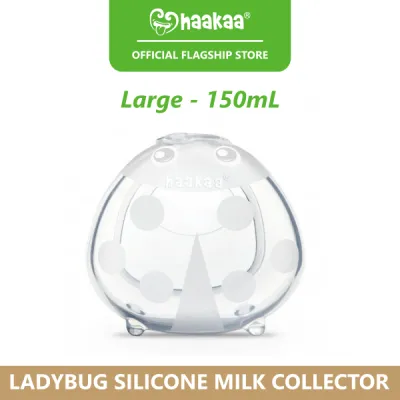
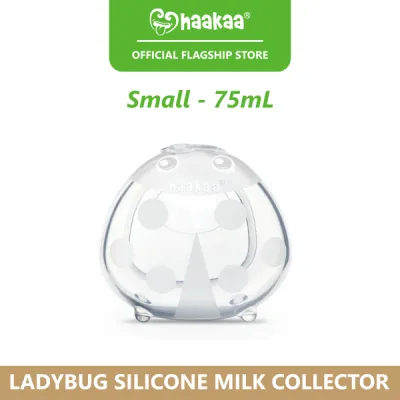
Prices are valid at publication and may change. Please refer to the product page for the latest price.
To ensure effective milk extraction and prevent nipple trauma, you must select the correct flange size. To measure your nipple diameter accurately, use a ruler or a printable sizing guide to measure the base of your nipple (excluding the surrounding areola) in millimeters. Do this before a nursing or pumping session, as nipples expand during stimulation. Add 2mm to 3mm to your measurement to determine your starting flange size. A properly fitting flange allows your nipple to move freely in the tunnel without rubbing against the sides, which prevents friction, pain, and blocked milk ducts.
Using an incorrect flange size or excessive suction can lead to discomfort and tissue damage. Observable signs of a poor fit include redness, swelling, blanching (the nipple turning white), persistent pain during or after use, or a noticeable drop in milk flow despite feeling full. If you experience skin chafing, bruising, or bleeding, stop using the device immediately. Under these conditions, it is essential to consult a certified lactation professional or a healthcare provider to evaluate your fit and breastfeeding technique.
Size, Capacity, and Portability: Matching Your Milk Supply
Silicone milk collectors come in various physical dimensions and capacities, typically ranging from 90ml to 150ml (approximately 3 to 5 ounces). To estimate your daily collection needs, consider your baby’s age and feeding frequency. Newborns consume smaller volumes, making a compact 90ml collector ideal for catching early let-down. As your baby grows and your milk supply regulates, you may require a larger 120ml or 150ml collector to accommodate higher volumes and prevent overflowing during active let-down phases.

When choosing a collector, consider the practical trade-offs between compact, discreet designs and larger, high-capacity models. Wearable silicone shells that slip directly inside your nursing bra are highly discreet and excellent for public use, commuting, or working in an office. While they offer lower capacities (often 60ml to 90ml), they remain virtually invisible under clothing. Conversely, larger bulb-style collectors are highly effective for home use but are bulkier and can easily be knocked off by a kicking baby during nursing sessions.
In warm, humid tropical climates, managing your gear requires extra care. High humidity can make surfaces slippery, and condensation can form on cold collectors, increasing the risk of accidental spills. When evaluating collectors for travel or work, use this checklist to verify their stability and security:
- Suction Base: Ensure the collector has a wide, sturdy suction base that adheres firmly to flat tables or countertops.
- Spill Prevention: Look for models that include a secure silicone stopper, plug, or leak-proof lid to seal the collector immediately after use.
- Lanyard Attachment: Check if the device features a built-in loop for a neck lanyard, which prevents the collector from falling if your baby kicks it loose.
Material Grade and Safety Standards: What to Verify on the Label
Because breast milk contains fats that can absorb chemical residues, the safety and purity of the materials in your collector are paramount. Ensure that any component contacting your milk is made of 100% food-grade or medical-grade silicone and is completely free of Bisphenol A (BPA) and Bisphenol S (BPS). Medical-grade silicone undergoes more rigorous testing and purification processes than food-grade silicone, making it highly durable, resistant to bacterial growth, and less prone to chemical leaching under high temperatures.
Do not rely solely on vague marketing claims like “natural” or “eco-friendly” on the packaging. Instead, actively inspect the product labels, packaging, and manufacturer specifications for verifiable safety standards. Look for explicit certifications such as compliance with the US Food and Drug Administration (FDA) standards or European LFGB regulations, which govern food-contact materials. Reliable manufacturers will clearly state these certifications on their official websites or product inserts, providing peace of mind for your baby’s health.
Silicone is highly durable, but it is not permanent. Over time, exposure to high heat, sterilization cycles, and milk fats can cause the material to degrade. Regularly inspect your collector for visual and tactile signs of wear, including:
- Stickiness: A tacky or sticky surface indicates the polymer chain is breaking down.
- Cloudiness: Persistent cloudiness or yellowing suggests material aging.
- Micro-tears: Small cracks or tears, especially around the rim or suction bulb, can harbor bacteria and compromise suction.
If you observe any of these signs, stop using the collector immediately and replace it to maintain hygiene and safety.
Compatibility with Your Breastfeeding Routine
Integrating a silicone collector into your daily routine should be seamless and stress-free. If you nurse your baby directly, usability is key. A passive collector must attach securely to the opposite breast to catch the let-down reflex without disrupting your baby’s latch or positioning. Look for lightweight models with soft, flexible rims that conform comfortably to your breast shape, allowing you to hold your baby close without the device getting in the way.
For mothers who combine nursing with pumping or bottle-feeding, milk transfer compatibility is a vital consideration. To minimize the risk of spills and contamination, choose a collector with a wide, contoured pouring spout. Some advanced systems allow you to pour milk directly into standard breast milk storage bags or bottles, while others feature compatible adapters that connect the collector directly to your existing feeding setup. This reduces the number of transfer steps, preserving every drop of milk.
Maintaining strict hygiene is essential, especially in warm, humid environments where bacteria can multiply rapidly on damp surfaces. Always follow the manufacturer’s specific cleaning and sterilization instructions. After each use, wash the collector thoroughly with warm, soapy water using a mild, fragrance-free dishwashing liquid. Sterilize the device regularly using boiling water, steam, or UV sterilizers as permitted by the manufacturer, and ensure it air-dries completely in a clean, well-ventilated area before storing it in a dust-free container.
Decision Framework: Comparing Your Options
To help you finalize your choice, compare the primary categories of silicone milk collectors based on their design, capacity, and ideal use cases.
| Collector Type | Suction Type | Typical Capacity | Best Use Case | Cleaning Method |
|---|---|---|---|---|
| Passive Catcher | Gentle, continuous vacuum | 90ml – 120ml | Catching let-down while nursing | Warm soapy water & sterilization |
| Wearable Shell | Ultra-gentle, passive | 60ml – 90ml | Discreet collection on the go | Warm soapy water & sterilization |
| Active Manual Pump | Adjustable, manual suction | 120ml – 150ml | Active expression & travel pumping | Warm soapy water & sterilization |
When making your final decision, apply these clear decision rules to match your specific needs:
- Choose a passive catcher if: Your primary goal is to collect natural let-down from the opposite breast while nursing, you prefer a silent and hands-free option, and you want a simple, budget-friendly tool.
- Choose a wearable shell if: You need to collect milk discreetly at work or in public, prefer a low-profile design that fits inside your bra, and have a light to moderate milk flow.
- Choose an active manual pump if: You want to actively express milk to build a freezer stash, require adjustable suction levels, and need a highly portable alternative to an electric pump.
- Verify first if: The flange size matches your measurements, the material is certified food-grade or medical-grade, and the capacity aligns with your typical milk output.
When purchasing your silicone milk collector, check prices in local currency, which typically range from ₱300 for basic passive catchers to ₱1,500 or more for advanced active manual systems. Always verify current stock, warranty terms, and return policies by purchasing from official brand stores or authorized e-commerce platforms to ensure you receive a genuine, safe product.
Frequently Asked Questions (FAQ)
Can I use a silicone milk collector while sleeping?
No, it is generally not recommended to use a silicone milk collector while sleeping. When you lie down horizontally, the risk of the collector shifting increases significantly, which can cause painful friction, skin irritation, and major milk spills. Additionally, leaving a suction-based device on your breast for an extended period without active monitoring can lead to tissue bruising or restricted blood flow. If you experience engorgement at night, use the collector briefly while sitting upright to relieve pressure, then remove it before going back to sleep.
How often should I replace my silicone milk collector?
You should typically replace your silicone milk collector every 3 to 6 months, depending on how frequently you use and sterilize it. Over time, regular exposure to high heat and cleaning agents can weaken the silicone, leading to a noticeable loss of suction strength. Always inspect the device regularly for physical signs of wear, such as permanent odors, a sticky texture, cloudiness, or micro-tears. If you suspect any structural compromise or notice a drop in performance, stop using the collector immediately and replace it.
Is it safe to boil silicone milk collectors for sterilization?
Boiling is generally safe for 100% food-grade or medical-grade silicone, but you must always consult your specific product manual first. While pure silicone can withstand high temperatures, some collectors feature plastic collars, lids, or suction valves that can warp or melt when exposed to boiling water. When boiling is permitted, submerge the disassembled silicone parts in boiling water for 3 to 5 minutes, ensuring they do not touch the bottom or sides of the pot to prevent localized overheating.
Community discussion
Share your experience or ask a question. Comments are reviewed before publication.