
Finding the right teether for your baby boy involves balancing sensory relief with strict safety standards. As infants explore the world with their mouths, a teether becomes both a soothing tool and a constant companion. Choosing a product that is chemically safe, structurally sound, and easy to keep clean is essential for protecting your child’s health.
In a warm, humid climate like the Philippines, selecting a teether that resists mold and is easy to sanitize becomes even more critical. High humidity can quickly turn damp baby toys into breeding grounds for bacteria. By understanding what to look for in materials, design, and age-appropriateness, you can confidently select a teether that keeps your baby boy safe and comfortable.
Identifying Safe Materials and Verifying Certifications
Evaluating the chemical safety and physical properties of teether materials is the first step in protecting your baby. Food-grade silicone is one of the most popular choices because it is highly durable, flexible, and resistant to extreme temperatures. It does not support the growth of mold or bacteria easily, making it exceptionally well-suited for tropical environments.
Products mentioned in this guide
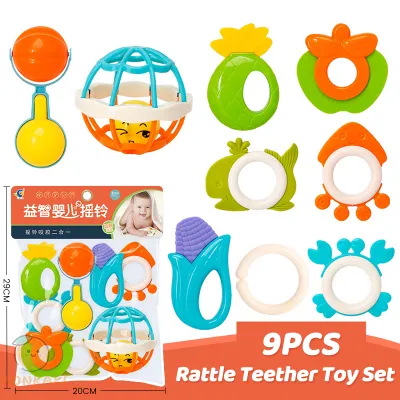
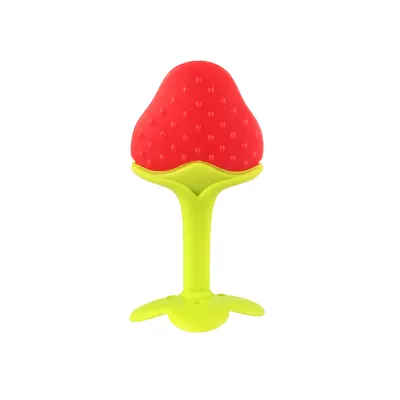
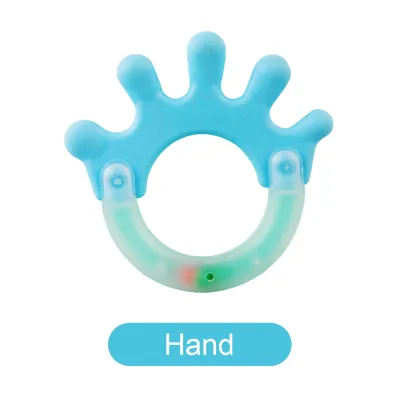
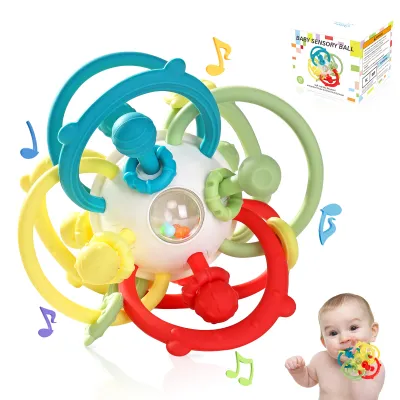
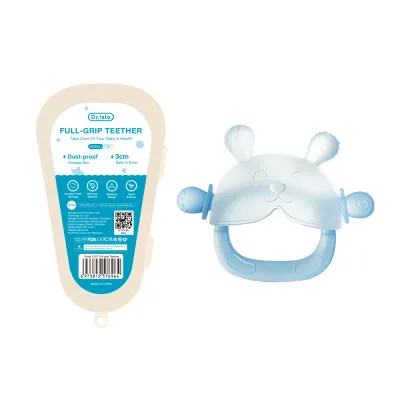


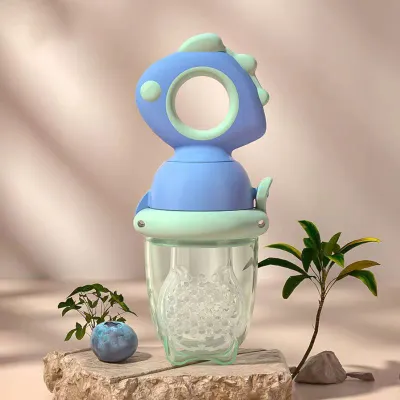
Prices are valid at publication and may change. Please refer to the product page for the latest price.
Natural rubber offers a softer, more yielding texture that many babies prefer during the early stages of teething. Harvested from Hevea trees, natural rubber is biodegradable and free from synthetic chemicals, though it tends to degrade faster than silicone when exposed to heat and sunlight. If your family has a history of latex allergies, you should exercise caution and monitor your baby closely when introducing natural rubber.
Untreated wood, such as beech or maple, provides a firm, natural alternative that helps massage deeper gum tissue. High-quality wooden teethers are naturally antimicrobial and free from synthetic chemicals, provided they are completely unfinished or sealed only with food-safe oils like coconut oil. However, wood requires careful maintenance to ensure it does not splinter or absorb excess moisture over time.
Before purchasing any teether for your baby boy, carefully inspect the packaging for safety certifications. Look for explicit labels indicating the product is free from bisphenol A (BPA), phthalates, and polyvinyl chloride (PVC). These chemicals are known endocrine disruptors that can leach out when subjected to constant chewing and warm saliva.
Always verify the manufacturer’s age recommendations and warnings printed on the packaging. A teether designed for an older infant may be too heavy or hard for a younger baby, potentially causing accidental injury. Checking the country of origin and looking for recognized international safety standards, such as ASTM or EN71, provides an extra layer of reassurance regarding material purity.
Assessing Design Features to Prevent Choking and Injury
Evaluating the physical structure of a teether is crucial for preventing choking hazards and physical harm. A solid, one-piece construction is generally the safest design option for infants. Teethers made of a single molded piece of silicone or rubber eliminate the risk of small parts detaching under the pressure of vigorous biting.

Multi-part designs, such as those featuring glued joints, plastic clips, or decorative wooden beads on a string, require heightened vigilance. Over time, saliva and physical wear can weaken these connections, causing small components to break off and present an immediate choking hazard. If you choose a multi-part teether, inspect every joint and thread before handing it to your baby.
Size and shape are equally important safety factors. The teether must be large enough that it cannot be swallowed or wedged into your baby’s airway. A helpful rule of thumb is to ensure the toy cannot pass through a standard toilet paper roll, which closely mimics the diameter of an infant’s throat. Avoid teethers with long, narrow protrusions that can reach too far into the mouth and trigger a severe gag reflex.
An effective teether should feature an ergonomic grip designed for small, developing hands. Open rings, easy-to-grasp handles, or lightweight keys allow your baby boy to practice his fine motor skills without getting frustrated. Additionally, look for a variety of surface textures, such as gentle ridges, soft bumps, and raised waves, which provide diverse sensory feedback and target different areas of sore gums.
Matching Teether Types to Your Baby Boy's Developmental Stage
Selecting a teether that aligns with your baby’s current motor skills and teething intensity ensures both comfort and safety. During the early teething stage, which typically begins around three to six months, the front incisors start to bud. At this point, your baby’s grip is still developing, and their gums are highly sensitive.
For these early months, lightweight and ultra-soft teethers are ideal. Wearable teething mitts that secure around the wrist with adjustable straps are excellent for babies who struggle to hold toys consistently. Soft silicone rings that are easy to grasp and manipulate also help your baby boy practice hand-eye coordination while finding quick relief for his front gums.
As your baby reaches six to ten months, his grasping ability improves, and the sharper canine teeth and first molars begin to emerge. This stage requires a transition to firmer materials that can withstand more intense chewing pressure. Medium-density silicone teethers with more pronounced textures or natural rubber toys offer the perfect balance of resistance and flexibility.
Once your baby boy passes the ten-month mark, his jaw strength increases significantly, and the back molars begin their slow ascent. Soft teethers may no longer provide enough counter-pressure to soothe this deep-seated discomfort. Transitioning to firm wooden teething rings or dense silicone keys helps apply the necessary pressure to the back of the mouth, though you must continue to monitor his chewing to ensure no pieces are bitten off.
Inspecting for Wear, Tear, and Proper Maintenance
Establishing a strict cleaning and inspection routine is vital for keeping your baby’s teethers hygienic and safe. Cleaning methods must be tailored to the specific material of the teether to prevent premature degradation. Food-grade silicone teethers are highly resilient and can usually be sanitized in boiling water, steam sterilizers, or the top rack of a dishwasher.
Natural rubber and wood require much gentler care. Natural rubber should never be boiled, microwaved, or placed in a steam sterilizer, as extreme heat causes the material to become brittle and sticky. Instead, wash rubber teethers with mild baby soap and warm water, then rinse them thoroughly. Wooden teethers should only be wiped down with a damp cloth and mild soap; never submerge wood in water, as this causes it to swell, warp, and splinter.
In the tropical climate of the Philippines, proper storage is essential to prevent mold growth. Never store damp teethers in airtight plastic containers or dark drawers. After washing, allow all teethers to air-dry completely on a clean, elevated drying rack in a well-ventilated area before placing them in a clean, dry storage basket.
Perform a quick physical inspection of every teether before handing it to your baby boy. Look for visible signs of wear and tear, such as hairline cracks, deep teeth marks, stickiness, discoloration, or loose parts. If a silicone or rubber teether feels sticky or shows signs of peeling, discard it immediately, as this indicates the material is breaking down and could release microparticles.
Frequently Asked Questions (FAQ)
Can I put my baby's teether in the freezer?
Standard solid silicone or natural rubber teethers should not be placed in the freezer. Freezing makes these materials extremely hard and unyielding, which can bruise or damage your baby’s delicate, inflamed gums. Instead, place standard teethers in the refrigerator to chill them safely. If you wish to use a frozen teether, only use products specifically labeled by the manufacturer as freezer-safe, and ensure they remain slightly pliable even when cold.
Are liquid-filled teethers safe for infants?
Liquid-filled teethers carry unique risks that require careful consideration. If your baby boy has sharp newly emerged teeth, he can puncture the outer plastic shell, leading to leaks of the internal liquid and potential ingestion. Furthermore, if the water inside is compromised, it can become a breeding ground for harmful bacteria. If you choose to use liquid-filled teethers, inspect them thoroughly for leaks before every use, discard them at the first sign of wear, and never freeze them, as expanding ice can rupture the seams.
Community discussion
Share your experience or ask a question. Comments are reviewed before publication.