
Choosing the right resting gear for your infant requires balancing comfort, convenience, and absolute safety. Many parents in the Philippines are drawn to the whimsical design of a baby star nest or traditional oval lounger, viewing them as cozy spots for daytime resting. However, before purchasing any baby bedding, you must understand exactly how to evaluate its safety features, physical structure, and material certifications. A safe baby nest must feature a firm base, breathable fabrics, and secure edges, and it must never be used for unsupervised or overnight sleep.
Understanding the Baby Star Nest and Safe Sleep Baselines
A baby nest, often referred to as a baby lounger, pod, or baby star nest, is a portable, fabric-walled cushion designed to cradle an infant. Its primary purpose is to provide a comfortable, semi-enclosed space for supervised daytime resting, tummy time, or light play. The raised, padded sides are intended to mimic the cozy feeling of the womb, helping to soothe a newborn while they are awake and under direct adult supervision.
Despite their comforting design, you must distinguish between supervised lounging and unsupervised sleep. Pediatric medical associations globally, including child health experts in the Philippines, maintain a strict consensus on infant sleep safety: babies must sleep on a firm, flat, and bare surface. This means a mattress free from pillows, loose blankets, bumpers, or soft padding.
Products mentioned in this guide
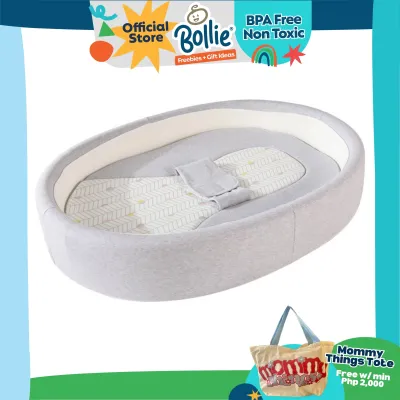
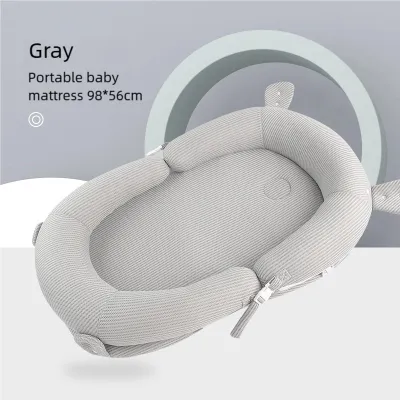
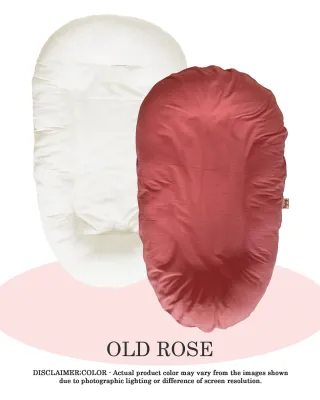
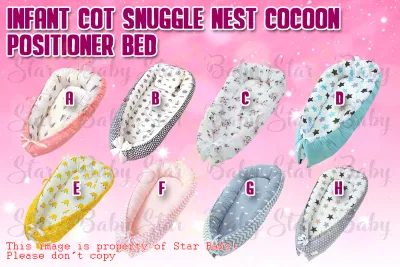
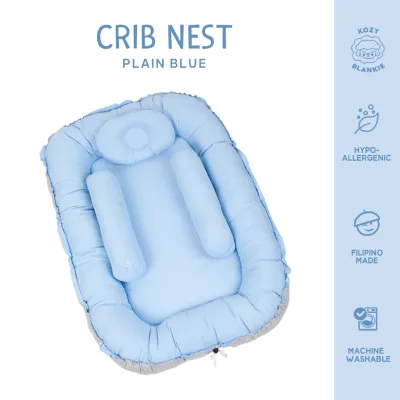
Prices are valid at publication and may change. Please refer to the product page for the latest price.
Whether you choose a traditional oval pod or a uniquely shaped baby star nest, the same foundational safety principles apply. The aesthetic shape of the nest does not alter its structural risks. Soft, raised edges can pose a suffocation hazard if an infant rolls or turns their face into the padding, which is why these products are strictly designed for supervised awake time rather than unmonitored naps.
Ultimately, a baby nest is not a substitute for a certified crib or bassinet mattress. When you leave your baby unattended or lay them down for overnight sleep, they must be placed in a dedicated sleep space that meets international safety standards. Using a lounger as a primary sleep surface increases risks, making it vital to use the nest only as a temporary, supervised lounging accessory.
Essential Safety Features to Evaluate
When shopping for a baby nest, you should look past the attractive patterns and focus entirely on the engineering of the product. The materials, construction, and structural integrity of the nest directly impact your child’s safety during supervised use.

Base Firmness and Fabric Breathability
The center resting area of the nest must be exceptionally firm and flat. When you press your hand into the center pad, it should not sink deeply or conform to your hand’s shape. Soft, plush surfaces allow an infant’s head to sink, which can lead to chin-to-chest positioning or re-breathing exhaled carbon dioxide—both of which pose severe respiratory hazards.
Fabric breathability is another critical factor, particularly in the warm and humid tropical climate of the Philippines. Look for moisture-wicking fabrics like organic cotton, bamboo-derived rayon, or specialized 3D mesh that promote continuous airflow. These materials help regulate your baby’s body temperature, preventing overheating and reducing sweat buildup during daytime rest.
You must avoid nests that feature thick, plush, or memory foam bases. While memory foam may seem comfortable for adults, it contours too deeply around an infant’s lightweight body. If a baby turns their head on a contouring surface, their nose and mouth can easily become obstructed, making firm, non-conforming foam or fiberfill the only safe options.
Bumper Design and Hazard-Free Edges
The raised bumpers surrounding the nest provide the signature cradling effect, but they also present the greatest physical risk if designed poorly. Bumpers must be low, firm, and securely attached to the base. If the bumpers are too soft or tall, they can easily block a baby’s airway if the infant shifts or rolls slightly to the side.
You should carefully inspect the nest for decorative elements like drawstrings, ribbons, loose ties, or detachable toy bars. While these features are often added for aesthetic appeal or adjustment, they represent significant strangulation and choking hazards. A safe design features fully enclosed seams, hidden zippers, and a complete absence of loose cords or dangling accessories.
Opt for designs that utilize flat, secure edges or breathable mesh bumpers. Some modern nests incorporate mesh panels along the inner walls to ensure that even if a baby’s face comes into contact with the side, air can still circulate freely. Ensure the bumpers maintain their structural integrity and do not collapse inward under mild pressure.
Matching the Nest to Your Baby’s Age and Size
Infants grow at an astonishing rate, and a baby nest that was safe for a newborn can quickly become hazardous as your baby develops. You must carefully match the product to your baby’s current physical measurements and developmental milestones.
Always verify the manufacturer’s documentation for explicit weight, length, and age limits before making a purchase. Do not rely on generic age recommendations like “0 to 6 months” without checking the corresponding weight limits. If your baby is exceptionally long or heavy for their age, they may outgrow the nest much sooner than the label suggests.
Improper sizing introduces distinct safety risks. A nest that is too small restricts your baby’s natural movement, forcing them into cramped positions that can compromise their airway. Conversely, a nest that is too large fails to provide the intended lateral support, allowing a small infant to slide down, shift sideways, or become wedged in the corners or under the bumpers.
The most critical developmental milestone to monitor is rolling over. Once your baby shows any signs of rolling, pushing up on their hands and knees, or turning over independently, you must stop using the baby nest immediately. A rolling baby can easily turn face-down against the soft bumper walls, creating an entrapment hazard that can quickly lead to suffocation.
Reading Labels and Verifying Manufacturer Warnings
A safe purchase requires looking beyond marketing claims and thoroughly examining the product packaging, labels, and manufacturer documentation. Many products are marketed with comforting buzzwords, but the physical warning labels tell the true story of how the item should be used.
Look for explicit warning labels permanently stitched onto the product. These labels should clearly state that the nest is intended for supervised use only and is not designed for overnight or unsupervised sleep. If a product lacks these warnings or uses vague language that suggests it can be used unsupervised, treat this as a major red flag and avoid the purchase.
You must verify recognized safety certification marks on the packaging or tags rather than taking claims at face value. Look for certifications such as OEKO-TEX Standard 100, which indicates the textiles have been tested for harmful substances, or CertiPUR-US for the foam base. Keep in mind that these certifications verify chemical safety and material purity, not physical sleep safety; a certified non-toxic nest still requires constant adult supervision.
Check the materials list to ensure the nest uses non-toxic, baby-safe dyes and hypoallergenic filling materials. This is especially important for babies with sensitive skin or prone to infant eczema. Avoid synthetic fillings that trap heat or release strong chemical odors upon opening.
Quality baby nests in the Philippines typically range from broad price bands of ₱1,500 to over ₱5,000, depending on organic certifications and imported materials. Review the seller’s warranty and return policy, particularly when purchasing from online marketplaces. High-quality manufacturers typically offer clear return windows and responsive customer support. If a nest arrives without proper safety labeling, instructions, or clear manufacturer contact details, you should return the item immediately rather than risk your baby’s safety.
Safe Placement and Tropical Maintenance Routine
Even the safest baby nest can become hazardous if placed in an unstable environment or allowed to deteriorate. Proper usage and a strict maintenance routine are essential to keep the lounging area clean and safe.
Always place the baby nest on a firm, flat, and level floor surface. Never place the nest on elevated surfaces such as beds, sofas, tables, or countertops, as an infant’s movements can cause the nest to slide off the edge. Furthermore, you must never place a baby nest inside a crib, bassinet, or playpen, as this violates safe sleep practices and can create dangerous gaps where a baby could become trapped.
In the humid, tropical climate of the Philippines, moisture control is a constant challenge. You must air out the baby nest regularly in a well-ventilated room or under indirect sunlight to prevent dampness. If you live in a particularly humid region, consider running a dehumidifier in the nursery to keep the indoor humidity at a reasonable level and prevent the buildup of mold, mildew, and dust mites.
Regularly inspect the inner filling of the nest for dampness, clumping, or signs of mold. When washing the nest, strictly follow the manufacturer’s care instructions. Many nests feature removable, machine-washable covers, while the inner cushion must be hand-washed or air-dried. Ensure the inner filling is completely dry before reassembling the nest, as damp filling can clump, lose its essential firmness, and harbor harmful bacteria.
Frequently Asked Questions (FAQ)
Can my baby sleep overnight in a baby nest?
No, baby nests are not recommended for unsupervised overnight sleep. Because they feature raised, padded bumpers and soft surfaces, they do not meet the medical criteria for a safe sleep environment. For overnight sleep, you should always place your baby on a firm, flat, and bare mattress in a certified crib or bassinet. If you have concerns about your infant’s sleep habits, consult a pediatrician for personalized, evidence-based guidance.
Are star-shaped baby nests safer than traditional oval ones?
No, the decorative shape of a baby star nest does not make it inherently safer than a traditional oval design. Safety is entirely determined by structural factors such as base firmness, fabric breathability, low bumper profile, and the complete absence of loose hazards like drawstrings. When choosing a nest, prioritize these physical safety features over the aesthetic silhouette of the product.
Can I put a baby nest inside a crib or playpen?
No, you should never place a baby nest inside a crib, bassinet, or playpen. Doing so introduces soft bedding materials into a designated safe sleep space, which increases the risk of suffocation. Additionally, the nest can create tight gaps between its outer edges and the crib bars, leading to potential entrapment. Only use the nest on a secure, flat floor area during supervised awake times.

Community discussion
Share your experience or ask a question. Comments are reviewed before publication.