
Starting the weaning journey is an exciting milestone for families in the Philippines, marking the transition from exclusive milk feeding to a world of vibrant flavors and textures. Whether you are introducing traditional purees like mashed kalabasa or exploring baby-led weaning with soft tropical fruits, having a dedicated baby chair seat feeding setup is essential for safety and comfort. A proper feeding chair does more than just keep your little one in one place; it provides the structural support necessary for safe swallowing, helps establish healthy eating habits, and creates a manageable space for the inevitable mess of early meals.
Choosing the right high chair requires balancing your home’s layout, your lifestyle, and your baby’s developmental needs. In a tropical climate where high humidity can accelerate mold growth on damp fabrics, and where dining spaces range from compact condominiums to spacious multi-generational homes, a one-size-fits-all recommendation does not exist. Instead of searching for a single universal winner, parents should focus on verifying safety certifications, assessing material durability, and understanding how different designs fit into their daily routines. This guide outlines the essential features, safety checklists, and practical considerations to help you select a reliable feeding chair that will support your child’s growth throughout their weaning journey.
Essential Features for a Practical Baby Feeding Chair
When evaluating any baby chair seat feeding option, prioritizing functional design over aesthetic appeal ensures a safer and more hygienic dining experience. The primary safety feature to examine is the harness system. A 5-point harness—which secures the baby over the shoulders, around the waist, and between the legs—is highly recommended for infants starting solids. This system prevents the baby from sliding downward or attempting to stand up in the seat. In contrast, a basic 3-point lap belt only secures the waist and crotch, leaving the upper body free to lean precariously, which can be hazardous if the child loses balance or tries to reach for items on the dining table.
Products mentioned in this guide
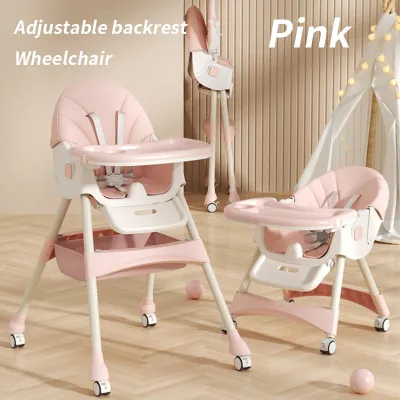
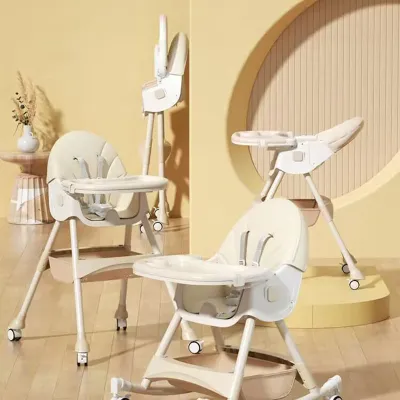
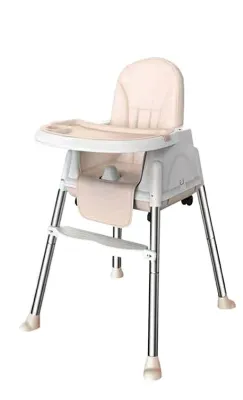
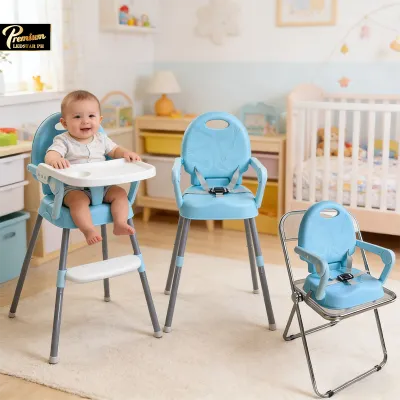
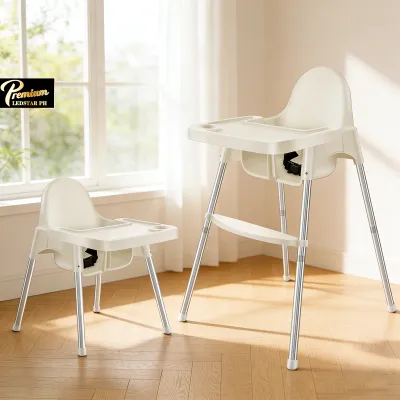
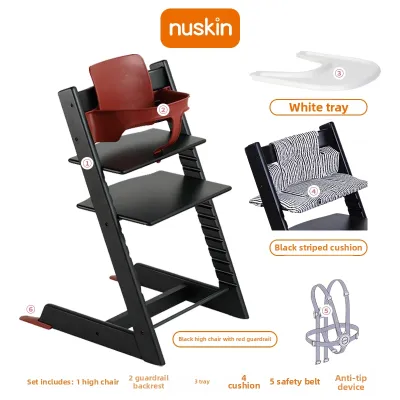
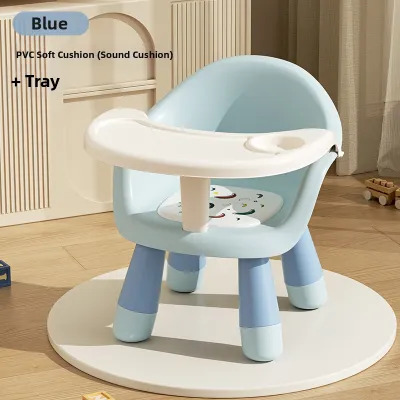
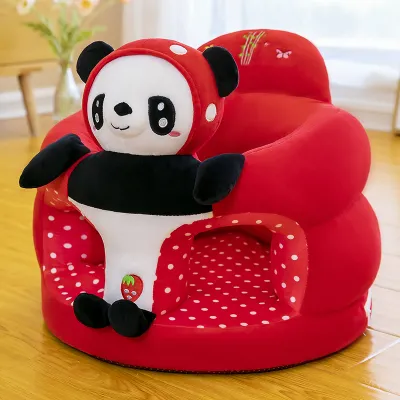
Prices are valid at publication and may change. Please refer to the product page for the latest price.
The tray mechanism is another critical component that directly impacts daily usability. Look for trays that feature a smooth, one-handed removal mechanism, allowing you to hold your baby with one arm while detaching the tray with the other. The tray material should be non-toxic, food-grade plastic, and ideally feature a removable, dishwasher-safe top cover. This double-tray design allows you to quickly whisk away the messy surface after a meal, leaving a clean base tray underneath for play or cup training.
Proper posture is fundamental to safe swallowing and reducing choking risks during meals. An adjustable footrest is essential for achieving the recommended “90-90-90” sitting posture, where the baby’s hips, knees, and ankles are all bent at comfortable 90-degree angles. Without a footrest, a baby’s legs dangle unsupported, which quickly tires their core muscles, leads to fidgeting, and compromises their stability while chewing and swallowing. Ensure the footrest can be adjusted vertically to accommodate your baby’s rapid growth during their first year.
Finally, consider the ease of cleaning, which is particularly vital in the warm, humid climate of the Philippines. Food particles trapped in tight seams, fabric folds, or under-seat crevices can rapidly breed bacteria and mold. Opt for chairs with seamless plastic or smooth wooden seats, and avoid heavy fabric padding with deep tufting. If the chair includes a seat cushion, verify that the material is water-resistant, easily wipeable, and completely removable for machine washing or air-drying in a well-ventilated area.
Matching High Chair Types to Your Space and Lifestyle
The physical layout of your home and your family’s daily habits should dictate the structural style of the feeding chair you choose. Selecting a model that complements your living space ensures that mealtime remains a seamless part of your household routine rather than a source of physical clutter.

Full-Size and Convertible High Chairs
Full-size high chairs are standalone units that offer excellent stability due to their wide base footprint. These models often feature comprehensive adjustability, including multiple recline positions, height levels, and tray depths. Many modern full-size options are designed as convertible systems, transitioning from a traditional high chair to a booster seat, and eventually into a toddler chair or study desk. This multi-stage longevity makes them a highly practical investment, with some models supporting children up to several years of age.
However, these benefits come with a larger physical footprint. Full-size chairs require a dedicated area in your dining room and can be difficult to maneuver in tight spaces. Before purchasing, measure your dining area to ensure the chair’s legs will not create a tripping hazard for family members. The weight of these chairs also makes them less portable, though some models feature locking caster wheels on the base to assist with moving the unit across flat floors.
Portable, Clip-On, and Travel Seats
For families living in compact spaces or those who travel frequently to visit relatives, portable feeding seats offer a highly efficient alternative. Clip-on table high chairs attach directly to the edge of your dining table using secure clamp mechanisms, suspended above the floor to eliminate floor clutter entirely. Alternatively, strap-on booster seats secure tightly to standard adult dining chairs using adjustable safety straps that wrap around the seat back and bottom.
When considering a clip-on seat, it is vital to verify your dining table’s structural compatibility. These seats must never be used on glass-topped tables, single-pedestal tables, folding tables, or tables with loose leaf inserts. You must also measure the table’s thickness and check for any under-table wooden skirts that might prevent the clamps from securing fully. Always check the manufacturer’s strict weight limits, as these seats rely entirely on the table’s counter-balance and structural integrity for safety.
Foldable and Compact Models
Foldable high chairs bridge the gap between full-size stability and space-saving convenience. These chairs feature frames that collapse flat, allowing you to store the unit in a closet, pantry, or behind a door when not in use. This is particularly advantageous for multi-purpose dining areas or smaller apartments where a permanent high chair would block walkways.
When evaluating foldable models, test the folding mechanism to ensure it can be operated smoothly without risking finger pinches. Look for designs that can stand independently when folded, preventing the chair from sliding and falling onto the floor. Keep in mind that some highly compact foldable models may compromise on tray size, seat padding, or footrest adjustability to achieve their slim profile, so weigh these trade-offs against your baby’s comfort needs.
Pre-Purchase Safety and Stability Inspection Checklist
Before finalizing your purchase of any baby chair seat feeding product, conducting a thorough safety and stability inspection is paramount. Whether you are examining a display model in a physical baby boutique or reviewing detailed specifications online, use the following checklist to verify structural integrity:
- Base Footprint and Center of Gravity: Ensure the chair has a wide, stable base. A pyramid-style leg configuration generally offers superior resistance to tipping compared to straight, vertical legs. Gently push the top of the empty chair from various angles; it should resist tipping and remain firmly planted on the floor. If the chair has wheels, verify that they lock securely to prevent sliding during active feeding sessions.
- Pinch Points and Sharp Edges: Run your hands along the frame, joints, and underside of the tray. Inspect for any exposed hinges, folding mechanisms, or sharp plastic seams that could pinch curious little fingers or scratch your baby's skin. Ensure there are no small, easily detachable parts—such as rubber caps or decorative plugs—that could become choking hazards.
- Harness Buckle and Strap Security: Test the harness buckle repeatedly. It should require a firm, deliberate press from an adult to release, preventing your baby from accidentally unclicking it. Inspect the straps to ensure they are made of durable, tightly woven webbing that does not slip through the adjustment buckles when pulled firmly.
- Manufacturer Specifications and Labels: Locate the physical safety label or user manual for the specific model. Verify the manufacturer's stated minimum age, maximum weight capacity, and developmental milestones. Never assume suitability based on product category alone; always confirm that your baby meets the exact physical criteria specified by the manufacturer before their first use.
Evaluating Options on E-Commerce Platforms and In-Store
Shopping for a baby chair seat feeding option in the Philippines involves navigating a wide array of choices across online marketplaces and physical retail stores. Whether you are budgeting ₱1,500 for a basic model or investing up to ₱8,000 in a convertible wooden system, start by utilizing search filters on e-commerce platforms to narrow down listings. Filter specifically for essential safety features, such as “5-point harness,” “adjustable footrest,” and “BPA-free tray.” This helps bypass low-quality, generic models that may lack basic safety configurations.
When reading customer reviews online, look past simple star ratings and focus on detailed feedback from other parents. Search for specific red flags, such as reports of the chair tipping when a toddler leaned back, mold developing under non-removable fabric covers, or straps that loosen on their own. Pay close attention to comments regarding assembly difficulty; a chair that is overly complex to assemble increases the risk of user error, which can compromise its structural safety.
Before purchasing, verify the seller’s return policies, warranty coverage, and the availability of replacement parts. High chairs undergo significant wear and tear from daily cleaning and active babies. Knowing you can easily source a replacement tray, harness strap, or seat cushion directly from the manufacturer or authorized distributor adds long-term value to your purchase.
Finalize your decision by comparing the physical dimensions of the chair against your measured dining space. If shopping in-store, bring a tape measure to verify the height of the tray relative to your dining table, especially if you plan to push the high chair close to the table so your baby can join family meals. If shopping online, carefully cross-reference the product’s footprint dimensions with the available floor space in your dining area to avoid crowding.
Safe Placement and Daily Maintenance During Weaning
Once you have selected and assembled your feeding chair, establishing safe placement and maintenance habits is crucial for ongoing safety. Position the high chair on a flat, level surface, ensuring all legs or wheels are fully stable. Keep the chair at a safe distance from walls, kitchen counters, heavy furniture, and electrical cords. Babies quickly learn to push off surfaces with their feet, and placing the chair too close to a wall or counter can allow them to push backward, potentially tipping the chair over. Additionally, ensure the chair is well away from tablecloths, placemats, hot liquids, and sharp utensils that your baby could reach and pull down.
Maintaining strict hygiene is essential to protect your baby’s developing immune system, especially in warm, humid environments. After every meal, wipe down the tray, seat, and harness straps with a damp cloth and mild, baby-safe soap. Avoid harsh chemical cleaners that could leave toxic residues on surfaces where food is placed. Once a week, perform a deeper clean: remove the tray entirely to wash it in warm, soapy water, vacuum or wipe out any food crumbs from the seat crevices, and inspect the harness straps for food buildup. Ensure all components are completely dry before reassembling the chair to prevent the growth of mold and mildew.
Lastly, remain vigilant for clear stopping conditions that indicate the chair is no longer safe to use. Stop using the feeding chair immediately if your child exceeds the manufacturer’s maximum weight or height limits, or if they demonstrate the ability to climb out of the harness independently. Regularly inspect the chair for signs of structural wear, such as cracked plastic, loose screws, frayed straps, or a malfunctioning buckle. If any safety component is compromised, discontinue use until it can be repaired with official replacement parts or replaced entirely.
Frequently Asked Questions (FAQ)
At what age or developmental milestone should a baby start using a feeding chair?
While many parents associate starting solids with the six-month mark, physical readiness milestones are far more important than age alone. Before placing your baby in a feeding chair for meals, they must be able to sit upright unassisted with minimal support, maintaining steady control of their head and neck. They should also show active interest in food, such as reaching for items or opening their mouth when food is offered. If a baby cannot sit upright without slumping forward or to the side, their airway may be compromised, making swallowing unsafe. Always consult your pediatrician if you are unsure about your baby’s developmental readiness.
Can a regular dining chair with a booster seat replace a dedicated baby high chair?
A booster seat secured to a regular dining chair can be a practical, space-saving alternative, but it requires careful safety verification. Standard dining chairs are generally less stable than dedicated high chairs, presenting a higher risk of tipping if the child pushes against the table. If you choose a booster seat, ensure the host chair has a wide, sturdy base and a solid backrest. The booster must feature secure straps that anchor it tightly to both the seat and the back of the dining chair, along with its own 3-point or 5-point harness to keep the baby secure. Never use a booster seat on a folding chair, stool, or unstable seating surface.
How do I know if my baby has outgrown their current feeding chair?
Your baby has outgrown their feeding chair when they exceed the manufacturer’s specified weight or height limits, or when their physical proportions no longer fit comfortably. Key indicators include the baby’s knees hitting the underside of the tray, their shoulders rising above the highest harness strap slot, or their head extending past the top of the seat backrest. Behavioral signs, such as repeated attempts to climb out or extreme discomfort during meals, also indicate it is time to transition. When these signs appear, transition your child to a toddler chair, a youth dining chair, or a table-height booster seat to ensure continued safety and comfort.
Community discussion
Share your experience or ask a question. Comments are reviewed before publication.