
Finding a reliable lock sa refrigerator is a critical step in childproofing your kitchen once your little one starts crawling and exploring. In the Philippines, where the kitchen is a bustling hub of daily activity and subject to high tropical humidity, choosing the right safety lock requires looking beyond basic plastic latches. The ideal solution must withstand constant pulling from a determined toddler, resist the peeling effects of a warm climate, and remain simple enough for busy parents to operate single-handedly.
Securing the refrigerator is not just about preventing a mess; it is a fundamental safety measure. Toddlers are naturally curious and quickly learn that the large, shiny appliance in the kitchen contains colorful items, cold treats, and interesting containers. Without a secure barrier, this curiosity can lead to physical injuries, exposure to spoiled food, or access to hazardous household items. By understanding the specific risks associated with an unsecured fridge and evaluating locks based on mechanical design, adhesive quality, and daily usability, you can create a secure environment that protects your child while maintaining a functional kitchen.
Why the Refrigerator Needs Special Attention During Baby-Proofing
The refrigerator presents a unique combination of hazards that are often overlooked compared to low cabinets or electrical outlets. One of the most immediate risks is the presence of choking hazards stored at toddler eye level. The lower shelves and door compartments often hold small food items like calamansi, cherry tomatoes, or condiment packets, while loose exterior magnets pose severe choking risks if swallowed.
Products mentioned in this guide
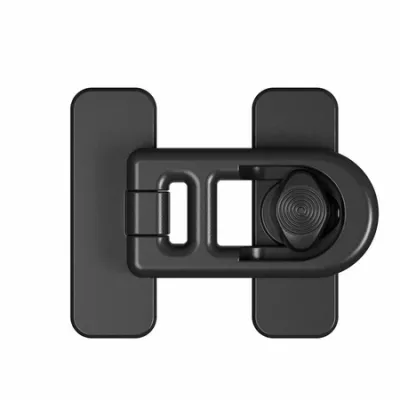
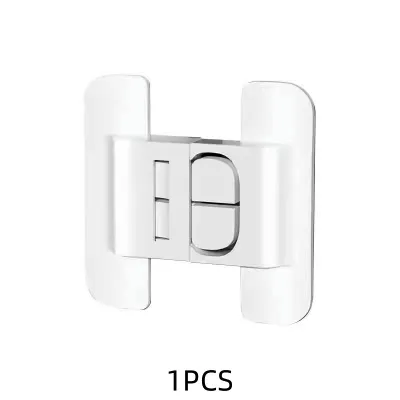
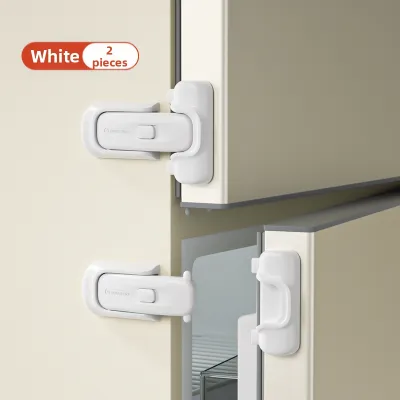
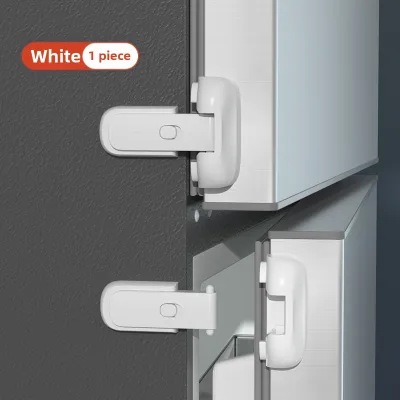
Prices are valid at publication and may change. Please refer to the product page for the latest price.
Heavy refrigerator doors also present physical risks. A toddler pulling on a tightly sealed door can lose their balance and fall backward onto hard kitchen tiles. If they succeed in opening it, their delicate fingers can easily get pinched in the hinges or crushed as the heavy door swings shut.
Additionally, refrigerator contents pose biological and chemical hazards. Raw meats stored on lower shelves carry harmful bacteria, while glass condiment bottles can shatter on hard floors if pulled out. Some households also store liquid medications inside, presenting a high risk of accidental poisoning if accessed by an unsupervised child.
Essential Features to Evaluate Before Buying a Fridge Lock
When shopping for a lock sa refrigerator, you must balance adult convenience with toddler resistance. A reliable childproof lock requires manual dexterity or hand strength that young children have not yet developed. Dual-action mechanisms—such as pressing two buttons simultaneously or sliding a release while pushing a button—effectively baffle toddlers while allowing adults to open the door single-handedly.

Adhesive strength is equally vital, particularly in the tropical climate of the Philippines. High humidity and ambient heat can cause minor condensation on appliance surfaces, which rapidly degrades low-quality glues. Look for locks featuring heavy-duty, temperature-resistant acrylic adhesives (such as genuine 3M tape) rated for stainless steel, glass, and painted metal finishes.
Durability and material safety are non-negotiable. The lock must withstand repeated, forceful tugs from a growing child using their body weight. Ensure the lock is constructed from high-quality, impact-resistant, BPA-free plastics like ABS or polypropylene (PP), as toddlers may occasionally try to chew on the device. Sturdy straps or latching arms prevent snapping or warping over time.
Lastly, consider the lock’s footprint and aesthetics. Bulky designs can interfere with door alignment or compromise the magnetic gasket, leading to cold air leaks and higher electricity bills. Opt for low-profile, streamlined designs that match your appliance’s color. A discreet lock is less likely to attract a toddler’s attention, reducing their desire to play with or attempt to bypass it.
Comparing the Main Types of Refrigerator Locks Available
Understanding the mechanical differences between lock styles helps you match the device to your appliance’s configuration.
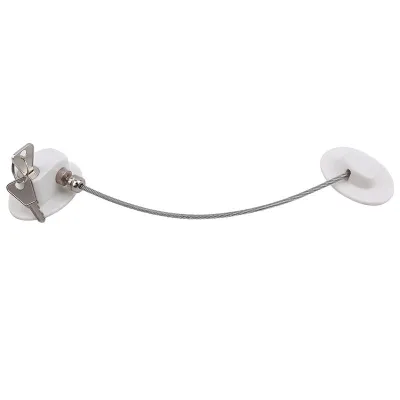
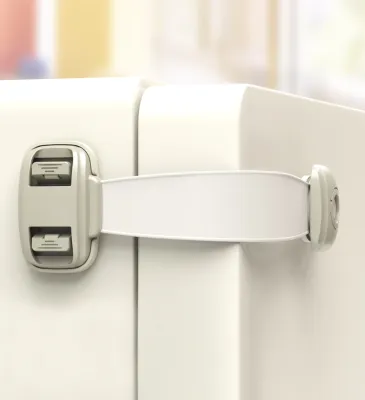
Strap locks with adhesive pads are highly versatile, consisting of two adhesive bases connected by a flexible plastic or fabric strap. Because the strap bends around corners, these locks are ideal for French doors, side-by-side models, or standard single-door units where the lock must span from the side panel to the front door. When choosing a strap lock, verify the maximum strap length and adjustability to ensure it bridges the gap securely without leaving slack that could let cold air escape.
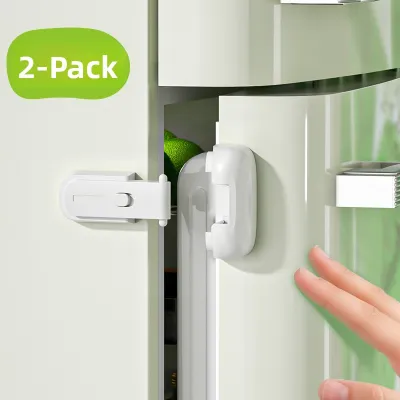
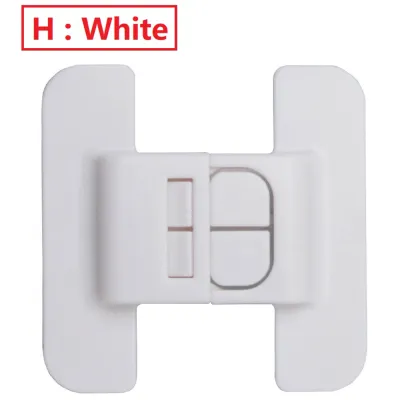
Push-button or slide-button latch locks offer a rigid, discreet alternative. These feature a hard plastic arm that latches onto a receiving base mounted on the adjacent door or side panel. To open the fridge, an adult presses a button or slides a release mechanism. While highly secure and visually unobtrusive, they require precise alignment during installation and are best suited for flat surfaces with minimal door gaps.
Magnetic locking systems provide a completely hidden childproofing solution. Installed on the interior or edge of the door, they leave the exterior free of visible plastic hardware. The lock releases when you place a specialized magnetic key on the outside of the door opposite the internal mechanism. While highly secure, they require strict key management; misplacing the key or leaving it within a child’s reach compromises the system.
U-shaped or sliding latch locks are mechanical barriers designed specifically for double-door refrigerators with vertical, parallel handles. These locks slide through the handles to physically prevent the doors from being pulled apart. They require no adhesives, making them excellent for rental homes. However, removing and replacing them during food preparation can be cumbersome for adults.
How to Build Your Shortlist When Shopping Online or In-Store
With numerous childproofing products available on online marketplaces and in local baby boutiques, building a reliable shortlist requires a systematic approach. Start by reading verified buyer reviews, paying close attention to feedback from parents living in warm, humid climates. Look for specific mentions of how well the adhesive holds up over several months of daily use and whether determined toddlers have successfully bypassed or broken the lock.
Next, verify the physical dimensions of the lock against your specific refrigerator model. Measure the gap width between doors, the curvature of the edges, and the clearance space around the handles. A lock that is too short or too bulky for your appliance configuration will not install securely and may fail under tension. Cross-reference these measurements with the manufacturer’s sizing charts before purchasing.
Prioritize products that come with clear manufacturer instructions and include replacement adhesive pads. Extra pads are highly beneficial if you need to reposition the lock during setup or move the appliance. Avoid products with vague safety guarantees or missing material specifications, focusing instead on brands that openly state their materials and provide clear guidelines.
Installation Checks and Daily Maintenance for Caregivers
Even the highest-quality lock sa refrigerator will fail if it is not installed correctly or maintained over time. Proper surface preparation is the most critical step for a secure bond. Before applying adhesive pads, clean the target area thoroughly using 70% isopropyl rubbing alcohol and a clean, lint-free cloth. This removes grease, dust, and fingerprint oils that prevent bonding. Avoid household glass cleaners or soapy water, as they leave a residue that compromises the adhesive’s grip.
Once the surface is dry, position the lock according to the instructions and press the adhesive pads firmly against the refrigerator for at least thirty seconds. After installation, you must observe the recommended curing time. Most high-quality adhesives require a full 24 hours to cure completely and reach maximum bonding strength. Do not test the lock or apply tension during this curing period, as doing so permanently weakens the bond.
Routine maintenance ensures the lock remains effective as your child grows stronger. Perform a weekly inspection, checking the edges of the adhesive pads for peeling or lifting. Test the locking mechanism to ensure it still engages smoothly and has not loosened from repeated use. If you notice any degradation, replace the lock or apply a fresh adhesive pad immediately.
When your child outgrows the lock, safe removal preserves your appliance’s finish. Use a hairdryer on a low-heat setting to gently warm and soften the adhesive. Once the glue is warm, slide a piece of dental floss or strong sewing thread behind the mounting pad in a sawing motion to lift it off. Clean any remaining residue using a gentle solvent like cooking oil or warm, soapy water, followed by a quick wipe with rubbing alcohol.
Frequently Asked Questions (FAQ)
Can I use a refrigerator lock on a stainless steel or glass fridge?
Yes, most high-quality adhesive refrigerator locks can be used on stainless steel and glass surfaces, but adhesive performance can vary based on the texture and finish of the appliance. Stainless steel surfaces with anti-fingerprint coatings or highly textured glass may reduce the surface area available for the adhesive to bond effectively. High humidity can also cause micro-condensation on these cold surfaces, potentially weakening the grip over time. To ensure a secure hold, always check the manufacturer’s compatibility list, clean the surface thoroughly with rubbing alcohol before installation, and test the lock on a small, inconspicuous area if you are concerned about potential finish damage.
What should I do if the adhesive pad leaves a residue on my fridge?
If removing a refrigerator lock leaves behind a sticky residue, you can safely clean it without damaging your appliance’s finish by using gentle, non-abrasive methods. Apply a small amount of common household cooking oil, baby oil, or warm soapy water to the residue and let it sit for a few minutes to break down the adhesive. Gently wipe the area with a soft microfiber cloth in a circular motion. Avoid using abrasive scrubbers, steel wool, or harsh chemical solvents like acetone, as these can permanently scratch or strip the protective coating off stainless steel, painted metal, or glass surfaces. Once the residue is gone, clean the area with a damp cloth and dry it thoroughly.
Community discussion
Share your experience or ask a question. Comments are reviewed before publication.