
Choosing the right bedding for a newborn baby boy involves balancing comfort, utility, and safety, especially when selecting a traditional pranela. This versatile flannel receiving blanket serves multiple purposes in a baby’s daily routine, from providing a cozy swaddle to acting as a clean barrier during diaper changes. To find the ideal pranela, parents must prioritize 100% cotton fabric for breathability, verify safe dimensions that allow for secure wrapping, inspect the edges for secure stitching, and select practical designs that withstand frequent washing. By focusing on these essential features, you can ensure your baby stays comfortable and safe in any environment.
Understanding the Pranela's Role in Your Nursery Bedding
In the Philippines, the term “pranela” refers to a soft, lightly brushed cotton flannel blanket that has been a staple in local nurseries for generations. Unlike heavier blankets designed for colder climates, a high-quality pranela provides just the right amount of warmth for newborns, making it exceptionally useful in air-conditioned nurseries or during cooler rainy days. Its primary function is to mimic the cozy, secure feeling of the womb, helping newborns transition smoothly to the outside world. Beyond swaddling, this multi-functional textile serves as a lightweight stroller cover to shield your baby boy from sudden drafts, a clean surface for unexpected diaper changes on the go, or a soft shoulder shield during burping sessions.
Understanding how a pranela differs from other nursery bedding options is crucial for building a safe and practical layette. While lightweight muslin swaddles feature an open, highly breathable weave ideal for hot afternoon naps, they may not provide sufficient insulation when the air conditioning is running overnight. Conversely, thick comforters and quilted blankets pose significant safety risks for newborns and are entirely unsuitable for unsupervised sleep spaces. The pranela sits perfectly in the middle, offering a denser, brushed texture that provides gentle warmth without the excessive weight or bulk of heavy bedding.
Products mentioned in this guide
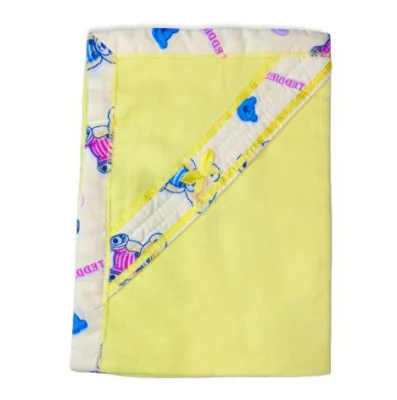
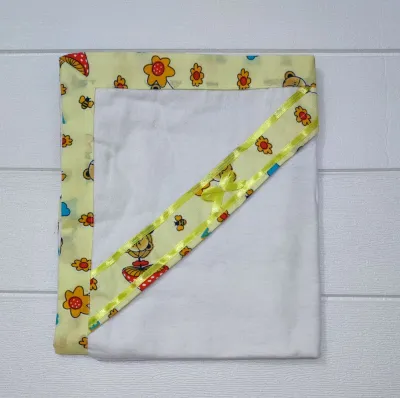
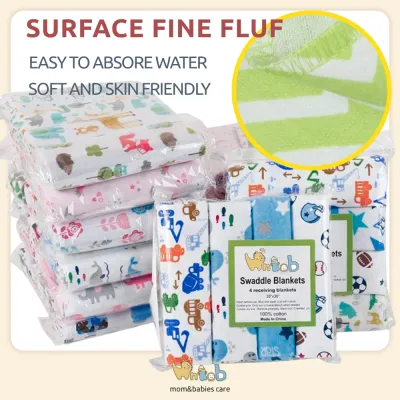
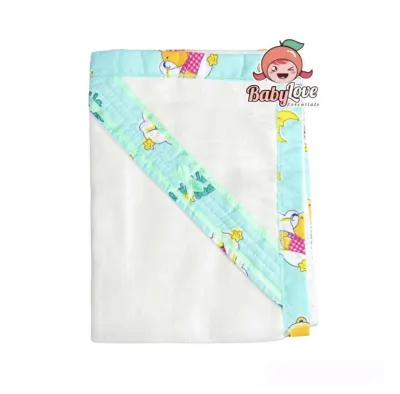
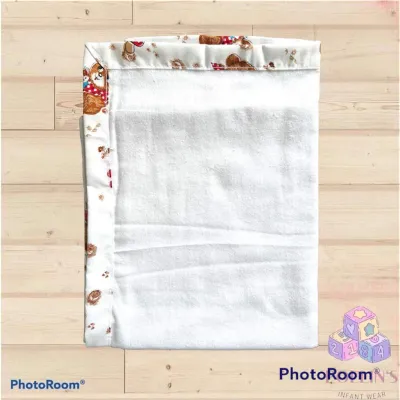
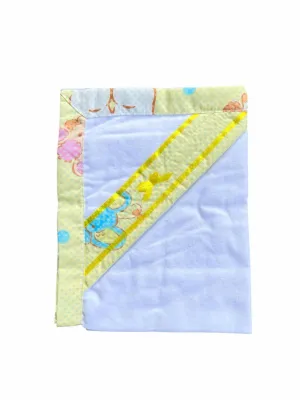
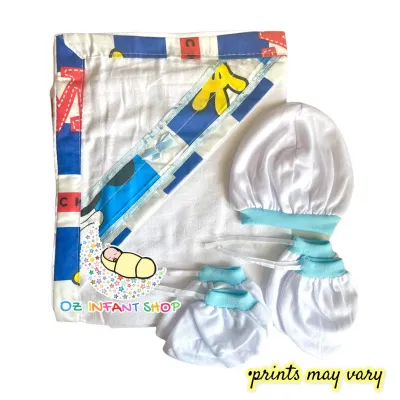
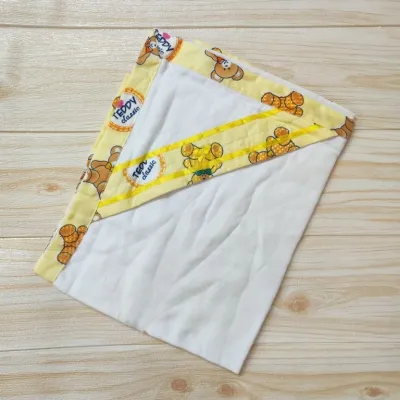
Prices are valid at publication and may change. Please refer to the product page for the latest price.
Because newborns are prone to frequent spit-ups, drool, and diaper leaks, maintaining a hygienic sleep and lounging environment requires a steady rotation of clean linens. A single pranela will quickly prove insufficient for daily demands. Parents should plan to have multiple pieces on hand so that a fresh, clean blanket is always within reach while others are in the laundry. This frequent rotation not only keeps your baby boy’s environment sanitary but also reduces the wear and tear on individual blankets, ensuring they remain soft and structurally sound throughout his first few months of life.
Core Selection Criteria: Fabric, Size, and Safety Checks
Material & Breathability
When shopping for a pranela, the fabric composition should be your very first checkpoint. Always look for labels that explicitly state “100% cotton flannel” rather than synthetic polyester blends. Pure cotton fibers are naturally hypoallergenic and highly absorbent, which is vital for a newborn’s sensitive skin. In tropical climates, breathability is paramount to prevent heat rash and overheating. While flannel is brushed for softness, a pure cotton weave allows air to circulate and moisture to wick away from the baby’s body. Avoid synthetic flannel alternatives, as polyester tends to trap heat and sweat, leading to discomfort and skin irritation.

Size & Dimensions
The dimensions of the pranela directly affect how easily you can wrap your baby boy and how long the blanket will remain useful as he grows. Standard receiving blankets typically measure around 30 by 30 inches, which is excellent for newborns but may quickly become difficult to secure as your baby gains weight and length. Opting for slightly larger dimensions, such as 36 by 36 inches or even 40 by 40 inches, provides more fabric to execute a secure swaddle that will not easily unravel when your baby wiggles. Larger blankets also offer better coverage when used as stroller drapes or nursing covers, extending their usability well into the infancy stage.
Safety Features
Safety must always take precedence over aesthetics when selecting newborn bedding. Before purchasing any pranela, carefully inspect the construction of the edges and seams. Look for blankets with flat, securely surged, or double-stitched hems that will not fray or unravel in the wash. Loose threads pose a serious risk of wrapping around a newborn’s tiny fingers or toes, potentially cutting off circulation. Additionally, completely avoid blankets with decorative elements such as ribbons, tassels, buttons, or delicate lace trims. These embellishments can easily detach, presenting choking hazards or entanglement risks for an active infant.
Certifications to Verify
To ensure the fabric is entirely safe for close contact with your baby’s skin, take the time to verify textile certifications listed on the product packaging or online descriptions. Look for recognized international standards, such as the OEKO-TEX Standard 100 certification, which guarantees that the textile has been rigorously tested for harmful substances and chemical residues. While these certified products may sometimes carry a slightly higher price tag, they offer peace of mind that the dyes and finishing agents used during manufacturing will not trigger allergic reactions or respiratory issues in your newborn.
Practical Design, Care, and Daily Use Considerations
Colors & Patterns
Selecting the visual design of your baby boy’s pranela is one of the most enjoyable parts of preparing the nursery. While classic pastel blues, soft greens, and neutral grays are popular choices, look for patterns that offer practical benefits. Prints featuring geometric shapes, playful animals, or starry skies are not only visually stimulating for a developing infant but are also highly effective at concealing minor, inevitable stains from spit-up or baby oil. Solid white or very light pastel blankets tend to show discoloration quickly, requiring intensive stain-removal treatments that can prematurely wear down the fabric fibers.
Washability & Shrinkage
Newborn laundry is a near-constant chore, meaning your pranelas will undergo dozens of wash cycles in their first few months. Before buying, check the manufacturer’s care label for specific washing instructions. High-quality cotton flannel is generally machine washable, but it is prone to some degree of shrinkage during the first few washes. Look for brands that pre-shrink their fabrics or explicitly state their colorfastness guarantees. To maintain the blanket’s shape and size, it is best to wash them in cool or lukewarm water and tumble dry on a low heat setting, or line dry in a shaded area to prevent sun-bleaching.
Texture & Softness
The physical feel of the fabric against your skin is an excellent indicator of how comfortable it will be for your newborn. A premium pranela should feel incredibly soft and velvety to the touch, with a consistent, low-pile brushed surface. Avoid blankets that feel stiff, scratchy, or overly thin, as these can easily chafe sensitive skin. Be cautious of fabrics that appear excessively fuzzy or have loose, long fibers, as these are highly prone to pilling. Pilled fabric not only loses its softness but can also release tiny lint particles that your baby might inhale or swallow during sleep.
Building Your Pranela Shortlist and Purchasing Strategy
Where to Shop
To guarantee you are purchasing genuine, high-quality cotton pranelas, choose your shopping venues carefully. Official brand stores and established maternity specialty retailers are the most reliable sources, as they curate products that meet strict safety standards. If you prefer the convenience of online shopping, focus on verified mall sellers and official flagship stores on major e-commerce platforms. Purchasing from unverified, third-party sellers increases the risk of receiving cheap synthetic counterfeits that are falsely labeled as 100% cotton, which can compromise your baby’s comfort and safety.
Evaluating Listings
When browsing online listings, do not rely solely on the product titles or promotional images. Dive deep into the product descriptions to verify the exact material composition, dimensions, and care instructions. Pay close attention to the customer review section, filtering for feedback from parents who have already washed and used the blankets. Look for specific mentions of how the fabric behaves after washing—such as whether it shrinks excessively, loses its softness, bleeds dye, or pills easily. Real-world feedback from other parents is invaluable for identifying high-performing products.
Budgeting & Bundles
Pranelas are available across a wide price spectrum, typically ranging from ₱150 for basic individual blankets to ₱800 or more for premium multi-pack sets. While it can be tempting to opt for the cheapest available option, investing in slightly higher-quality blankets often saves money in the long run because they withstand frequent washing without losing their shape or softness. Purchasing multi-pack bundles is generally the most cost-effective strategy. These sets often offer a mix of coordinating prints and solid colors, giving you a versatile inventory of blankets at a lower cost per piece than buying them individually.
Frequently Asked Questions (FAQ)
Can I use a pranela as a swaddle for my newborn?
Yes, a pranela is an excellent option for swaddling a newborn, provided you follow safe wrapping techniques and monitor your baby’s temperature closely. Because flannel is slightly thicker than muslin, it is highly effective at keeping babies cozy in air-conditioned rooms. However, you must regularly check your baby’s neck or chest to ensure he is not sweating or overheating. Always ensure the swaddle is wrapped securely but allows plenty of room for his hips and legs to move freely to prevent hip dysplasia. Stop swaddling immediately as soon as your baby boy shows any signs of attempting to roll over.
How many pranelas should I prepare before the baby arrives?
For a newborn, preparing a baseline inventory of six to eight pranelas is highly recommended. This quantity ensures you have enough blankets to handle daily spit-ups, drool, and diaper changes, even if you only do laundry two or three times a week. It is also wise to keep at least two dedicated pranelas packed in your diaper bag or stored in the stroller for on-the-go use. Having these extra blankets readily available ensures you are always prepared for sudden temperature drops in malls, unexpected messes, or the need for a clean, temporary changing surface while away from home.
Is it safe to use a pranela in the crib while the baby sleeps?
No, it is not safe to leave a loose pranela in the crib while your newborn is sleeping. Standard pediatric safe sleep guidelines emphasize that a baby’s sleep space should be completely free of loose bedding, pillows, bumper pads, and soft toys to prevent the risk of suffocation or sudden infant death syndrome (SIDS). If you wish to use a pranela during sleep, it must be wrapped securely as a swaddle, with all loose ends tucked away safely. Once your baby is too old for swaddling, transition him to a wearable sleep sack and keep the crib completely empty.

Community discussion
Share your experience or ask a question. Comments are reviewed before publication.