
Securing your kitchen is a critical step in child safety, and the refrigerator often poses hidden risks for curious toddlers. While traditional strap locks work well for infants, growing children quickly learn to bypass simple latches, making a password-protected lock a practical upgrade. Because refrigerator designs, door materials, and family routines vary widely, finding the right lock requires matching the mechanism to your specific appliance and usage habits. This guide outlines the essential evaluation criteria, compatibility checks, and maintenance routines to help you select a reliable password refrigerator lock for your home.
As children reach the toddler stage, their cognitive development and motor skills advance rapidly. They begin to observe adult behaviors closely, learning how to mimic everyday actions like opening doors and drawers. A standard refrigerator door, which typically requires only a gentle pull to break the magnetic seal, becomes an easy target for an active child. Upgrading to a password-protected lock introduces a cognitive barrier that young children cannot easily solve, providing an extra layer of protection in a busy household.
In the Philippines, where the tropical climate brings high humidity and warm temperatures, choosing the right baby-proofing hardware involves unique considerations. High humidity can affect the longevity of adhesives, while frequent kitchen activity means the lock will be opened and closed dozens of times a day. By understanding the different lock mechanisms, power requirements, and installation steps, you can secure your kitchen effectively without causing unnecessary inconvenience to your family’s daily routine.
Products mentioned in this guide
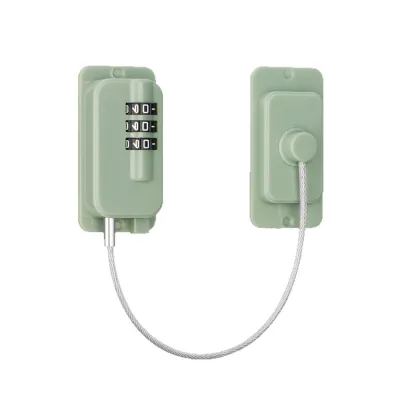
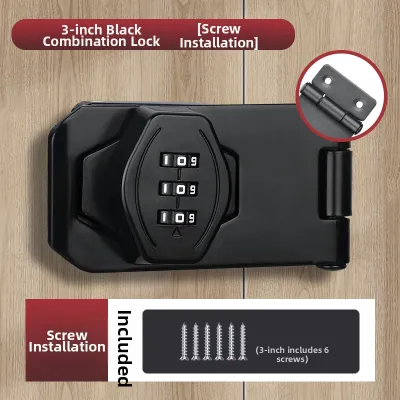
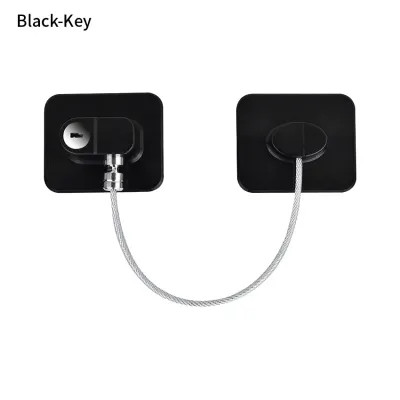
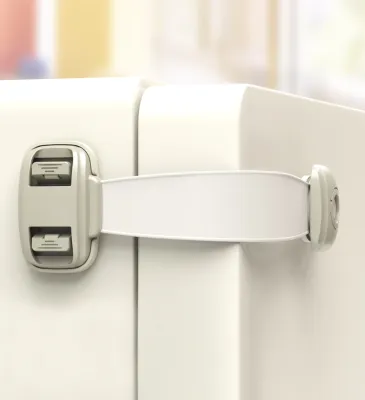
Prices are valid at publication and may change. Please refer to the product page for the latest price.
Why Baby-Proof the Refrigerator?
The kitchen is often the heart of the home, but it also contains numerous hazards for a curious toddler. Inside the refrigerator, several items can pose immediate safety risks. Heavy glass jars containing condiments, sauces, or drinks can easily slip from a child’s grasp and shatter on hard kitchen tiles, creating sharp shards and a dangerous mess. Additionally, small food items like grapes, cherry tomatoes, or calamansi can present choking hazards if accessed without adult supervision.
Beyond physical impact hazards, the refrigerator stores raw meats, poultry, and seafood that carry harmful bacteria. A toddler opening the fridge might touch these raw items or spill raw meat juices onto other foods, leading to cross-contamination and potential foodborne illnesses. Furthermore, some households store liquid medications, vitamin supplements, or even certain household cleaning agents in the refrigerator door, all of which must be kept strictly out of reach of children to prevent accidental ingestion.
As children grow, their problem-solving abilities develop alongside their physical strength. Around the age of 12 to 18 months, many toddlers begin to figure out simple physical latches. They watch how caregivers press a button or slide a plastic strap to open the fridge, and they quickly learn to replicate those exact movements. This is the point where standard baby-proofing straps often fail. Transitioning to a password refrigerator lock—whether it uses a mechanical combination dial or a digital keypad—ensures that even if the child understands the physical motion of opening the lock, they cannot bypass the security code.
Key Features to Evaluate in a Password Refrigerator Lock
When shopping for a password refrigerator lock on local ecommerce platforms, several critical features should guide your decision. The first is password management. You should look for locks that allow you to set your own custom combination rather than relying on a fixed, pre-set factory code. It is also important to verify if the lock features a physical override key or a master reset code. Having a backup entry method is essential in case you forget the combination or if the lock’s internal mechanism experiences a malfunction.

Build quality and material durability are equally important. A reliable lock must be able to withstand the constant pulling and tugging of a determined toddler. Review the manufacturer’s specifications for materials like high-impact ABS plastic, zinc alloy, or heavy-duty steel cables. The cables should be coated to prevent scratching your appliance and should resist fraying or stretching over time. Pay close attention to the strength of the locking mechanism itself, ensuring that the internal gears or latches are made of metal rather than cheap plastic that can snap under pressure.
Power source and indicators are a key consideration if you opt for an electronic or digital keypad lock. Many digital models are battery-operated, requiring standard AAA or button-cell batteries. Before purchasing, check how the lock alerts you to a low battery. Look for features like flashing LED warning lights or audible beeps that signal when it is time for a replacement. Additionally, verify if the lock has an external emergency power port, such as a micro-USB or USB-C slot, which allows you to temporarily power the keypad with a power bank if the batteries die completely while the door is locked.
Finally, consider the ergonomics and ease of use for adult caregivers. A lock that is too difficult or time-consuming to open will quickly become a source of frustration, leading family members to leave it unlocked. Look for designs that allow for smooth, one-handed operation so you can easily open the refrigerator while holding groceries, preparing meals, or carrying a baby. The buttons or dials should be large enough to press comfortably, and the feedback—whether a physical click or an electronic beep—should clearly indicate when the lock has successfully opened or engaged.
Comparing Lock Types and Mechanisms
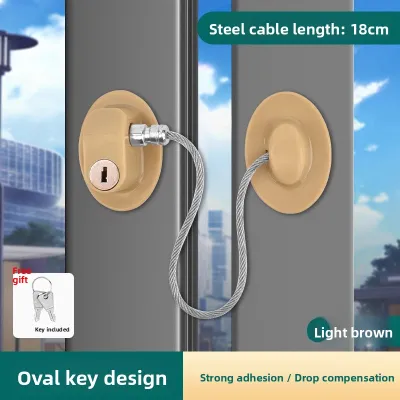
There are several distinct styles of password refrigerator locks available, each suited to different appliance configurations and living situations. Adhesive-mounted password padlocks are among the most common and versatile options. These locks consist of two plastic or metal plates that adhere to the refrigerator door and side panel, connected by a flexible steel cable that secures into a combination lock. They are highly effective for standard single-door or top-freezer refrigerators with flat, smooth surfaces. When choosing this type, it is vital to verify the adhesive’s rated weight limit and ensure your appliance’s surface can support a strong chemical bond.
Handle-integrated smart locks offer a more seamless, built-in appearance. These devices are designed to fit directly over or replace the existing handle of your refrigerator, preventing the handle from engaging unless the correct passcode is entered. While highly aesthetic, these locks are not universal. You must carefully measure your refrigerator’s handle dimensions and verify its shape—whether it is a protruding bar handle, a recessed pocket handle, or a flush-mount design—as handle-integrated locks are highly specialized and may only fit specific appliance brands or models.
Strap-style locks with digital combination dials are an excellent alternative for modern refrigerator configurations, such as side-by-side or French door models. These locks use a flexible, adjustable strap that wraps around the edges of both doors, securing them together in the center. Because French door refrigerators do not have a fixed center frame to attach a standard adhesive plate, a strap-style lock provides the necessary flexibility to bridge the gap between the two moving doors. However, because the strap is flexible, you must regularly check for stretching or slack that might allow a child to squeeze their hands through a small gap.
When deciding on a lock type, you must also weigh the trade-offs between permanent installation and damage-free adhesive options. For families living in rented homes or condominiums in the Philippines, adhesive-mounted locks are usually the best choice because they can be removed without leaving permanent marks or holes, preserving your security deposit. Permanent locks that require drilling into the refrigerator frame offer maximum physical security but will permanently damage the appliance exterior and almost certainly void the manufacturer’s warranty. Always check your lease agreement and appliance warranty terms before making a final choice.
Installation and Fridge Compatibility Checks
Before finalizing your purchase of a password refrigerator lock, it is essential to perform a thorough compatibility check on your specific appliance. Start by measuring the door gaps, handle clearances, and the overall curvature of the refrigerator’s front and side panels. Some modern refrigerators feature highly curved doors or textured finishes that prevent adhesive plates from making full contact with the surface. If the adhesive plate cannot sit completely flat, the bond will be significantly weakened, and the lock may easily pull away when tugged by a child.
Proper surface preparation is the single most critical factor in ensuring an adhesive lock remains secure over time. Before applying the adhesive, clean the mounting area thoroughly with rubbing alcohol to remove all traces of kitchen grease, dust, fingerprint oils, and cleaning residues. Avoid using household glass cleaners or multi-surface sprays, as these often leave behind a thin film that prevents the adhesive from bonding properly. Once clean, allow the surface to dry completely. After applying the adhesive plates, press them firmly for at least 60 seconds, and then respect the manufacturer’s required curing time—typically 24 to 72 hours—before attaching the cable or applying any tension to the lock.
You must also carefully evaluate how the installation might affect your refrigerator’s warranty and overall functionality. Drilling into the door or side panels of a modern refrigerator is highly risky, as it can puncture internal cooling lines, electrical wiring, or vacuum-sealed insulation panels. This can cause permanent, irreparable damage to your appliance and will immediately void any manufacturer warranty. Even when using high-strength adhesives, there is a small risk of stripping the paint, protective clear coat, or vinyl wrap off the refrigerator doors during removal, so it is wise to check the lock manufacturer’s recommended removal procedures beforehand.
If your kitchen features an unconventional or high-tech appliance, such as a smart refrigerator with a built-in touchscreen, glass door-in-door panels, or specialized touch-to-open sensors, standard lock placement may not be feasible. Placing a lock too close to these sensitive electronic components can interfere with their operation or cause physical damage to the glass. In these situations, stop and consult both the refrigerator manufacturer’s customer service and the lock manufacturer to identify safe, approved mounting zones that will not compromise your appliance’s advanced features.
Daily Use, Maintenance, and Troubleshooting
Maintaining a password refrigerator lock requires regular attention to ensure it remains a reliable safety barrier. Establish a weekly routine to perform a quick visual and physical inspection of the lock. Check the edges of the adhesive plates for any signs of peeling, lifting, or cracking, which can occur over time due to the high humidity and warm temperatures typical of Philippine kitchens. Gently tug on the cable or strap to verify that the tension remains secure and that there is no excessive slack that a child could exploit.
If you are using an electronic or digital keypad lock, pay close attention to battery maintenance. Do not wait for the batteries to die completely before replacing them; swap them out as soon as you notice a low-battery indicator or if the keypad’s response becomes sluggish. Always keep physical backup keys, reset pins, or emergency override tools in a highly secure, designated location that is completely inaccessible to children but known to all adult caregivers. Never store these backup keys on top of the refrigerator, in an unlocked kitchen drawer, or anywhere near the kitchen area where a curious child might find them.
Keeping the lock clean is important for both hygiene and security. Keypads, dials, and cables can quickly accumulate kitchen grease, food residue, and oils from cooking hands. Clean the lock regularly using a slightly damp microfiber cloth. Avoid spraying water or liquid cleaners directly onto the lock, especially electronic models, as moisture can seep into the housing and cause short circuits or corrosion. Regular cleaning also serves a security purpose: it removes oily finger marks and wear patterns on frequently pressed buttons, preventing an observant older child from guessing your passcode by looking at which numbers are worn down.
Frequently Asked Questions (FAQ)
Are password locks safe for all types of refrigerators?
Compatibility depends heavily on the door material and surface finish of your appliance. While these locks work exceptionally well on smooth, flat metal or plastic surfaces, they may not adhere properly to textured stainless steel, matte finishes, or glass panels. Before purchasing, cross-reference the lock manufacturer’s surface compatibility guidelines with your refrigerator’s user manual to ensure a secure and safe installation.
What happens if the lock's battery dies while the fridge is closed?
If the battery dies while the refrigerator is locked, you will need to use the manufacturer’s designated emergency access method. This typically involves using a physical manual override key or connecting an external power source, such as a power bank, to an emergency USB port on the keypad. To prevent being locked out of your food supply, regularly monitor low-battery alerts and always store backup keys in a secure, adult-only location outside the kitchen.
Can toddlers figure out the password by watching adults?
Yes, older toddlers and young children are highly observant and can quickly memorize short number sequences or notice which buttons are pressed most frequently. To prevent this, choose a lock that allows for longer passcodes, change the combination periodically, and shield the keypad with your hand when entering the code. Regularly cleaning the keypad to remove finger oils and wear marks also helps prevent children from identifying the correct numbers.
Community discussion
Share your experience or ask a question. Comments are reviewed before publication.