
A nursing pillow is a critical tool for establishing a successful breastfeeding relationship, primarily because it bridges the physical gap between your baby and your breast. Achieving a deep, comfortable latch requires precise positioning where your baby’s mouth is level with your nipple without forcing you to hunch forward. By selecting a pillow with the right height, firmness, and shape, you can maintain an ergonomic posture that supports both your body and your baby’s feeding alignment.
Many new mothers search for a “boobs pillow with nipple” alignment support to solve early feeding struggles. What this search highlights is the universal need for a dedicated support system that positions the baby’s head at the exact height of the breast. Without this elevation, caregivers often find themselves straining their arms, shoulders, and neck, which can lead to fatigue and early cessation of breastfeeding. Understanding how specific pillow dimensions interact with your body is the first step toward a more comfortable feeding journey.
Why Pillow Specs Matter for Proper Alignment
The physical design of a nursing pillow directly dictates how well you can position your baby during a feed. When a pillow is too low or too soft, the baby’s weight pulls them downward, causing them to slip away from the breast. This slipping often results in a shallow latch, where the baby pinches the nipple rather than taking in a full mouthful of breast tissue. A shallow latch is a primary cause of nipple soreness, cracking, and inadequate milk transfer, which can affect your baby’s weight gain and your overall milk supply.
Products mentioned in this guide
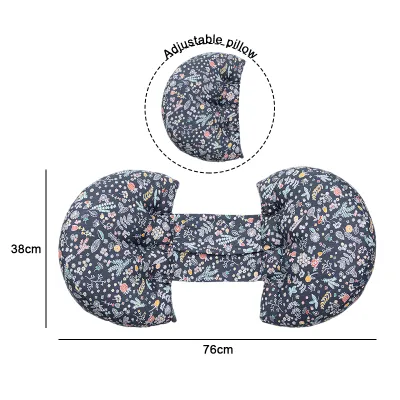
Prices are valid at publication and may change. Please refer to the product page for the latest price.
Using a pillow with the correct specifications helps prevent maternal physical strain. Breastfeeding is a repetitive task that occurs multiple times a day and night, totaling several hours. Hunching over to meet your baby’s mouth puts immense pressure on your lumbar spine, shoulders, and cervical neck muscles. An ergonomically designed pillow lifts the baby to your breast level, allowing you to sit back, relax your shoulders, and focus entirely on guiding your baby’s latch.
While a high-quality nursing pillow provides excellent physical support, it is important to remember that equipment alone cannot solve all feeding challenges. If you experience persistent nipple pain, difficulty getting your baby to latch, or concerns about your baby’s milk intake, you should consult a certified lactation consultant or a healthcare professional. These experts can evaluate your baby’s oral anatomy and your feeding technique to ensure a safe, comfortable, and successful breastfeeding experience.
Decoding Core Nursing Pillow Specifications
Nursing pillows come in several distinct shapes, each catering to different body types and feeding preferences. The classic C-shape or U-shape slides easily around the front of your waist, providing a convenient resting platform for your baby. Wrap-around designs, which often feature a strap or buckle that secures the pillow around your back, offer a more secure fit that prevents the pillow from shifting away from your body during active feeds. For mothers who have undergone a Cesarean delivery, a wrap-around design with adjustable firmness can protect the sensitive incision site from direct pressure.

The internal filling of the pillow determines its firmness, which is crucial for maintaining proper latch height. A pillow that is too soft might feel comfortable initially, but the baby’s weight will cause them to sink, forcing you to lift them back up with your arms. Look for high-density foam or firm polyester fiberfill that maintains its structure under weight. The surface should feel supportive enough that your baby rests comfortably on top of the pillow rather than sinking into it, keeping their nose and mouth safely aligned with your breast.
The ideal pillow height depends on your torso length and breast position. A taller mother with a long torso will generally require a thicker pillow to bring the baby up to the breast without slouching. Conversely, a mother with a shorter torso or lower-hanging breasts may find a thinner pillow more comfortable. The goal is to achieve a neutral posture where your elbows can rest naturally on the pillow or your sides while your baby’s head is positioned directly opposite your nipple.
Evaluating Cover Materials and Maintenance Features
In the tropical climate of the Philippines, high humidity and warm temperatures make fabric selection a top priority. Feeding sessions involve close skin-to-skin contact, which can quickly generate heat and sweat for both you and your baby. Choosing a nursing pillow cover made from breathable, natural fibers—such as 100% cotton, organic cotton, or bamboo-derived fabrics—helps regulate temperature and keeps your baby cool. Avoid synthetic materials like polyester blends that trap heat and moisture, as these can cause skin irritation or heat rashes on your baby’s delicate skin.
Hygiene is another critical factor when evaluating cover materials. Nursing pillows are subjected to daily spills, including breast milk leaks, infant spit-up, and diaper leaks. A pillow without a removable cover quickly becomes a breeding ground for bacteria and unpleasant odors. Ensure the pillow you choose features a durable, removable cover with a secure zipper or snap closure that can be easily stripped off and tossed into the washing machine.
Before washing your pillow cover or the inner cushion, always check the manufacturer’s care labels and specific instructions. Some pillow inserts are spot-clean only, while others can be fully machine-washed and tumble-dried. Washing a non-washable insert can ruin its structural integrity, causing the filling to clump and reducing the pillow’s height and firmness. Following the recommended care guidelines ensures your nursing pillow remains hygienic, supportive, and safe for your baby over months of continuous use.
Building Your Nursing Pillow Shortlist
To find the perfect nursing pillow, start by assessing your personal physical dimensions and preferred feeding setups. Consider where you plan to feed most often—whether in a nursery glider, on a wide living room sofa, or in bed. A bulky, wide pillow might not fit comfortably between the armrests of a narrow rocking chair, whereas a compact, adjustable design might be highly versatile. Take note of your torso length and breast size to determine whether you need a high-profile pillow or an adjustable multi-layer model.
Always verify product labels and manufacturer specifications for safety guidelines, including recommended age ranges and weight limits. Some pillows are designed strictly for newborn feeding support, while others can transition to tummy time or propping support as your baby grows. Ensure the product complies with local safety standards and does not contain harmful chemical flame retardants or allergens that could affect your baby’s respiratory health.
Finally, keep in mind that a nursing pillow is a positional aid, not a substitute for proper breastfeeding technique. Even the most ergonomically designed pillow requires you to actively guide your baby’s head, ensure their chin is tucked, and wait for a wide-open mouth to achieve a deep latch. Use the pillow to support your arms and hold the baby’s weight, but rely on your hands-on positioning techniques to secure a comfortable, pain-free latch.
Frequently Asked Questions (FAQ)
Can a nursing pillow be used for bottle feeding?
Yes, a nursing pillow is highly adaptable and can be used effectively for bottle feeding. The primary goal remains the same: elevating your baby to a comfortable height to reduce strain on your arms and shoulders. When bottle feeding, ensure your baby’s head is elevated higher than their stomach to promote safe swallowing and prevent milk from flowing into the middle ear. The pillow should support your baby’s back and neck, keeping their airway clear and aligned while allowing you to maintain eye contact and bond during the feed.
How do I know if my nursing pillow is too soft?
You can identify a pillow that is too soft by observing your baby’s position during a feed. If your baby gradually sinks into the cushion, causing their chin to press against their chest or their body to roll inward toward your stomach, the pillow lacks adequate density. Another clear sign is physical discomfort; if you find yourself constantly shrugging your shoulders, leaning forward, or using your forearms to prop up the baby’s weight despite using the pillow, the filling is not providing enough structural support to maintain the necessary latch height.
Community discussion
Share your experience or ask a question. Comments are reviewed before publication.