
Transitioning a toddler from bottle-feeding or breastfeeding to independent cup drinking is a major developmental milestone, but it often comes with a trail of spilled milk, water, and sticky juices. In the Philippines, where active daily routines and warm weather make constant hydration essential, finding a reliable no-spill toddler cup is a top priority for parents navigating the weaning phase. However, selecting the right cup is not just about preventing messy cleanups on your floors or car seats; it is also about supporting your child’s oral motor development. This guide provides a comprehensive framework to help you evaluate different spill-proof mechanisms, match cup styles to your toddler’s developmental readiness, and safely navigate online marketplaces to find high-quality, durable options.
Understanding No-Spill Mechanisms and Weaning Goals
To choose the right cup, it is essential to understand how different spill-proof valves control liquid flow. The most common designs include slit silicone valves, weighted straws, and 360-degree rimless edges. Slit silicone valves rely on the child’s biting or sucking pressure to open a tiny pre-cut slit in the silicone, allowing liquid to pass through only when active pressure is applied. Weighted straw cups utilize a flexible silicone straw with a heavy anchor at the bottom, ensuring the straw remains submerged in liquid even when the toddler tilts the cup in various directions. Meanwhile, 360-degree rimless cups feature a circular silicone seal that releases liquid from any point along the rim when the child applies gentle lip pressure.
Each of these mechanisms requires a distinct physical action from your toddler. While slit valves and straws rely on suction, 360-degree cups encourage a sipping motion that closely mimics drinking from a standard open cup. When planning your weaning strategy, keep in mind that the ultimate developmental goal is for your child to drink from an open cup. While spill-proof valves are incredibly convenient for travel and active play, relying on heavy-suction valves for too long can delay the development of mature swallowing patterns. Balancing the use of no-spill cups during active times with supervised open-cup practice during family meals is often the most effective approach.
Products mentioned in this guide
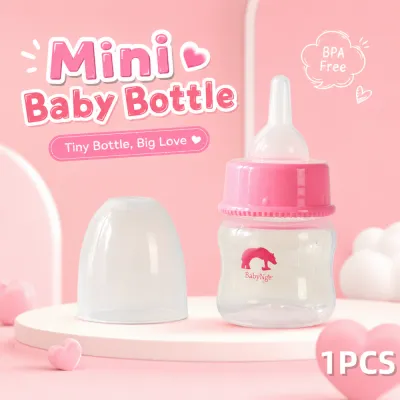
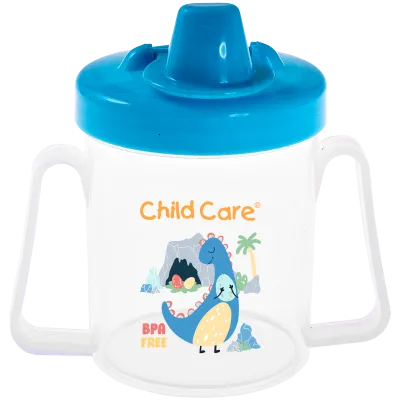
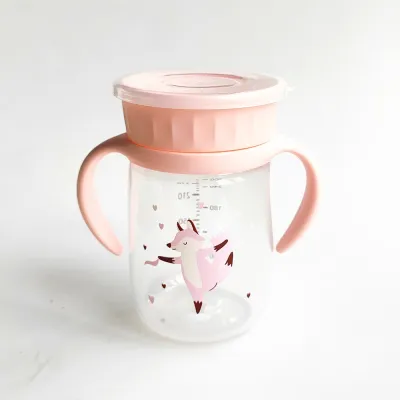
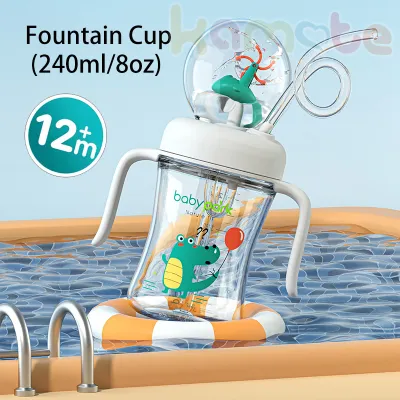
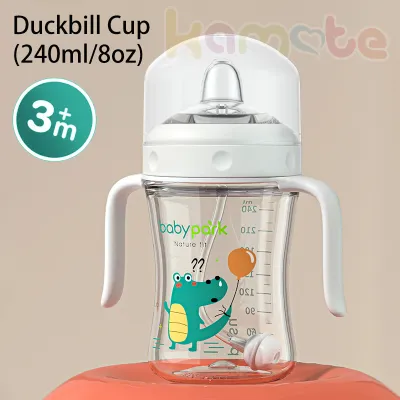
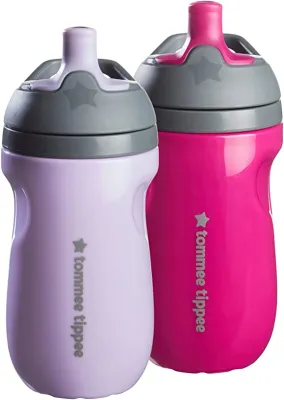

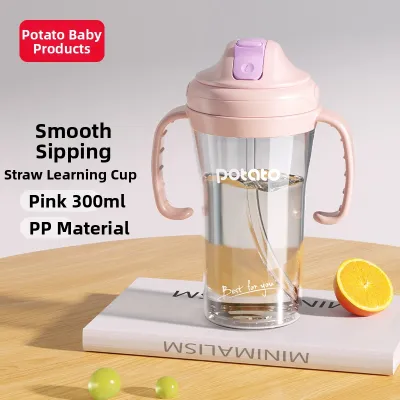
Prices are valid at publication and may change. Please refer to the product page for the latest price.
Key Features to Evaluate for Daily Use
When comparing options on the market, look beyond aesthetic designs and focus on the physical attributes that impact safety, durability, and daily maintenance. First and foremost, verify the materials used in the cup’s construction. Always inspect product packaging or manufacturer specifications to ensure all components—especially those in direct contact with liquids—are made from food-grade, BPA-free plastics, high-grade silicone, or stainless steel.

Ergonomics and grip are equally critical for a toddler’s developing motor skills. For younger toddlers, cups with dual, easy-grip handles help build hand-eye coordination and allow for a secure hold. As your child grows, you can transition to contoured, handle-free cups that fit comfortably in slightly larger hands. Additionally, look for cups with a wide, weighted base to prevent accidental tipping when placed on a high chair or table.
In the warm and humid climate of the Philippines, ease of cleaning is a paramount safety consideration. Complex valve systems with multiple tiny crevices can easily trap moisture, leading to rapid mold and bacterial growth. Before purchasing, check how easily the cup breaks down into individual parts. A cup that requires complete disassembly and has accessible, wide-opening valves will save you time and ensure a much higher standard of hygiene for your child.
Matching Cup Styles to Your Toddler's Developmental Stage
Toddlers develop at their own pace, and their drinking skills will evolve significantly during the weaning process. Transition cups featuring soft silicone spouts are often the first step for babies moving away from a bottle nipple. The familiar, pliable texture of a soft spout provides comfort, making the initial transition less jarring. However, because spouts still require a sucking motion similar to a bottle, they are best used as a temporary bridge rather than a long-term solution.
As your toddler develops stronger tongue control and advanced suction skills, straw cups become an excellent option. Drinking from a straw requires the child to retract their tongue and seal their lips, which helps strengthen the facial muscles used in speech development. Look for signs of readiness such as the ability to sit upright independently and a demonstrated interest in using straws during family meals.
For older toddlers who are preparing for standard glassware, 360-degree rimless cups are highly recommended. These cups allow children to drink from any side of the rim, teaching them how to tilt the cup and control the flow of liquid using their upper lip. This builds the exact muscle memory needed for open cups without the risk of massive spills. Rather than relying solely on the age guidelines printed on the packaging, observe your child’s coordination and interest to determine when they are ready to progress to the next stage.
Building Your Shortlist on E-Commerce Platforms
Shopping for baby products on online marketplaces in the Philippines requires a careful, systematic approach to ensure you receive authentic, safe items. Start by refining your search terms to target specific cup types, such as “weighted straw toddler cup” or “360 transition cup.” When browsing listings, prioritize official brand stores or highly rated, authorized distributors to minimize the risk of purchasing counterfeit products that may not meet food-safety standards.
Take the time to read through verified customer reviews, paying close attention to feedback regarding leaks, valve durability, and ease of assembly. Look for reviews that include photos or videos of the product in use, as these often provide a more accurate representation of the cup’s size and material quality than promotional images.
Another critical factor to consider is the long-term value and availability of replacement parts. Silicone straws and valves are prone to wear, tear, and occasional loss during washing. Check if the seller or brand offers replacement straws, valves, and cleaning brushes separately in ₱. Purchasing a cup system with readily available, affordable replacement parts is far more cost-effective than buying an entirely new cup every time a silicone component needs to be replaced. Finally, cross-reference the manufacturer’s recommended volume and age guidelines with your child’s current fluid intake to ensure the cup is neither too heavy nor too small for their daily needs.
Cleaning, Maintenance, and Safety Boundaries
Maintaining a strict cleaning routine is vital to protect your toddler from foodborne illnesses and mold exposure. After every use, completely disassemble the cup, separating the lid, collar, silicone valves, straws, and handles. Wash each part thoroughly with warm, soapy water using specialized, fine-tipped brushes designed to reach inside narrow straws and valve openings.
Given the high humidity levels in the Philippines, proper drying is just as important as washing. Lay all disassembled parts flat on a clean, well-ventilated drying rack, ensuring that air can circulate freely inside the valves and straws. Avoid reassembling the cup while any moisture remains, as trapped water is a prime breeding ground for mold.
Establish a weekly routine to inspect all silicone components for signs of wear. Toddlers often bite down on straws and spouts, which can cause micro-tears or weaken the material over time. Run your fingers along the silicone to check for stiffness, stickiness, or cracks. If you observe any damage, deep discoloration, or persistent mold spots that cannot be cleaned, stop using those components immediately. Replacing worn parts promptly prevents potential choking hazards and ensures your child’s drinking water remains clean and safe.
Frequently Asked Questions (FAQ)
When should a toddler transition away from no-spill cups?
Most pediatricians and dental professionals recommend introducing open cups around 12 months of age, with the goal of transitioning away from spill-proof cups entirely by 24 months. Prolonged reliance on valves can limit the development of mature swallowing patterns. To ease this transition, introduce a small, durable open cup during supervised mealtimes, filling it with just a few sips of water at a time to build your child’s confidence and control.
Do spill-proof valves affect oral motor development?
Yes, the type of cup and the duration of its use can impact oral motor development. Hard spout cups that require a strong, bottle-like sucking motion can keep the tongue positioned forward, potentially affecting dental alignment and speech patterns if used excessively. In contrast, straw cups and 360-degree rimless cups encourage tongue retraction and lip-sealing, which are highly beneficial for developing the muscles needed for clear speech and proper chewing.
How can I effectively clean hard-to-reach valve parts?
To clean intricate valve parts safely, use a dedicated micro-brush or straw brush to gently scrub the interior surfaces. Soaking the disassembled silicone parts in warm, soapy water for a few minutes can help loosen dried milk or juice residue. Always refer to the manufacturer’s instructions before using steam sterilizers, UV sterilizers, or boiling water, as excessive heat can warp certain plastics or degrade silicone seals over time.
Community discussion
Share your experience or ask a question. Comments are reviewed before publication.