
When preparing for the arrival of a newborn, setting up the nursery is one of the most exciting milestones for parents in the Philippines. Among the many decisions you will make, choosing the right cribset is crucial for your baby’s comfort and safety. While retail displays and online marketplaces often showcase elaborate, multi-piece bedding sets adorned with matching pillows, thick quilts, and decorative bumpers, modern pediatric safety guidelines emphasize a much simpler approach. A safe infant sleep environment must be remarkably bare, prioritizing a firm mattress, a tightly fitted sheet, and a reliable waterproof protector over decorative accessories.
Navigating the wide array of baby bedding options requires balancing aesthetic desires with strict safety standards and the practical realities of a tropical climate. High humidity and year-round warm temperatures mean that fabric choice directly impacts your baby’s skin health and sleep quality. By understanding which components are truly essential, how to verify a secure fit, and which materials promote optimal airflow, you can create a serene, hazard-free sleeping space. This guide provides a comprehensive framework to help you evaluate crib bedding options, avoid common commercial pitfalls, and build a practical shortlist tailored to your family’s needs.
Essential Components of a Safe Newborn Crib Set
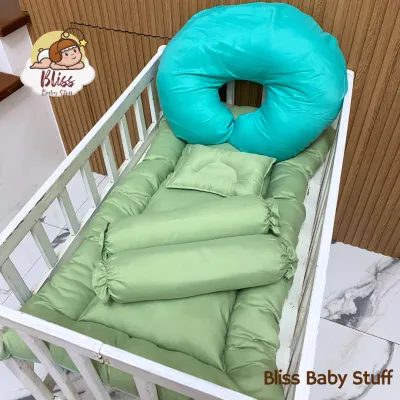
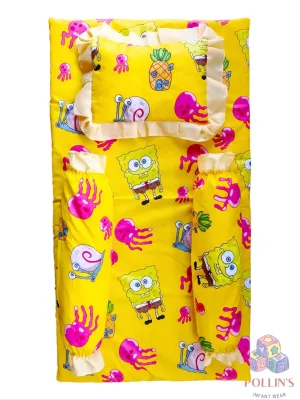
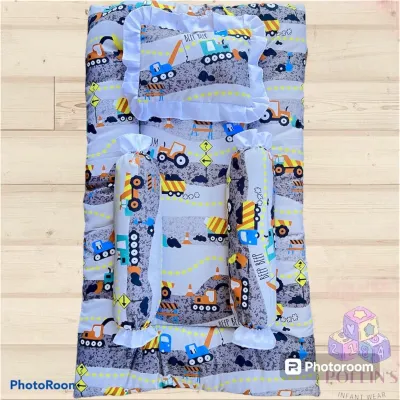
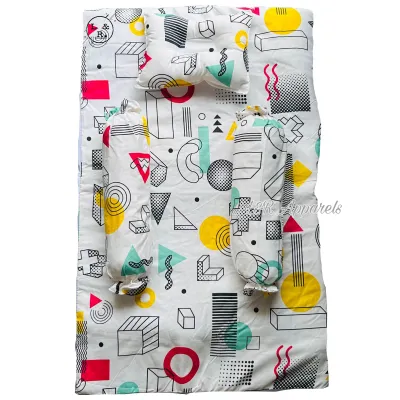
When browsing baby stores, you will frequently encounter packaged bedding sets marketed as complete solutions for your infant’s nursery. These commercial bundles often include a wide variety of items, ranging from fitted sheets to matching pillows, bolsters, heavy quilts, and padded bumper wraps. While these coordinated sets look beautiful in photos, many of the included pieces are not only unnecessary for a newborn but can also introduce serious safety hazards into the crib. To protect your baby and make a smart financial investment, it is essential to distinguish between must-have bedding items and decorative pieces that should be avoided.
Products mentioned in this guide
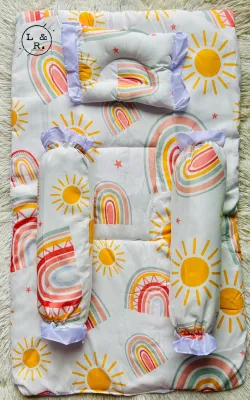
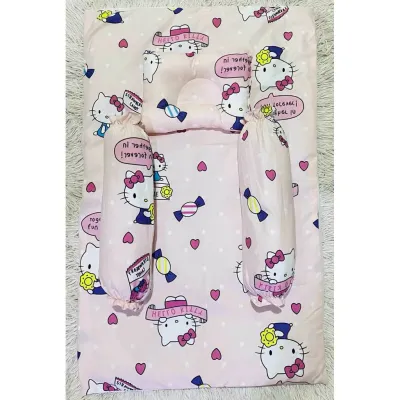
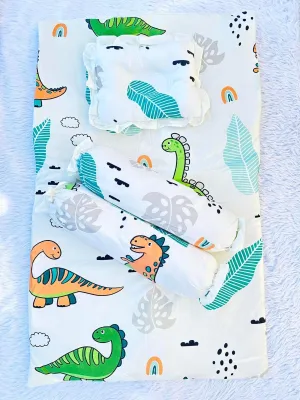
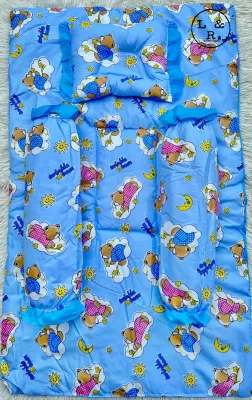
Prices are valid at publication and may change. Please refer to the product page for the latest price.
The absolute essentials for a newborn’s crib are minimal. First and foremost is a high-quality fitted sheet designed to wrap tightly around the mattress. This sheet provides a soft, clean surface for your baby’s sensitive skin while remaining securely anchored to prevent loose fabric from bunching up. Alongside the fitted sheet, a waterproof mattress protector is highly recommended. Newborns frequently experience diaper leaks, spit-ups, and wet messes, and a waterproof barrier prevents moisture from seeping into the core of the mattress. In the humid climate of the Philippines, keeping the mattress dry is critical to preventing the growth of mold, mildew, and dust mites, which can trigger allergies and respiratory issues. Finally, instead of traditional blankets, a wearable sleep sack or swaddle is an essential component of modern baby bedding, providing safe, consistent warmth without the risk of covering the infant’s face.
Conversely, several items commonly found in commercial crib sets pose significant safety risks and should be kept out of the sleep environment entirely. Padded bumper pads, which were historically used to prevent babies from bumping their heads against crib slats, are now widely recognized as suffocation and entrapment hazards. Similarly, pillows, bolsters, loose blankets, and heavy decorative quilts should never be placed in a sleeping newborn’s crib. A baby’s airway is highly vulnerable, and soft bedding can easily obstruct their breathing if they roll over or if the fabric shifts during sleep.
When evaluating bundle deals, look closely at the itemized list of what is included in the package. While a basic, high-quality fitted sheet might cost around ₱300 to ₱800, elaborate multi-piece sets can range from ₱1,500 to over ₱5,000. If a beautifully designed set includes unsafe decorative pieces like bumpers or pillows, calculate whether it is more cost-effective to purchase the safe components individually. If you do choose to buy a bundle for its aesthetic appeal or because it is offered at an attractive price point, make a firm decision to discard or repurpose the hazardous items. For example, a heavy decorative quilt can be safely repurposed as a padded play mat for supervised tummy time on the living room floor, while bolsters can be stored away until your child is much older and transitioned out of the crib.
Safety and Fit: The Non-Negotiable Priorities
Ensuring a precise, secure fit between your bedding and the crib mattress is a non-negotiable step in setting up a safe nursery. Even the highest-quality, most breathable fabric can become a hazard if it does not fit the mattress properly. Loose sheets can easily pull away from the corners of the mattress, creating folds of excess fabric that can pose a risk of suffocation or entanglement for an active newborn. To prevent these dangers, parents must learn how to verify the physical fit and structural integrity of every bedding component before allowing their baby to sleep on it.

One of the most reliable ways to verify the fit of your crib bedding is by performing a physical check once the sheet is installed. After putting the fitted sheet on the mattress, try to slide two fingers between the edge of the mattress and the crib frame. The mattress itself should fit snugly within the crib with no significant gaps that could trap a baby’s limbs. Next, pull gently on the center of the fitted sheet to ensure it is incredibly taut and does not easily bunch up or lift off the mattress surface. The elastic band of the sheet should run continuously around the entire bottom edge, rather than just at the corners, as this continuous elastic provides a much stronger grip and prevents the sheet from slipping off when the mattress flexes.
In addition to checking the fit, always inspect the manufacturer labels on all bedding components for age appropriateness, weight limits, and specific safety warnings. Many sleep sacks and wearable blankets are categorized by weight and height rather than just age. Using a sleep sack that is too large can allow your baby’s head to slip inside the neck opening, creating a suffocation hazard, while one that is too small can restrict hip movement and cause discomfort. Checking these labels ensures that the product is structurally suited for your newborn’s current developmental stage.
Finally, conduct a thorough physical inspection of all hardware, closures, and stitching on the bedding. Examine zippers, buttons, snaps, and ties to ensure they are securely attached and function smoothly. Zippers on sleep sacks should have a fabric guard or “zipper garage” at the top to protect your baby’s delicate chin from scratches. Avoid any bedding items that feature long decorative ribbons, loose threads, or dangling embellishments, as these can easily wrap around tiny fingers or toes, cutting off circulation, or become detached and present a choking hazard. If you notice any signs of wear, loose stitching, or broken closures, stop using the item immediately and consult the manufacturer or a qualified professional.
Material and Fabric Considerations for Warm Climates
In the tropical climate of the Philippines, managing heat and humidity is a daily priority for parents. Newborns have an underdeveloped thermoregulation system, meaning they cannot sweat or cool themselves down as effectively as older children or adults. Overheating is not only uncomfortable and a frequent cause of sleep disruptions, but it is also associated with an increased risk of heat rash, skin irritation, and sleep-related safety concerns. Consequently, selecting highly breathable, moisture-wicking, and easy-to-clean fabrics for your baby’s bedding is essential for maintaining a comfortable and healthy sleep environment.
When comparing materials, natural fibers are generally superior to synthetic alternatives for heat dissipation and airflow. Cotton is the most popular and widely available choice, valued for its durability, softness, and natural breathability. For even greater airflow, cotton muslin is an exceptional option; its loose, open weave allows heat to escape easily, making it ideal for warm afternoons. Bamboo-derived fabrics have also gained immense popularity in recent years due to their silky texture, natural moisture-wicking properties, and cool-to-the-touch feel. Bamboo fibers excel at pulling sweat away from the baby’s skin, helping to keep them dry and comfortable even on humid nights.
Beyond breathability, the practical realities of daily baby care require fabrics that are highly durable and easy to maintain. Newborn bedding must withstand frequent, heavy-duty washing to handle spit-ups, drool, and diaper blowouts. Prioritize machine-washable fabrics that can handle warm water cycles without shrinking, warping, or losing their softness. Quick-dry materials are particularly advantageous during the rainy season in the Philippines, when high humidity can make line-drying a slow and frustrating process. Having bedding that dries rapidly ensures you can maintain a clean rotation without needing to purchase an excessive number of spare sheets.
Lastly, pay close attention to skin sensitivity when reviewing fabric labels. A newborn’s skin is incredibly thin and highly permeable, making it susceptible to irritation from harsh chemical treatments, synthetic dyes, and finishing agents used during manufacturing. Look for bedding labeled as hypoallergenic or free from harmful chemical residues. To protect your baby’s skin, always wash new bedding with a mild, fragrance-free, baby-safe detergent before its first use. Additionally, avoid using fabric softeners on infant bedding; softeners leave a chemical coating on the fibers that can significantly reduce the fabric’s natural breathability, absorbency, and flame-retardant properties. If your baby develops persistent skin rashes or signs of irritation, consult a qualified pediatrician or healthcare professional.
Building Your Crib Bedding Shortlist: Pre-Purchase Checks
With countless options available both in physical department stores and on online marketplaces, building a shortlist of high-quality crib bedding requires a systematic approach. Making impulsive purchases based solely on cute patterns or low prices can lead to frustration if the items turn out to be poorly sized, easily damaged, or uncomfortable for your baby. By establishing a clear, condition-based checklist, you can confidently evaluate your options and ensure that every piece of bedding you purchase is safe, durable, and practical.
The first and most critical step in your pre-purchase check is to verify the exact dimensions of your crib mattress. While many products are marketed as “standard size,” crib dimensions can vary slightly between manufacturers, especially when comparing imported European or American brands with locally manufactured wooden cribs. A difference of just a few centimeters can result in a sheet that is either too loose (creating dangerous folds) or too tight (causing the mattress corners to bend upward, creating gaps). Use a tape measure to record the precise length, width, and depth of your mattress, and compare these measurements directly against the product specifications of the bedding you are considering.
When shopping on e-commerce platforms, customer reviews are an invaluable resource for assessing real-world performance. Look past the initial five-star ratings and actively search for reviews that mention how the fabric behaves after multiple wash cycles. Pay close attention to feedback regarding post-wash shrinkage, color fading, and elastic wear. If multiple buyers report that a fitted sheet shrank significantly or that the elastic band lost its stretch after a few washes, it is best to remove that option from your shortlist.
Finaly, evaluate the credibility of the seller and the platform’s return policies before finalizing your purchase. When buying from online marketplaces, prioritize official brand stores or authorized distributors to ensure you are receiving authentic products made from the advertised materials. Verify that the seller has a clear, hassle-free return or exchange policy. This protection is essential in case the bedding arrives with manufacturing defects, loose stitching, or dimensions that do not match the product listing, allowing you to return the item without financial loss.
Frequently Asked Questions (FAQ)
How many fitted sheets do I realistically need for a newborn?
For a newborn, a practical minimum is to have three to four fitted sheets in your rotation. This quantity allows you to manage the frequent messes associated with early infancy without experiencing laundry emergencies. With a four-sheet rotation, you can have one sheet currently on the crib mattress, one clean sheet stored in the closet ready for immediate use, one sheet in the laundry hamper, and one extra spare to handle unexpected middle-of-the-night diaper leaks or spit-ups. Having this buffer is especially helpful during the rainy season in the Philippines, when high humidity can prolong drying times, ensuring that your baby always has a clean, dry, and safe place to sleep.
Are crib bumpers ever safe or recommended for newborns?
No, crib bumpers are not safe and are never recommended for newborns, regardless of whether they are traditional padded bumpers or modern mesh alternatives. Pediatric health organizations and safe sleep guidelines advise keeping the crib completely bare to minimize the risk of accidental suffocation, entrapment, and sudden infant death syndrome (SIDS). Padded bumpers can restrict airflow within the crib and create a pocket where a baby’s face can become pressed, leading to suffocation. Mesh bumpers, while marketed as breathable, still present strangulation risks due to their ties and can be used as a foothold for older, mobile babies to climb out of the crib, leading to dangerous falls.
Can I use a receiving blanket instead of a dedicated sleep sack?
While receiving blankets are highly versatile for swaddling under close supervision, they are not recommended as loose blankets in a crib during unattended sleep. A loose receiving blanket can easily become untucked as your baby wiggles, shifting over their face and obstructing their airway. A dedicated wearable sleep sack or a secure swaddle wrap is a much safer alternative for nighttime warmth. These wearable options are designed to stay securely in place, keeping your baby’s arms and chest covered without any loose fabric rising near their face, thereby maintaining a safe sleep environment while keeping them comfortable.

Community discussion
Share your experience or ask a question. Comments are reviewed before publication.