
Choosing the right mother baby tote bag is a crucial decision for parents navigating daily life with an infant or toddler. A well-designed tote acts as a mobile nursery, keeping everything from diapers and wipes to feeding bottles and spare clothes organized and accessible. The ideal bag must balance storage capacity, structural durability, ergonomic comfort, and weather-appropriate materials to ease the physical demands of parenting. By focusing on practical features rather than aesthetics alone, you can find a reliable companion that simplifies your daily outings.
Assess Your Daily Mother Baby Tote Bag Needs
To find the perfect mother baby tote bag, you must first evaluate your typical daily routine. A parent who primarily runs quick, 30-minute errands around the neighborhood will require a vastly different bag than one who commutes to work, drops their child at daycare, or embarks on full-day weekend outings. Smaller, lightweight totes are perfect for brief trips, whereas larger, more structured bags are essential for long days away from home.
Your baby’s current age and feeding stage heavily dictate your storage requirements. For instance, a newborn who is exclusively breastfed requires space for nursing covers, burp cloths, and spare breast pump parts if you pump on the go. Conversely, formula-fed infants require dedicated, secure spaces for multiple sterilized bottles, insulated water flasks, and measured formula dispensers. Once your child transitions to solid foods, the bag must accommodate reusable snack containers, silicone bibs, and toddler utensils, which demand different pocket layouts and easy-to-clean compartments.
Products mentioned in this guide
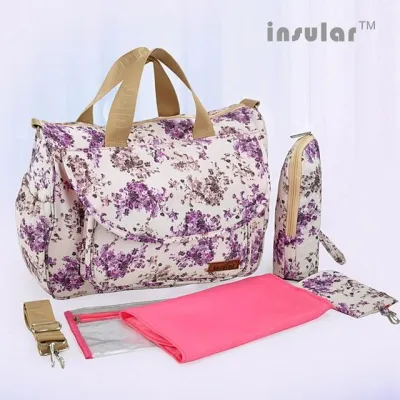
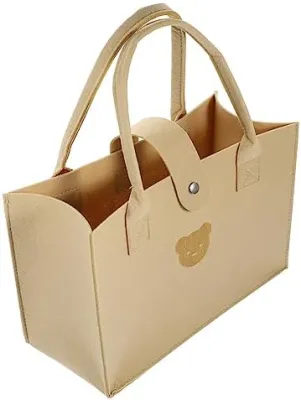
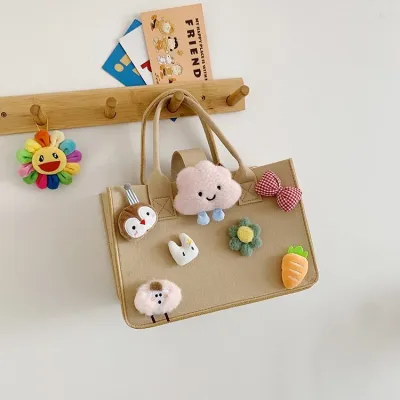
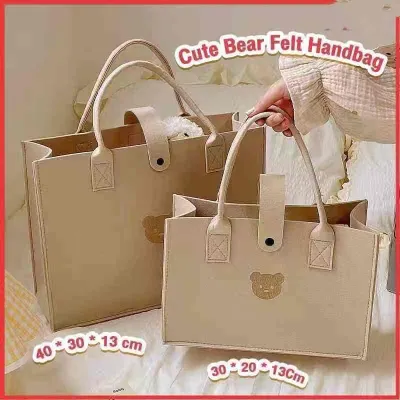
Prices are valid at publication and may change. Please refer to the product page for the latest price.
Budget and co-parenting dynamics also play significant roles in your decision. It is helpful to set a realistic budget range before shopping, keeping in mind that high-quality, durable bags in the local market often range from budget-friendly options under ₱1,500 to premium, long-lasting models that exceed ₱5,000. If you plan to share the bag with a partner or co-parent, prioritize neutral colors, minimalist designs, and highly adjustable strap lengths so that anyone can carry it comfortably without style or physical constraints.
Evaluate Size and Capacity Without Adding Bulk
Selecting the right size for a mother baby tote bag is a delicate balancing act. The bag must be spacious enough to hold your daily essentials securely, yet compact enough to prevent you from overpacking. Carrying an excessively heavy bag places unnecessary strain on your shoulders, neck, and back, which can lead to chronic discomfort over time.

Before purchasing, check the physical base dimensions of the tote. A stable, flat-bottomed bag with structured corners is highly desirable because it can stand upright on flat surfaces, such as tables or car seats, without tipping over and spilling its contents. Furthermore, ensure the base dimensions allow the bag to fit safely inside standard shopping carts or stroller storage baskets. Keep in mind that hanging a heavy tote bag directly on a stroller’s handlebars can alter its center of gravity, posing a severe tipping hazard for your baby; always check your stroller manufacturer’s weight limits and safety warnings regarding attached baggage.
Oversized totes often tempt parents to pack “just in case” items that are rarely used, such as multiple toy options or excessive changes of clothes. This habit inevitably leads to a cluttered interior where finding a crucial item during an emergency becomes a stressful chore. Opting for a medium-sized tote forces you to be intentional about what you carry, keeping your load light and manageable.
Pay close attention to the opening width and the structural rigidity of the bag’s top frame. A wide, zippered opening that stays propped open on its own allows you to scan the entire contents of the bag at a glance. This structural feature is incredibly valuable when you only have one hand free to search for a pacifier or a wipe while holding a crying baby with the other.
Check Material and Care Requirements for Tropical Climates
In warm, humid, and tropical environments, the choice of bag material is paramount. Sudden tropical downpours, high humidity, and accidental spills inside the bag can quickly lead to mold, mildew, or unpleasant odors if the fabric is not suited for the climate. Look for exterior materials that are explicitly labeled as water-resistant, water-repellent, or easy to wipe clean. High-density nylon, treated polyester, and premium vegan leather are popular choices because they resist moisture absorption and can survive unexpected rain showers.
The interior lining of the mother baby tote bag deserves equal scrutiny. It should feature a smooth, waterproof, or highly water-resistant lining that does not absorb liquids. Milk spills, leaky juice boxes, and crushed snacks are inevitable parts of traveling with a baby. A lining that can be wiped clean instantly with a damp cloth or baby wipe prevents permanent staining and bacteria buildup.
Hardware durability is another critical factor in humid climates. Inspect the zippers, snaps, magnetic clasps, and D-rings to ensure they are made of rust-resistant metals or high-grade, durable plastics. Salt air and high humidity can quickly corrode cheap metal hardware, causing zippers to stick or break and rendering the bag unusable.
Remember that material names alone do not guarantee performance or safety. You must always verify the specific care instructions, water-resistance claims, and manufacturer warnings printed on the product tag or official documentation. Avoid assuming a bag is machine washable unless the manufacturer explicitly states so, as machine washing can strip away protective water-resistant coatings, warp internal structural boards, or degrade insulated linings.
Assess Compartments and Internal Organization
A mother baby tote bag is only as good as its organizational layout. Without proper compartments, a tote quickly becomes a bottomless pit where small items disappear. Look for a bag that offers a smart mix of interior slip pockets, zippered security sections, and external quick-access pockets. A high pocket count allows you to assign a dedicated home to every item, which is essential for maintaining hygiene and order on the go.
Dedicated insulated bottle holders are a must-have feature for keeping milk, formula, or water at a safe temperature. When evaluating these pockets, check the manufacturer’s stated capacity to ensure they can accommodate your specific bottle brand and size, whether you use wide-neck infant bottles or tall toddler straw cups. Keep in mind that built-in insulation has physical limitations; always follow food safety guidelines regarding how long breast milk or warm formula can safely remain in an insulated pocket before spoiling.
Hygiene separation is another critical consideration. Look for a tote bag that includes a dedicated wet/dry compartment or a separate, zippered waterproof pouch. This allows you to isolate soiled bibs, wet clothes, or dirty diapers from clean items like pacifiers, teething toys, and spare outfits. Additionally, many high-quality diaper totes come with a matching, foldable, and easy-to-clean changing pad, providing a hygienic surface for diaper changes in public restrooms or outdoor settings.
To maximize efficiency, plan a systematic internal organization strategy. Group your items by frequency of use and urgency:
- High-Urgency Items: Place baby wipes, diapers, diaper rash cream, and pacifiers in external pockets or right at the top of the main compartment for immediate access.
- Feeding Supplies: Store bottles, formula dispensers, and bibs in the designated insulated and side pockets.
- Spare Clothes and Blankets: Roll these tightly and place them at the bottom of the main compartment, as they are typically needed less frequently.
- Personal Items: Keep your wallet, keys, phone, and hand sanitizer in a secure, zippered parent pocket near the top or back of the bag to avoid digging through baby gear.
Test Comfort and Carrying Options
Even the most organized mother baby tote bag will be left in the closet if it is painful to carry. The strap drop length is a vital ergonomic detail; it must be long enough to fit comfortably over your shoulder, even when you are wearing bulkier clothing or carrying your baby in a front-facing baby carrier. Straps that are too short will constantly slip off your shoulder, causing frustration and imbalance.
Look for bags featuring wide, reinforced, or padded shoulder straps. Narrow, unpadded straps can dig painfully into your shoulder muscles and neck when the bag is fully loaded, restricting blood flow and causing muscle fatigue. Wide straps help distribute the weight of the bag more evenly across your shoulder area.
Versatility in carrying options is highly beneficial. Many premium totes offer convertible designs, featuring an optional, adjustable crossbody strap that allows you to carry the bag hands-free. Built-in stroller clips or detachable stroller straps are also excellent additions, allowing you to secure the bag to your stroller’s frame when walking long distances, provided you observe the stroller’s safety and weight guidelines.
Finally, always consider the empty weight of the bag before purchasing. Heavy metal hardware, thick decorative chains, and dense structural padding can make a tote heavy before you even add a single diaper. Opt for lightweight base materials so that the overall weight remains comfortable once the bag is fully packed with your baby’s daily essentials.
Pack and Verify Your Tote Bag Choice
Once you have selected a mother baby tote bag that meets your criteria, perform a practical mock packing test at home before taking it out for daily use. Gather all the items you typically carry on a standard day out, including a travel pack of wipes, three to four diapers, a change of clothes, feeding bottles, a swaddle blanket, and your personal items.
Load these physical items into the bag using your planned organization strategy. Once packed, place the bag on a flat surface to check its base stability; it should stand upright without leaning or collapsing. Pick up the bag and wear it over your shoulder and across your body to assess how the weight is distributed. If the straps dig into your shoulder or the bag feels excessively bulky against your side, you may need to adjust the strap length or reconsider the bag’s size.
Practice a “diaper emergency” simulation to test the bag’s real-world usability. Attempt to retrieve a diaper, a pack of wipes, and diaper cream using only one hand while keeping your other hand free. This simple test will quickly reveal whether the zippers glide smoothly, if the pockets are placed intuitively, and if the main opening is wide enough to access critical items under pressure.
If the bag feels unbalanced, difficult to close, or uncomfortably heavy during this test, take it as an opportunity to reassess. You can either streamline your packing list by removing non-essential items or look for a model with better internal weight distribution and lighter base materials. Taking the time to verify your choice ensures a stress-free experience when you are out in public with your baby.
Frequently Asked Questions (FAQ)
Can I use a regular tote bag instead of a specific mother baby tote?
While you can technically use a standard fashion tote bag for brief outings, it often lacks the specialized features that make parenting on the go manageable. Standard totes usually do not have insulated bottle pockets to keep milk at a safe temperature, nor do they feature waterproof compartments to isolate wet or soiled clothes. They also tend to lack structured, multi-pocket interiors, which can lead to a disorganized mess where items are difficult to find quickly. A purpose-built mother baby tote bag offers the structural support, easy-to-clean linings, and dedicated compartments necessary for daily baby care, though a regular tote can suffice for very short trips with minimal gear.
How do I clean and maintain a mother baby tote bag?
To clean and maintain your mother baby tote bag, always start by reviewing the manufacturer’s specific care label, as washing methods vary by material. For general upkeep, spot-clean the interior lining and exterior fabric using a soft cloth, warm water, and a mild, baby-safe soap. Avoid using harsh chemical bleach or abrasive brushes, which can strip away water-resistant coatings or damage delicate insulated linings. After cleaning, open all compartments and air-dry the bag completely in a well-ventilated, shaded area. Ensuring the bag is thoroughly dry before storing it is crucial, especially in humid climates, to prevent the growth of mold, mildew, and odor-causing bacteria.

Community discussion
Share your experience or ask a question. Comments are reviewed before publication.