
Transitioning from pregnancy to postpartum requires gear that adapts to your changing daily needs. A well-chosen maternity tote bag bridges the gap between a hospital essentials carrier and a daily diaper bag, serving as your mobile command center during the first few years of parenthood. Rather than relying on generic fashion totes that lack structural support, evaluating specific organizational, material, and ergonomic features ensures your bag can handle the physical demands of carrying baby supplies while remaining comfortable to carry.
Selecting the right bag involves understanding how your daily routine, transit methods, and local climate affect your storage needs. By focusing on practical specifications rather than aesthetic trends, you can find a durable companion that protects your essentials, prevents physical strain, and simplifies outings with your newborn. This guide breaks down the critical features to look for, helping you build a practical shortlist based on your lifestyle and physical requirements.
Core Carrying Capacity and Organization
When evaluating a maternity tote bag, capacity and organization are your primary considerations. A bag that is too small will force you to leave essential items behind, while an oversized, unstructured bag can quickly become a cluttered, heavy burden. For hospital stays and weekend travel, a capacity of 25 to 35 liters is generally ideal for holding postpartum wear, swaddles, receiving blankets, and newborn outfits. For daily outings, a more streamlined 15 to 20-liter bag prevents overpacking while still accommodating diapers, wipes, and a change of clothes.
Products mentioned in this guide
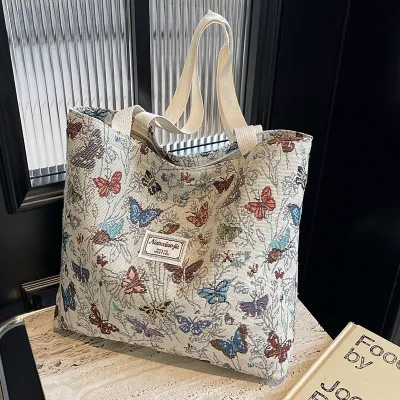
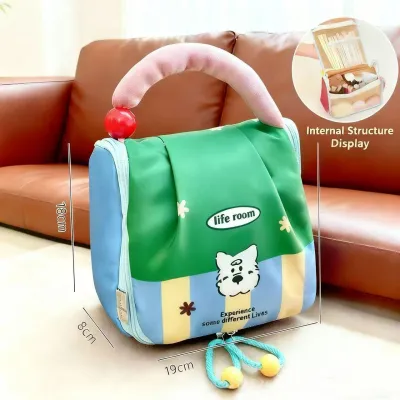
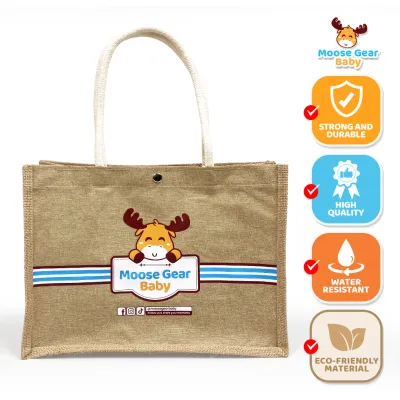
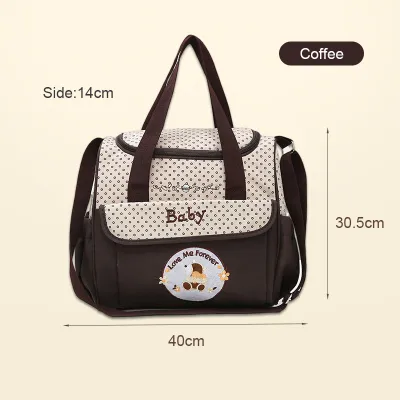
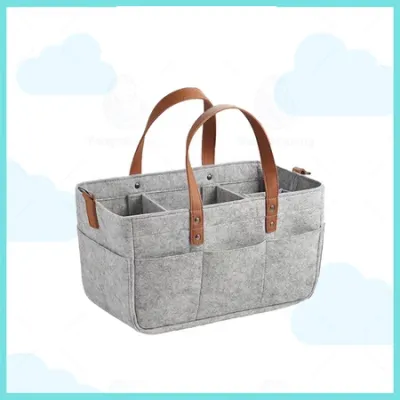
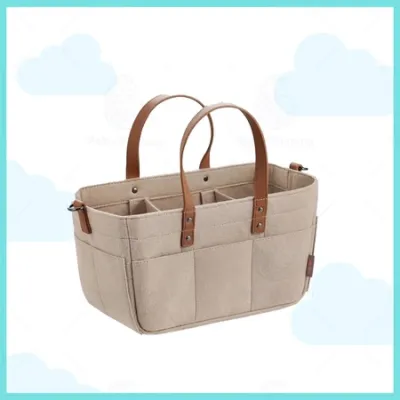
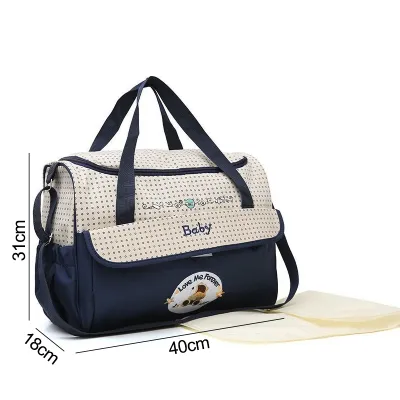
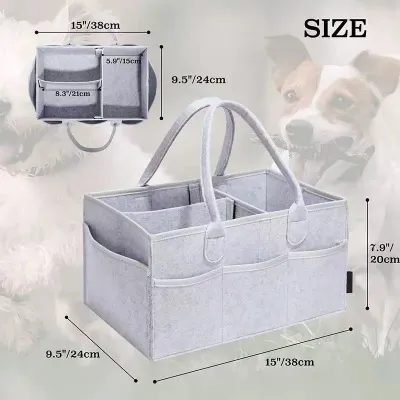
Prices are valid at publication and may change. Please refer to the product page for the latest price.
Effective organization relies on dedicated compartments rather than a single open space. Look for a tote with at least eight to ten internal and external pockets to keep your items categorized. Dedicated insulated pockets are particularly valuable for maintaining the temperature of expressed milk, warm water for formula, or baby food, especially when navigating warm tropical climates. Quick-access exterior slots are equally essential, allowing you to retrieve items like wet wipes, hand sanitizer, your phone, or keys with one hand while holding your baby.
To maximize usability, balance a structured shape with flexible packing capabilities. A tote with a reinforced, structured base will stand upright on its own when placed on a flat surface, preventing the bag from tipping over and spilling its contents when you are searching for an item. At the same time, flexible side panels allow the bag to expand slightly when you need to pack extra layers of clothing or bulky blankets, adapting to the unpredictable demands of daily trips.
Material, Durability, and Easy Cleaning
The materials used in a maternity tote bag directly impact its lifespan and daily maintenance. Because baby gear is highly susceptible to milk spills, spit-up, and outdoor dirt, choosing water-resistant and wipeable fabrics is essential. High-density nylon and polyester are excellent choices for the exterior, as they offer lightweight durability and resist water penetration during sudden rain showers. For the interior, look for a smooth, water-resistant lining such as thermoplastic polyurethane (TPU) or coated nylon, which allows you to wipe away liquid spills instantly with a damp cloth.

Durability also depends heavily on the quality of the hardware and construction. Examine the zippers, clasps, and strap attachments before making a purchase. Heavy-duty metal or reinforced nylon zippers with smooth pull tabs are less likely to split or catch under pressure. Double-stitched seams at high-stress points, such as where the straps meet the bag body, prevent tearing when the bag is fully loaded. Additionally, a reinforced bottom panel equipped with metal or plastic feet protects the fabric from wear and tear when placed on rough ground, public restroom counters, or clinic floors.
Before finalizing your choice, verify the manufacturer’s care instructions to ensure they align with your lifestyle. Some fabric totes are fully machine washable, which simplifies sanitizing the bag after heavy use. Other materials, such as vegan leather or structured canvas, may be limited to spot cleaning or professional care. Choosing a material that is easy to clean and quick to dry is particularly important in humid environments, where trapped moisture can quickly lead to mold or mildew growth.
Comfort, Straps, and Carrying Options
Carrying a fully packed maternity bag can place significant physical strain on your body, especially during the postpartum recovery period when your core and back muscles are healing. Ergonomic strap design is crucial for distributing weight evenly. Look for wide, padded shoulder straps that measure at least 1.5 to 2 inches in width to prevent the straps from digging into your shoulders. An adjustable strap drop length of 10 to 12 inches ensures the bag sits comfortably under your arm, even when you are wearing a baby carrier or bulky clothing.
Multi-way carrying options provide versatility as your physical needs change throughout the day. A detachable, adjustable crossbody strap allows you to wear the bag diagonally across your torso, shifting the weight closer to your center of gravity and freeing up both of your hands. Some modern maternity totes also feature concealable backpack straps, allowing you to convert the tote into a backpack for long walks, airport travel, or navigating busy public transit hubs where hands-free mobility is a priority.
Stroller compatibility is another valuable feature, but it must be approached with safety in mind. Many maternity bags include integrated stroller straps or clips that allow you to hang the bag from the stroller handlebar. While this keeps your shoulders free, always consult your stroller’s user manual regarding weight limits and tipping hazards. Hanging a heavy tote bag on the handlebar of a lightweight stroller can cause the stroller to tip backward when you lift your child out, posing a serious safety risk. Always pack heavier items at the bottom of the stroller basket instead of hanging them high on the frame.
Maternity-Specific vs. Standard Tote Bags
Deciding between a specialized maternity tote and a standard fashion tote often comes down to a balance of built-in features, cost, and long-term utility. Specialized maternity bags are designed specifically for childcare needs, frequently including matching accessories such as a cushioned, fold-out changing pad, insulated bottle holders, and detachable pacifier pods. These integrated features save you the trouble of purchasing accessories separately and ensure they fit perfectly within the bag’s designated compartments.
However, specialized bags can represent a higher initial investment, with prices often ranging from ₱1,500 to over ₱6,000 depending on the brand and materials. Because these bags are styled specifically as diaper bags, their aesthetic appeal and utility may decrease once your child outgrows the need for diapers and bottles. If you prefer a bag that transitions smoothly back into a professional work tote or travel bag, a high-quality standard tote bag may be a more versatile choice.
If you choose to use a standard fashion tote, you can easily replicate the organization of a maternity bag by using a structured diaper bag organizer insert. These removable inserts feature multiple pockets, bottle holders, and zippered compartments, allowing you to convert any spacious handbag into an organized baby bag. This approach offers excellent flexibility, as you can easily transfer the insert between different bags or remove it entirely when you want to use the tote for personal or professional purposes.
How to Build Your Condition-Based Shortlist
To find the perfect maternity tote bag for your specific situation, start by defining your primary use case. If you commute primarily by walking or public transportation, prioritize lightweight, water-resistant nylon bags with convertible backpack straps. If you travel mostly by car, a larger, structured tote that sits upright on a car seat and offers quick top-zip access may be more convenient. Matching the bag’s design to your daily transit habits will prevent unnecessary physical discomfort.
Next, establish your non-negotiable criteria based on your feeding method and lifestyle. If you plan to formula-feed or carry expressed breast milk, multiple insulated pockets are a non-negotiable requirement to keep bottles at a safe temperature during outings. If you frequently use a stroller, built-in stroller clips that match your stroller’s attachment points should be high on your list. Set a realistic budget in ₱, keeping in mind that investing in durable materials and reinforced hardware can save you money by eliminating the need for a replacement bag later on.
Finally, verify the purchasing details before making your final decision on online marketplaces or at local retailers. Read real-user reviews to check for common complaints regarding zipper failures, strap fraying, or lining tears under heavy loads. Verify the seller’s return policy and the manufacturer’s warranty terms, ensuring you can return or exchange the bag if it does not meet your expectations upon arrival. Taking the time to verify these details ensures your chosen maternity tote will reliably support you and your baby through the busy years ahead.
Frequently Asked Questions (FAQ)
Can I use a regular tote bag as a maternity or diaper bag?
Yes, you can use a regular tote bag by adding a structured diaper bag organizer insert. This insert provides the necessary compartments to keep bottles, diapers, and wipes upright and separated. However, keep in mind that standard fashion totes often lack water-resistant interior linings and built-in insulated pockets, which means you will need to take extra care to prevent liquid damage from accidental spills.
What is the ideal weight limit for a fully packed maternity tote?
Always check the manufacturer’s specifications for the maximum weight capacity of the bag’s straps and seams. From an ergonomic standpoint, a fully packed bag should not exceed 10% to 15% of your body weight to prevent back, neck, and shoulder strain. During the postpartum recovery period, keep the load as light as possible and utilize stroller storage baskets to carry heavier items.
How do I clean and maintain the interior lining of a tote bag?
To clean the interior lining, always refer to the care label and manufacturer instructions inside the bag. For most synthetic, water-resistant linings, you can wipe the surface with a damp cloth and a small amount of mild, dye-free soap. Allow the bag to air dry completely in a well-ventilated area away from direct sunlight to prevent mold and mildew growth, which is especially important in humid climates.

Community discussion
Share your experience or ask a question. Comments are reviewed before publication.