
Selecting the perfect maternity bag is one of the most practical decisions an expecting or new mother can make. This essential piece of gear serves as your mobile command center, holding everything from newborn clothing and feeding supplies to your own recovery essentials and personal items. To make an informed choice, you must look for key features such as a highly organized compartment layout, durable and water-resistant materials, comfortable carrying styles, and a manageable empty weight. By matching these specifications to your daily routine and environment, you can find a bag that reduces stress and supports your parenting journey.
Define Your Primary Use Case: Hospital Stay vs. Daily Outings
Before browsing designs, clarify where and how you will use the bag. A common mistake is buying a single bag and expecting it to perform perfectly for both the initial hospital stay and subsequent daily outings. These two scenarios have vastly different requirements, and understanding their distinct demands will prevent you from over-purchasing or ending up with an impractical style.
A hospital maternity bag requires a high-capacity design, typically ranging from 30 to 45 liters. During your hospital stay, you must pack not only for your newborn’s first few days but also for your own immediate postpartum recovery. This means carrying bulky items such as maternity pads, comfortable changes of clothes, nursing bras, toiletries, swaddles, receiving blankets, and newborn layette sets. Because you will be in a clinical environment, having a bag with wide openings and distinct, easily identifiable zones is crucial for your partner or birth support person to locate items quickly without emptying the entire bag.
Products mentioned in this guide
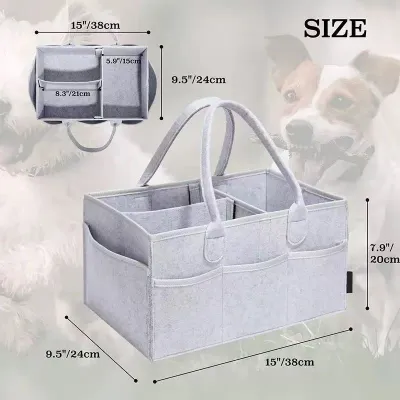
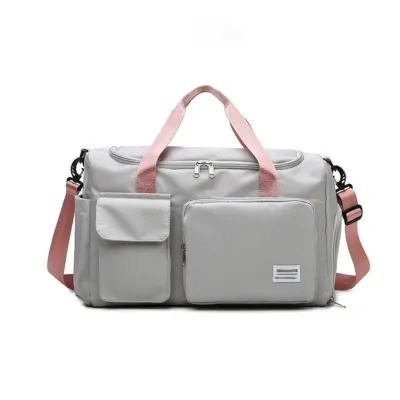
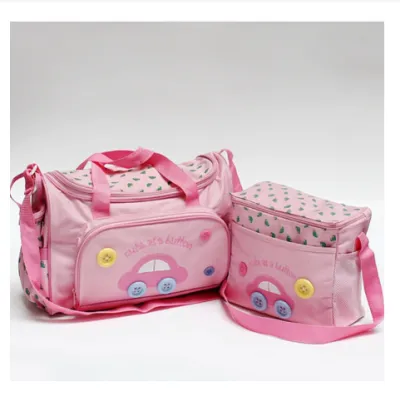
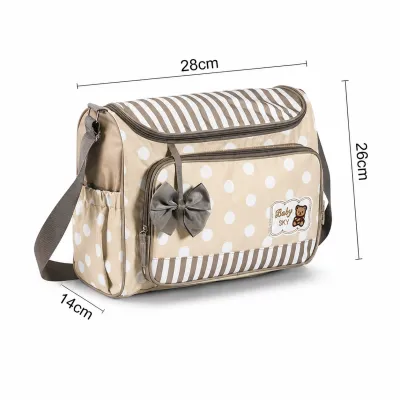
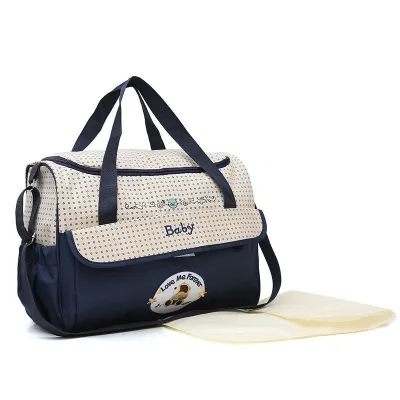
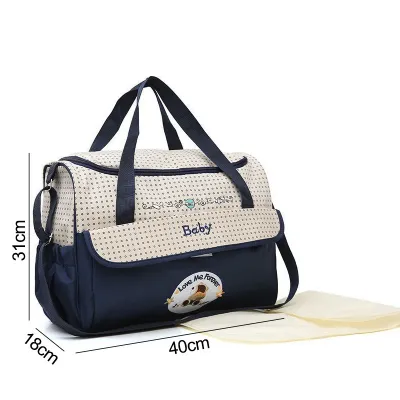
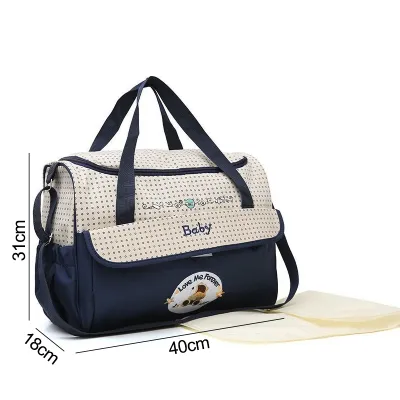
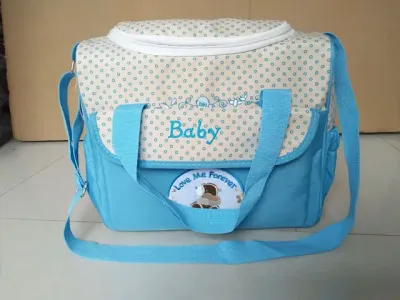
Prices are valid at publication and may change. Please refer to the product page for the latest price.
In contrast, an everyday diaper bag is built for agility and quick-access storage during daily outings. Once you return home, your typical trips will consist of quick errands, doctor’s visits, or short trips to see family. For these scenarios, a compact and lightweight bag of 15 to 25 liters is far more practical. The focus shifts from maximum storage to rapid accessibility, allowing you to pull out a baby wipe, a fresh diaper, or a pacifier with one hand while holding your baby with the other.
Your chosen feeding method also dictates your baseline storage requirements. If you plan to breastfeed exclusively, your daily bag can remain relatively compact, needing space only for a nursing cover, burp cloths, and perhaps a manual breast pump. However, if you are formula-feeding or pumping, you will need a bag with dedicated, insulated space to hold multiple sterilized bottles, a thermos of warm water, and formula dispensers. Factoring in these daily logistics early on helps you decide whether to invest in one highly versatile, large-capacity bag or two specialized bags—a large weekender for travel and a smaller, streamlined bag for daily use.
Evaluate Size, Capacity, and Empty Weight
When evaluating a maternity bag, physical dimensions and weight are just as important as aesthetic appeal. It is easy to get caught up in stylish designs, but a bag that is too heavy or bulky will quickly become a physical burden. Parents must look beyond simple liter measurements and evaluate a bag’s capacity through a practical, real-world lens.

An intuitive way to estimate capacity is to visualize “the four-hour outing.” A practical daily bag should comfortably accommodate three to four diapers, a travel pack of baby wipes, two complete changes of baby clothes, two feeding bottles or nursing accessories, a portable changing mat, and your personal essentials like a wallet, keys, and phone. If you find yourself having to squeeze these items in or struggle to zip the bag closed, the capacity is insufficient. However, the bag should not be so oversized that items slide around and become disorganized at the bottom.
The bag’s empty weight is a critical specification that is frequently overlooked. Many high-end bags feature heavy canvas, thick faux leather, or extensive metal hardware that looks beautiful but adds significant weight before you even place a single diaper inside. Ideally, an empty maternity bag should weigh less than 1 kilogram, with 600 to 800 grams being the sweet spot for lightweight synthetic materials. Carrying a heavy bag on one shoulder while cradling a growing baby can quickly lead to neck, shoulder, and lower back strain.
Additionally, you must verify the bag’s external dimensions against your daily mobility gear. If you use a stroller, check if the bag fits comfortably inside the under-seat storage basket or if it can be safely attached to the chassis. For families who travel frequently or plan to fly, ensure the bag’s dimensions comply with standard airline carry-on or personal item limits. Checking these measurements beforehand prevents the frustration of owning a premium bag that is too wide to fit under an airplane seat or too bulky for your stroller basket.
Analyze Compartment Layout and Organization
The internal structure of a maternity bag directly impacts your efficiency and stress levels when caring for your baby on the go. A poorly organized bag forces you to dig through layers of clothing and diapers during an urgent blowout or feeding crisis. When analyzing a bag’s layout, look for features that promote order and quick retrieval.
A wide, structured main opening is the foundation of an organized bag. Look for bags with a “doctor’s bag” style structured frame or a full clamshell zipper that opens flat. These designs allow the bag to stay open on its own when placed on a table or bench, giving you a clear, unobstructed view of the entire contents. This prevents the “black hole” effect, where small items like pacifiers, diaper creams, or hand sanitizers get lost at the bottom of a deep, unstructured pouch.
Inside the bag, specialized compartments are essential for maintaining hygiene and temperature control. Insulated bottle pockets lined with thermal material help maintain the temperature of breast milk, warm water, or formula for several hours. This is particularly important when traveling or running errands in warm weather. Equally crucial are dedicated waterproof or wet pockets made from easy-wipe materials like TPU or EVA. These pockets allow you to isolate soiled clothes, wet bibs, or leaking bottles from clean items, preventing cross-contamination and unpleasant odors.
External pockets should be designed for high-frequency items that you need to grab in a split second. Look for dedicated side pockets with a dispenser slit, which allow you to pull out baby wipes without removing the entire pack from the bag. A secure, zippered pocket on the back panel—resting against your body—is ideal for safely storing your smartphone, keys, and wallet, keeping your personal valuables secure yet easily accessible without opening the main baby compartment.
Select Materials Suited for Tropical Climates and Daily Messes
In the Philippines, the tropical climate presents unique challenges for maintaining baby gear. High humidity, intense heat, and sudden monsoon downpours require careful consideration of both exterior and interior materials. Choosing the wrong fabric can lead to water damage, difficult cleanups, and the growth of mold or mildew.
The exterior fabric of your maternity bag must be water-resistant and highly durable. Synthetic materials like high-density nylon, oxford polyester, or polyurethane-coated fabrics are excellent choices. These materials allow water droplets to slide off during sudden rain showers, protecting the clean clothes and electronics inside. Avoid untreated cotton canvas or heavy denim; while they offer a classic look, they readily absorb moisture from the air and rain, making the bag heavy, slow to dry, and highly susceptible to musty smells.
The interior lining should always be light-colored and completely wipeable. Dark linings make it incredibly difficult to find small items in low-light settings. Opt for linings made from water-resistant polyester or nylon that can be easily cleaned with a damp cloth or disinfectant wipe. Spilled formula, leaked breast milk, and crushed baby snacks are inevitable; a wipeable lining ensures that minor messes do not turn into permanent stains or breeding grounds for bacteria.
In highly humid environments, breathability and mold prevention are crucial. When storing your maternity bag in a closet, ensure it is completely dry beforehand. Check the manufacturer’s care label for specific washing and drying instructions, as some structured bags are spot-clean only, while others can be machine-washed on a gentle cycle. Additionally, inspect the quality of the hardware before purchasing. Look for rust-resistant zippers, sturdy plastic or metal buckles, and reinforced double-stitching at high-stress points like the handle and strap attachments to ensure the bag can withstand daily wear and tear.
Compare Carrying Styles for Ergonomic Comfort
How you carry your maternity bag affects your physical comfort and freedom of movement. Because you will often carry the bag for hours while managing a baby, stroller, or shopping bags, choosing an ergonomic carrying style that matches your lifestyle is essential.
Backpacks Backpacks are widely considered the most ergonomic and practical option for modern parents. By distributing the weight evenly across both shoulders, a backpack minimizes localized muscle strain on your neck and back. This design keeps both of your hands completely free, which is invaluable when holding your baby, navigating busy public spaces, or holding an umbrella during the rainy season. Look for backpacks with wide, padded shoulder straps and a breathable mesh back panel to reduce sweating in warm tropical weather.
Totes and Messenger Bags Totes and messenger bags offer a classic, stylish aesthetic that transitions easily from parenting duties to professional environments. They provide quick access to the bag’s contents without requiring you to take the bag off. However, carrying a heavy bag on a single shoulder for extended periods can cause muscle imbalances and discomfort. If you prefer this style, ensure the bag features a wide, adjustable shoulder strap with a sliding shoulder pad to help distribute weight more comfortably.
Stroller Straps Many maternity bags come equipped with integrated stroller straps or clips, allowing you to hang the bag directly from your stroller’s handlebar. While this is highly convenient for relieving physical strain, you must follow strict safety guidelines. Never overload your stroller handles with a heavy bag. When you remove your baby from the stroller seat, the sudden shift in weight can cause the stroller to tip backward, creating a safety hazard. Always check your stroller manufacturer’s instructions regarding maximum handlebar weight limits, and remove the bag before lifting your child out of the stroller.
Recommended Bag Configurations Based on Your Lifestyle
To help you choose the right configuration, consider how these features align with your daily routine and lifestyle. Different parenting scenarios call for different balances of size, organization, and portability.
The Minimalist for Quick Errands
If your daily routine consists of short trips to the nearby supermarket, quick pharmacy runs, or brief visits to a neighborhood park, a compact crossbody bag or a mini-backpack is the ideal configuration. For these short outings, you do not need to carry your entire nursery. Look for a lightweight bag with a capacity of 8 to 12 liters. The ideal setup includes a dedicated external wipe-dispensing slot, space for two diapers, a small travel-sized pack of wipes, a single bottle, and a compact, foldable changing mat. This keeps your load incredibly light and highly mobile.
The All-Day Explorer
For parents who spend long hours outdoors, attend playdates, travel frequently, or navigate busy shopping malls, a diaper backpack is the best choice. This configuration should have a capacity of 20 to 25 liters to accommodate everything needed for an extended day out. Look for a design with at least two insulated bottle pockets, a dedicated waterproof wet pocket for soiled clothes, and a built-in or easily detachable padded changing pad. Ergonomic features like thick S-shaped shoulder straps and stroller attachment clips are essential to maintain comfort throughout a long day of walking.
The Hospital Stay Prep
When preparing for your labor and delivery stay, a large weekender or duffle-style bag with a capacity of 35 to 45 liters is the most practical choice. This configuration requires wide-opening main compartments and structured interior walls to keep your recovery gear separate from your newborn’s items. Look for a bag that includes matching packing cubes or color-coded compartments. This allows you to organize items by category—such as one cube for labor comfort items, one for postpartum recovery wear, and another for the baby’s going-home outfits—making it easy for your birth partner to locate exactly what is needed in a fast-paced clinical setting.
Frequently Asked Questions (FAQ)
Can I use a regular backpack instead of a specific maternity bag?
Yes, you can use a standard backpack, but you will sacrifice specialized convenience. Regular backpacks typically lack insulated pockets to keep bottles warm, waterproof compartments for wet clothes, and quick-access wipe pockets. If you choose to use a standard backpack, you will likely need to purchase separate organizers, insulated bottle sleeves, and wet bags to achieve the same level of functionality, which can add bulk and make the bag heavier overall.
Is a built-in changing pad really necessary?
A built-in or included changing pad is highly convenient, especially when you need to use public restrooms or change your baby in the back of a car. It provides a clean, familiar, and wipeable surface wherever you are. However, if you find a bag you love that lacks this feature, you can easily purchase a separate, foldable, and machine-washable changing mat to slip inside, offering the same level of hygiene and convenience.
Community discussion
Share your experience or ask a question. Comments are reviewed before publication.