
Securing your kitchen is one of the most critical steps in baby-proofing your home, and the refrigerator is often a toddler’s favorite target. With its colorful contents, interesting handles, and the satisfying sound of its door opening, the fridge presents an irresistible invitation to an inquisitive child. However, this appliance also houses numerous hidden hazards, from heavy glass jars to raw foods and potential pinching points. Choosing the right magnetic lock for your refrigerator requires a careful balance of adhesive strength, material durability, and daily convenience for adult family members.
In the Philippines, the challenge of securing a refrigerator is compounded by high tropical humidity and warm temperatures, which can severely compromise standard adhesives over time. A lock that works perfectly in a dry, temperate climate might slide off a humid kitchen appliance within weeks if the adhesive is not rated for tropical conditions. To make an informed decision, you must understand the specific developmental needs of your child, the structural design of your refrigerator, and the physical properties of the baby-proofing hardware available. This guide provides a comprehensive framework to help you evaluate, select, and install a highly effective magnetic lock that keeps your toddler safe while preserving the integrity of your appliance.
Why Toddler-Proof Your Refrigerator
As toddlers transition from crawling to walking, their curiosity drives them to explore every accessible corner of the home. Refrigerator handles are often positioned at the perfect height for a toddler to grab, pull, and use as leverage to stand or climb. This physical interaction can easily lead to the door swinging open, exposing the child to immediate risks.
Products mentioned in this guide
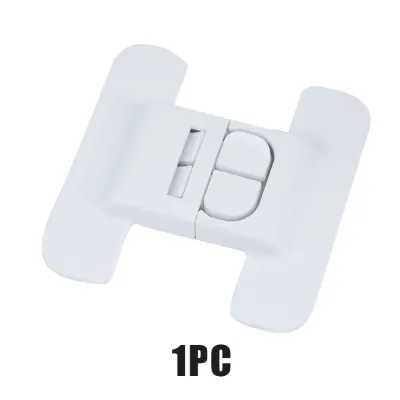
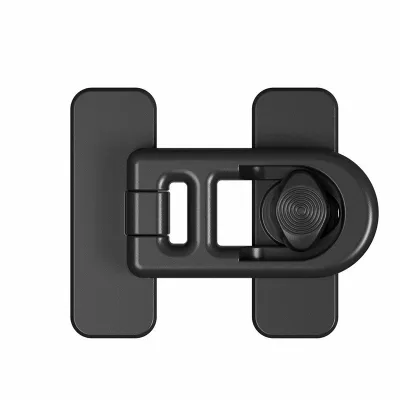
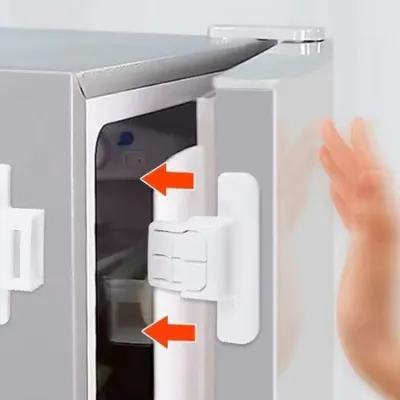
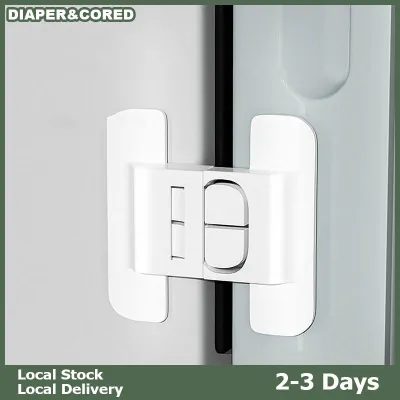
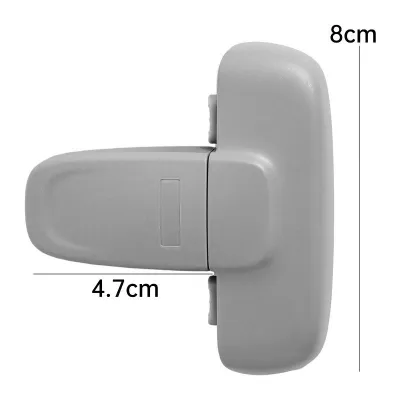
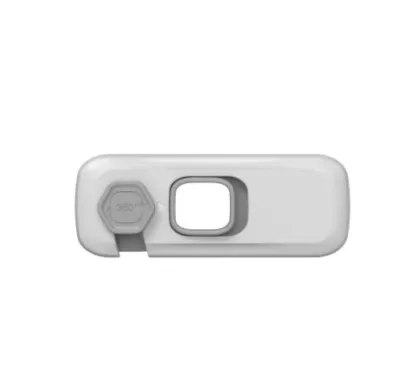
Prices are valid at publication and may change. Please refer to the product page for the latest price.
Inside the refrigerator, several hazards can quickly turn a moment of exploration into an emergency. Heavy glass bottles containing condiments, sauces, or beverages can easily fall from door shelves and shatter on hard kitchen tiles, creating sharp hazards. Raw meats, poultry, and unwashed vegetables pose significant bacterial contamination risks if handled or tasted by a young child. Additionally, small food items like grapes, cherry tomatoes, or loose bottle caps present immediate choking hazards that require constant vigilance.
Parents can identify when their child is developmentally ready for a refrigerator lock by observing specific behavioral signs. If your toddler has started mimicking your movements when you open the fridge, shows a persistent interest in pulling on the door handles, or attempts to climb the lower shelves of an open unit, it is time to secure the appliance. Waiting until they successfully open the door on their own can result in preventable accidents, making proactive installation the safest approach.
Key Features to Look for in a Magnetic Lock
The effectiveness of a magnetic lock relies heavily on the quality of its internal components and its overall design. The primary mechanism consists of a magnetic key that retracts an internal latch, allowing the lock to open. When evaluating these systems, look for high-strength magnets that can easily actuate the latch through the plastic housing without requiring precise alignment. The key itself should come with a dedicated magnetic dock that can be mounted high on a wall or microwave, keeping it safely out of your child’s reach.

Because drilling into a modern refrigerator door can puncture internal cooling lines or vacuum insulation panels, adhesive mounting is the only viable installation method. This makes the quality of the adhesive pad a critical specification to verify. In warm, humid tropical climates, standard double-sided tape can soften, lose its grip, and slide off under constant pulling. Look for locks that utilize heavy-duty, temperature-resistant acrylic foam tape, which is designed to maintain its bond despite ambient moisture and temperature fluctuations.
Material safety is another essential consideration, as toddlers often touch, pull, or even attempt to chew on accessible baby-proofing hardware. Ensure the lock is constructed from high-impact, BPA-free plastics that do not contain harmful phthalates or heavy metals. The plastic must also be durable enough to withstand the daily wear and tear of a busy kitchen, resisting degradation from grease, cooking oils, and frequent cleaning with household disinfectants.
A well-designed lock must balance robust child security with practical adult convenience. If a lock is too difficult or tedious for parents to open, there is a high risk that family members will leave it disengaged, defeating its purpose. Look for magnetic locks that feature a one-handed opening mechanism for adults, allowing you to open the fridge easily while carrying groceries or a baby. Additionally, some models offer a temporary bypass switch, which allows you to keep the lock disengaged during active cooking sessions and re-engage it once you are done.
Types of Magnetic Locks for Appliances
Understanding the different structural designs of magnetic locks will help you choose a model that matches your specific refrigerator configuration. Strap-style locks are highly popular due to their exceptional versatility. These locks consist of two adhesive anchor points connected by a flexible plastic or fabric strap, allowing them to wrap around corners or bridge gaps. They are ideal for securing side-by-side doors, French door refrigerators, or pulling drawers, as they can adapt to irregular shapes and varying surface levels.
Latch-style locks, on the other hand, utilize a rigid plastic arm that clicks into a fixed catch. This design provides a highly secure, mechanical hold that resists direct pulling forces exceptionally well. Because there is no flexible strap to stretch or degrade, latch-style locks often offer a longer operational lifespan. However, they require flat, flush surfaces with precise clearance margins for proper installation, making them less suitable for refrigerators with curved doors, decorative molding, or deeply recessed handles.
Hidden or internal magnetic locks are designed to be installed entirely inside the cabinet or drawer, making them completely invisible from the outside. While some parents attempt to adapt these for refrigerator use to preserve their kitchen’s aesthetic, they are generally not recommended for standard refrigerators. Installing hardware inside a fridge can compromise the airtight seal of the rubber door gaskets, leading to temperature loss, condensation buildup, and increased energy consumption. Furthermore, the thick insulation in refrigerator doors can block the magnetic field, preventing the key from releasing the latch.
When weighing the trade-offs between these designs, prioritize functional reliability and appliance compatibility over aesthetics. Strap-style locks offer the easiest installation and highest compatibility across diverse appliance models, making them a highly practical choice for most households. Rigid latch-style locks are excellent for heavy, single-door refrigerators where a robust, unyielding physical barrier is required to withstand a determined toddler’s pulling force.
Installation and Surface Compatibility
Proper installation is just as important as the quality of the lock itself when it comes to ensuring long-term reliability. The installation process must always begin with thorough surface preparation. Clean the target area on your refrigerator with isopropyl rubbing alcohol to remove all traces of grease, dust, fingerprint oils, and kitchen grime. Avoid using standard glass cleaners or multi-surface sprays, as they often leave behind a thin, slick residue that prevents the adhesive from forming a permanent bond.
Different refrigerator finishes interact with adhesives in unique ways, requiring careful compatibility checks. Smooth, painted metal or high-gloss plastic surfaces generally provide the best adhesion. Textured metal finishes, which are common on the sides of many refrigerators, have less surface area for the tape to grip, which can reduce the overall holding power. If your refrigerator has a highly textured or curved surface, you may need to select a lock with a larger adhesive footprint to compensate for the reduced contact area.
Allowing the adhesive to cure properly is a critical step that is frequently overlooked. Once you have pressed the lock firmly onto the clean refrigerator surface, you must leave it undisturbed for the manufacturer-recommended curing time, which is typically 24 hours. Applying tension or pulling on the lock before the adhesive has fully cured will weaken the bond, leading to premature failure. In humid tropical environments, allowing the full curing period is even more vital, as moisture in the air can slow down the chemical bonding process of the adhesive.
Eventually, you will need to remove the lock once your child outgrows the toddler stage. To detach the lock safely without scratching or denting your refrigerator’s exterior, use a piece of dental floss or high-strength fishing line. Slide the line behind the plastic anchor and use a sawing motion to slice through the foam adhesive pad. Any remaining sticky residue can be safely softened using a mild, oil-based adhesive remover, eucalyptus oil, or warm soapy water, followed by a gentle wipe with a microfiber cloth.
Building Your Shortlist: Evaluation Checklist
When searching for the right magnetic lock on online marketplaces, a structured evaluation checklist will help you filter out low-quality products. Start by reading user reviews with a critical eye, looking specifically for failure keywords such as “adhesive melted,” “toddler pulled off,” or “broken plastic latch.” Pay close attention to feedback from buyers who mention using the locks in warm, humid environments, as this provides a realistic indication of how the adhesive will perform in your own kitchen.
Next, verify the manufacturer’s specifications, age recommendations, and weight limits directly on the product listing. A lock designed for a young infant may not have the structural integrity to withstand the force exerted by an active two-year-old. Ensure the product description explicitly states that the materials used are non-toxic, lead-free, and BPA-free, giving you peace of mind if your child decides to touch or mouth the hardware.
Check the package contents carefully to ensure you are getting a complete baby-proofing solution. Some budget options may only include a single magnetic key, which can cause significant inconvenience if the key is misplaced or accidentally locked inside a cabinet. Look for packages that include at least two magnetic keys, dedicated storage cradles for the keys, and extra adhesive pads so you can reinstall or reposition the locks if necessary.
Finally, compare the warranty or replacement policies offered by different brands. While these safety accessories are relatively inexpensive, manufacturers that offer clear customer support channels or replacement guarantees for adhesive failures demonstrate confidence in their product’s quality. Choosing a reputable brand with positive customer service feedback ensures you can easily obtain replacement parts or assistance if you encounter installation issues.
Frequently Asked Questions (FAQ)
Can I use a magnetic lock on a stainless steel refrigerator?
Yes, you can use adhesive magnetic locks on stainless steel refrigerators, but you must take extra care during the preparation and installation phases. Many modern stainless steel appliances are treated with anti-fingerprint or hydrophobic coatings designed to repel oils and liquids. Unfortunately, these specialized coatings can also repel adhesives, making it difficult for standard double-sided tape to establish a secure bond. To ensure a strong connection, clean the application area thoroughly with rubbing alcohol to strip away any surface oils, and consider using heavy-duty acrylic foam tapes specifically rated for metal surfaces if the pre-applied adhesive fails to hold. Always check your appliance’s manual to ensure that applying adhesive tape does not void any exterior finish warranties.
Are magnetic locks safe if my child swallows the magnetic key?
Ingesting high-powered magnets is an extremely serious medical emergency that requires immediate professional intervention. If a child swallows more than one magnet, or a magnet and a metallic object, the items can attract each other through the intestinal walls, causing severe internal damage, perforation, or life-threatening infections. To eliminate this risk, always store the magnetic key on a high, metallic surface well out of your child’s reach and sight, such as the top of the range hood or a high cabinet door. When selecting a magnetic lock system, choose keys that are large, solid, and do not contain small, detachable parts that could pose a choking or ingestion hazard.
Will removing the lock damage my refrigerator's finish?
If removed correctly, most high-quality adhesive locks will not damage your refrigerator’s finish. The key is to avoid prying the plastic lock off with metal tools like screwdrivers or butter knives, which can easily scratch the paint or dent the metal door. Instead, use heat from a hair dryer on a low setting to soften the adhesive before slicing through it with dental floss. Always test any adhesive remover on a small, inconspicuous spot on the back or side of the refrigerator first to ensure it does not discolor the finish.
Community discussion
Share your experience or ask a question. Comments are reviewed before publication.