
Choosing the right kangaroo baby carrier requires matching the gear to your baby’s current weight, physical milestones, and your local environment. In warm, humid climates like the Philippines, selecting a carrier that balances structural safety with breathable materials is essential for keeping both you and your baby comfortable during daily errands or walks. By prioritizing physical development over age estimates and verifying specific manufacturer guidelines, you can ensure a secure, ergonomic carry.
Matching the Carrier Style to Your Baby's Developmental Stage
During the first few months of life, newborns require specialized support because they lack the muscle strength to hold up their head and neck. A newborn’s airway is highly vulnerable, meaning the carrier must hold them in an upright, snug position that prevents their chin from slumping onto their chest. Wraps and specialized newborn carriers are designed to mimic the snug environment of the womb, providing soft, form-fitting support that keeps the baby close to the caregiver’s chest.
As your baby grows and reaches the infant stage, typically around four to six months, they begin to develop stronger trunk control and can hold their head up steadily without assistance. This developmental milestone allows you to transition to soft-structured carriers. These carriers feature more rigid panels and adjustable straps that accommodate the baby’s growing weight while maintaining proper hip positioning. The seat of the carrier must support the baby’s thighs from knee to knee, ensuring their hips are kept in a healthy, spread-squat position.
Products mentioned in this guide
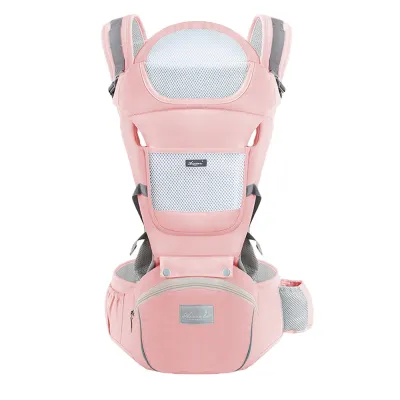
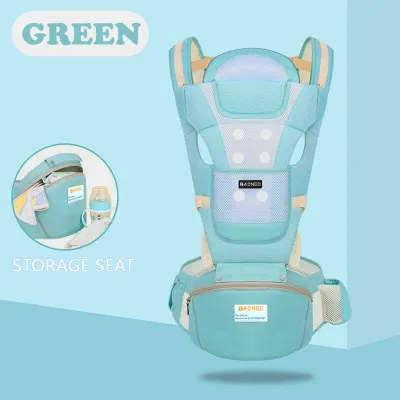
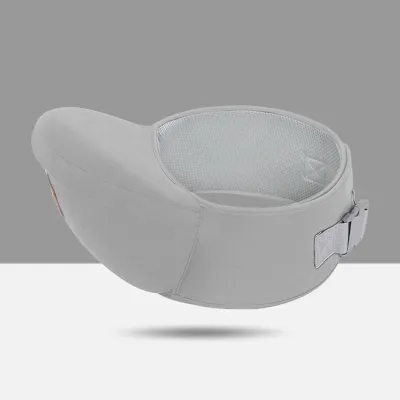
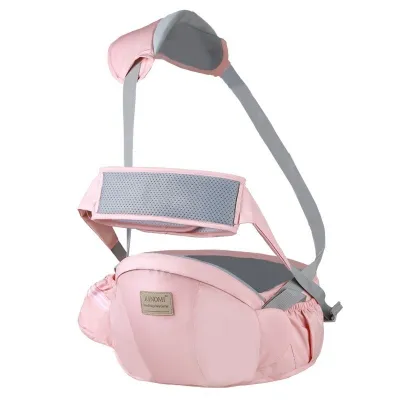
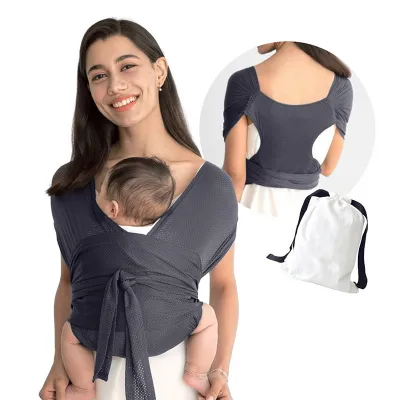
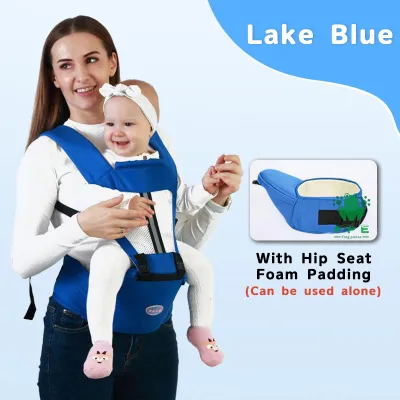
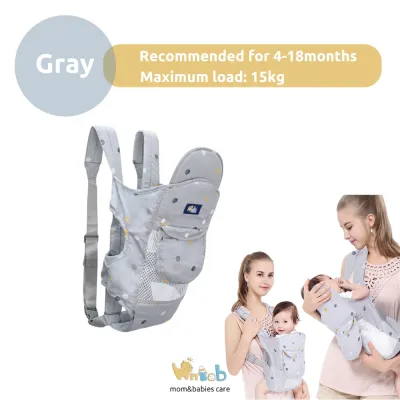
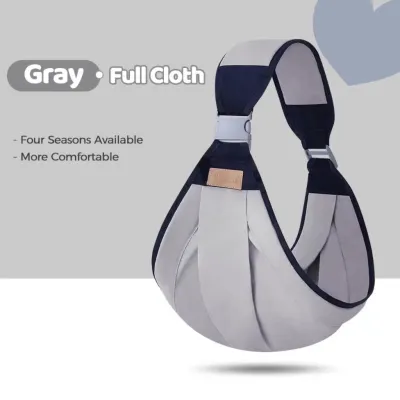
Prices are valid at publication and may change. Please refer to the product page for the latest price.
For older babies and toddlers who can sit independently, their increased weight and curiosity require a different design approach. Carriers with wider seat bases or integrated hip seats help distribute the child’s weight more evenly across your torso. A hip seat carrier features a firm shelf-like seat that supports the child’s bottom, reducing the downward pull on your shoulders and lower back. This style is particularly useful for toddlers who frequently want to be picked up and set down, offering a quick and supportive way to carry them during longer outings.
Verifying Weight Limits and Age Guidelines
Every baby carrier is engineered to perform safely within a specific weight range determined by the manufacturer. You can locate these minimum and maximum weight thresholds on the product’s warning labels, which are typically sewn onto the waistband, or within the official instruction manual. Operating outside these specified limits can place undue stress on the buckles, straps, and seams, potentially leading to product failure or injury.

While manufacturers often print age recommendations on their packaging, such as “suitable from birth to two years,” these ranges are only general guidelines. Your baby’s actual weight, height, and physical milestones must always take priority over their age in months. A baby who is physically larger or heavier than average may need to transition to a toddler-sized carrier much sooner than the age label suggests, whereas a smaller infant may require a newborn insert or a highly adjustable carrier to remain safe and secure.
Recognizing the physical signs that your baby has outgrown their current carrier is crucial for maintaining safety and comfort. If you notice that the seat panel no longer extends fully from knee to knee, causing your baby’s legs to dangle straight down, they have outgrown the ergonomic support of that specific setting or carrier. Other signs include the baby’s head extending past the top of the supportive back panel without adequate neck control, or the caregiver experiencing localized shoulder, neck, or lower back pain due to improper weight distribution.
Evaluating Ergonomic Design and Caregiver Comfort
An ergonomic baby carrier must support the natural physical development of your child’s spine and hips. Look for designs that facilitate the “M-position,” where the baby’s bottom sits lower than their knees, creating a wide, supportive squat. This position reduces pressure on the hip joints and helps prevent hip dysplasia. Additionally, the carrier should support the natural “C-curve” of an infant’s spine, allowing their back to round gently rather than forcing it into an unnaturally straight or flat position against your body.
Caregiver comfort is just as important as the baby’s ergonomics, especially as your child grows heavier. High-quality carriers feature wide, heavily padded shoulder straps that prevent the material from digging into your shoulders. A thick, supportive waistband is also essential, as it transfers a significant portion of the baby’s weight from your upper back and shoulders down to your hips and pelvis. Look for carriers with adjustable chest and back straps to help balance the load evenly across your torso.
In tropical environments like the Philippines, fabric selection directly impacts how often and how comfortably you can use the carrier. Heavy, non-breathable fabrics can quickly trap heat and moisture, leading to discomfort, sweating, and skin rashes for both you and your baby. Opt for carriers made with lightweight cotton, open 3D mesh panels, or specialized performance fabrics that promote continuous airflow. Adjustability is another key feature; look for easily adjustable straps and buckles so multiple caregivers can share the carrier comfortably.
Step-by-Step Fitting and Safety Checks
Before placing your baby in the carrier, inspect all buckles, straps, and seams for any signs of wear, fraying, or damage. Adjust the waistband first, securing it snugly around your natural waist or hips according to the manufacturer’s instructions, and fasten the safety buckle completely.
Carefully lift your baby against your chest, ensuring their legs are positioned correctly on either side of the seat panel. Slide the shoulder straps over your shoulders one at a time while keeping a supportive hand on your baby. Fasten the chest or back clip, then pull the adjustment straps until the carrier holds your baby snugly against your body. The fit should be tight enough to prevent the baby from slumping, which can restrict their breathing.
Perform a quick safety check using standard babywearing principles. Ensure your baby’s face is fully visible and not pressed against your chest or the carrier fabric. Their head should be “close enough to kiss” simply by tipping your chin down. Check that there is always a space of at least two fingers between your baby’s chin and their chest to keep their airway completely open.
Monitor your baby’s comfort and temperature continuously during use. If you notice signs of breathing difficulty, extreme restlessness, or overheating, remove them from the carrier immediately. If you experience persistent physical discomfort or cannot achieve a secure fit that keeps your baby’s airway clear, stop using the carrier and consult the manufacturer’s customer support or a certified babywearing professional.
Frequently Asked Questions (FAQ)
Can I use a standard carrier for a premature or low-birth-weight baby?
Standard baby carriers are generally not suitable for premature infants or babies with a low birth weight. These infants often have unique respiratory and physical development needs that require specialized support. Always consult a pediatrician or a qualified healthcare professional before attempting to wear a premature baby. If cleared, you must verify that the carrier is specifically certified for low-birth-weight infants and strictly adhere to the manufacturer’s minimum weight requirements.
How should I clean and maintain the carrier?
To preserve the structural integrity and safety of your baby carrier, always review the specific care label attached to the product. Many structured carriers recommend spot cleaning with a damp cloth and mild, baby-safe detergent to prevent premature wear on buckles and straps. When machine washing is permitted by the manufacturer, use a gentle cycle, place the carrier in a mesh laundry bag, and fasten all buckles to prevent damage. Always air dry the carrier completely in a shaded, well-ventilated area; avoid using a tumble dryer, as high heat can degrade the foam padding, elastic bands, and plastic fasteners.
Community discussion
Share your experience or ask a question. Comments are reviewed before publication.