
Selecting a hybrid mattress during the postpartum period requires a careful balance of targeted support, pressure relief, and temperature control to accommodate a rapidly recovering body. After childbirth, your physical needs shift dramatically as you navigate joint sensitivity, muscle soreness, and the exhausting demands of round-the-clock infant care. A hybrid mattress—which combines the contouring comfort of foam or latex layers with the responsive support of pocketed innerspring coils—offers an adaptable sleep surface that can significantly ease this transition. By focusing on specific construction details, firmness levels, and structural features, you can find a bed that supports your physical healing while maximizing the precious, fragmented sleep you get each night.
Understanding Postpartum Sleep and Body Changes
The postpartum phase brings profound physical transformations that directly influence how you sleep. During pregnancy, the body releases hormones like relaxin to loosen ligaments, a change that can leave joints and the pelvic area feeling unstable or sensitive for months after delivery. Many new mothers experience persistent lower back pain, hip soreness, and shoulder stiffness, particularly when adjusting to new physical routines like carrying a newborn or holding feeding positions for extended periods. Additionally, postpartum hormonal fluctuations frequently trigger intense night sweats, which can make sleeping in a warm, humid climate highly uncomfortable if your mattress traps body heat.
At the same time, your sleep architecture changes from long, uninterrupted blocks to highly fragmented intervals. Frequent nighttime awakenings to nurse, soothe, or change your baby mean that falling back asleep quickly is paramount. A mattress that makes it difficult to change positions or leaves you feeling “stuck” can drain your energy and exacerbate physical fatigue. Therefore, the primary goals for a postpartum mattress are to provide exceptional pressure relief for sensitive joints, facilitate effortless movement when getting in and out of bed, and maintain a cool, breathable sleep environment to manage body temperature fluctuations.
Products mentioned in this guide

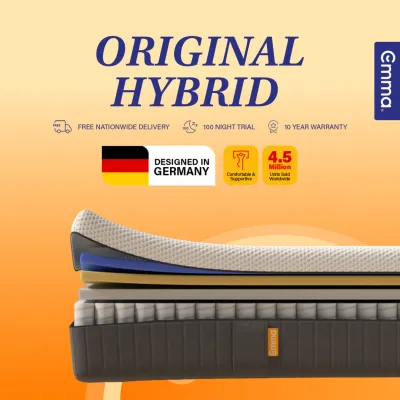
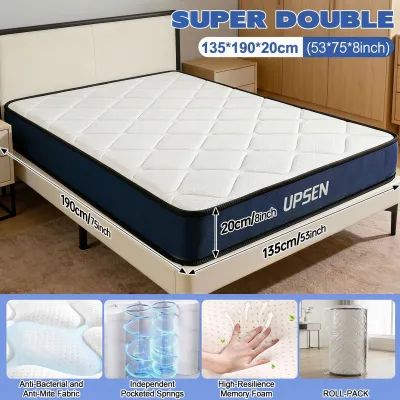
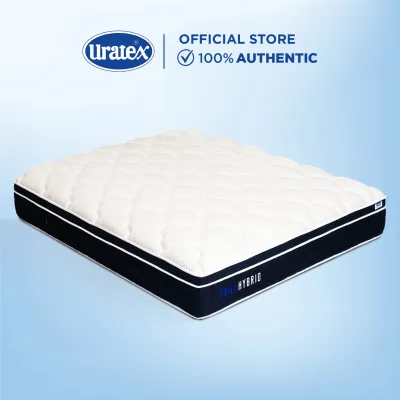

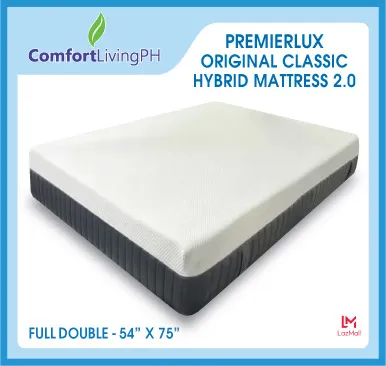
![[ONHAND]URATEX HYBRID TRILL MATTRESS/TRILL MATTRESS WITH POCKET SPRING MATTRESS/URATEX FOAM /HYBRID MATTRESS/TRILL /URATEX FOAM #uratexhybridtrillmattress #trillmattress #new #100%originaluratexhybridmattress #new #10yearswarranty #trill #](https://img.lazcdn.com/g/p/f35556e287ef329c3ca3eed3c2d7f147.jpg_400x400q80.jpg_.webp)
Prices are valid at publication and may change. Please refer to the product page for the latest price.
Selecting the Right Firmness Level for Postpartum Bodies
Finding the correct firmness level is a highly personal decision, but certain general guidelines can help narrow down your choices during postpartum recovery. For most new mothers, a medium-firm mattress offers the most balanced combination of spinal alignment and pressure relief. This level of firmness prevents the hips and lower back from sinking too deeply into the bed, which is crucial for maintaining a neutral spine and reducing lower back strain. It is particularly beneficial for back sleepers and those who frequently transition between back and side sleeping throughout the night.

Side sleepers, who often adopt this position to nurse or rest comfortably alongside a baby, require a mattress that offers sufficient contouring. The comfort layers must cushion the shoulders and hips to prevent painful pressure points and numbness. If a mattress is too firm, it can compress these sensitive areas, leading to tossing and turning that disrupts your limited sleep. Conversely, an overly soft mattress lacks the structural support needed to keep your pelvis aligned, which can worsen postpartum pelvic girdle pain or lower back stiffness.
When shopping, it is important to look beyond generic marketing labels like “luxury firm” or “plush.” Instead, examine the manufacturer’s specific firmness scale—typically rated from 1 to 10, with 10 being the firmest—and read detailed descriptions of the comfort layers. Keep in mind that your body weight and shape will influence how firm a mattress feels. A heavier individual will compress the comfort layers more deeply and may require a slightly firmer model to prevent bottoming out, whereas a lighter individual might find a medium-firm mattress feels quite rigid and may prefer a slightly softer option with thicker foam layers. Always cross-reference these specifications with your current physical profile and comfort preferences.
Prioritizing Key Hybrid Features for New Mothers
Hybrid mattresses are uniquely suited for postpartum recovery because they merge the contouring benefits of foam with the structural integrity of coils. However, not all hybrids are constructed the same way. To ensure your new bed supports your daily and nightly routines, you must evaluate specific design elements that directly impact usability, comfort, and sleep quality.
Evaluating Edge Support for Nighttime Routines
Edge support refers to the firmness and stability of the mattress around its outer perimeter. In a hybrid mattress, this is typically achieved through specialized construction elements, such as thicker, lower-gauge coils placed along the edges or a surrounding border of high-density support foam. This reinforcement prevents the edges from sagging or rolling outward when weight is applied to the very side of the bed.
For a new mother, strong edge support is a practical necessity rather than a luxury. You will spend a significant amount of time sitting on the edge of the bed to lift your baby from a bedside bassinet, nurse, bottle-feed, or simply catch your breath during late-night wakings. A weak edge that collapses under your weight forces your core and back muscles to work harder to keep you balanced, which can strain a recovering body. Furthermore, robust edge support makes it much easier to push yourself up and stand, minimizing abdominal strain after a cesarean section or a difficult delivery. Before purchasing, check the product specifications for explicit mentions of reinforced edges or perimeter coil systems.
Minimizing Disruptions with Motion Isolation
When sleep is highly fragmented, every minute of rest counts. Motion isolation is the mattress’s ability to absorb movement on one side of the bed so that it does not travel to the other. Hybrid mattresses manage this through the use of individually pocketed coils, which move independently of one another, combined with thick comfort layers of memory foam, latex, or responsive polyfoam that dampen vibrations.
This design is a major upgrade over traditional interconnected innerspring models, where a single movement can cause the entire bed to bounce. If your partner tosses and turns, or if you are trying to slip quietly out of bed after soothing your baby to sleep, superior motion isolation ensures that these movements do not wake the other person. To verify a mattress’s motion-isolating capabilities, look for product descriptions that specify pocketed, wrapped, or encased coils rather than open coil systems, and ensure the comfort layers are thick enough to absorb surface-level shifts.
Verifying Mattress Specifications and Safety Standards
Before finalizing your purchase, it is crucial to verify the technical specifications and safety standards of the mattress to ensure a healthy sleep environment for both you and your baby. Start by checking the material certifications on the manufacturer’s official website. Look for recognized independent labels that verify the foams are made without harmful chemicals, heavy metals, or high levels of volatile organic compounds (VOCs). This is especially important if your baby will be spending time on the bed, as infants are highly sensitive to airborne irritants and chemical off-gassing.
Next, review the physical dimensions and structural limits of the mattress. Check the total mattress height to ensure it aligns comfortably with your bed frame; a bed that is too high or too low can make getting in and out physically challenging during recovery. Verify the weight capacity of the mattress to ensure it can safely support you, your partner, and your baby during feeding sessions. Additionally, confirm that the mattress is compatible with your existing foundation, whether it is a slatted frame, a solid platform, or a box spring, as an incompatible base can compromise support and cause premature sagging.
Finally, keep in mind that while a high-quality mattress can significantly improve your comfort, it is not a cure for medical issues. If you are experiencing severe, persistent postpartum pain, pelvic instability, or surgical complications, consult a qualified healthcare professional. They can provide targeted medical advice and recommend specific orthopedic supports or sleeping positions tailored to your recovery.
Navigating Sleep Trials, Warranties, and Return Policies
A mattress is a long-term investment, and its true comfort cannot be fully assessed in a few minutes. This is why a comprehensive sleep trial is incredibly valuable during the postpartum period. Your body will go through multiple stages of healing over several weeks or months, and a mattress that feels comfortable during the first week of recovery may feel different as your joints stabilize and your muscles regain strength. Look for brands that offer a trial period of at least 90 to 120 nights, giving your body ample time to adjust.
When evaluating sleep trials, read the fine print of the return policy carefully. Check if there are any hidden fees, such as return shipping costs or restocking fees, which can sometimes amount to several thousand pesos (₱). Understand the logistics of the return process: does the company arrange for a courier to pick up the mattress, or are you responsible for packaging and shipping it back? Many manufacturers also require a mandatory break-in period, typically 30 nights, before you can initiate a return, as it takes time for the materials to soften and for your body to adapt to a new support system.
Additionally, review the warranty terms to protect your purchase against structural defects. A standard mattress warranty should cover premature sagging or indentations that exceed a specific depth (usually 1 to 1.5 inches), provided the mattress has been kept on an approved, supportive foundation. Be sure to check what actions might void the warranty, such as using an improper slatted frame with gaps that are too wide, or failing to use a mattress protector to prevent stains, which almost always invalidates coverage.
Frequently Asked Questions (FAQ)
Can a hybrid mattress help with postpartum back pain?
A hybrid mattress can help alleviate postpartum back pain by promoting proper spinal alignment and reducing pressure on sensitive joints. The combination of supportive pocketed coils and contouring foam layers helps distribute your body weight evenly, preventing the lower back from sagging. However, while a supportive mattress can ease physical discomfort and improve sleep quality, it is not a medical treatment. If you experience severe, persistent, or worsening back pain, it is important to consult a qualified healthcare provider to address the underlying cause of your discomfort.
Is a hybrid mattress better than memory foam for postpartum recovery?
Neither mattress type is universally superior, as the best choice depends on your personal preferences and physical needs. Hybrid mattresses generally offer more responsive bounce, making it easier to change positions, sit up, and get out of bed, which can be highly beneficial during postpartum recovery. They also tend to sleep cooler due to the airflow through the coil layer. On the other hand, all-foam memory foam mattresses provide deeper, slower-responding contouring, which some mothers prefer for intense pressure relief. Consider your priorities regarding temperature regulation, ease of movement, and edge support when deciding between the two.

Community discussion
Share your experience or ask a question. Comments are reviewed before publication.