
Choosing the right diaper caddy for home use comes down to balancing three key pillars: portability, material durability, and storage capacity. An ideal diaper caddy must adapt to your daily routine, keeping essential baby supplies organized and easily accessible whether you are in the nursery, the living room, or moving between floors. By focusing on adjustable compartments, easy-to-clean materials, and structural stability, you can select an organizer that simplifies diaper changes and grows alongside your baby’s needs.
In the dynamic environment of a busy household, having a dedicated station for diapering essentials prevents unnecessary stress and saves valuable time. Diapering involves a wide array of items, from diapers and wet wipes to rash creams, sanitizing gels, and changing pads. A well-designed organizer ensures that you never have to leave your baby unattended while searching for a misplaced tube of ointment or a fresh set of clothes.
This comprehensive guide breaks down the essential features, material options, and sizing strategies to help you choose the perfect diaper caddy. Whether you need a lightweight tote to carry around a multi-story home or a heavy-duty stationary organizer for a dedicated changing table, understanding these key factors will guide you toward a practical, long-lasting purchase.
Products mentioned in this guide
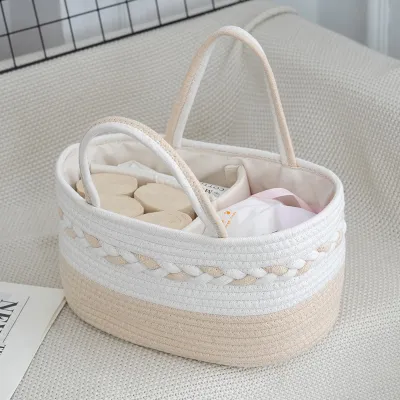
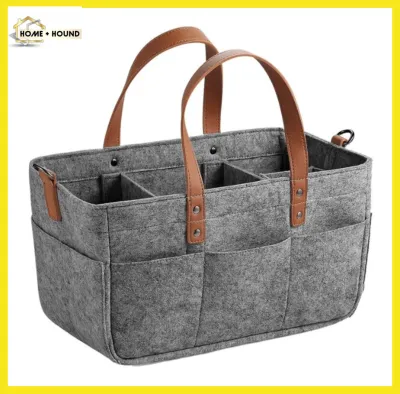
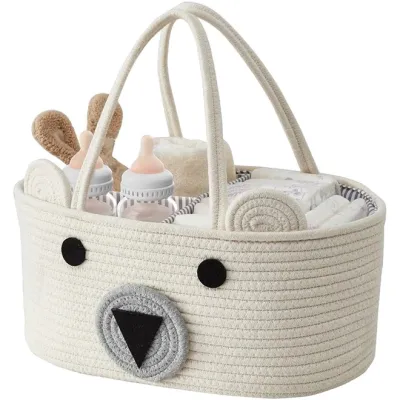
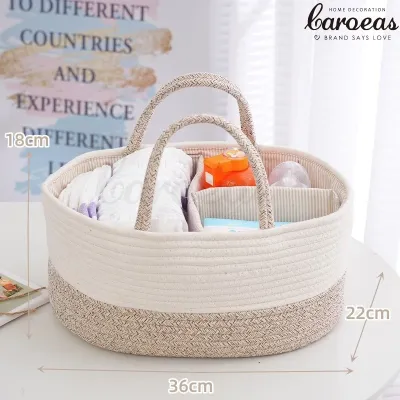
Prices are valid at publication and may change. Please refer to the product page for the latest price.
Essential Diaper Caddy Features for Nursery and Living Area Use
Compartments and Dividers
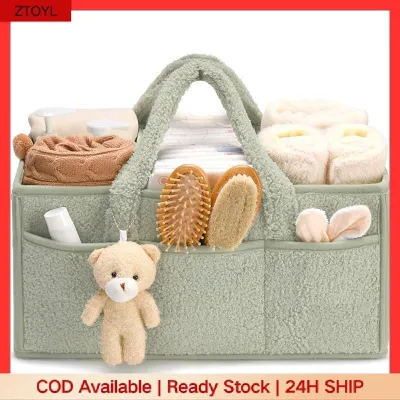
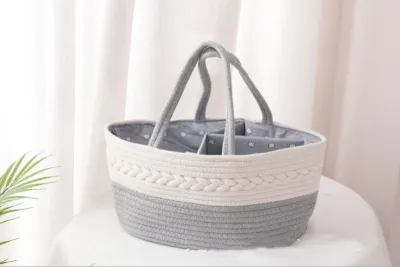
The internal layout of a diaper caddy directly impacts how efficiently you can navigate a messy diaper change. A single, wide-open compartment often leads to a chaotic jumble of items, where small tubes of cream roll under heavy wipe packages. To prevent this, look for caddies equipped with adjustable or removable dividers, which are typically secured with velcro strips along the interior walls. This modular design allows you to customize the space to fit your changing needs—such as creating a narrow slot for newborn diapers, a wider section for a full-sized wipes dispenser, and dedicated pockets for smaller ointments, cotton balls, and hand sanitizers.
Handles and Portability
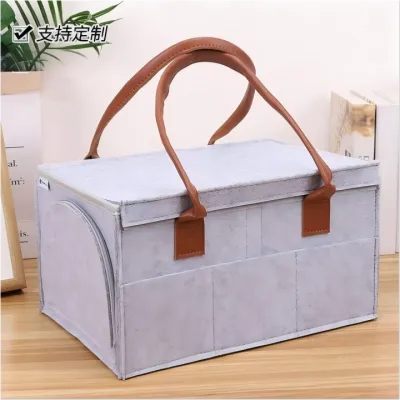
Portability is a defining characteristic of a high-quality diaper caddy, especially in multi-room or multi-story homes. If you frequently carry your supplies between the nursery and the living room, the design and comfort of the handles are paramount. Look for handles made of durable, comfortable materials such as thick woven cotton canvas, reinforced vegan leather, or integrated molded plastic. The attachment points where the handles meet the body of the caddy must be reinforced with cross-stitching or metal rivets to prevent tearing under the weight of heavy baby wipes and liquids.
Exterior Pockets
Exterior pockets act as quick-grab zones for items you need to access in an instant. When you are holding a squirming baby with one hand, you cannot afford to rummage through the main compartment for a pacifier, a digital thermometer, or a nasal aspirator. Mesh side pockets are highly practical because they allow you to see the contents immediately, while fabric pockets with elasticized tops keep smaller items secure and prevent them from slipping out when the caddy is carried at an angle.
Base Stability
A caddy with a floppy or sagging bottom is prone to tipping over, which can spill creams and scatter clean diapers across the floor. To ensure reliable stability, choose an organizer with a reinforced base. High-quality caddies feature a rigid bottom panel, such as a removable plastic insert, a thick piece of cardboard wrapped in water-resistant fabric, or a reinforced wooden board. This structural reinforcement distributes weight evenly, keeping the caddy flat and upright whether it is resting on a soft bed, a wooden dresser, or a tiled floor.
Material Guide: Balancing Durability, Cleaning, and Aesthetics
Felt and Canvas
Felt and canvas are incredibly popular choices for modern nurseries due to their soft textures, lightweight construction, and minimalist aesthetics. These materials blend seamlessly into Scandinavian, bohemian, or contemporary home decor. However, parents living in humid, tropical climates—such as the Philippines—must consider environmental factors. High humidity levels, particularly during the monsoon season, can cause natural fibers to absorb moisture from the air, potentially leading to musty odors or mold growth if the caddy is kept in a poorly ventilated room. If you opt for felt or canvas, ensure the caddy is kept dry, and look for models that feature removable, machine-washable fabric liners for easy sanitizing.

Faux Leather and Vinyl
For parents who prioritize easy maintenance and long-term hygiene, faux leather (polyurethane or PU leather) and vinyl are exceptional materials. These options are naturally water-resistant and highly resistant to the effects of high humidity. If a bottle of baby oil leaks or a tube of zinc oxide diaper cream gets squeezed accidentally, you can easily wipe the surface clean with a damp microfiber cloth or a baby wipe. Faux leather caddies also offer a sophisticated, premium look that can easily transition into general home storage once your child outgrows diapers.
Hard Plastic and Wood
Hard plastic and wood are the most durable materials available, making them ideal for stationary nursery setups. Plastic organizers are lightweight, exceptionally sturdy, and can be completely submerged in water or scrubbed with household disinfectants, making them the most hygienic option for preventing the spread of germs. Wood offers unmatched structural integrity and a classic, timeless appeal that matches traditional nursery furniture. However, both materials are significantly heavier than fabric or felt, which limits their portability and makes them less suitable for carrying around the house.
Safety Checks
Regardless of the material you choose, verifying the safety of the product is critical. Always inspect the manufacturer’s product labels to ensure the caddy is made from non-toxic, BPA-free, phthalate-free, and lead-free materials. This is especially vital for plastic organizers, which may contain harmful chemical additives, and painted wooden caddies, which could utilize lead-based finishes. Because infants explore their environment by touching and mouthing nearby objects, choosing chemically safe gear is a fundamental step in protecting your baby’s health.
Size and Capacity: Matching Your Space and Diapering Routine
Compact vs. Large Capacity
Before purchasing a diaper caddy, measure the physical surface where you plan to place it. Whether it is the top of a nursery dresser, a narrow bedside table, or a corner of the living room sofa, the caddy must fit securely without hanging over the edges. A compact caddy, typically measuring 10 to 12 inches in length, is designed to hold a single day’s supply of diapers (about 6 to 8 diapers), a travel pack of wipes, and a few basic creams. Large-capacity caddies, measuring 15 inches or more, can house a bulk supply of 20+ diapers, full-sized wipes tubs, and multiple changes of clothes. While convenient, large caddies occupy significant space and can quickly become cluttered if not organized systematically.
Multi-Tier vs. Single Tier
The physical layout of your caddy dictates how easily you can access your supplies. Single-tier wide caddies keep all items on a single, easily accessible level, allowing you to grab what you need with one hand while keeping your other hand safely on your baby. Multi-tier designs, such as double-decker caddies or hanging organizers, stack supplies vertically. This is a fantastic space-saving solution for tight nurseries, as it maximizes storage capacity without expanding the physical footprint of the changing station.
Weight Considerations
It is easy to underestimate the weight of baby supplies. A full, heavy-duty tub of wet wipes can weigh over half a kilogram. When you add a dozen diapers, bottles of rubbing alcohol, baby lotion, and a portable changing mat, a large caddy can easily weigh 2 to 3 kilograms. If you choose a high-capacity caddy, you must evaluate the strength of the handles and the rigidity of the base. Carrying a heavy, sagging caddy can put unnecessary strain on your wrists and back, and increases the risk of dropping the entire setup.
Recommended Diaper Caddy Styles for Different Home Setups
The Portable Felt or Canvas Caddy for Multi-Room Use
The classic tote-style caddy is the ultimate solution for parents who need to transport diapering supplies throughout the day. These caddies feature a lightweight felt or canvas body, reinforced handles, and two to three main compartments with removable dividers. They are best suited for living room use, traveling, or moving between floors in multi-story homes. However, soft-sided felt caddies can lose their shape over time if they are not consistently filled or supported by internal dividers. High-quality felt caddies (such as those from brands like Parker Baby Co. or similar premium felt organizers available on local online marketplaces) generally range from ₱400 to ₱900, with top-tier options featuring reinforced vegan leather piping along the edges to prevent sagging.
The Stationary Multi-Compartment Organizer for the Nursery
Designed for a dedicated, permanent changing station, these organizers feature a rigid frame and multiple small, dedicated pockets for creams, grooming tools, and diaper rash ointments. They are best suited for keeping on top of a nursery dresser, changing table, or hanging securely from the side of a crib. The primary limitation of this style is its bulky design and lack of comfortable carrying handles, making it unsuitable for transport. Rigid plastic changing table organizers (such as the Munchkin Diaper Duty Organizer or similar heavy-duty plastic storage stations) are priced between ₱800 and ₱1,800, offering unmatched durability and surfaces that are incredibly easy to sanitize.
The Rolling Diaper Cart for High-Capacity Needs
A rolling utility cart is an excellent option for parents who need to store bulk supplies and move them easily without lifting heavy loads. These carts feature three tiers of shelving, lockable caster wheels, and a high weight capacity, making them ideal for small spaces where vertical storage is necessary, or for parents of multiples. The main limitations are that they occupy dedicated floor space and hard wheels can scratch delicate wooden or laminate flooring if rolled aggressively. Rolling utility carts (such as the classic IKEA RÅSKOG or highly rated generic metal 3-tier carts available on local ecommerce platforms) typically range from ₱600 to ₱1,500. Ensure the wheels glide smoothly and have functional locks to keep the cart stationary during diaper changes.
Safety, Organization, and Maintenance Best Practices
Safe Placement
As babies develop, they quickly learn to roll, reach, and pull themselves up. Never leave a diaper caddy within arm’s reach of an unsupervised baby. Small items like safety pins, nail clippers, nasal aspirator tips, or small cream tubes pose severe choking hazards. Creams containing zinc oxide or steroid-based ointments can be toxic if ingested, and plastic packaging poses a suffocation risk. Always position the caddy completely out of the baby’s reach. If you are using a changing table, place the caddy on a nearby shelf or at the far end of the table where the baby’s hands cannot reach, and never leave your baby unattended on any elevated surface.
Weight Distribution
To ensure the caddy remains stable and safe to carry, practice smart weight distribution. Place heavy, dense items at the bottom center of the organizer. This includes large refill packs of wet wipes, glass or heavy plastic bottles of baby lotion, and backup sanitizing liquids. Diapers, which are incredibly light, can be stacked on top or in the side compartments. Keeping the center of gravity low prevents the caddy from tipping over when you set it down on an uneven surface, such as a bed or a sofa, and reduces the risk of it swinging wildly when you carry it by the handles.
Cleaning Routines
A diaper caddy is a high-touch item that can easily harbor bacteria, dust, and spilled liquids. Establish a weekly cleaning routine to maintain hygiene. For plastic, faux leather, or vinyl caddies, empty all contents and wipe down every surface with a mild, baby-safe sanitizing spray or warm soapy water. For felt and fabric caddies, use a vacuum attachment to remove dust and lint, and spot-clean any stains immediately with a damp microfiber cloth and a drop of gentle baby laundry detergent. Always refer to the manufacturer’s care instructions before attempting to machine-wash any fabric components. If a baby develops a persistent, spreading, or severe diaper rash, consult a pediatrician or qualified healthcare professional rather than relying solely on over-the-counter creams stored in your caddy.
Frequently Asked Questions (FAQ)
Can I use a regular storage basket instead of a specific diaper caddy?
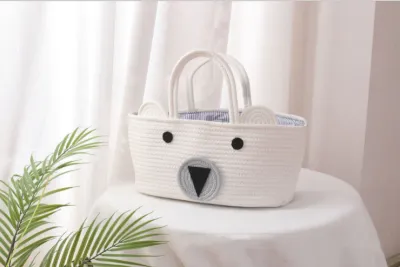
While a standard decorative basket can hold diapers, it lacks the specialized organizational features of a dedicated diaper caddy. Caddies feature custom-sized compartments, moisture-resistant linings to handle spills, and reinforced handles designed to support the specific weight of heavy baby wipes and liquids. Without dividers, items in a regular basket easily jumble together, making quick diaper changes more chaotic.
How do I prevent a felt diaper caddy from losing its shape?
Felt is naturally soft and can sag over time. To maintain its structure, keep the internal dividers firmly attached, as they act as internal support pillars. Alternatively, you can place custom-cut rigid cardboard or thin plastic sheets at the bottom and along the sides. Choosing a felt caddy with reinforced vegan leather trim along the upper edges also helps preserve its structural integrity.
What is the best way to organize a diaper caddy for twins or multiples?
When caring for multiples, capacity and clear separation are key. A 3-tier rolling utility cart is highly recommended, allowing you to dedicate one tier to each baby’s specific diaper size and specialized skin creams, with the remaining tier holding shared items like wipes and sanitizers. If using portable caddies, consider buying two distinct colors to prevent mix-ups during late-night changes.
Community discussion
Share your experience or ask a question. Comments are reviewed before publication.