
Choosing the right diaper bag mommy bag is one of the most practical decisions you will make as a parent. An ideal bag must balance ergonomic carrying comfort, smart interior organization, and highly durable, wipeable materials that can withstand tropical humidity and frequent spills. Whether you are navigating busy shopping centers in Manila, commuting, or heading out for a quick neighborhood errand, the right bag keeps your hands free and your baby’s essentials perfectly organized.
Define Your Daily Routine and Capacity Needs
Before browsing styles, evaluate your typical daily outings and your baby’s current developmental stage. A parent who primarily takes quick trips to nearby shops has very different storage needs than one who spends entire days away from home visiting family or running errands. Matching the bag’s capacity to your routine prevents the common mistakes of carrying an unnecessarily heavy load or running out of clean diapers mid-trip.
Your baby’s age dictates what goes inside the bag. Newborns require an extensive array of gear, including six to eight diapers, multiple changes of clothes, swaddles, wet wipes, and feeding supplies like bottles, formula dispensers, or nursing covers. As your baby grows into a toddler, the diaper count decreases, but you will need to pack more solid snacks, water bottles, toys, and spare clothes for active, messy play.
Products mentioned in this guide
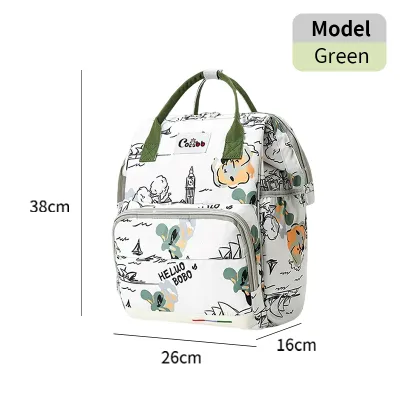
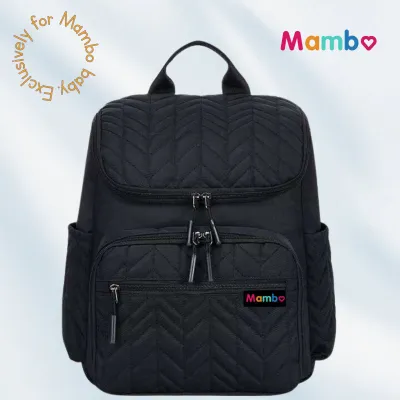
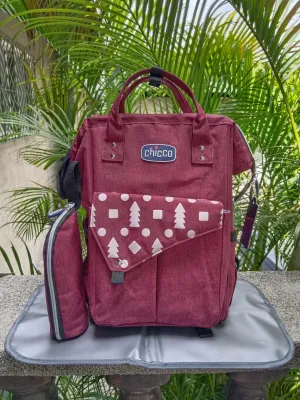
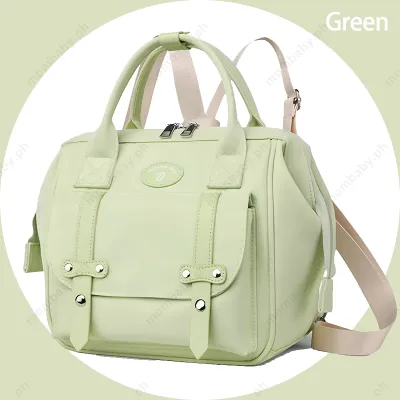
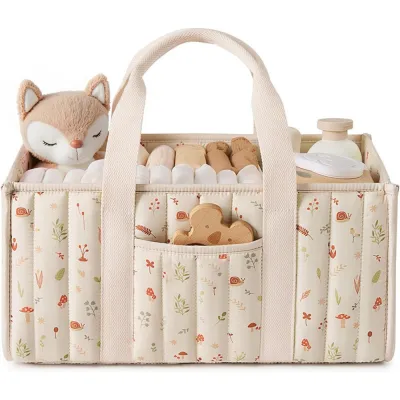
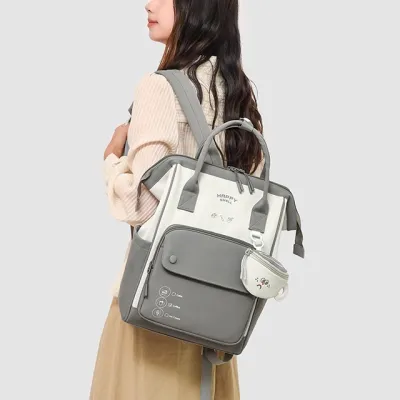
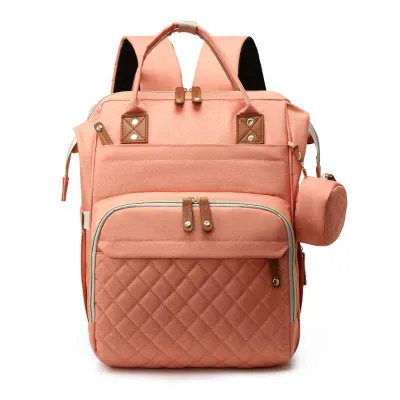
Prices are valid at publication and may change. Please refer to the product page for the latest price.
Do not forget to factor in your primary mode of transportation and physical comfort. If you frequently walk, use public transit, or navigate crowded streets, a lightweight and compact bag is essential to avoid physical exhaustion. If you travel mostly by private car, a larger bag can easily live in the trunk while you carry a smaller pouch for quick stops.
Choose the Right Carrying Style for Your Comfort
Ergonomics play a massive role in how much you will enjoy using your bag daily, especially in hot and humid tropical climates where heavy, poorly designed straps can cause chafing and discomfort. Selecting a carrying style that matches your physical needs and lifestyle is key to long-term comfort.

- Backpack style: This is often the most popular choice for active parents because it distributes weight evenly across both shoulders. It keeps your hands completely free to carry your baby, push a stroller, or hold an umbrella during sudden afternoon rains. Look for backpacks with padded, breathable mesh shoulder straps to minimize sweating and shoulder fatigue during long walks.
- Tote or shoulder style: This style offers a classic, fashionable look and allows for quick, top-down access to your items without needing to take the bag off completely. However, carrying a heavily packed tote on one shoulder for extended periods can cause muscle strain and uneven posture. It is best suited for shorter trips or parents who primarily travel by car.
- Crossbody or messenger style: Excellent for quick outings, these bags keep your essentials close to your body and easily accessible. They are highly adjustable and can be swung to the front or back as needed. The trade-off is that they can put pressure on a single shoulder, making them less comfortable for carrying heavy, bulky gear over long distances.
- Stroller straps: Many modern bags feature integrated stroller straps or clips that allow you to hang the bag directly from your stroller's handlebar, relieving your shoulders entirely.
When using stroller straps, you must always consult your stroller manufacturer’s manual regarding weight limits and attachment points. Hanging a heavy diaper bag on the handlebar can alter the stroller’s center of gravity, causing it to tip backward when you lift your baby out of the seat, which poses a serious safety risk.
Prioritize Smart Storage and Quick Accessibility
A diaper bag is essentially a mobile nursery; without intuitive organization, it quickly becomes a chaotic, bottomless pit where items get lost. Look for specific layout features that make packing and retrieving items seamless, even when you are holding a crying baby.
- Main compartment: Look for a wide-opening, clamshell-style zipper design. This allows the bag to open completely flat or wide, giving you full visibility of the contents so you do not have to dig blindly for a clean onesie or a pacifier buried at the bottom.
- Insulated pockets: Dedicated thermal pockets are essential for keeping milk, pre-mixed formula, or warm water at the desired temperature during outings. Verify that these pockets are lined with high-quality insulation and are large enough to accommodate your specific bottle brands.
- External quick-grab pockets: High-frequency items like wet wipes, pacifiers, your smartphone, and keys should be accessible within seconds. Look for dedicated exterior pockets, especially a side pocket with a magnetic flap or zipper designed for quick wipe dispensing during sudden diaper blowouts.
- Internal organization: A great bag features multiple built-in mesh dividers, elasticized loops, and zippered slip pockets. These compartments keep items like diaper creams, hand sanitizers, and medicine bottles upright, preventing leaks and keeping small essentials organized.
- Mess management: Spills, wet clothes, and soiled diapers are inevitable. Ensure your chosen bag has a separate, water-resistant compartment or includes a dedicated wet bag to keep damp or soiled items completely isolated from clean clothes and dry snacks.
Select Durable, Easy-to-Clean Materials
Daily use exposes your diaper bag to spilled milk, crushed snacks, dirt, and unpredictable weather. Choosing the right materials ensures your bag remains hygienic, looks good, and lasts throughout your parenting journey.
- Exterior fabrics: Water-resistant, high-density fabrics such as nylon, polyester, or treated vegan leather are ideal. These materials repel light rain, resist staining, and can be easily wiped clean with a damp cloth. Avoid delicate fabrics like canvas or untreated cotton, which absorb liquids and are prone to mold and mildew in humid conditions.
- Interior linings: Always check the color and material of the inner lining. Avoid dark interiors, which make it difficult to locate small items in low-light settings. Opt for light-colored, water-resistant linings that can be quickly wiped down if a bottle leaks or a snack container opens.
- Hardware durability: The durability of a diaper bag often depends on its hardware. Look for robust, rust-resistant zippers, sturdy metal or high-grade plastic clasps, and reinforced box-X stitching at high-stress points like strap connections. Flimsy zippers will quickly fail under the pressure of a fully packed bag.
To maintain the integrity of your bag’s water-resistant coatings and fabrics, always check the manufacturer’s care labels. Avoid machine washing or using harsh chemical cleaners unless explicitly permitted by the manufacturer, as this can damage the protective seals and materials.
Evaluate Built-in Accessories and Extra Features
Many diaper bags come packed with extra accessories. It is important to distinguish between features that offer genuine daily convenience and those that simply add unnecessary bulk and cost.
- Changing pad: A portable, cushioned, and wipeable changing mat is an absolute necessity. It should be large enough to protect your baby from public restroom changing tables, yet fold up compactly to slide into a dedicated sleeve without taking up valuable main compartment space.
- Tech integration: If you are a working parent or need to stay connected on the go, a padded laptop or tablet sleeve can be highly useful. Some bags also offer built-in USB charging ports; however, keep in mind that these are merely pass-through cables and still require you to carry and connect your own separate power bank.
- Security and travel: An anti-theft zipper pocket located on the back panel (resting securely against your back) is excellent for keeping your wallet, phone, or passport safe in crowded areas. A luggage sleeve that slides over suitcase handles is also highly beneficial if you travel frequently, but avoid overpaying for complex gadgets that do not align with your daily routine.
Test and Verify Your Choice Before Buying
Before finalizing your purchase, whether you are shopping at a physical boutique or browsing online marketplaces, run through a practical checklist to ensure the bag meets your real-world needs.
- The "pack and lift" test: If shopping in person, place a few heavy items inside the bag to simulate its weight when fully packed. Wear it on your shoulders or across your body to verify that the straps are comfortable, do not dig in, and distribute weight evenly.
- One-handed operation test: Test the zippers, magnetic snaps, and buckles to ensure they can be operated smoothly with only one hand. In real-life scenarios, your other hand will almost always be occupied holding, soothing, or diapering your baby.
- Verification of limits: Double-check the bag's dimensions and stroller strap mechanisms against your specific stroller model's user manual to guarantee a secure, safe fit.
- Purchase protection: When buying online, carefully review the seller's return policies, exchange windows, and warranty terms. This ensures you can return or exchange the bag if the material quality, strap comfort, or overall size does not meet your expectations once you handle it in person.
Frequently Asked Questions (FAQ)
Can I use a regular backpack instead of a specific diaper bag?
Yes, a standard backpack can work, especially for minimalists or parents of older toddlers who require fewer specialized items. However, regular backpacks usually lack crucial features like insulated bottle pockets, wipeable internal linings, integrated wet compartments, and dedicated stroller straps. While a standard backpack might save you money initially, a purpose-built diaper bag provides specialized convenience that significantly reduces stress during hectic outings.
How many diaper bags do I actually need?
Most families find that a two-bag system works best. A primary, larger diaper bag is essential for full-day trips, travel, or long doctor visits where you need to carry a comprehensive set of gear. A secondary, compact diaper clutch, small crossbody bag, or stroller caddy is perfect for quick neighborhood walks, brief errands, or when you want to travel light. Your specific routine and lifestyle should dictate the number of bags you own rather than a rigid rule.

Community discussion
Share your experience or ask a question. Comments are reviewed before publication.