
Selecting the right diaper bag is one of the most practical decisions you will make as a parent. A well-designed bag does more than simply carry diapers; it serves as a mobile command center that keeps your baby’s essentials organized, clean, and easily accessible during stressful moments. Whether you are navigating a quick trip to the local supermarket, spending an afternoon in a warm shopping mall, or traveling out of town, your choice of bag directly impacts your physical comfort and peace of mind. To find the perfect match, you need to look beyond aesthetic appeal and focus on functional features. The ideal diaper bag balances storage capacity with ergonomic weight distribution, incorporates weather-resistant materials suitable for tropical climates, and offers intuitive organization that prevents you from rummaging endlessly for a pacifier or a wipe.
Diagnose Your Daily Routine and Carrying Needs
Before browsing different styles or brands, take a moment to analyze your lifestyle and daily outing patterns. The way you travel, the number of children you have, and the typical duration of your trips will dictate the ideal size, weight limit, and carrying style of your diaper bag. Consider these questions to diagnose your requirements:
- How long are your typical outings? If you mostly run short errands, a compact bag with space for a couple of diapers, wipes, and a single bottle is sufficient. For all-day family gatherings or medical appointments, you will need a high-capacity bag that can hold multiple outfits, feeding supplies, toys, and changing accessories.
- Are you packing for one child or multiple children? Packing for a newborn requires a high volume of small items, including frequent changes of clothes, burp cloths, and diapers. If you are managing a newborn and a toddler, you must accommodate different diaper sizes, potty-training gear, and diverse snacks, which demands a bag with distinct, separated compartments.
- What is your primary mode of transportation? If you primarily drive, bag weight might be less critical. However, if you frequently walk, use a stroller, or rely on public transit like jeepneys, buses, or trains, a lightweight, hands-free backpack is essential for maintaining balance and navigating crowded spaces.
Choosing a bag that is too large often leads to overpacking, resulting in an unnecessarily heavy load that strains your back. Conversely, selecting a bag that is too small forces you to carry extra plastic bags to hold overflow items, which clutters your hands and increases the risk of losing valuable belongings.
Products mentioned in this guide
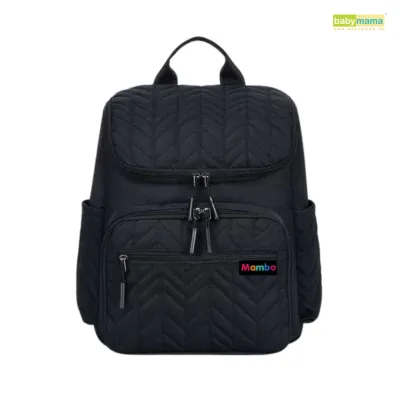
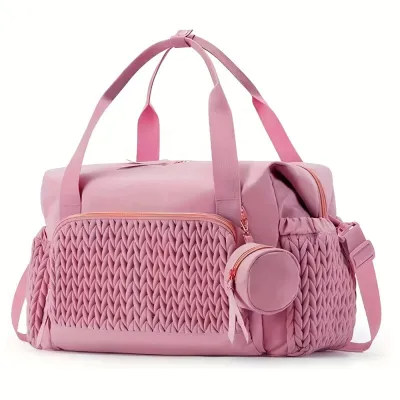
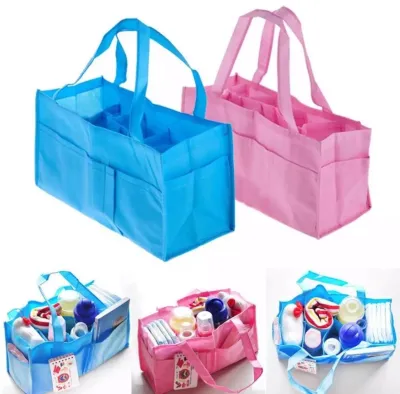
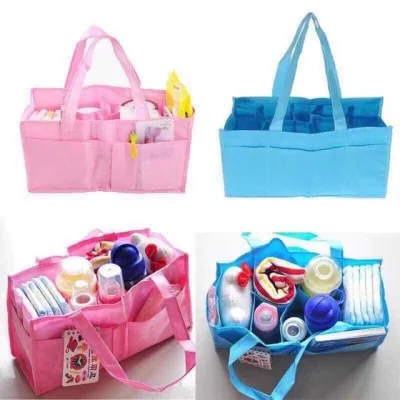
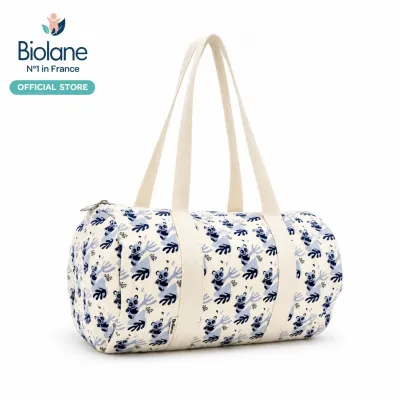
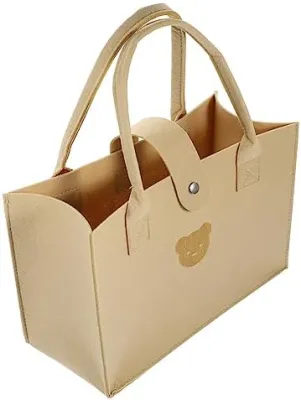
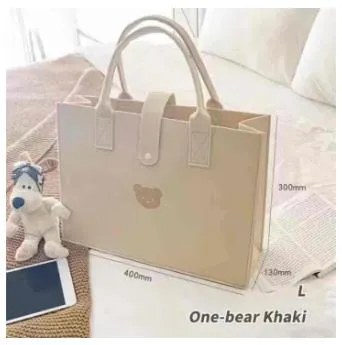
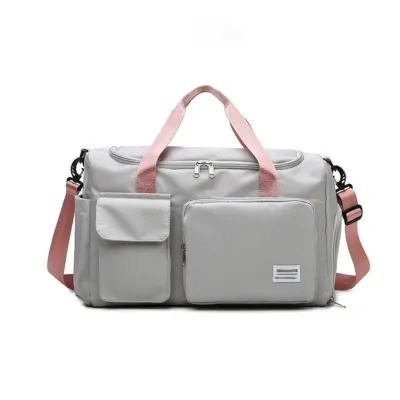
Prices are valid at publication and may change. Please refer to the product page for the latest price.
Evaluate Storage and Organization Layouts
A diaper bag’s true value lies in its internal and external layout. When your baby is crying and needs an immediate diaper or bottle change, a highly organized bag saves valuable time and reduces stress.

Dedicated Compartments for Feeding and Care
Efficient feeding and quick cleanups require specialized pockets that keep essential items separated and within arm’s reach.
- Insulated bottle pockets: Keeping breast milk, formula, or warm water at a safe, stable temperature is vital when you are away from home. Look for bags that feature dedicated, insulated compartments lined with thermal material. These pockets help maintain temperatures for several hours, protecting your baby's food from spoiling in warm weather.
- Quick-grab side pockets and wipe dispensers: Look for external side pockets designed specifically for baby wipes. Some bags feature a dedicated slit that allows you to pull out a wipe without removing the entire pack from the bag. Additionally, external slip pockets are ideal for holding pacifiers, teething toys, or small snacks that you need to grab instantly.
- Wide-opening main compartments: A wide-opening, structured frame—often referred to as a clamshell or doctor's bag design—stays open on its own and allows you to view the entire contents of the bag at a single glance. Traditional top-loading drawstring bags tend to create a "black hole" effect, where small items sink to the bottom and require you to unpack the entire bag to find a single diaper cream.
Secure and Accessible Pockets for Valuables
As a parent, you need to carry your own essentials alongside your baby’s gear. Carrying a separate handbag in addition to a bulky diaper bag is often impractical and physically exhausting.
- Dedicated parent zones: Look for a diaper bag that includes secure, zippered pockets designed specifically for your personal belongings, such as your smartphone, wallet, keys, and cosmetics. Having a designated "parent zone" ensures your valuables remain safe and easily accessible.
- Contamination prevention: Keeping your personal items in separate, secure pockets prevents them from coming into contact with soiled clothes, damp diapers, or leaking baby bottles. Internal mesh dividers and small slip pockets within these compartments are highly beneficial, as they keep your keys and cards from sinking to the bottom of the bag.
Check Material, Weight, and Weather-Ready Specs
The durability and comfort of a diaper bag depend heavily on its construction materials and hardware. Because these bags undergo heavy daily use and exposure to the elements, choosing high-quality materials is essential.
- Water-resistant and wipeable interiors: Spills, leaks, and messes are inevitable when carrying baby bottles, water cups, and soiled clothing. Ensure the bag’s interior lining is made of water-resistant, wipeable material like high-density nylon or polyester. This allows you to clean up liquid spills quickly with a damp cloth or baby wipe, preventing mold growth and unpleasant odors.
- Durable exterior fabrics: The exterior of the bag should resist stains, water, and general wear. Sturdy materials such as nylon, polyester, or treated canvas are excellent choices. Before cleaning your bag, always verify the manufacturer’s care labels and instructions. Some materials can be spot-cleaned easily, while others may have specific restrictions regarding machine washing or the use of chemical disinfectants, which can degrade waterproof coatings.
- Lightweight base weight: Pay close attention to the weight of the empty bag. A heavy leather or heavily structured canvas bag might look appealing, but once packed with water, formula, spare clothes, and toys, it can easily exceed three to four kilograms. Look for lightweight base materials so that the bag itself does not add unnecessary physical strain.
- Breathability for tropical comfort: In warm, humid tropical climates like the Philippines, carrying a heavy bag against your body can quickly cause discomfort and excessive sweating. To prevent this, prioritize bags that feature breathable, padded mesh back panels and shoulder straps. The mesh material promotes airflow between your body and the bag, keeping you significantly cooler during outdoor walks or commutes.
- Sturdy, rust-resistant hardware: High humidity can cause cheap metal components to rust and break over time. Examine the quality of the zippers, buckles, and strap adjusters. Sturdy, self-repairing nylon zippers or premium metal hardware with anti-corrosion coatings are highly recommended to ensure the bag remains fully functional throughout its lifespan.
Compare Carrying Styles for Ergonomic Comfort
How you carry your diaper bag affects your posture, comfort, and physical endurance. Selecting a style that distributes weight safely is crucial for preventing long-term shoulder and back pain.
Backpacks, Totes, and Crossbody Designs
Each diaper bag silhouette offers distinct advantages and trade-offs depending on your daily physical activities.
- Backpacks: Diaper backpacks are widely considered the most ergonomic option. By distributing the weight evenly across both shoulders, they reduce muscle strain and support better posture. Most importantly, a backpack keeps both of your hands completely free, making it much easier to carry your baby, push a stroller, hold a toddler's hand, or navigate public transit safely.
- Totes: Tote-style diaper bags offer a classic, fashionable look and provide quick, wide-open access from the top. They are excellent for quick car trips or visits to the mall. However, carrying a heavy tote bag on one shoulder for long periods can cause muscle imbalances, neck stiffness, and shoulder pain. If you prefer a tote, look for models that feature wide, padded shoulder straps to help cushion the load.
- Crossbody and messenger bags: These designs are highly convenient for short trips because they allow you to slide the bag to the front of your body to access items without taking the bag off. However, because the weight is concentrated on a single shoulder, they are not ideal for carrying heavy loads over long distances. Ensure any crossbody bag you choose has a wide, adjustable, and heavily padded strap to prevent it from digging into your shoulder.
Stroller Integration and Convertible Options
Using your stroller to help carry your diaper bag can provide welcome relief for your back, but it must be done safely.
- Integrated stroller straps: Many diaper bags feature built-in stroller clips or detachable straps that allow you to secure the bag directly to the stroller's handlebar. This is a highly convenient feature for long walks in parks or shopping malls.
- Stroller safety warning: Never hang a heavy diaper bag on a stroller's handlebar without verifying the stroller manufacturer's weight limits and safety guidelines. Hanging excessive weight on the handlebars can cause the stroller to tip backward, creating a severe safety hazard for your baby. Always place heavy items in the lower storage basket of the stroller first to maintain stability.
- Convertible designs and travel features: If you travel frequently, look for convertible diaper bags that can transition from a backpack to a tote or crossbody bag. Additionally, a built-in trolley sleeve (a fabric band on the back of the bag) allows you to slide the diaper bag securely over the handle of your rolling luggage, making airport navigation much easier.
Decide on Bonus Features and Versatility
Many diaper bags come equipped with additional accessories and tech features. While some add genuine value, others may simply increase the price without offering much practical utility.
- Portable changing pads: A wipeable, fold-out changing pad is one of the most useful bonus features. It provides a clean, hygienic surface for diaper changes in public restrooms or outdoor areas. Verify that the included pad is sufficiently padded and large enough for your baby. If the included pad is too thin or small, you can easily purchase a separate, high-quality portable mat.
- Unisex and minimalist designs: Selecting a diaper bag in a neutral color (such as charcoal gray, black, navy, or olive green) and a minimalist design encourages shared parenting duties. It allows fathers, grandparents, and other caregivers to carry the bag comfortably. Furthermore, a neutral, classic design can easily transition into a regular work or travel bag once your child outgrows the need for diapers.
- Tech features versus core utility: Features like built-in USB charging ports, integrated electronic bottle warmers, or hidden anti-theft pockets are increasingly common. While these gadgets can be convenient, they should never overshadow core features like durable zippers, comfortable straps, and water-resistant materials. Electronic components can fail over time, add unnecessary weight, and make the bag much more difficult to clean safely.
Frequently Asked Questions (FAQ)
Can I just use a regular backpack instead of a specific diaper bag?
While a standard backpack can work in a pinch, it lacks the specialized features that make outings with a baby manageable. Regular backpacks rarely have insulated pockets to keep bottles at safe temperatures, nor do they feature wipeable, water-resistant interior linings to handle accidental spills. A dedicated diaper bag is specifically designed with organized compartments and convenient access points, significantly reducing stress and friction during busy outings.
How many insulated bottle pockets do I actually need?
The number of insulated pockets you need depends on your baby’s feeding method and family size. If you exclusively breastfeed or carry a toddler who drinks water, a single insulated pocket is usually sufficient. However, if you formula-feed, carry multiple bottles for long trips, or have twins, look for a bag with two or more insulated compartments to ensure all milk, formula, or baby food remains at a safe temperature.
What is the best way to clean a diaper bag after a spill?
To clean your diaper bag, first empty all contents and shake out any loose crumbs. Wipe the interior and exterior surfaces thoroughly using a clean, damp cloth and a mild, baby-safe soap. Always check the manufacturer’s care label and cleaning instructions before machine washing your bag or using harsh chemical disinfectants, as these can easily damage waterproof backings, ruin thermal insulation, or warp the bag’s structure.
Community discussion
Share your experience or ask a question. Comments are reviewed before publication.