
Selecting a childcare nursing pillow is a practical decision to support your feeding journey. A quality pillow elevates your baby to the correct height, relieving strain on your shoulders, back, and neck during long feeding sessions. In tropical climates like the Philippines, where heat and humidity are daily factors, choosing the right materials and design becomes even more critical for both caregiver and infant comfort.
To make an informed purchase, you must evaluate how the pillow’s shape, firmness, and fabric align with your body type and feeding style. While prices can range from a few hundred to several thousand ₱ on local online marketplaces, focusing on structural integrity and ease of cleaning will ensure you get the best value. Understanding these key features will help you select a safe, durable, and comfortable support system.
Evaluating Shape, Firmness, and Fill Materials
The physical structure of a nursing pillow determines how well it positions your baby and how comfortably it fits around your waist. Most pillows come in C-shape, U-shape, or wrap-around designs. C-shaped pillows are highly popular because they easily slide around the waist and fit a wide variety of body types quickly. Wrap-around designs offer a more secure fit, often featuring adjustable straps that buckle behind your back to eliminate any gaps between you and the pillow.
Products mentioned in this guide
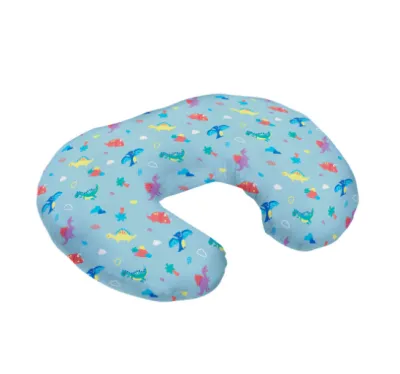
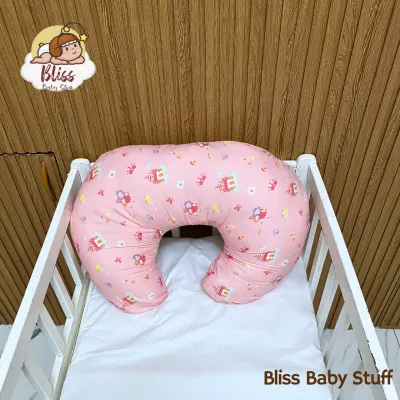
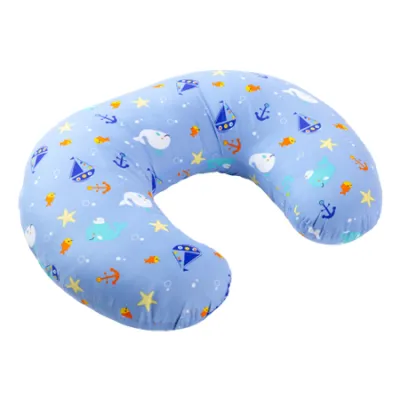
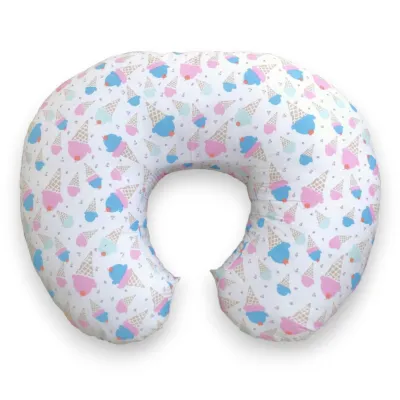
Prices are valid at publication and may change. Please refer to the product page for the latest price.
Firmness is a critical safety and comfort factor that caregivers often overlook. A nursing pillow must be firm enough to support the baby’s weight without sagging or allowing the baby to sink into the cushion. If the pillow is too soft, your baby may roll inward toward your body or outward away from you, which can disrupt latching and strain your arms as you try to keep them steady. A firm, flat surface keeps the baby level and stable, reducing the physical effort required to hold them in place.
The internal fill material directly affects the pillow’s weight, breathability, and ability to retain its shape over time. Common fills include polyester fiberfill, memory foam, and cotton. In warm and humid environments, breathability is essential to prevent heat buildup between you and your baby. Polyester fiberfill is lightweight and dries quickly after washing, but it can clump or flatten with heavy use. Molded foam provides excellent, uniform support but can trap body heat, making hypoallergenic, ventilated foam or high-density cotton fills highly desirable options to check.
Choosing Safe and Washable Cover Fabrics
Because a nursing pillow comes into direct contact with your baby’s delicate skin, the outer cover fabric requires careful consideration. Babies are prone to heat rashes and skin irritation, especially in warm weather. Natural, breathable fabrics like 100% cotton, organic cotton, or bamboo-derived rayon are excellent choices because they allow air to circulate and absorb moisture effectively. Avoid synthetic fabrics that trap heat and sweat, which can cause discomfort during extended feeding sessions.

Hygiene is another major priority, as milk spills, spit-up, and drool are daily occurrences. A fully removable cover is an essential feature to look for when buying a childcare nursing pillow. Verify that the cover is machine-washable and can withstand frequent washing without shrinking or losing its softness. It is highly practical to purchase at least one spare cover so you can continue using the pillow while the dirty cover is in the laundry.
The design of the closure mechanism is also a key safety detail. Look for covers with hidden zippers that are recessed or covered by a fabric flap. Exposed zipper teeth or metal pulls can scratch your baby’s skin or snag your clothing. Avoid covers that use loose buttons, long decorative ties, or rough hook-and-loop fasteners, as these can pose choking hazards or cause skin irritation during close contact.
Ensuring Caregiver Comfort and Adjustability
A nursing pillow should adapt to your body, not the other way around. Adjustable straps or waist belts are valuable features that allow you to secure the pillow snugly against your torso. This prevents the pillow from sliding down or shifting forward when you move, ensuring that the baby remains at the correct height throughout the feed. Adjustable designs are particularly helpful if multiple family members of different sizes will be using the same pillow.
The thickness and height of the pillow must match your torso length and the seating you use most frequently. If the pillow is too thin, you will find yourself hunching forward to bring your breast to the baby, defeating the purpose of ergonomic support. Before purchasing, consider the height of your nursing chair’s armrests and how the pillow will sit on your lap. The ideal pillow elevates the baby to your breast level while allowing your shoulders to remain completely relaxed.
While some nursing pillows are marketed as multi-use items for tummy time, propping, or sitting support, you should approach these claims with caution. Only use the pillow for secondary purposes if the manufacturer explicitly states it is safe to do so and provides clear guidelines. These activities must always be supervised, and the baby must meet the required developmental milestones, such as strong neck control, before attempting them.
Verifying Safety Warnings and Usage Limits
Safety must always be your top priority when selecting and using baby gear. The most critical safety rule for nursing pillows is that they are designed strictly for supervised feeding and must never be used for infant sleep, lounging, or co-sleeping. A baby’s head can easily tilt forward if they fall asleep on a propped surface, which can block their airway and lead to positional asphyxiation. Always move your baby to a firm, flat crib or bassinet if they fall asleep during or after a feed.
Before buying, check the product labels and manufacturer documentation to verify compliance with safety standards. Look for certifications that confirm the materials are free from harmful chemicals, heavy metals, and flame retardants. In humid climates, it is also wise to check if the materials are treated to resist mold and mildew, though you must ensure any such treatments are certified safe for infant contact.
Finally, inspect the overall structural integrity of the pillow before each use. Check for loose seams, tearing fabric, or exposed filling that a baby could accidentally inhale or swallow. Ensure there are no deep gaps or crevices between the pillow and your body where a baby’s head could become wedged. If the pillow begins to lose its firmness, sags significantly, or shows signs of structural wear, it should be retired immediately to maintain a safe feeding environment.
Frequently Asked Questions (FAQ)
Can a nursing pillow be used for bottle feeding as well as breastfeeding?
Yes, a childcare nursing pillow is highly effective for bottle feeding. It supports the caregiver’s arms and shoulders, reducing fatigue during long feeds. When bottle feeding, position the baby on the pillow in a semi-upright angle rather than lying completely flat. This elevated position helps prevent choking, controls the flow of milk, and reduces the risk of fluid entering the middle ear, which can lead to ear infections.
When should I stop using a nursing pillow?
You should stop using a nursing pillow when your baby outgrows the physical dimensions of the cushion or reaches milestones that make the pillow unnecessary. As babies grow longer and heavier, they may no longer fit comfortably on the pillow’s surface, or their weight may cause the pillow to sag. Additionally, once your baby can sit up independently or has developed the core strength to latch easily without extra elevation, you can transition away from using the pillow.
Community discussion
Share your experience or ask a question. Comments are reviewed before publication.