
Quick Answer: Core Features for Nursing Comfort
Selecting the right breastfeeding chair for mom is one of the most critical decisions when setting up a nursery. Because newborn feeding sessions can occur up to twelve times a day and last anywhere from twenty to forty-five minutes each, a dedicated chair must prioritize precise ergonomic support. The primary goal of a high-quality nursing chair is to prevent chronic strain on your neck, shoulders, and lower back by promoting a natural, relaxed posture during feeding.
To ensure maximum comfort and utility, look for a chair that features supportive armrests at the correct height, firm and contoured lumbar support, a seat depth that accommodates your thigh length without cutting off circulation, and a smooth, silent recline function. Secondary but equally vital considerations include selecting breathable, easily cleanable upholstery suitable for warm climates and ensuring the chair’s physical footprint fits comfortably within your nursery layout.
Essential Ergonomic Features for Nursing Comfort
Ergonomic design in a nursing chair is not merely about comfort; it directly impacts your physical recovery and your baby’s ability to latch successfully. Postpartum bodies are highly susceptible to strain, particularly because the hormone relaxin can remain in your system for several months after birth, leaving your ligaments and joints looser than usual. A poorly designed chair forces you to hunch forward, which can lead to a painful condition often referred to as “nursing back.”
Products mentioned in this guide
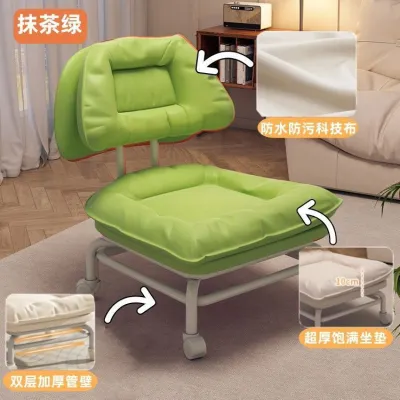
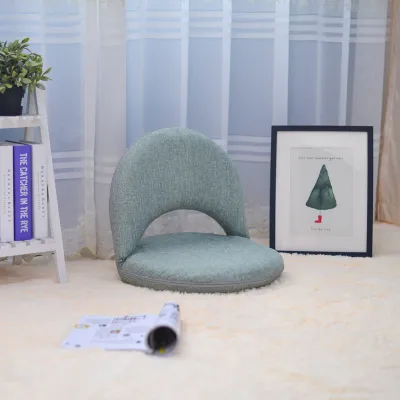
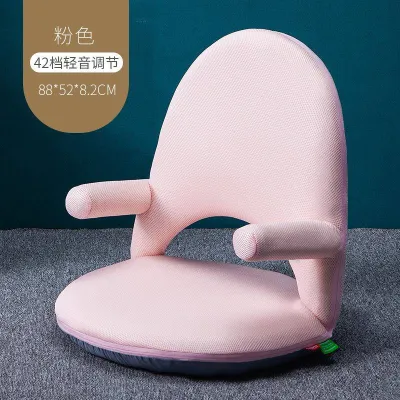
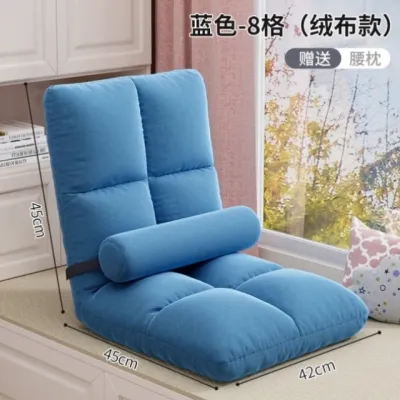
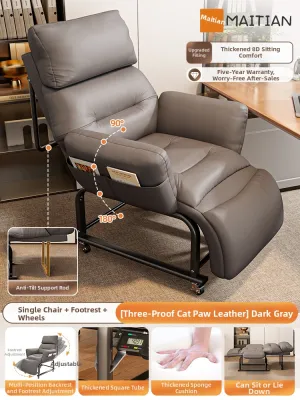
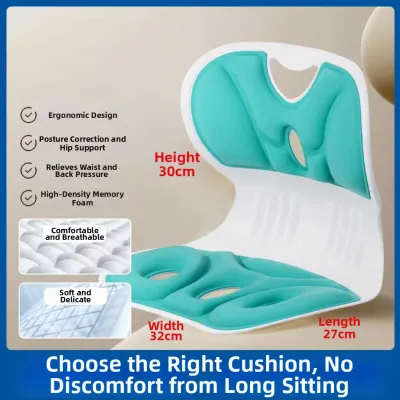
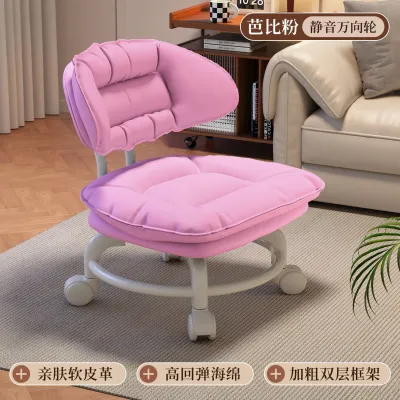
Prices are valid at publication and may change. Please refer to the product page for the latest price.

Armrest Height and Width
Armrests serve as the primary foundation for supporting your arms and the weight of your baby during breastfeeding. If the armrests are too low, you will naturally hunch your shoulders forward or lean to one side to bring your baby close to your breast, causing severe tension in your trapezius and neck muscles. Conversely, if the armrests are too high, your shoulders will be pushed upward into an unnatural shrug, leading to tension headaches and upper back pain.
The ideal armrests should allow your elbows to rest comfortably at a ninety-degree angle while keeping your shoulders completely relaxed. In terms of width, the armrests must be wide enough to support both your forearms and a standard nursing pillow without squeezing you or forcing your arms too far outward. When evaluating a chair, sit in it and mimic your preferred nursing holds—such as the cradle, cross-cradle, or football hold—to verify that your elbows receive continuous support without your shoulders lifting.
Lumbar and Full Back Support
Continuous lower back support is essential to prevent slouching, which flattens the natural curve of your spine and puts excessive pressure on your intervertebral discs. A quality breastfeeding chair for mom should feature pronounced, built-in lumbar support that cradles the small of your back. If a chair lacks this built-in contouring, you will find yourself constantly adjusting loose pillows, which can shift out of place when you are trying to hold a sleeping baby.
Beyond the lower back, the height of the backrest is equally important for overall comfort. The backrest should extend high enough to support your entire upper back, shoulders, and head. This full-back support is especially critical during late-night and early-morning feedings when physical fatigue is at its peak, allowing you to rest your head back safely. If you are taller, verify the backrest measurements specifically to ensure your head does not overshoot the top of the cushion.
Seat Depth and Cushion Firmness
Seat depth dictates how your thighs are supported and whether you can sit fully back against the lumbar support. If the seat is too deep, your knees will not bend comfortably over the front edge, forcing you to slide forward and lose all lumbar support. A proper fit leaves a gap of approximately two to three fingers between the back of your knees and the front edge of the seat cushion, ensuring optimal blood circulation to your lower legs.
Cushion firmness is a critical safety and comfort factor that is often overlooked. While an ultra-soft, plush cushion may feel inviting initially, it is highly impractical for nursing. Sinking deep into a soft cushion makes it incredibly difficult to stand up safely while holding a sleeping baby, as you lack the solid leverage needed to push yourself upward. Opt for a medium-firm, high-density foam cushion that provides resilient support, holds its shape over years of use, and allows you to transition to a standing position with minimal physical effort, which is especially important if you are recovering from a cesarean delivery.
Recline Function and Footrests
An adjustable recline function allows you to utilize laid-back breastfeeding positions, also known as biological nurturing. This slightly reclined posture uses gravity to help your baby latch more deeply and naturally, while reducing the weight burden on your arms. Any reclining mechanism must operate smoothly and completely silently; loud clicks, stiff levers, or sudden jerks can easily startle a light-sleeping infant and ruin a successful transition to sleep.
An accompanying footrest or ottoman plays a dual role in comfort and physical recovery. Elevating your feet helps reduce postpartum edema (swelling in the legs and feet) and takes the pressure off your lower back. Furthermore, pushing off a footrest provides the necessary leverage to stand up gently without straining your abdominal muscles. When choosing a reclining chair, decide whether you prefer an integrated footrest that pops up via a lever or a separate, stationary ottoman that can be moved around the room as needed.
Practical Upholstery and Maintenance for Tropical Climates
In warm and humid tropical environments, the choice of upholstery fabric directly influences how comfortable you and your baby will remain during long, skin-to-skin contact sessions. High temperatures make heat retention a major concern. Materials like thick faux leather, heavy velvet, or dense synthetic polyesters trap body heat and sweat, causing the fabric to stick to your skin and creating a hot, uncomfortable environment for a warm baby.
Breathable, natural fibers such as cotton and linen blends are excellent choices for encouraging air circulation and keeping the seating surface cool. However, because natural fibers are highly absorbent, they are susceptible to staining from inevitable spills, spit-up, and leaking milk. To balance breathability with practical maintenance, look for performance fabrics or treated microfibers that have been engineered to resist liquid absorption while maintaining a soft, breathable texture.
To ensure long-term hygiene, prioritize chairs that feature removable, machine-washable slipcovers or zippered cushion covers. Being able to strip the fabric off and run it through a washing machine is the most reliable way to combat odors, milk stains, and dust mites. Always verify the manufacturer’s care instructions before washing, as some performance fabrics require specific laundry settings or air-drying to preserve their stain-resistant properties.
Space, Portability, and Long-Term Usability
Before purchasing a nursing chair, carefully evaluate the physical dimensions of your nursery and the layout of your home. Traditional rockers and modern gliders require a significant amount of clearance space both in front of and behind the chair to accommodate the swinging or gliding motion. If you place a glider too close to a wall, you risk damaging the plaster or fabric when you recline or rock, while placing it too close to a crib can restrict your movement.
For compact nurseries or apartments, a stationary recliner or a small-footprint accent chair paired with a compact ottoman is often a more space-efficient choice. Take precise measurements of your nursery layout, keeping in mind the clearance needed for doorways, hallways, and tight corners during delivery. It is incredibly frustrating to purchase a perfect chair only to find that it cannot clear the narrow entryways of an older home or a condominium unit.
Consider the long-term lifecycle of the furniture beyond the exclusive breastfeeding months. A high-quality nursing chair represents a significant financial investment, so choosing a design with a neutral aesthetic and a durable solid wood or steel frame ensures it can transition into other parts of your home. A chair with classic lines and understated fabric can easily find a second life as a cozy reading chair in your living room, a study, or a guest bedroom once your child outgrows the nursery stage.
Safety, Stability, and Pre-Purchase Checks
Safety is the absolute priority when selecting any piece of nursery furniture. Begin by verifying the manufacturer’s specified weight capacity to ensure the chair can safely support the combined weight of the mother, a growing baby, and any heavy nursing pillows or accessories. A sturdy, well-engineered frame prevents structural failure over time, protecting both you and your child.
Base stability is critical to prevent accidental tipping. The chair must have a wide, heavy base that remains firmly planted on the floor, even when you lean forward over the armrests to pick up your baby from a crib or stand up quickly. When testing a chair, pay close attention to whether the back lifts or the front slides when you shift your weight forward; any sign of instability is a clear indicator that the chair is unsafe for nursery use.
For chairs with moving parts, such as gliders or recliners, carefully inspect the mechanical components underneath. Ensure that all gears, springs, and gliding tracks are fully enclosed or shielded to eliminate pinch points. Exposed moving parts pose a severe safety hazard to curious crawling babies, toddlers, and household pets who might get their fingers or paws trapped while the chair is in motion. Additionally, look for smooth, rounded edges on the wooden or metal frame to prevent bumps and bruises as your baby begins to pull themselves up to stand.
Frequently Asked Questions (FAQ)
Can I use a regular armchair for breastfeeding?
You can use a regular armchair for breastfeeding, provided it meets the essential ergonomic criteria. The chair must have armrests at a height that supports your elbows without forcing your shoulders upward, a firm seat cushion that prevents you from sinking, and adequate back support. However, standard living room armchairs often have seats that are too deep or cushions that are too soft, which can lead to back strain and make standing up while holding your baby difficult. If you choose to repurpose a regular armchair, you will likely need to add specialized lumbar rolls and supportive pillows to compensate for these ergonomic shortcomings.
Is a nursing chair necessary, or can I just use a nursing pillow on my bed?
While nursing on a bed with a pillow is a common practice, especially during late-night feedings, relying on it as your primary nursing spot can lead to poor posture and chronic physical fatigue over time. Beds do not offer structured back support, which often forces you to slouch, slide, or lean awkwardly against a headboard. A dedicated breastfeeding chair for mom provides a stable, ergonomically correct environment that keeps your spine aligned, supports your arms, and helps position your baby for a better latch. Investing in a dedicated chair significantly reduces physical strain and creates a quiet, consistent routine that helps soothe both you and your baby during daytime and nighttime feeds.
Community discussion
Share your experience or ask a question. Comments are reviewed before publication.