
A dedicated breastfeeding chair is not simply an ornamental piece of nursery furniture; it is a vital ergonomic tool designed to safeguard your physical health. Over the course of infancy, you will spend thousands of hours feeding, soothing, and holding your baby. Without proper physical support, these prolonged sessions can quickly lead to chronic muscle strain, fatigue, and joint pain.
During nursing, mothers naturally tend to lean forward to help the baby latch, which rounds the shoulders and places immense strain on the neck and back. A well-designed breastfeeding chair for mommy solves this by bringing the baby up to your breast level and supporting your body’s natural alignment. This structural support is particularly crucial during late-night feeds when fatigue makes maintaining good posture difficult.
Investing in a supportive chair ensures that your furniture adapts to your body, rather than forcing your muscles and joints to adapt to an unsupportive seat. By selecting a chair with the right dimensions and features, you can prevent repetitive strain injuries and create a peaceful, comfortable environment for both you and your baby.
Products mentioned in this guide



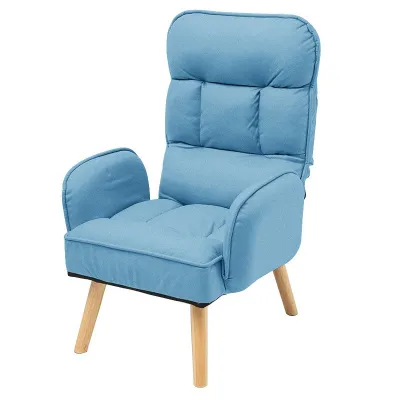
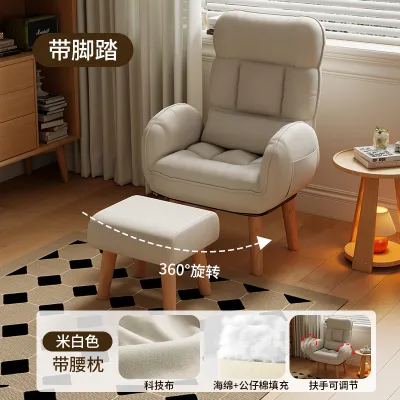


Prices are valid at publication and may change. Please refer to the product page for the latest price.
4 Core Features to Check for Optimal Nursing Posture
Armrest Height and Width
Armrests are the primary line of defense against shoulder and neck strain during feeding. When evaluating a chair, sit down and observe whether the armrests allow your shoulders to drop naturally. Your elbows should rest comfortably at roughly a 90-degree angle while you hold your baby or support a feeding pillow.
If the armrests are positioned too high, they will force your shoulders to shrug upward, which rapidly translates into tension headaches and neck stiffness. Conversely, if the armrests are too low, you will find yourself slouching to one side or leaning forward, placing severe pressure on your lower back and wrists.
Look for wide, flat, and generously padded armrests. These provide a stable, comfortable platform for your forearms and help keep a nursing pillow securely in place, preventing it from sliding away mid-feed.
Lumbar and Upper Back Support
A high-quality nursing chair must offer continuous, reliable support from your lower lumbar region all the way up to your upper back and neck. Because feeding sessions can last anywhere from twenty to forty-five minutes, a short backrest that ends mid-back will leave your upper body unsupported and prone to slouching.
The backrest should align with the natural curve of your spine, encouraging an upright or gently reclined posture without requiring you to lean forward to reach your baby. This helps distribute your upper body weight evenly and minimizes spinal pressure.
When shopping, check whether the chair features built-in lumbar contouring. If you find a model that fits your nursery perfectly but lacks sufficient lower back support, verify if there is enough space to add a firm, dedicated lumbar cushion to fill the gap.
Seat Depth and Cushion Density
Seat depth directly influences your lower body circulation and pelvic alignment. To test this, sit all the way back in the chair and check the space behind your knees. There should be a small gap—approximately two to three fingers wide—between the edge of the seat cushion and the back of your knees.
If the seat is too deep, the front edge will press against the back of your knees, restricting blood flow and causing your legs to go numb. It may also force you to slouch forward to find back support. If the seat is too shallow, your thighs will lack adequate support, placing excessive pressure on your sit bones.
Cushion density is equally critical for long-term comfort. Avoid seats that are overly soft, as they allow your pelvis to tilt backward, flattening your lumbar curve and straining your lower back. However, an excessively firm cushion can create painful pressure points; look for high-density foam that offers a supportive bounce-back feel and will resist sagging over months of heavy daily use.
Recline Angle and Adjustability
A slight recline is highly beneficial during breastfeeding because it redistributes your baby’s weight across your torso rather than concentrating it entirely on your arms, wrists, and shoulders. This position can also facilitate a more natural, laid-back breastfeeding latch.
However, avoid chairs with deep, dramatic reclines that make it difficult to sit up safely. You must be able to easily transition from a reclined position to a standing position while holding your baby, without straining your abdominal muscles or compromising your balance.
Look for a smooth, quiet, and easily adjustable reclining mechanism. Ideally, you should be able to operate the recline lever or tension knob with a single hand, allowing you to adjust your position silently without waking a sleeping infant.
Comfort Upgrades: Base Types, Footrests, and Fabrics
Glider vs. Rocker vs. Stationary Bases
The movement of your chair can make a significant difference in how easily you soothe your baby to sleep. Gliders move back and forth on a smooth, linear track, which many parents find incredibly soothing and easier to maintain than a traditional rocking motion.

Traditional rocking chairs move in a wider, classic arc. While highly effective, rockers typically require more floor space behind and in front of the chair to accommodate the sweeping motion without hitting walls or nearby nursery furniture.
Stationary chairs equipped with a 360-degree swivel base offer excellent stability and versatility. The ability to pivot smoothly allows you to turn and reach for burp cloths, water bottles, or nursing supplies on a nearby side table without disturbing your baby’s latch. Always measure your nursery’s floor space carefully to ensure there is ample clearance for the chair’s full range of motion.
Matching Ottomans for Leg Support
Elevating your feet is not just a luxury; it is an ergonomic necessity that reduces pressure on your lower back and improves your pelvic alignment during long feeding sessions. A matching ottoman allows you to stretch out your legs and distribute your body weight more evenly.
When selecting an ottoman, check its height relative to the chair’s seat. Your knees should rest at or slightly below your hips; if the ottoman is too high, it will push your knees upward, tilting your pelvis backward and straining your lower lumbar region.
Consider choosing a storage ottoman. This multi-functional design provides a hidden compartment to keep extra swaddles, diapers, or nursing pads close at hand, keeping your nursery tidy and functional.
Breathable and Spill-Resistant Fabrics
In the warm and humid climate of the Philippines, fabric choice is paramount for comfort. Avoid heavy, synthetic materials that trap heat and sweat; instead, prioritize breathable, moisture-wicking, or cooling fabrics that keep both you and your baby comfortable during long, skin-to-skin feeding sessions.
Spills, spit-ups, and leaked breast milk are inevitable. Look for upholstery treated with a safe, spill-resistant finish that allows liquids to bead up for easy wiping, or opt for chairs with fully removable, machine-washable covers.
Examine the texture of the fabric carefully. Avoid rough, scratchy, or highly textured weaves that could irritate your baby’s delicate, sensitive skin during close contact, especially during warm afternoons when your baby may only be wearing a light diaper.
How to Test a Breastfeeding Chair Before You Buy
In-Store Testing Steps
If you are shopping in a physical showroom, do not just sit in the chair for a few seconds. Bring a weighted object, such as a heavy handbag or a doll, to simulate the weight of a baby, and practice sitting down and standing up multiple times without using your hands for leverage.
Test all mechanical features thoroughly. Recline the backrest, test the glider or rocker motion, and use the swivel function to ensure every movement is completely silent and smooth, as squeaky joints can easily startle a light-sleeping infant.
Online Shopping Verification
When purchasing online, avoid relying solely on stylized product photos. Carefully review the manufacturer’s detailed dimensional diagrams, comparing the seat height, width, and depth with a chair in your home that you already find comfortable.
Read customer reviews with a critical eye, specifically searching for feedback regarding long-term durability. Look for mentions of cushion sagging after a few months, fabric pilling, squeaking joints, or overly complex assembly instructions.
Return Policies and Warranties
Because comfort is highly subjective, always verify the retailer’s return policy before finalizing your purchase. Ensure you can return or exchange the chair if it does not fit your body shape or nursery space as expected.
Additionally, check the warranty coverage, particularly for mechanical components like glider tracks, swivel bearings, or reclining levers. A robust warranty provides peace of mind that your investment is protected against manufacturing defects.
Safety Boundaries and Nursery Placement Tips
Before assembling or using your new chair, always consult the manufacturer’s instructions for weight limits and safety guidelines. Verify the maximum weight capacity for both the chair and the matching ottoman to ensure safe operation.
Carefully plan the placement of your chair within the nursery. Position it well away from window blind cords, electrical outlets, baby monitors, space heaters, or unstable shelving that the chair’s rocking or gliding motion could accidentally bump into or pull down.
Ensure that any reclining or rocking mechanisms feature secure, reliable locking mechanisms. This prevents the chair from shifting unexpectedly when you are trying to stand up with your baby or when an older sibling is playing nearby.
Always remember that a baby must be securely held at all times and must never be left unattended on a breastfeeding chair. The soft cushions, deep crevices, and inclined angles of these chairs pose severe suffocation and fall hazards if a baby is left to sleep or play unsupervised.
Frequently Asked Questions (FAQ)
Can I use a regular living room chair for breastfeeding?
Yes, a standard living room chair can serve as a breastfeeding station, provided it meets basic ergonomic requirements. Check that the armrests are at a height that allows your shoulders to relax, and that the seat depth does not cut off your leg circulation.
To optimize a regular chair, use a firm, high-quality nursing pillow to lift your baby to breast height, reducing the strain on your arms. You can also place a rolled-up towel or a dedicated lumbar support cushion behind your lower back to fill any gaps and maintain proper spinal alignment.
Is a reclining breastfeeding chair safe for newborns?
It is safe for you to recline slightly while securely holding your newborn, as a semi-reclined position can encourage a deeper latch and allow your body to relax during long feeds. However, you must remain fully awake and alert during these sessions.
Never place your newborn directly on a reclined breastfeeding chair to sleep, and never leave them unattended on the chair. The plush cushioning, side gaps, and inclined surface do not meet safe sleep standards and present significant risks of rolling, suffocation, or falls.
Community discussion
Share your experience or ask a question. Comments are reviewed before publication.