
Selecting the right baby walker with a push handle for your baby boy involves balancing safety, physical support, and engaging design. A parent push handle offers a practical way to guide your little one’s movements, helping him explore his surroundings while giving you active control over his path. However, finding the ideal model requires looking beyond color schemes to evaluate structural stability, ergonomic adjustability, and developmental readiness.
By focusing on key physical features and safety mechanisms, you can choose a walker that supports your baby’s natural growth while keeping him secure. This guide outlines the essential factors to consider, from wheel traction on smooth floors to the transition signals that indicate when it is time to move on to independent walking.
Essential Safety and Stability Checks
To ensure your baby boy remains secure while exploring, the physical design of the walker must be your primary focus. A high-quality walker should feature an extra-wide, heavy base that extends beyond the width of the upper frame. This wide footprint lowers the center of gravity, significantly reducing the risk of tipping over when your baby leans sideways or bumps into furniture. In many homes, smooth tiled floors or polished concrete are standard, which means the walker can glide much faster than it would on carpeted surfaces. To counter this, look for models equipped with non-slip friction strips or rubberized stair-fall prevention pads on the underside of the base. These safety grips are designed to catch on uneven thresholds or the edges of steps, instantly halting the walker’s momentum.
Products mentioned in this guide
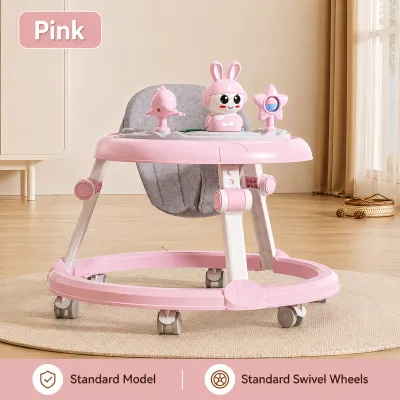
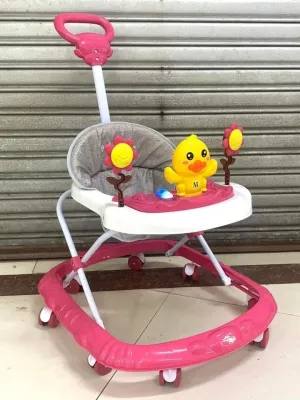
![[BABY WALKER] Training Walker for Babies 5-14 months old with Push Control Bar.. Music and Light-201](https://img.lazcdn.com/g/p/2a64f203adafdd05d3f71f178b85853c.jpg_400x400q80.jpg_.webp)
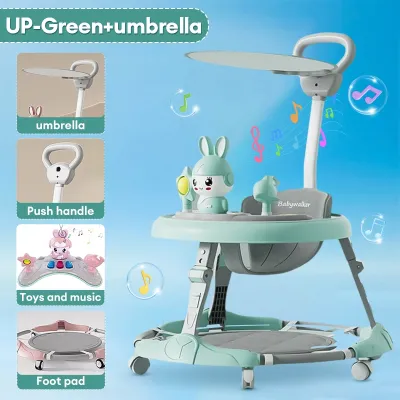
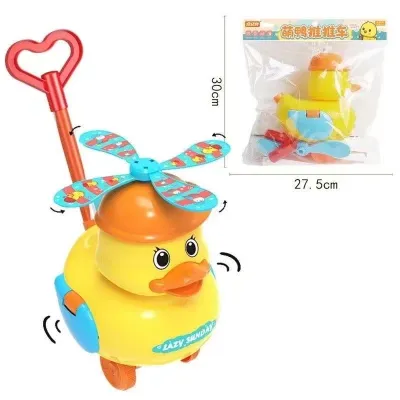
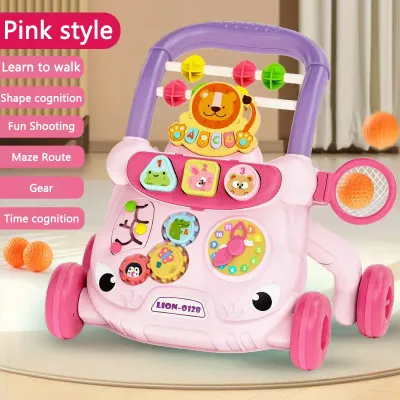
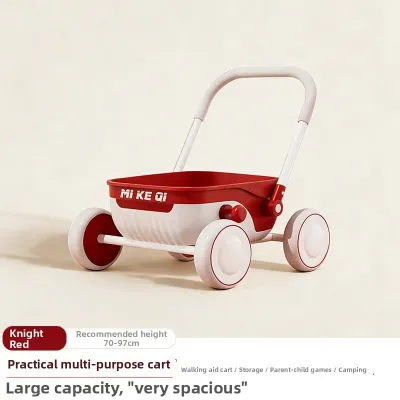
Prices are valid at publication and may change. Please refer to the product page for the latest price.
Wheel mechanics require equally close inspection. Look for a model that features adjustable wheel controls, such as speed restrictors or tension adjusters. These allow you to increase resistance on the wheels, preventing the walker from rolling too quickly while your baby is still finding his balance. Locking brakes are another essential feature, enabling you to completely immobilize the base when you want your baby to remain stationary during snack time or structured play. Ensure the wheels are made of high-quality, non-marring materials that grip smooth indoor surfaces without slipping or scratching your floors.
Before finalizing any purchase, locate the manufacturer’s label to verify the specific weight, height, and developmental stage limits. Relying solely on general age recommendations can be misleading, as babies grow and develop at vastly different rates. A walker that is too small may fail to support your baby’s weight, while one that is too large can compromise his posture and safety. Additionally, inspect the entire frame for potential pinch points, sharp plastic edges, or exposed metal joints. The folding mechanism must feature secure locking pins or double-action latches to prevent the frame from accidentally collapsing while your baby is inside.
Ergonomic Support and Adjustability
Proper physical development relies heavily on how well the walker supports your baby’s natural posture. A key feature to look for is a multi-position height adjustment system for the seat. As your baby boy grows, you must be able to adjust the seat height so that his feet can rest completely flat on the floor with his knees slightly bent. If the seat is too high, he will be forced to walk on his tiptoes, which can strain his calf muscles and negatively impact his walking gait. Conversely, if the seat is too low, his knees will bend excessively, preventing him from pushing off effectively and causing unnecessary joint strain.

The seat itself should feature a high, rigid backrest lined with supportive padding. This design helps maintain proper spinal alignment and prevents your baby from slouching or leaning heavily to one side. Because tropical weather can be hot and humid, look for breathable, moisture-wicking fabrics that prevent heat buildup and skin irritation. The seat cover must be easily removable and machine-washable, allowing you to clean up spills, sweat, and diaper leaks quickly.
The parent push handle is another critical ergonomic component, designed to protect your own physical well-being. Guiding a baby walker can quickly lead to back strain if you are constantly bending over. Look for a push handle that is height-adjustable or ergonomically angled, allowing you to maintain an upright, comfortable posture while assisting your child. The handle should offer a comfortable, non-slip grip that remains secure even if your hands are damp from the warm climate.
Activity Trays and Boy-Themed Designs
An engaging activity tray can keep your baby boy entertained while he refines his fine motor skills. Many parents prefer themed designs featuring vibrant colors, vehicles, dinosaurs, or space motifs. When evaluating these themed panels, prioritize durable, high-impact plastics that can withstand enthusiastic play and frequent cleaning. Ensure that all paints, finishes, and materials are certified non-toxic and free from harmful chemicals.
For maximum versatility, look for a walker with a removable or convertible activity tray. When the toy panel is detached, it should reveal a clean, flat surface that can be used as a snack tray or a stationary play table. This dual-functionality extends the utility of the walker, making it a practical tool for daily routines. If the toy panel is electronic, ensure it has adjustable volume controls and an easily accessible off switch to prevent overstimulation.
Safety must always come first when assessing toy attachments. Avoid any activity trays that feature easily detachable small parts, long cords, or sharp edges that could pose a choking or injury hazard. The toys should be securely anchored to the tray and positioned in a way that does not obstruct your baby’s view of his feet. Being able to see his own feet while moving is crucial for his spatial awareness and motor skill development.
Building Your Shortlist: Pre-Purchase Verification
When you are ready to compile a shortlist of potential walkers from local physical stores or online marketplaces, practical verification is essential. Start by measuring the doorways, hallways, and tight corners in your home. Cross-reference these measurements with the fully assembled dimensions of the walkers on your list to ensure your baby can navigate your living spaces without getting stuck. You should also check the folded dimensions to ensure the walker can fit easily into your storage closets or the trunk of your car for family trips.
Next, carefully review the assembly instructions and the list of required tools. A walker that is overly complicated to assemble increases the risk of structural errors, which could compromise your baby’s safety. Look for models that offer clear, step-by-step guides and require minimal specialized tools. It is also wise to research the availability of replacement parts, such as extra seat covers or replacement wheels, as these components tend to wear out first with regular use.
Before committing your budget, which may range significantly in ₱ depending on the features, verify the retailer’s return policy and warranty coverage. A reliable warranty on moving parts and structural components provides peace of mind and protects your investment. Take the time to read verified user reviews, paying close attention to feedback regarding long-term durability, how well the wheels perform on different flooring types, and how easy the unit is to clean and fold.
Knowing When to Stop or Transition the Walker
A baby walker is a temporary developmental tool, and knowing when to transition away from it is crucial for your baby’s safety and physical progress. Monitor your baby boy closely for signs that he has outgrown the sit-in function. If he attempts to climb out of the seat, if his chest rises above the top edge of the frame, or if he approaches the manufacturer’s maximum weight limit, it is time to discontinue use immediately. Continuing to use a walker past its physical limits increases the risk of structural failure or tipping.
Many modern walkers are designed to convert into standalone push-behind toys once your baby can stand and take steps independently. Follow the manufacturer’s conversion instructions carefully, ensuring all seat components are safely removed and the frame is locked securely into its new configuration. This transition allows your baby to continue building his leg strength and balance while enjoying a greater sense of independence.
Always remember that a baby walker is an active play tool and never a substitute for direct adult supervision. Never leave your baby unattended in the walker, even for a brief moment. Ensure the play area is completely free of hazards, including stairs, swimming pools, hot appliances, electrical cords, and unstable furniture. To support healthy motor development, limit your baby’s daily walker time to short, supervised sessions, ensuring he still gets plenty of unrestricted floor time to crawl, roll, and play on his tummy.
Frequently Asked Questions (FAQ)
Are push-handle walkers safer than traditional sit-in walkers?
A walker with a parent push handle offers an added layer of control, allowing you to guide your baby’s movements and steer him away from potential hazards. However, no design feature can replace active adult supervision. Both traditional sit-in walkers and push-handle models require a completely flat, hazard-free environment to prevent accidents. You must always ensure that access to stairs, steps, kitchens, and outdoor areas is securely blocked, regardless of the walker’s design or the presence of a handle.
At what age should my baby start using a walker with a handle?
Readiness for a baby walker is determined by physical milestones rather than a specific chronological age. Your baby boy should only use a walker if he can sit up completely unassisted, has strong head and neck control, and his feet can touch the floor when the seat is adjusted to its lowest setting. Always consult the manufacturer’s specific guidelines for weight and height limits, and check with your pediatrician if you have any concerns about your baby’s developmental readiness.
Community discussion
Share your experience or ask a question. Comments are reviewed before publication.