
Quick Answer: Core Features for an Effective Baby Organizer Bag
An effective bag for baby organizer must balance accessibility, physical comfort, and structural separation to keep your daily outings stress-free. When evaluating your options, prioritize a bag that features dedicated wet/dry zones to isolate soiled items, insulated bottle compartments to maintain liquid temperatures, and wipeable interior linings that make cleaning up inevitable spills effortless.
Additionally, look for ergonomic carrying styles—such as backpacks or convertible crossbody straps—that distribute weight evenly across your shoulders. By focusing on these core structural elements and verifying material specifications before purchasing, you can ensure the bag remains highly functional, comfortable, and durable throughout your parenting journey.
Matching Compartments to Your Daily Baby Essentials
An organized baby bag is not just about having many pockets; it is about having the right types of compartments in the correct locations. When you are managing a diaper change in a cramped public restroom or trying to soothe a hungry infant, quick access to specific items is critical. Evaluating the internal and external layout of a bag against your daily routine will save you time and frustration.
Products mentioned in this guide
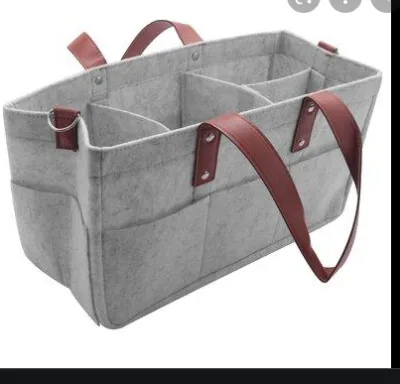
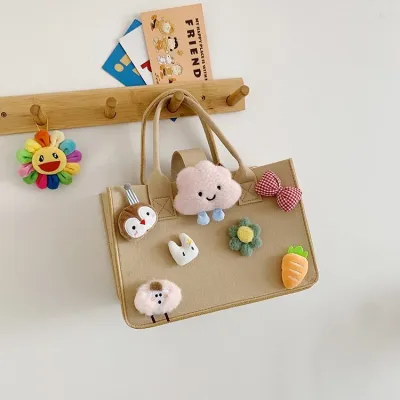
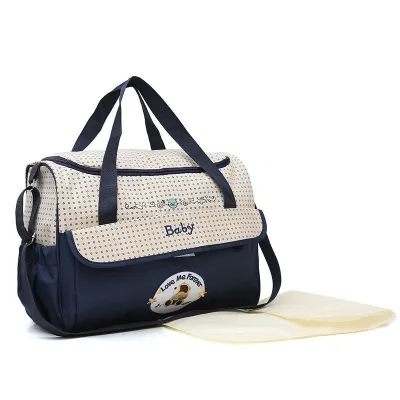
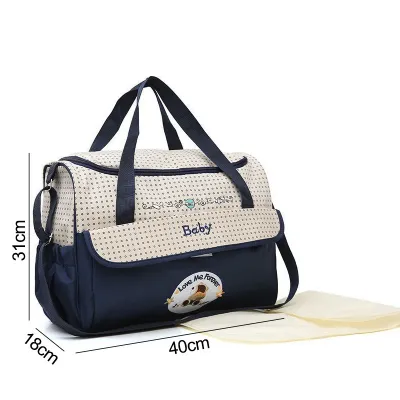
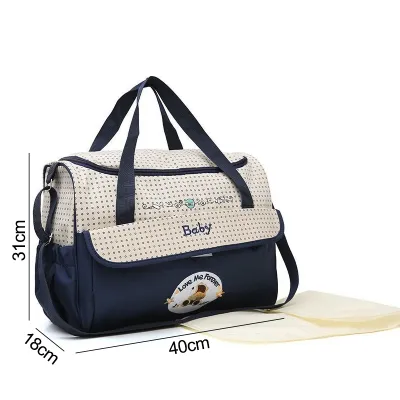
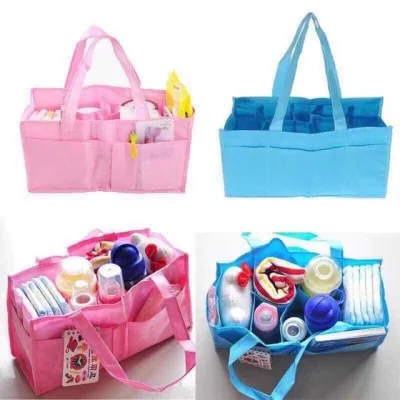
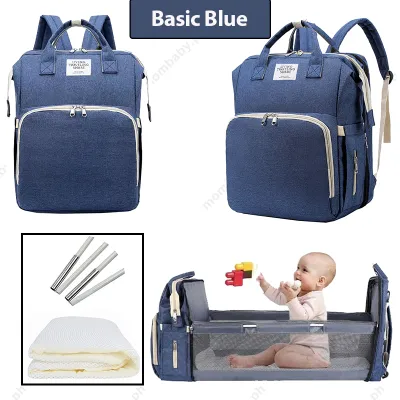
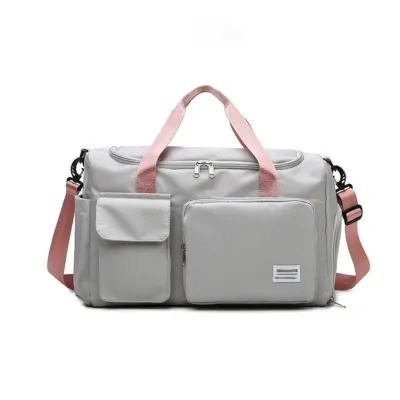
Prices are valid at publication and may change. Please refer to the product page for the latest price.

Diaper and Wipe Access
Diaper changes often require immediate, one-handed access to supplies while you keep your other hand securely on your baby. Look for organizer bags that feature dedicated external wipe pockets, which typically have a zippered or magnetic slit allowing you to pull out individual wipes directly from the pack without opening the main compartment.
Similarly, a separate, easily accessible sleeve for clean diapers keeps them flat, dry, and ready for use. This prevents diapers from getting crumpled or soiled at the bottom of the bag, ensuring they remain sanitary and fully functional when you need them most.
Bottle and Food Storage
Insulated compartments are essential for keeping milk, formula, or baby food at safe temperatures while you are on the move. However, insulation quality and pocket dimensions vary significantly between brands. Before making a purchase, measure the height and diameter of the specific bottles or food containers you plan to use daily.
Many standard insulated pockets are designed for narrow-neck bottles and may not accommodate wider, breast-to-bottle silicone models or larger insulated flasks. Checking these dimensions against the manufacturer’s listed pocket specifications prevents the disappointment of receiving a bag that cannot hold your baby’s preferred feeding gear.
Clothing and Gear Separation
In tropical climates like the Philippines, high humidity and sudden heat mean that sweat-drenched clothes, damp bibs, or soiled diapers can quickly become breeding grounds for bacteria and unpleasant odors. A dedicated wet/dry compartment lined with waterproof materials like thermoplastic polyurethane (TPU) or PEVA is indispensable.
This specialized pocket isolates damp or dirty items from clean clothes, dry swaddles, and food. It prevents moisture from seeping through the internal dividers, protecting the rest of your packed gear from contamination and keeping the interior of your bag hygienic.
Parent Essentials
While the bag is primarily for your baby’s gear, you also need a secure, designated space for your personal items. Fumbling through a deep main compartment filled with toys and blankets to find your keys, phone, or wallet is highly impractical.
Look for a bag that includes a dedicated “parent pocket” located near the top or back panel. This pocket should be zippered and easily accessible, keeping your personal belongings safe, dry, and entirely separate from baby-related items.
Checking Materials, Empty Weight, and Cleaning Labels
The physical properties of a baby organizer bag directly impact its longevity and how comfortable it is to carry daily. Marketing descriptions often use broad terms like “heavy-duty” or “premium,” making it essential to look past the labels and verify the actual material specifications and care instructions provided by the manufacturer.
Interior Linings
Spills, leaks, and crumbs are inevitable when carrying baby formula, purees, and water bottles. To ensure the bag remains sanitary, read the product description and care labels to confirm if the interior lining is wipeable or machine washable.
Linings made from smooth, water-resistant synthetic fabrics can be cleaned quickly with a damp cloth or disinfectant wipe. Avoid bags with absorbent fabric interiors that lack a protective barrier, as they can trap liquids, leading to persistent odors, deep stains, and mold growth over time.
Empty Bag Weight
It is easy to overlook the weight of the bag itself when it is empty, but this is a critical factor in daily comfort. A bag constructed from heavy canvas, thick faux leather, or excessive metal hardware can easily weigh over one kilogram before you pack a single item.
Once you add water bottles, diapers, spare clothes, and personal essentials, the total weight can quickly strain your shoulders and back. Prioritize lightweight materials like high-density polyester or nylon, which offer excellent durability and tear resistance without adding unnecessary physical burden.
Exterior Durability
Sudden tropical downpours require an exterior material that can protect the clean items inside from getting soaked. Verify the manufacturer’s water-resistance claims by checking the specific material specifications.
Look for fabrics treated with water-repellent coatings or tightly woven synthetic fibers that allow rain to slide off the surface. Additionally, check the quality of the zippers; water-resistant zipper tracks or fabric flaps over the zipper lines help prevent water from seeping through the closures during heavy rain.
Choosing the Right Carrying Style and Comfort Features
How you carry your baby bag affects your physical comfort and your ability to move freely. Different situations call for different carrying styles, and understanding the trade-offs of each will help you choose the best option for your lifestyle.
Backpack vs. Tote vs. Crossbody
Backpacks are highly favored by parents because they distribute weight evenly across both shoulders, reducing localized muscle strain and keeping both of your hands completely free to hold your baby, push a stroller, or carry groceries. However, retrieving items from a backpack usually requires taking it off entirely.
Totes and shoulder bags offer rapid, top-down access to your gear while the bag is still on your shoulder, but they can cause uneven muscle strain and tend to slip off when you bend down. Crossbody bags provide a secure fit and easy access, but the single strap can compress your shoulder during long walks, making them better suited for shorter trips.
Strap Adjustability and Padding
If you choose a backpack or crossbody style, pay close attention to the strap design. Thick, padded shoulder straps lined with breathable mesh are vital for comfort, especially in hot and humid weather, as they help prevent chafing and reduce sweat buildup.
Adjustable strap lengths are equally important to ensure the bag sits correctly on your torso. A bag that hangs too low can pull on your shoulders and strain your lower back, while a properly adjusted bag hugs your body closely, stabilizing the load as you move.
Stroller Attachment
Many modern baby bags come equipped with integrated stroller straps, clips, or D-rings that allow you to hang the bag directly from the stroller’s handlebar. This feature is incredibly convenient for relieving your shoulders during long walks in the park or mall.
Before relying on this feature, verify that the attachment mechanism is compatible with your specific stroller model. Some strollers have thick, foam-covered handlebars that require wider clips, while others may not have suitable attachment points, requiring you to purchase separate, compatible stroller hooks.
Verifying Safety Warnings and Weight Limits
Safety should always be your top priority when selecting and using baby gear. Because baby organizer bags are often placed near infants or attached to moving strollers, understanding potential hazards and adhering to manufacturer guidelines is essential.
Choking and Entanglement Hazards
Before purchasing any bag, carefully inspect the product images and descriptions for potential safety hazards. Look for small, loosely attached decorative elements, fragile zipper pulls, or long, dangling cords that a curious baby could pull off and swallow.
Ensure that all straps can be adjusted securely and tucked away when not in use. Loose, dangling straps pose an entanglement risk if the bag is placed inside a crib, playpen, or near a sleeping infant, so always keep the bag out of your child’s reach.
Stroller Tipping Risks
Hanging a heavy organizer bag on a stroller’s handlebar significantly alters its center of gravity, creating a serious tipping hazard. If the bag is too heavy, the stroller can tip backward when you lift your baby out of the seat, potentially causing severe injury.
Always consult your stroller’s user manual to find the maximum weight limit allowed on the handlebar or chassis. Never exceed this limit, and always remove the bag from the handlebar before taking your baby out of the stroller to ensure the frame remains stable and secure.
Chemical and Material Safety
Because your baby’s pacifiers, bottles, teething toys, and clothes will be stored inside the bag, the materials must be safe and non-toxic. Look for explicit manufacturer statements confirming that the bag is free from harmful chemicals such as bisphenol A (BPA), phthalates, lead, and formaldehyde.
Avoid relying on generic “baby-safe” marketing claims. Instead, look for clear compliance labels or certifications on the product packaging, user manual, or the manufacturer’s official website to verify that the materials have been tested and approved under recognized safety standards.
Building Your Shortlist: A Pre-Purchase Verification Checklist
To make a confident decision, especially when shopping on online marketplaces where you cannot physically handle the product, use this step-by-step checklist to compare your shortlisted bags.
- Measure Your Essentials: Take a tape measure and record the dimensions of your largest daily items, such as your portable changing mat, largest baby bottle, thermos, or tablet. Compare these measurements against the bag's listed internal dimensions to ensure everything will fit comfortably without stretching the seams.
- Verify the Return Policy: Check the seller's return policy and the manufacturer's warranty terms. Ensure you can return or exchange the bag if it arrives with manufacturing defects, broken zippers, or if the actual dimensions do not match the online description.
- Check for a User Manual: Verify if the product listing includes or links to a digital care and usage manual. A reputable manufacturer will provide clear instructions on washing methods, maximum weight limits, and proper strap adjustments, helping you maintain the bag's quality over time.
- Inspect the Hardware: Look closely at close-up product photos to evaluate the quality of the zippers, buckles, and strap attachments. Metal hardware or reinforced plastic buckles are generally more durable than thin, fragile plastic components that can easily snap under pressure.
Frequently Asked Questions (FAQ)
Can I use a standard tote bag instead of a dedicated baby organizer?
Yes, you can use a standard tote bag, but it presents several practical challenges. Standard totes typically lack the structured, specialized compartments found in dedicated baby bags, such as insulated bottle holders and waterproof wet/dry pockets. Without these dividers, items like diapers, wipes, and clothes will shift around, making it difficult to find what you need quickly during an emergency.
Additionally, standard totes rarely feature water-resistant interior linings, meaning a single leaking bottle can ruin the bag and soak all your clean gear. If you prefer to use a standard tote, you can make it more functional by purchasing a modular bag organizer insert or using separate, color-coded waterproof pouches to keep your items categorized and protected.
What should I check before attaching a baby bag to a stroller?
Before attaching any baby bag to a stroller, you must consult your stroller’s user manual to verify the maximum weight limit allowed on the handlebar. Exceeding this limit can cause the stroller to tip backward, especially when your baby is not in the seat to counterbalance the weight.
Additionally, check that the bag’s straps or clips do not interfere with the stroller’s braking system, folding mechanisms, or front-wheel rotation. The bag should hang securely and centrally without swinging excessively as you walk, ensuring a safe and smooth ride for your child.

Community discussion
Share your experience or ask a question. Comments are reviewed before publication.