
Preparing your baby’s nursery is an exciting milestone, but choosing the right sleeping surface can quickly feel overwhelming. When shopping for a baby mattress complete set, your primary focus must always be on safety, structural support, and temperature regulation. A complete set should simplify your preparation by bundling the essential layers your infant needs for a secure night’s sleep. However, not all commercial bundles are created equal, and some may even include items that pose safety risks. To make an informed decision, you need to understand what constitutes a safe sleeping environment, how to achieve a flawless fit within your crib or bassinet, and how to select materials that withstand tropical climates.
What to Expect: Components of a Baby Mattress Complete Set
A standard, high-quality baby mattress complete set typically centers on three core components: the mattress itself, a fully fitted sheet, and a breathable waterproof mattress protector. These three layers work together to provide a firm sleeping surface, maintain hygiene, and protect the mattress core from inevitable spills, diaper leaks, and spit-up.
When shopping, you will find distinct differences between crib sets and bassinet sets. Bassinet sets are scaled-down versions designed for the smaller, often uniquely shaped footprints of early-stage sleepers. Because bassinets are only used for the first few months of a baby’s life, these sets prioritize lightweight portability and compact dimensions. Crib sets, on the other hand, are built for standard or convertible cribs, offering larger dimensions and thicker mattress profiles designed to support your child into toddlerhood.
Products mentioned in this guide

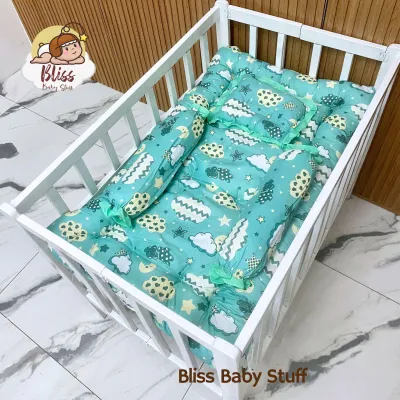
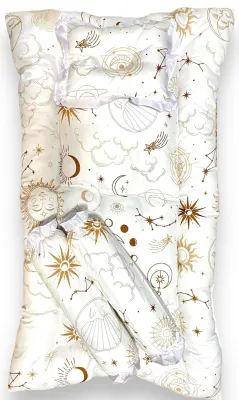
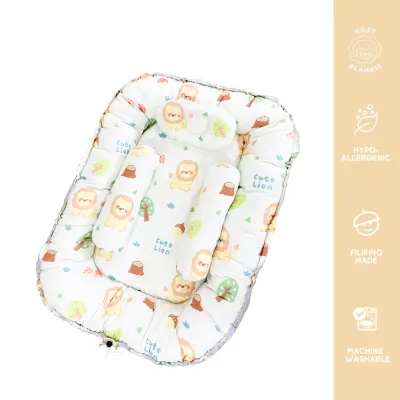
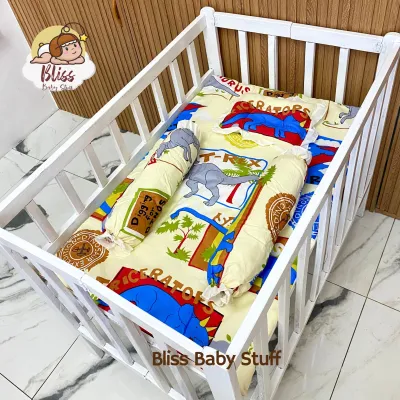

Prices are valid at publication and may change. Please refer to the product page for the latest price.
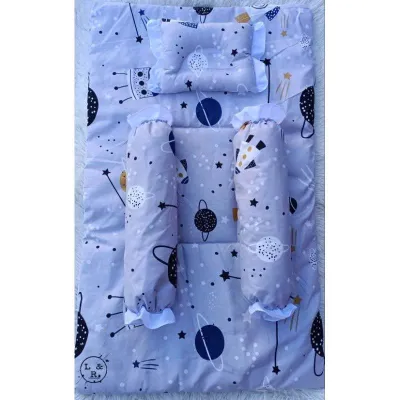
Many commercial bundles tempt buyers by including decorative extras such as matching quilts, pillows, bolster pillows, and padded crib bumpers. While these coordinated items look beautiful in nursery photos, pediatric health authorities warn that loose blankets, pillows, and bumpers must never be placed in an infant’s sleep environment due to serious suffocation and entrapment risks. If you purchase a bundle that includes these accessories, store them away or repurpose them for supervised tummy time on the floor rather than placing them in the crib.
Deciding whether to buy a pre-packaged baby mattress complete set or purchase individual components depends on your specific nursery setup and budget. A bundled set often provides excellent convenience and a lower upfront cost, ensuring that the sheets and protector are pre-sized to match the included mattress perfectly. However, buying components separately allows you to curate specialized materials, such as choosing an organic cotton sheet from one brand and a highly rated breathable mattress from another, giving you maximum control over your baby’s sleep environment.
Step 1: Measure for a Snug, Safe Fit
An improperly fitted mattress creates dangerous gaps that can trap a baby’s head, limbs, or body. To eliminate this hazard, you must perform the “two-finger rule” test once the mattress is placed inside the sleep space. If you can easily insert more than two fingers between the outer edge of the mattress and the inner wooden slats or walls of the crib, the mattress is too small. The fit must be exceptionally snug, leaving virtually no room for lateral movement.

Never rely solely on generic labels like “standard crib size” or “universal fit” when purchasing your baby mattress complete set. Minor manufacturing variances between crib brands can result in gaps that compromise safety. Always use a metal measuring tape to record the precise interior length and width of your specific crib or bassinet frame before you begin shopping, and compare these measurements directly against the mattress specifications.
For bassinets, shape matching is just as critical as measuring the dimensions. Bassinets come in various configurations, including oval, rectangular, and hourglass shapes. You must never attempt to force a rectangular mattress into an oval bassinet or use a mattress designed for a different model. Doing so can cause the mattress to bunch, warp, or create uneven surfaces, which compromises the flat, firm plane your baby requires for safe sleep.
Additionally, pay close attention to the vertical thickness of the mattress. For cribs, a mattress that is too thick can dangerously raise the sleeping surface, making it easier for an older, more active baby to climb over the railing or accidentally fall out. Check your crib manufacturer’s manual to verify the maximum allowable mattress height, ensuring that the distance from the top of the mattress to the top of the crib rail meets all safety guidelines as your baby grows.
Step 2: Assess Mattress Firmness and Core Materials
Infants require a sleeping surface that is significantly firmer than what an adult finds comfortable. A firm mattress provides the necessary resistance to keep your baby’s airway open and unobstructed, dramatically reducing the risks associated with suffocation and Sudden Infant Death Syndrome (SIDS). When a baby sleeps on a soft surface, their face can sink into the material, creating a pocket of trapped carbon dioxide that they may re-breathe.
To test the firmness of a mattress in person, press your hand firmly into the center and along the edges. The mattress should feel rigid and should immediately spring back into shape without retaining any indentation. It should not conform to the contours of your hand, nor should it mold to the shape of your baby’s head or body when they lie down. If the surface feels plush, cushioning, or memory-foam-like, it is unsafe for an infant.
Manufacturers utilize several core materials to achieve this mandatory firmness, each presenting distinct characteristics:
- High-Density Polyurethane Foam: Lightweight and budget-friendly, making sheet changes easier. You must check the manufacturer's specifications to verify the foam's density rating, as low-density foam will sag prematurely.
- Innerspring Coils: Traditional and highly durable, utilizing steel coils to provide robust structural support. Look for a high coil count and thick border rods to ensure consistent firmness across the entire surface.
- Coconut Coir: A natural option made from rubberized coconut husks. It offers inherent firmness and excellent natural airflow, though it tends to be heavier and more expensive.
Regardless of the core material you select, robust edge support is vital. When a baby rolls toward the perimeter or stands up along the crib rails, weak edges can compress or collapse, creating a dangerous slope that can trap the child against the crib side. Verify the edge construction by pressing down on the outer borders of the mattress to ensure they resist compression as effectively as the center.
Step 3: Select Breathable Bedding for Humid Climates
In tropical regions like the Philippines, managing heat and humidity is a constant challenge in the nursery. High temperatures and elevated moisture levels can cause babies to sweat excessively, leading to heat rashes, sleep disruptions, and discomfort. Therefore, the fabric components of your baby mattress complete set must prioritize maximum breathability and moisture-wicking properties.
For the fitted sheet, select natural fibers or high-quality blends such as pure cotton or bamboo-derived viscose. Cotton is highly breathable, gentle on sensitive infant skin, and exceptionally durable through hundreds of wash cycles. Bamboo-derived viscose offers a silkier texture and natural thermal-regulating properties, helping to keep your baby cool during warm, humid nights. Avoid synthetic polyester sheets, which tend to trap body heat and moisture against your baby’s skin.
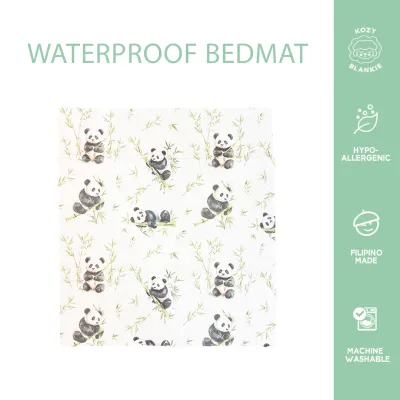
The waterproof mattress protector is your primary defense against mold, mildew, and liquid damage, but it must not act as a heat trap. Look for a protector that utilizes a polyurethane membrane (often labeled as TPU) rather than cheap, crinkly PVC. Polyurethane membranes feature microscopic pores that block liquid molecules while allowing air vapor to pass through, balancing spill protection with essential ventilation.
Humid climates also demand a strict hygiene routine to prevent the growth of mold, mildew, and dust mites within the bedding. Before washing any fabric component, always check the care labels for specific manufacturer instructions. To ensure compatibility and protect the integrity of the materials, wash sheets and protectors in warm water with a mild, baby-safe detergent, and ensure they are completely dry before placing them back on the mattress. If the manufacturer’s instructions conflict with general laundering advice, always defer to the manufacturer’s specific guidelines to avoid damaging the waterproof barrier or shrinking the fitted sheets.
Finally, steer clear of heavily padded, quilted, or plush fitted sheets. While they may appear cozy, extra padding compromises the flat, hard surface of the underlying mattress, introducing unnecessary soft layers that can restrict airflow around your baby’s face.
Step 4: Verify Safety Labels and Care Instructions
Before finalizing your purchase of a baby mattress complete set, you must carefully verify that the product complies with recognized safety standards. Because safety certifications and chemical regulations are dynamic, do not rely on marketing claims alone. Look for independent, third-party certification labels on the product packaging or tags—such as CertiPUR-US for polyurethane foams or OEKO-TEX Standard 100 for textiles—which indicate the materials have been tested to be free from harmful levels of volatile organic compounds (VOCs), formaldehyde, and heavy metals. You should verify these active certifications directly on the certifying organization’s official database or product tags.
You must also review the manufacturer’s documentation to verify the specific age, weight, and developmental milestones designated for the mattress and bedding. For example, bassinets and their corresponding mattress sets have strict weight limits and must be discontinued immediately once your baby begins to roll over, push up on their hands and knees, or reaches the manufacturer’s specified weight threshold. Never assume a mattress is suitable for your child based solely on its product name; always verify the exact limits in the user manual.
If your baby has specific health conditions, sensitive skin, or breathing difficulties, consult a pediatrician or a qualified healthcare professional before selecting specialized sleep surfaces. Additionally, stop using any bedding component immediately if you notice signs of wear, tearing, or structural compromise.
Avoid the temptation to add aftermarket accessories to your set, such as thick mattress toppers, unapproved waterproof covers, or heated pads. These unauthorized additions can alter the firmness of the mattress, create overheating hazards, void your manufacturer’s warranty, and introduce unforeseen safety risks. Stick strictly to the compatible, manufacturer-approved components included in your set or designated specifically for your mattress model.
Final Inspection: What to Check Upon Delivery
Your responsibility does not end once your baby mattress complete set is delivered to your home. Before allowing your baby to sleep on it, conduct a thorough physical inspection to ensure the product is safe and free from defects.
When you first unbox the mattress, you may notice a slight chemical smell, commonly referred to as off-gassing. This is normal for newly manufactured foam and synthetic materials. To address this, place the mattress in a well-ventilated room, away from your baby, and allow it to air out for at least 24 to 48 hours, or until the odor completely dissipates.
Once aired out, place the mattress inside your crib or bassinet to perform a final physical measurement check. Apply the two-finger rule along all four sides to confirm that the fit is perfectly snug and that no dangerous gaps exist. If the mattress does not fit tightly against the frame, do not use it; keep the original packaging and receipt so you can initiate a return or exchange immediately.
Next, closely examine the physical construction of all components:
- Seams: Verify that all seams are tightly stitched with heavy-duty thread, with no loose loops or frayed edges that could unravel or wrap around a baby's fingers.
- Zippers: Ensure that any zippers on the mattress cover or protector are sturdy, slide smoothly, and feature a fabric pull-tab cover or garage to keep the metal hidden away from your baby's reach.
- Waterproof Layer: Inspect the waterproof backing of the protector for any pinholes, tears, or peeling sections that could allow moisture to seep into the mattress core.
By systematically verifying these details, you can establish a safe, comfortable, and hygienic sleep environment that supports your baby’s healthy development while giving you invaluable peace of mind.
Community discussion
Share your experience or ask a question. Comments are reviewed before publication.