
Selecting the right baby fruit feeding pacifier requires looking beyond colorful designs to focus on structural safety, ease of cleaning, and developmental appropriateness. Because these devices introduce solid food textures to infants, evaluating the locking mechanisms, sac materials, and sizing guidelines is essential to prevent choking hazards and ensure a positive feeding experience. This guide outlines the critical features to inspect and the standards to verify before making a purchase.
Introducing fresh fruits is an exciting milestone for families, especially with the abundance of sweet, local produce like ripe mangoes, papayas, and bananas. A fruit feeder allows babies to explore these rich flavors and textures safely while soothing their gums during teething. However, because these tools hold actual food, they require a much higher level of scrutiny than standard pacifiers to ensure every feeding session remains safe and enjoyable.
Understanding the Role and Risks of Fruit Feeders
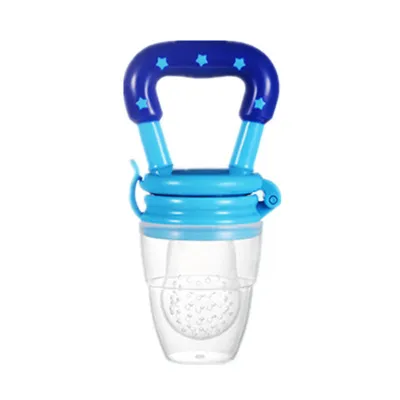
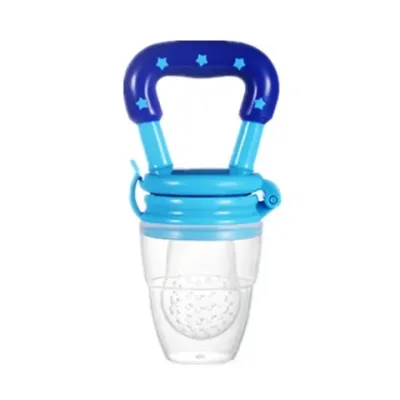
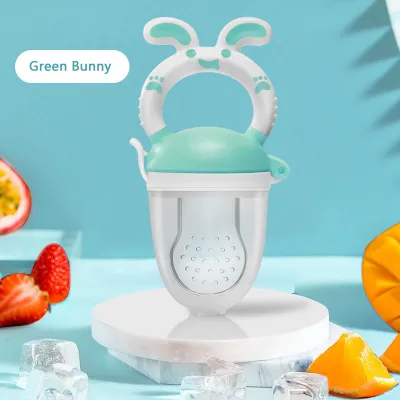
While they may look similar to standard soothing pacifiers, baby fruit feeding pacifiers serve a completely different primary function. Standard pacifiers are designed for non-nutritive sucking, featuring a solid, single-piece construction that poses minimal choking risk when intact. In contrast, fruit feeders feature a hollow, perforated compartment designed to hold small pieces of fresh food, purees, or frozen breast milk, allowing juices and mashed textures to pass through as the baby chews.
Products mentioned in this guide
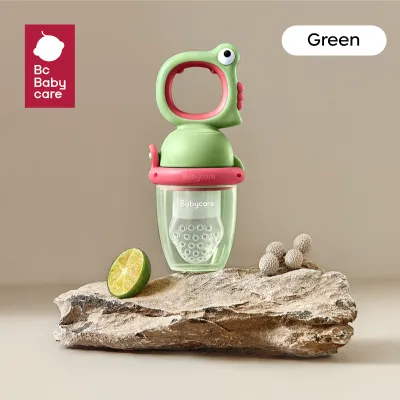

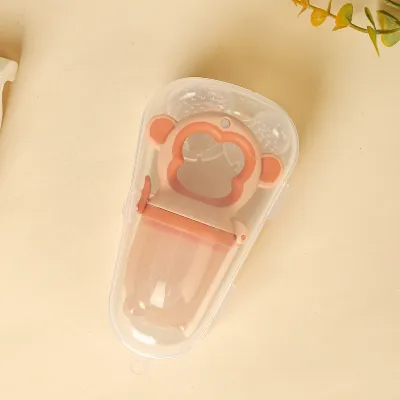

Prices are valid at publication and may change. Please refer to the product page for the latest price.
This structural difference introduces unique risks that caregivers must actively manage. If the food compartment opens accidentally, or if the material tears, large chunks of food can enter the baby’s mouth, presenting immediate choking or aspiration hazards. Therefore, these devices must never be viewed as simple toys or left with an unattended infant.
Fruit feeders are supplementary tools intended for supervised food exploration and temporary teething relief, not replacements for standard mealtime practices or sleep-time soothers. They should only be used during active, awake hours under the direct and continuous supervision of an adult. Before introducing any solid foods or using a feeder, always consult your pediatrician to confirm your baby has reached the necessary developmental milestones, such as sitting upright with minimal support and showing curiosity about food.
Non-Negotiable Safety Features to Check
When evaluating different models on the market, the design of the food sac is your first line of defense against choking. Caregivers generally choose between mesh and silicone sacs, each presenting distinct safety profiles. Mesh sacs are highly flexible but can be difficult to clean thoroughly, as tiny fruit fibers easily become trapped in the weave, potentially harboring bacteria. Silicone sacs are highly durable, easier to sanitize, and less prone to tearing, but you must inspect the holes to ensure they are small, uniform, and free from manufacturing defects that could allow large food pieces to escape.

An equally critical safety component is the locking mechanism that secures the food compartment to the handle. Babies quickly develop the hand strength and curiosity to fiddle with their toys, meaning a simple snap-lock can easily be squeezed open during use. Look for robust, child-proof locking systems, such as double-lock clasps or rotary screw-top rings, which require a coordinated two-step action that an infant cannot replicate.
Additionally, examine the overall dimensions of the handle and the protective shield. The shield acts as a physical barrier to prevent the baby from pushing the entire device too deep into their mouth. Ensure the shield is wide, sturdy, and features ventilation holes to allow airflow in the event of accidental blockage. Avoid any models that feature small, detachable decorative parts, charms, or loose clips, as these can easily break off and become severe choking hazards.
Finally, never rely solely on attractive packaging or brand popularity as a guarantee of safety. Before finalizing your purchase, take a moment to search consumer protection databases or the manufacturer’s official website for any active product recalls or safety notices. Taking this extra step ensures that the specific model you are bringing home meets current safety regulations.
Ergonomic and Cleaning Design Elements
An effective fruit feeder must be easy for your baby to hold, as self-feeding plays a vital role in developing fine motor skills and hand-eye coordination. Look for handles designed specifically for tiny hands, such as wide circular loops or textured multi-grip rings. These shapes allow babies to transition from a basic palmar grasp to a more controlled hold without experiencing hand fatigue, reducing the frequency of the feeder dropping onto dirty floors.
In warm, humid tropical climates, maintaining strict hygiene is a constant challenge. Airborne dust, insects, and moisture can quickly contaminate a wet silicone or mesh sac after use. To protect your baby from harmful bacteria, prioritize models that include a fitted, snap-on dust cover or travel cap. This accessory keeps the feeding portion clean when you are on the go or storing the device between meals.
Cleaning convenience is directly tied to how safe the product remains over time. Choose designs that can be disassembled completely into individual, simple components. Avoid feeders with fixed hinges, complex spring mechanisms, or deep, narrow crevices where fruit pulp, seeds, and moisture can hide. If food residue is left behind in these hard-to-reach areas, it can quickly lead to mold growth, rendering the feeder unsafe for future use.
Matching Size and Sac Type to Your Baby's Age
Using a fruit feeder that is mismatched to your baby’s physical development can lead to frustration or physical discomfort. Always begin by checking the manufacturer’s packaging for explicit minimum age and weight recommendations. These guidelines are designed to align with general infant oral development, but they should always be cross-referenced with your pediatrician’s specific advice for your child.
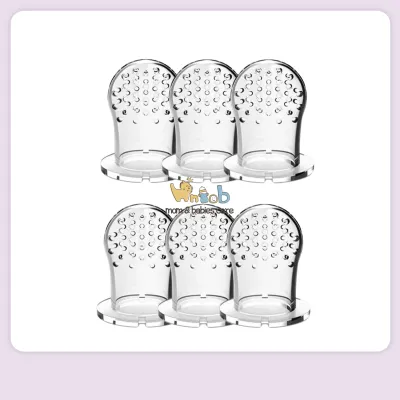
Most reputable brands offer sizing charts and sell replacement sacs in various sizes, typically categorized as Small, Medium, and Large. Small sacs are designed for younger infants (around 4 to 6 months) who are just beginning to taste juices and smooth purees. Medium sacs generally suit babies from 6 to 9 months as they explore thicker mashed fruits, while Large sacs are proportioned for older infants with larger mouth capacities who can handle more substantial textures.
As your baby grows, you must actively monitor how they interact with the feeder to determine if it is time to transition to a larger size or retire the tool altogether. If you observe your baby gagging frequently, struggling to close their lips around the sac, or if the plastic shield presses uncomfortably against their nose and cheeks, the current size is likely too large or poorly proportioned. Conversely, if they quickly suck the sac dry and become frustrated by the limited flow, they may be ready for the next size up.
Material Labels and Hygiene Maintenance
When shopping for baby products, never assume safety based on appearance alone. Carefully read the product labels and packaging to verify explicit material safety claims. Look for clear indications that the product is made from 100% food-grade silicone and is entirely free from Bisphenol A (BPA), phthalates, lead, and PVC. These chemical-free certifications are essential for items that will spend significant time in your baby’s mouth.
Understanding how to properly sanitize the feeder is crucial for long-term hygiene. Check the manufacturer’s instructions to see if the components are dishwasher-safe or if they require hand-washing only. Keep in mind that while high-heat sterilization is excellent for killing germs, repeated exposure to extreme temperatures can cause certain plastics to warp or degrade over time. If hand-washing is recommended, use warm, soapy water and a dedicated soft brush to clean every corner thoroughly.
Establish a strict routine of inspecting the feeder before and after every single use. Gently pull on the silicone or mesh sac in all directions to check for micro-tears, thinning, or stretching. Over time, exposure to baby teeth and acidic fruits can degrade the material. If you notice any permanent discoloration, cloudiness, stickiness, or structural weakness, discard the sac immediately and replace it with a fresh one.
Your Pre-Purchase Evaluation Checklist
To make an informed decision, use a practical checklist whether you are browsing physical store shelves or shopping on online marketplaces. First, verify the sturdiness of the locking mechanism. If you are purchasing online, read detailed customer reviews and look for video demonstrations to see how easily the lock opens. A lock that is too easy for an adult to open with one hand might not stand up to a determined toddler.
Next, confirm the long-term viability of the product by checking the availability of compatible replacement sacs. Because the feeding sacs wear out much faster than the durable plastic handles, you will need to replace them periodically. Ensuring that replacement packs are readily available and affordable—often priced under ₱300—saves you from having to purchase an entirely new feeder set when the original sac wears out.
Finally, take the time to filter customer reviews specifically for feedback on durability and maintenance. Look for comments from parents who have used the product for several weeks. Pay close attention to any mentions of the mesh tearing easily, the silicone retaining strong food odors, or mold developing in the hinges. Real-world feedback is one of the most reliable ways to identify potential design flaws before spending your money.
Frequently Asked Questions (FAQ)
Is it safe for a baby to sleep with a fruit feeder?
No, it is highly unsafe for a baby to sleep with a fruit feeder. These devices are active feeding tools that introduce solid food textures, which present a severe choking and aspiration hazard if a baby falls asleep with food or juice in their mouth. Additionally, prolonged exposure to fruit sugars while sleeping can contribute to early tooth decay. Fruit feeders must only be used during supervised, awake periods when the baby is sitting in an upright position.
How often should the mesh or silicone sac be replaced?
You should inspect the feeding sac before every use and replace it at the first sign of wear, tear, or material degradation. Even without visible damage, silicone sacs should generally be replaced every one to two months of regular use to maintain optimal hygiene and structural integrity. Mesh sacs, which are more prone to fraying and harboring stubborn food residue, typically require more frequent replacement to ensure they remain safe and sanitary.
Which foods are appropriate for a fruit feeding pacifier?
Appropriate choices include soft, easily mashable fruits and vegetables such as ripe mangoes, bananas, avocados, papayas, and steamed pears or sweet potatoes. You can also use frozen breast milk or purees to help soothe sore, teething gums. Avoid placing hard, raw foods like whole grapes, raw carrots, or large chunks of apple inside the feeder, as these do not mash down easily and can cause blockages or damage the sac. Always monitor your baby closely for any signs of an allergic reaction when introducing new foods.
Community discussion
Share your experience or ask a question. Comments are reviewed before publication.