
Choosing a baby carrier with a hip seat requires balancing your baby’s developmental safety with your own physical comfort. In a warm, tropical climate like the Philippines, where daily commutes or mall walks can quickly become hot and tiring, the right carrier must distribute weight efficiently while keeping both you and your baby cool. By focusing on structural ergonomics, strap configurations, and fabric breathability, you can find a carrier that supports your baby’s growth and saves your back.
Decoding the Hip Seat Angle and Base Structure
The core of a hip seat carrier is the shelf-like seat that supports your baby’s weight. When evaluating different models, look closely at the angle of this seat. A slight upward incline is ideal because it naturally guides your baby’s hips back toward your body, helping to maintain the recommended “M” position where the knees sit higher than the hips. A flat or downward-sloping seat can cause the baby to slide forward, placing undue pressure on their crotch and pulling on your lower back.
Inside the seat lies the structural insert, which is typically made of either high-density expanded polystyrene (EPS/EPP) foam or hollow molded plastic. High-density foam inserts offer excellent shock absorption and a slightly cushioned ride for the baby, though they can be bulky to pack. Hollow plastic inserts are lightweight and leave more room for built-in storage pockets, but they may feel more rigid.
Products mentioned in this guide
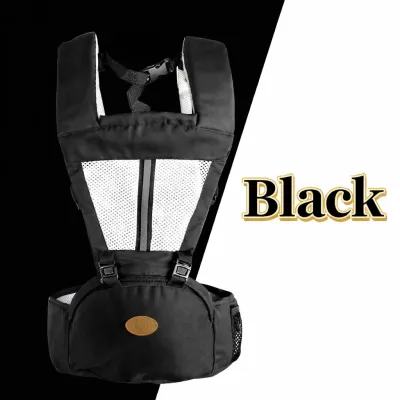
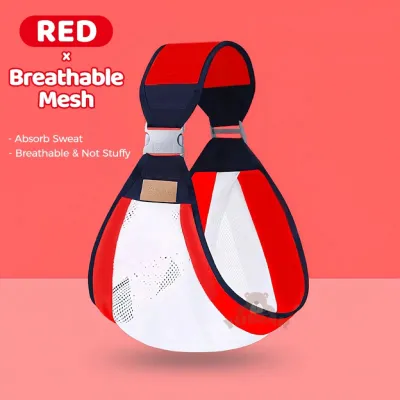
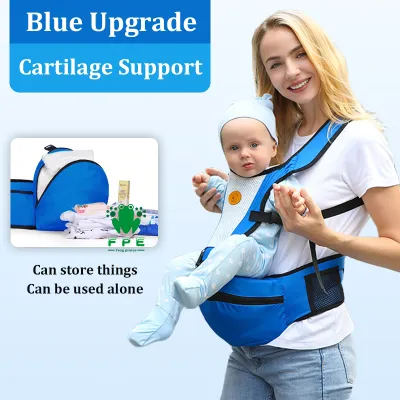

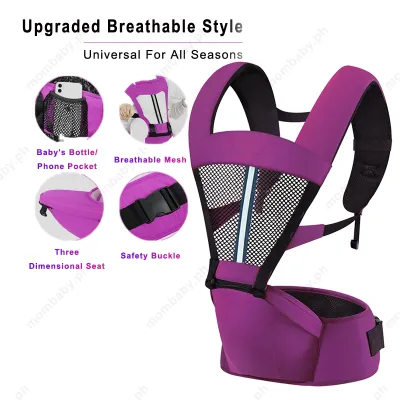
Prices are valid at publication and may change. Please refer to the product page for the latest price.
Finally, inspect the top surface of the seat. Look for textured silicone patterns or high-friction fabrics. This anti-slip layer prevents your baby’s bottom from sliding around as you walk, ensuring they remain centered and secure even during active movement.
Evaluating Strap Configurations for Weight Distribution
A hip seat carrier shifts a significant portion of your baby’s weight to your hips, but your shoulders and back still carry a portion of the load. The way the shoulder straps are configured plays a major role in your daily comfort.

- X-Style (Cross-Back) Straps: These straps cross over your upper back in an "X" shape. This design is highly effective at distributing weight evenly across your shoulder blades, making it a popular choice for longer walks. However, they can be slightly trickier to adjust when putting the carrier on by yourself.
- H-Style Straps: These straps run straight down your shoulders and connect with a chest clip, similar to a standard backpack. They are exceptionally easy to clip on and off independently, though they may concentrate more pressure on the outer shoulders during extended wear.
Beyond the shoulder straps, examine the waist belt. A wide, heavily padded waistband is essential for transferring weight away from your lumbar spine. Look for dual-closure systems that combine a wide hook-and-loop fastener with a heavy-duty plastic buckle. This setup ensures the belt remains secure under tension and accommodates different caregiver waist sizes, which is particularly useful if you plan to share the carrier with a partner.
Matching Weight Limits and Developmental Milestones
Safety must always come first when choosing baby gear. Before purchasing, verify the manufacturer’s specified weight range. Most hip seat carriers are designed for babies weighing between 5.5 kilograms and 20 kilograms.
Your baby’s physical development is even more critical than their weight. A hip seat carrier should not be used in the outward-facing or back-carry positions until your baby demonstrates strong, consistent head and neck control. This milestone is typically reached around six months of age. Placing a baby who lacks trunk control in a rigid hip seat can lead to slumping, which may compromise their airway.
For younger infants, check if the carrier requires a separate infant insert or features an adjustable seat width. Some models allow you to narrow the seat base or remove the hip seat entirely, transitioning the carrier into a soft-structured wrap style that safely cradles a smaller baby close to your chest.
Practical Add-Ons for Everyday Convenience
While safety and ergonomics are paramount, small design details can make a massive difference in how often you actually use the carrier.
In the Philippines, managing heat and humidity is a constant challenge. Look for carriers featuring zip-down front panels that reveal breathable 3D mesh underneath. This allows air to circulate freely around your baby, preventing overheating during warm afternoon outings.
Storage is another key consideration. Because the hip seat creates a natural void underneath, many manufacturers utilize this space for zippered storage pockets. Check if these pockets are deep enough to hold essentials like your phone, keys, a small pack of wipes, or a spare diaper, allowing you to leave your heavy diaper bag behind for quick trips.
Additionally, evaluate how the hip seat connects to the upper harness. A system that uses both a heavy-duty zipper and safety buckles allows you to quickly detach the harness. This turns the carrier into a standalone hip seat, which is incredibly convenient for the frequent “up and down” phase of toddlers who want to walk but still need to be carried often.
Marketing Specs and Buzzwords You Can Ignore
As you shop, you will encounter various marketing claims designed to make certain models look superior. Learning to filter out these buzzwords will save you money and frustration.
Be skeptical of overly complex, multi-point strap adjustment systems. While they are marketed as offering a “custom fit,” they often add unnecessary bulk, dangling straps, and setup time. A simple, intuitive adjustment system is far more practical when you need to get your baby into the carrier quickly.
You should also ignore vague labels like “orthopedic-approved” or “medical-grade” unless they are backed by recognized international safety standards or certifications from established hip health organizations. Anyone can print a label, so focus instead on the observable physical design of the seat and straps.
Lastly, avoid carriers with excessive decorative hardware, heavy metal rings, or rigid internal frames. These features add dead weight to the carrier without improving its ergonomic support, making your walks more tiring than they need to be.
Frequently Asked Questions (FAQ)
Can I use a hip seat carrier for a newborn?
Standard rigid hip seats are generally not suitable for newborns because very young infants lack the neck and trunk control required to sit upright. Using a rigid seat too early can cause the baby to slump, which poses a safety risk to their airway. If you want to use a hip seat carrier from birth, look for a convertible model that includes a dedicated infant insert or allows you to remove the rigid seat base entirely, transforming the carrier into a soft-structured wrap that supports the natural curve of a newborn’s spine. Always check the manufacturer’s specific minimum age and weight guidelines before use.
How do I clean the hip seat base without damaging it?
To clean your carrier safely, always start by checking the care label for specific washing instructions. Most carriers allow you to unzip the fabric cover from the rigid hip seat base. You can typically machine-wash the fabric cover on a gentle cycle with mild detergent, then air-dry it out of direct sunlight to prevent fabric degradation. The internal foam or plastic base should never be machine-washed or submerged in water; instead, wipe it down with a damp cloth and mild soap, then let it air-dry completely before reassembling the carrier.
Community discussion
Share your experience or ask a question. Comments are reviewed before publication.