
A good 6-in-1 newborn bedding set should prioritize safety, breathability, and a precise fit over decorative appeal. Typically, these sets bundle essential items like a fitted sheet, a mattress protector, and a lightweight blanket, alongside other accessories such as a mosquito net, a storage bag, or a pillowcase. In warm, humid tropical climates like the Philippines, choosing the right bedding is not just about aesthetics; it is a critical decision that directly impacts your baby’s comfort and sleep safety. Parents must look past the marketing labels to verify that every single piece in the bundle serves a practical, safe purpose and is constructed from materials that prevent heat retention.
What to Expect Inside a 6-in-1 Newborn Bedding Set
When shopping for a 6-in-1 newborn bedding set, it is important to understand that “6-in-1” is primarily a marketing term rather than a standardized industry package. The exact combination of items varies significantly from one manufacturer to another. A typical functional set often includes a fitted crib sheet, a water-resistant mattress protector, a lightweight receiving blanket, a pillowcase, a mosquito net, and a fabric storage bag. Some sets might swap these out for decorative items like crib bumpers, valances, or small decorative pillows, which requires parents to be highly selective about what actually goes into the sleep space.
Evaluating the utility of each item in the bundle is the first step toward making a smart purchase. A fitted sheet and a mattress protector are daily essentials that you will use constantly to keep the sleep surface clean and hygienic. On the other hand, items like mosquito nets are highly practical in tropical environments to protect your little one from insect-borne discomfort, while a storage bag helps keep spare bedding organized and dust-free. However, if a set includes decorative elements like thick blankets or bumpers, you must assess whether you are paying extra for items that cannot be safely used during the newborn stage.
Products mentioned in this guide
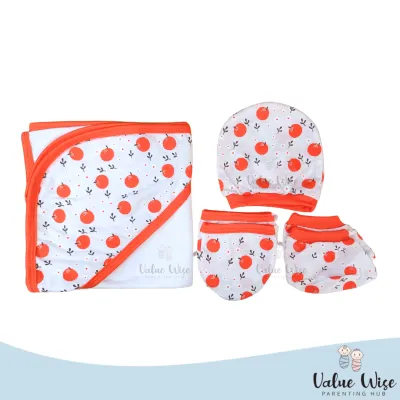
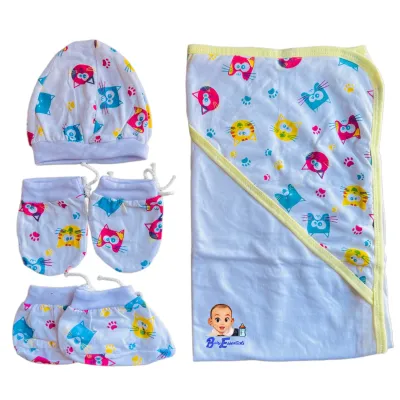
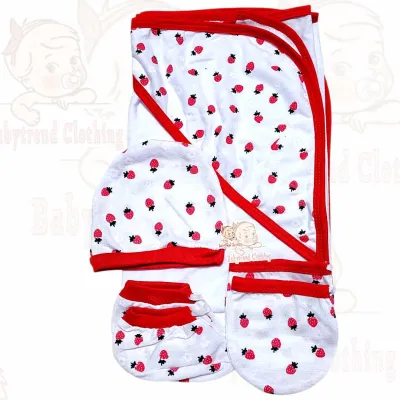
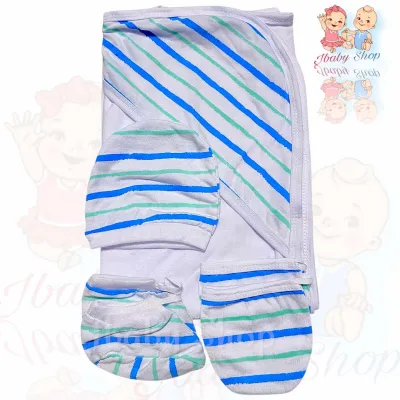
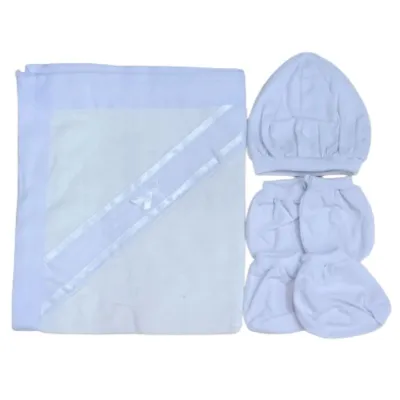
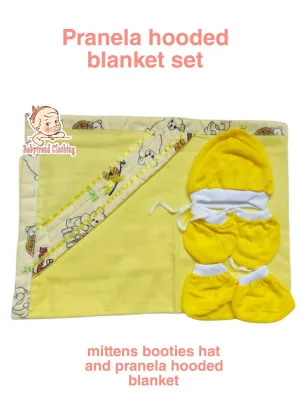
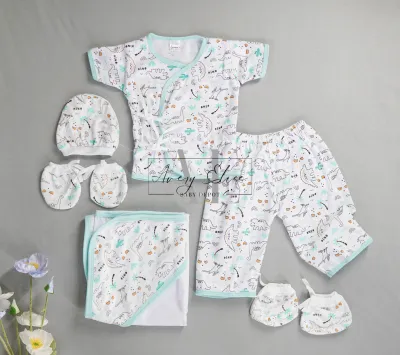
Prices are valid at publication and may change. Please refer to the product page for the latest price.
Before committing to a purchase, compare the cost of the bundle against buying individual pieces. While a complete set priced at ₱1,500 to ₱3,000 might seem like a convenient bargain, it only offers true value if the core components—specifically the fitted sheets and mattress protectors—are of high quality and fit your crib perfectly. If you find yourself needing to replace poorly fitting sheets or discarding unsafe decorative pieces, purchasing a few high-quality, standalone essentials may be a more practical and safer financial decision.
Critical Safety Checks Before Using Newborn Bedding
Your baby’s sleep environment must be kept as simple and clear as possible to ensure safe sleep. Safe sleep guidelines consistently emphasize that a newborn’s crib should contain only a firm mattress and a tightly fitted sheet. You should strictly avoid placing soft bedding, thick blankets, quilts, or padded crib bumpers inside the crib. Although these items are frequently included in decorative bedding sets to make the nursery look cozy, they pose severe risks of suffocation, entrapment, and overheating for a newborn who cannot yet roll over or move away from soft obstructions.

Another vital safety step is verifying the physical fit of the mattress and the bedding within the crib frame. There should be absolutely no gaps between the mattress and the sides of the crib or bassinet. If you can fit more than two fingers between the mattress edge and the crib frame, the mattress is too small, creating a dangerous space where a baby’s head or limbs could become trapped. Similarly, the fitted sheet must wrap tightly around the mattress corners without any loose fabric or bunching, as loose material can easily create a suffocation hazard.
Before placing any bedding item in your baby’s room, perform a thorough physical inspection of the fabric and construction. Check for loose threads, fraying seams, small plastic buttons, zippers, or decorative ribbons that could unravel or detach, presenting a choking or strangulation hazard. Always read the manufacturer’s care labels and product packaging to verify the recommended age, weight, and developmental stage for each item. If you ever notice signs of wear, loose stitching, or if your baby reaches a developmental milestone like rolling over, stop using transitional items immediately and consult a pediatrician or a qualified infant safety professional for guidance.
Evaluating Fabric Quality and Breathability
In tropical climates characterized by high temperatures and humidity, fabric breathability is a non-negotiable factor for newborn bedding. Babies have a limited ability to regulate their own body temperature, making them highly susceptible to overheating and heat-related skin conditions like prickly heat or eczema. When evaluating a bedding set, look closely at the fiber content printed on the care tags. Natural, breathable fibers such as 100% cotton, organic cotton, or bamboo-derived fabrics are excellent choices because they allow air to circulate freely and wick moisture away from your baby’s skin.
The weave and weight of the fabric also play a crucial role in its overall performance and comfort. A lightweight, open-weave fabric like cotton muslin or a high-quality percale offers a soft, gentle texture against sensitive newborn skin while maintaining excellent airflow. Avoid fabrics that feel stiff, heavy, or overly starched, as these can cause friction and irritate delicate skin. You can test the breathability of a sheet by holding it up to the light and gently breathing through it; if you feel a clear passage of air, the fabric is likely suitable for warm-weather sleep.
Be highly cautious of synthetic materials, such as polyester or microfiber, which are often used in budget-friendly bedding sets. While synthetics are durable and wrinkle-resistant, they tend to trap heat and moisture, creating a hot, clammy sleep environment that can disrupt your baby’s rest and trigger skin flare-ups. Additionally, watch out for heavy chemical dyes or finishes that give fabrics an artificial stiffness or strong odor. Opting for hypoallergenic, minimally processed natural fabrics ensures a safer, more comfortable sleep surface that supports your baby’s well-being.
Verifying Fit, Size, and Crib Compatibility
One of the most common mistakes parents make is assuming that all baby furniture and bedding follow a universal “standard” size. In reality, crib, cot, and bassinet dimensions can vary widely depending on the manufacturer and the country of origin. Before purchasing any 6-in-1 bedding set, use a measuring tape to record the exact length, width, and depth of your crib mattress. Compare these measurements directly with the dimensions listed on the bedding set’s packaging to ensure a perfect match.
Pay close attention to the construction of the fitted sheet, particularly the elastic pocket depth. The elastic should run continuously around the entire edge of the sheet, rather than just at the corners, to provide a secure, snap-back grip underneath the mattress. If your mattress is exceptionally thick or thin, a standard fitted sheet may either slip off easily or bunch up on top. A sheet that does not stay firmly anchored under the mattress corners is a serious safety hazard and should not be used.
If your bedding set includes a mattress protector, verify that its dimensions and attachment style match your mattress perfectly. Some protectors use elastic bands at the corners, while others feature a fully fitted skirt. The protector must lie completely flat beneath the fitted sheet without creating lumps, ridges, or loose folds. Taking the time to cross-reference these physical dimensions prevents the hassle of returns and, more importantly, ensures a secure and hazard-free sleeping environment for your little one.
Checking Care Instructions and Everyday Practicality
Newborn bedding is subjected to constant wear and tear, requiring frequent laundering to manage diaper leaks, spit-ups, and drool. Before buying a bedding set, check the care labels to ensure that all functional pieces are fully machine-washable and safe for tumble drying. Bedding that requires hand-washing, delicate cycles, or air-drying can quickly become a major inconvenience for busy parents who need quick turnarounds on clean sheets.
Durability, colorfastness, and shrinkage resistance are essential qualities to look for in frequently washed items. High-temperature washing is often necessary to properly sanitize baby bedding, but low-quality fabrics may shrink significantly or lose their shape after a few cycles. If a fitted sheet shrinks, it may no longer fit the mattress securely, rendering it unusable. Look for preshrunk cotton or high-quality bamboo blends that are designed to withstand regular, warm-water washing without losing their soft texture or structural integrity.
Finally, consider the practical design of the set and whether the individual pieces can be used and washed independently. A practical bedding set allows you to wash the fitted sheet or mattress protector quickly without needing to launder the entire set, such as decorative storage bags or outer blankets. Having multiple fitted sheets on hand is always recommended, so look for sets that allow you to purchase matching individual sheets separately, ensuring you always have a clean, dry spare ready when accidents happen in the middle of the night.
Frequently Asked Questions (FAQ)
Do I really need a pillow in a newborn bedding set?
No, newborns do not need a pillow, and placing one in their sleep space is highly unsafe. Pediatric health organizations and safe sleep guidelines advise against using pillows, positioners, or any soft head supports for infants under one year of age due to the risk of suffocation. If your 6-in-1 bedding set includes a pillow or a decorative pillowcase, you should store the pillow safely out of reach or save it for the toddler stage when your child is older and developmentally ready. The included pillowcase can be repurposed as a convenient, breathable storage bag for small baby accessories or spare sheets.
Can I use a standard 6-in-1 set for a bassinet or co-sleeper?
Generally, no. Standard 6-in-1 bedding sets are designed to fit full-sized cribs or cots, and their dimensions will be far too large for a smaller bassinet, cradle, or co-sleeper. Attempting to tuck excess fabric from a large fitted sheet under a smaller bassinet mattress is highly dangerous, as the fabric can easily come loose, bunch up, and create a suffocation hazard. Always check the specific dimensions of your bassinet or co-sleeper and purchase sheets that are explicitly manufactured to fit those exact measurements. Safety must always take priority over trying to make a mismatched bedding set work.
How often should I wash the newborn bedding set?
You should wash your newborn’s fitted sheets and mattress protectors at least once or twice a week, or immediately whenever they become soiled by spit-up, drool, or diaper leaks. Because babies have sensitive skin and developing immune systems, keeping their sleep surface clean is essential for preventing skin irritation and maintaining hygiene. Always refer to the manufacturer’s care label for specific washing instructions, such as recommended water temperatures and detergent types. It is highly recommended to use a mild, fragrance-free detergent formulated specifically for babies to minimize the risk of contact dermatitis or allergic reactions.
Community discussion
Share your experience or ask a question. Comments are reviewed before publication.