
Purchasing children’s vitamins online offers unmatched convenience for busy parents in the Philippines, but it also introduces the risk of encountering counterfeit health products. Ensuring the authenticity of celeen gummies for kids is essential to protect your child’s health and ensure they receive safe, effective nutritional support. To verify if the product you purchased online is genuine, you must systematically examine the seller’s credentials, inspect the physical security seals of the packaging, check the legibility of the batch and expiration details, and cross-reference the product with official manufacturer resources.
Why Verifying Children's Vitamins Is Critical for Safety
When it comes to children’s dietary supplements, authenticity is a critical safety requirement. Counterfeit vitamins are manufactured in unregulated, unhygienic facilities that completely bypass quality control standards. These imitation products may contain incorrect nutritional dosages, entirely omit active ingredients, or introduce harmful contaminants such as heavy metals, industrial dyes, and unauthorized chemical binders. For a developing child, consuming these substances can lead to severe health complications, ranging from acute gastrointestinal distress to systemic toxicity.
Furthermore, children’s developing physiological systems are highly vulnerable to unsafe ingredients and improper nutrient levels. Their livers and kidneys are still maturing, making it much harder for their bodies to process and filter out toxic contaminants. As a fundamental safety rule, if you have any doubt regarding the authenticity of a dietary supplement, do not give it to your child. Always consult a pediatrician before introducing any new supplement to your child’s routine, and verify that the product aligns with your child’s age, weight, and specific developmental needs as specified by the manufacturer’s official guidelines under caregiver supervision.
Products mentioned in this guide
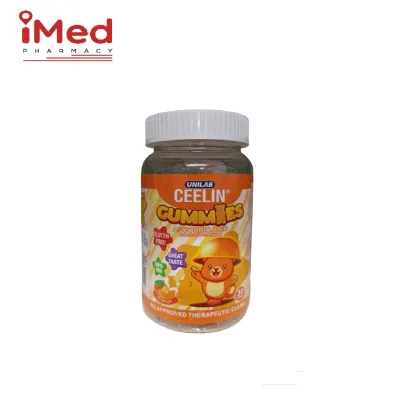
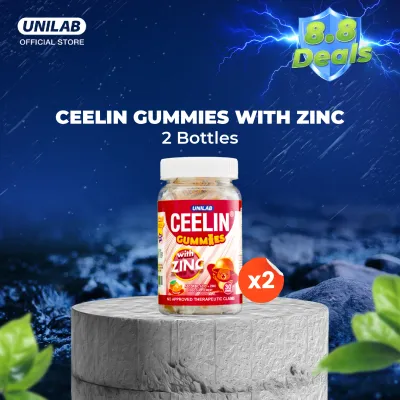
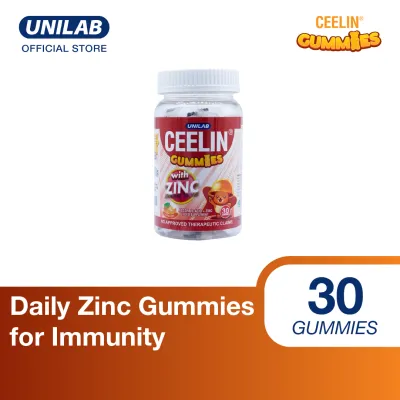
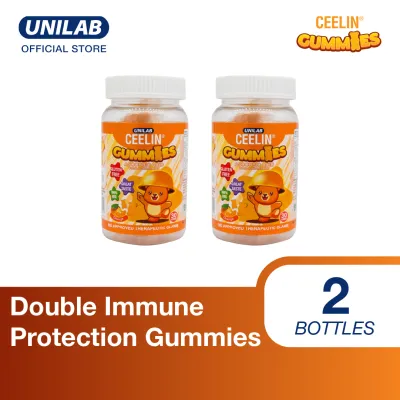
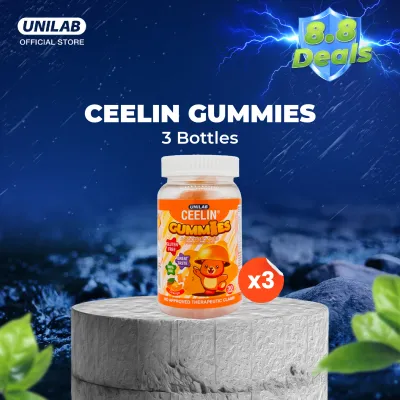
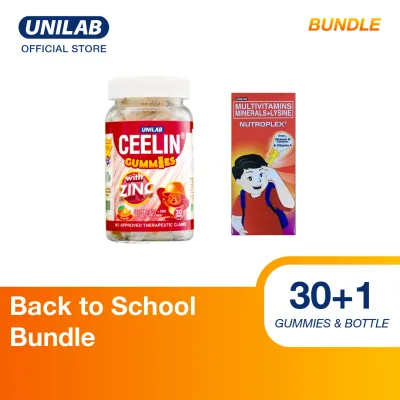
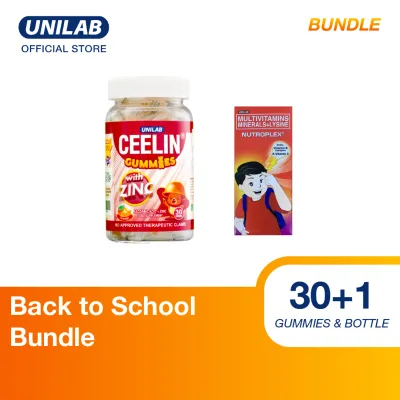
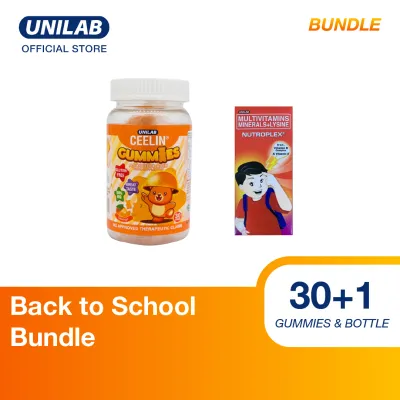
Prices are valid at publication and may change. Please refer to the product page for the latest price.
How to Inspect the Packaging and Physical Traits
A thorough physical inspection of the bottle and its contents is your first line of defense once an online order arrives. Before opening the container, place it side-by-side with official product images sourced directly from the brand’s verified website. Legitimate manufacturers invest in high-quality packaging; the plastic bottle should feel sturdy, the label should be perfectly aligned without creases, and the colors should match the brand’s official color scheme exactly.

Pay close attention to the factory seals. Genuine bottles of celeen gummies for kids typically feature a secure plastic shrink wrap around the cap or a high-quality inner induction seal beneath the lid to preserve freshness and prevent contamination. If the outer shrink wrap is loose, unevenly cut, missing, or if the inner foil seal is easily peeled off or already broken, the product’s integrity has been compromised. Such defects indicate that the bottle may have been opened, refilled, or tampered with during transit.
Next, examine the printed batch numbers, manufacturing dates, and expiration dates. On authentic products, these details are applied using high-precision industrial printing, such as laser engraving or specialized inkjet systems, leaving clear, crisp markings. These characters should not smudge, blur, or rub off when subjected to a light scratch or a damp cloth. In contrast, counterfeiters often use cheap, low-resolution printing methods that result in smudged text, uneven character spacing, or ink that easily transfers to your fingers.
Finally, assess the physical characteristics of the gummies. Authentic gummies are manufactured using precise formulas that produce consistent shapes, sizes, and colors. While the tropical climate and high humidity of the Philippines can cause minor softening or slight clumping if the bottle is stored improperly, the gummies should still retain their individual structures. If you open the bottle and find a completely melted, sticky mass, or if the gummies exhibit an oily residue, highly irregular shapes, or inconsistent coloring, this is a major warning sign indicating either a counterfeit formulation or severe thermal degradation.
Common Warning Signs of Fake Gummies
Counterfeiters frequently make subtle errors that can be easily spotted. Visual warning signs on the packaging are among the most common indicators of a fake product. Carefully read all the text printed on the label, including the ingredient list, usage instructions, and manufacturer details. Misspelled words, grammatical errors, blurry logos, incorrect font styles, or pixelated graphics are definitive proof of a counterfeit. Legitimate brands adhere to strict packaging proofing processes, ensuring that no typographical errors make it to the retail shelf.
Sensory indicators upon opening the bottle also provide vital clues. Authentic children’s vitamins are formulated to have a pleasant, mild fruit aroma that appeals to kids. If you detect a strong, pungent chemical smell, an odor resembling paint thinner, or an unusually sour, rancid scent, do not allow your child to taste them. These off-odors often indicate the presence of industrial solvents, low-grade artificial flavorings, or spoiled ingredients used in unauthorized manufacturing facilities.
Another crucial step for parents in the Philippines is verifying local regulatory compliance. Legitimate health supplements distributed in the local market must be registered with the Food and Drug Administration (FDA) of the Philippines. While packaging designs can vary depending on whether the product is a local release or an imported parallel import, authentic products should feature verifiable registration details. You should treat any product that lacks clear regulatory markings, or whose registration numbers cannot be verified on official government databases, with extreme caution.
Furthermore, pay close attention to the behavior of the online seller. If a merchant’s listing relies solely on generic stock photos and they refuse or evade requests to provide real-time, high-resolution photographs of the actual bottle, batch code, and expiration date before shipping, this is a major red flag. Legitimate, transparent sellers who stock authentic inventory will readily provide these details to reassure concerned parents.
Using Official Channels to Confirm Authenticity
When physical inspection leaves you feeling uncertain, leveraging the manufacturer’s official resources is the most reliable way to confirm whether your purchase is genuine. Start by visiting the brand’s official website or their verified social media profiles. Manufacturers frequently publish packaging updates, security label changes, or alerts regarding known counterfeit batches circulating in specific regions. Comparing your bottle against these official announcements can quickly resolve doubts about minor design variations.
If the brand provides an online authentication portal or a QR code verification system, follow the instructions carefully to scan and verify the unique serial number on your bottle. In cases where automated verification tools are unavailable, you should proactively contact the brand’s customer support department. Send a clear email or message containing high-resolution photographs of the front and back labels, the printed batch number, the expiration date, and the specific details of the online store where you made the purchase. The manufacturer can cross-reference these details with their production logs to confirm if that specific batch number was indeed produced on that date.
It is vital to remember that third-party assurances are not a substitute for direct manufacturer verification. Online sellers often display self-made “certificates of authenticity,” write glowing descriptions promising genuine goods, or point to a high volume of positive reviews. Counterfeiters can easily fabricate certificates and manipulate review systems using automated bots or incentivized ratings. Only the official manufacturer or an authorized distributor can definitively validate the legitimacy of the product.
How to Choose Safe Sellers on E-Commerce Platforms
Minimizing the risk of purchasing counterfeit vitamins begins with making informed decisions about where you shop. When navigating online marketplaces in the Philippines, your safest strategy is to buy exclusively from official brand stores, authorized flagship stores, or verified mall sellers. These digital storefronts are vetted by the ecommerce platforms and maintain direct supply chains with the manufacturers or authorized local distributors, virtually eliminating the risk of counterfeit infiltration.
Before clicking the purchase button, dedicate time to thoroughly evaluating the seller’s profile. Look beyond the overall star rating and dive deep into the actual customer reviews, focusing specifically on the one-star and two-star feedback. Filter the reviews to read comments from buyers who have uploaded real photos and videos of their received items. Search for specific complaints regarding broken seals, unusual chemical smells, rapid melting, or discrepancies in packaging compared to previous purchases. If multiple customers express concerns about authenticity, it is best to find an alternative seller.
Additionally, examine the seller’s business credentials and operational history. Legitimate distributors typically display clear business registration details, have a long-standing presence on the platform, and maintain high chat response rates. Be highly suspicious of newly created shops with generic, random-character usernames that offer popular children’s supplements at prices that are significantly below the standard retail price (SRP) in Philippine Pesos (₱). While discounts are common during platform-wide sales, a price that seems too good to be true is almost always a sign of counterfeit inventory.
Steps to Take If You Receive a Suspected Counterfeit
If you suspect that the celeen gummies for kids you received are counterfeit, take immediate action to protect your family. First and foremost, stop using the product immediately. Store the bottle safely out of reach of your children, ensuring that no one accidentally consumes them. Keep all the original packaging, the shipping box, the printed waybill, and all digital receipts or order confirmation screenshots, as these will serve as crucial evidence for your claim.
Next, initiate a formal return and refund request directly through the ecommerce platform’s buyer protection system. Do not click the button to confirm receipt or complete the order, as doing so may release the payment to the seller and complicate the refund process. When filing your claim, select the appropriate reason—such as “counterfeit item received”—and upload clear, well-lit photos highlighting the specific discrepancies you identified, such as misspelled words, broken seals, or smudged batch codes.
Simultaneously, report the fraudulent seller to the platform’s customer support team to prevent other parents from falling victim to the same scheme. You can also escalate the matter by filing an official complaint with local consumer protection agencies, such as the Department of Trade and Industry (DTI) or the Food and Drug Administration (FDA) of the Philippines, providing them with the seller’s store name, platform link, and product details.
In the event that your child has already consumed one or more of the suspected counterfeit gummies, monitor them closely for any unusual physical reactions. Look out for symptoms such as stomach pain, nausea, vomiting, diarrhea, skin rashes, or sudden lethargy. If you observe any of these signs, or if you simply want to ensure your child’s safety, consult a pediatrician immediately. Bring the suspected bottle of gummies with you to the clinic so the healthcare professional can examine the ingredients and provide appropriate medical guidance.
Frequently Asked Questions (FAQ)
Can I rely solely on a low price to identify fake Ceeleen gummies?
While an exceptionally low price is one of the most common red flags, you cannot rely on price alone to determine authenticity. Some sophisticated counterfeiters price their fake products only slightly below or even equal to the standard retail price (SRP) in the Philippines to avoid raising suspicion. Therefore, you must combine price evaluation with a thorough physical inspection of the packaging, verification of the seller’s platform credentials, and a check of the batch number with official brand channels.
What should I do if my child accidentally ate a suspected counterfeit gummy?
If your child has accidentally consumed a suspected counterfeit gummy, the most important step is to remain calm and monitor them closely. Check for immediate signs of discomfort, allergic reactions, or gastrointestinal distress, such as vomiting, stomach cramps, or hives. Contact your pediatrician or a local medical professional immediately to explain the situation, and have the bottle of gummies on hand so you can read the label details to them. Do not attempt to induce vomiting or administer other home remedies unless explicitly directed to do so by a qualified healthcare professional.
Community discussion
Share your experience or ask a question. Comments are reviewed before publication.