
Building a practical starter cloth diaper stash without overspending is entirely about matching your laundry frequency to your baby’s developmental stage and choosing the right combination of reusable options. In the Philippines, the traditional cotton square, locally known as a lampin, has evolved into a highly customizable modern diapering system. By starting with a minimal, calculated set of diapers, you can avoid the common trap of buying expensive bulk packs before knowing what fits your baby. This guide provides a step-by-step approach to calculating your exact diaper needs, selecting the right materials for tropical weather, and avoiding costly accessories.
Assessing Your Laundry Routine and Drying Space
Before purchasing a single diaper, you must evaluate how often you plan to wash them and where they will dry. Your household’s washing machine capacity, water supply, and your personal schedule are the ultimate deciders of your stash size. If you have the time and energy to wash diapers every single day, you can get away with a remarkably small and inexpensive collection. However, if you prefer to wash every two or three days, you will need to invest in a larger stash to bridge the gap between laundry cycles.
The tropical climate of the Philippines plays a massive role in this decision. During the hot, sunny dry season, diapers line-dry quickly under direct sunlight, which also acts as a natural sanitizer. Conversely, the high humidity and heavy rains of the wet season significantly extend drying times, especially for thick, multi-layered diapers. If you lack outdoor space or a covered drying area with good air circulation, you will need to adjust your diaper choices toward faster-drying materials.
Products mentioned in this guide
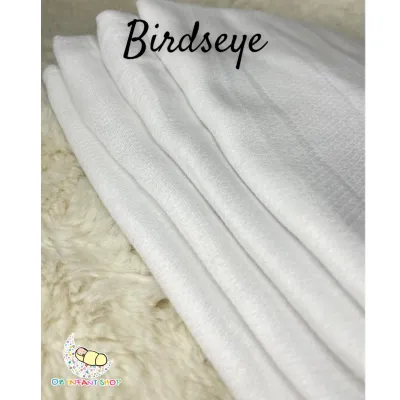
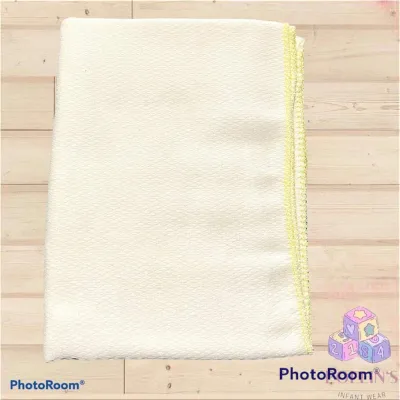
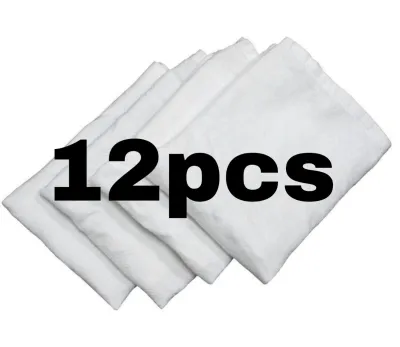

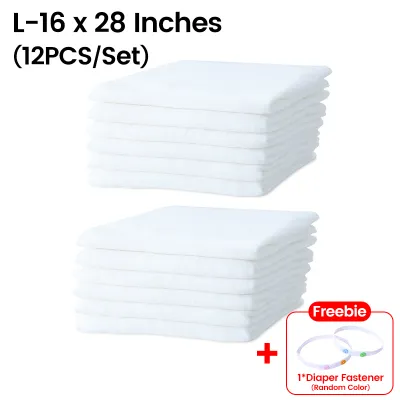


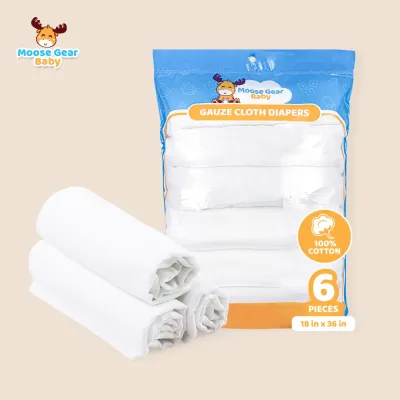
Prices are valid at publication and may change. Please refer to the product page for the latest price.
Your baby’s developmental stage also dictates your starting strategy. Newborns require incredibly frequent changes—often up to 10 to 12 times a day—and their liquid stools demand a secure, snug fit that many one-size-fits-all diapers cannot provide. Older babies who have started solid foods wet less frequently but produce heavier volumes, requiring more absorbent inserts. Setting realistic expectations for these distinct phases prevents you from buying a large volume of diapers that your baby might quickly outgrow or leak through. Always verify the manufacturer’s recommended weight or size range on the product documentation rather than assuming a generic label fits your baby’s current stage.
Choosing the Right Diaper System for Your Budget
Navigating the world of modern cloth diapering requires balancing your upfront budget, daily convenience, and drying logistics. Every diaper system involves a clear trade-off: options that are cheap upfront often require more effort to fold and secure, while highly convenient options carry a premium price tag and take much longer to dry. Understanding these dynamics allows you to mix and match systems to fit both your wallet and your lifestyle.

When selecting any diaper system, it is vital to look past marketing buzzwords and inspect the manufacturer’s care labels and material composition. Brands use various synthetic and natural fibers, each with distinct absorbency rates, drying times, and washing restrictions. Always verify the manufacturer’s specific instructions regarding water temperature, detergent types, and drying methods, as improper care can void warranties or degrade waterproof laminates.
Flats, Prefolds, and Covers (The Budget Route)
The most economical way to cloth diaper is the classic combination of flat sheets, prefolds, and waterproof covers. A flat is a single layer of woven fabric—often the traditional cotton lampin—that you fold around the baby and secure with a fastener or a snug cover. A prefold is a similar concept but features a thicker, pre-layered center panel for extra absorbency. Because these absorbent layers are separate from the waterproof outer shell, you do not need a new cover for every single change. If the cover is not soiled with stool, you can simply wipe the inner waterproof lining clean and reuse it with a fresh flat or prefold.
This system excels in tropical climates due to its exceptionally fast drying times. Because flat lampin sheets unfold into a single, thin layer of fabric, they dry rapidly on a clothesline even on overcast days. This fast turnaround means you need fewer total diapers in your rotation, drastically lowering your initial investment.
However, caregivers must prepare for a brief learning curve. Mastering folds like the “origami fold” or “jelly roll fold” takes practice, especially with an active, squirming baby. Additionally, you must inspect the fit around the thighs and waist carefully during every change to ensure the cotton fabric remains tucked completely inside the waterproof cover to prevent moisture from wicking onto clothing.
Pocket Diapers and All-in-Ones (The Convenience Route)
For those prioritizing ease of use, pocket diapers and All-in-One (AIO) systems offer a design that closely mimics the simplicity of disposable diapers. A pocket diaper consists of a waterproof outer shell sewn to a soft stay-dry inner lining, leaving an opening or “pocket” where you stuff absorbent inserts. An All-in-One diaper simplifies this further by sewing the absorbent layers directly to the waterproof cover, requiring no assembly or stuffing whatsoever.
While highly convenient, these modern systems come with a higher unit cost and practical drying challenges. Because the absorbent layers are thick and stitched together or enclosed within synthetic fabrics, they take significantly longer to dry after washing. During humid months in the Philippines, an All-in-One diaper can take more than a full day to air-dry completely, which can lead to musty odors if drying conditions are poor.
These diapers are excellent options for babysitters, grandparents, or daycare providers who may find folding flats too intimidating. They are also highly practical for quick outings or travel. However, building an entire starter stash solely out of premium pocket diapers or All-in-Ones can easily stretch a tight budget, making them better suited as a secondary, convenience-focused component of a hybrid stash.
Calculating the Exact Number of Diapers You Need
To avoid overspending, you can calculate your ideal stash size using a straightforward mathematical formula. The basic equation is: (Average Daily Changes × Days Between Washes) + Buffer Diapers = Total Stash Size. This calculation prevents the common mistake of buying dozens of diapers that sit unused in a drawer, allowing you to allocate your budget only to what you actually need.
To apply this formula, start with a realistic estimate of your baby’s daily change frequency. Newborns typically require 10 to 12 changes per day due to their frequent feeding and elimination patterns. As babies grow older and their bladder capacity increases, this number generally drops to about 6 to 8 changes daily. Remember that these are general guidelines; you should observe your baby’s unique patterns for a few days to get an accurate baseline.
Next, factor in your laundry cycle and drying time. If you plan to wash diapers every day, you need enough diapers to cover one full day of changes, plus the time it takes for those diapers to dry. A “buffer” of 2 to 4 extra diapers is essential to handle unexpected laundry delays, rainy days, or sudden bouts of heavy wetting. For example, if an older baby uses 8 diapers a day and you wash daily, a stash of 10 to 12 diapers (8 changes + 2 to 4 buffer) is a highly functional starting point.
If you prefer to wash every two days, the math changes accordingly. For that same older baby, you would need 16 diapers for the two days of use, plus another 8 diapers to wear while the dirty batch is being washed and line-dried, plus your buffer. This brings the total required stash to around 26 to 28 diapers.
Instead of purchasing a massive collection immediately, start with a “mini-stash” of 12 to 15 diapers. This small, controlled set allows you to test how different fabrics react to your baby’s skin and how well the diaper shapes fit your baby’s unique build. It also gives you a risk-free period to adjust your washing routine before committing substantial funds. Avoid the temptation to buy large bulk packages from a single brand or style upfront, as a diaper that fits one baby perfectly may cause persistent leaks or red marks on another.
Essential Accessories and Budget Traps to Avoid
A successful cloth diapering routine relies on a few genuine accessories, but many marketed add-ons are unnecessary expenses that inflate your startup costs. The most critical accessory is a waterproof wet bag or a lined diaper pail to store soiled diapers securely between washes. A medium-sized wet bag with a zippered closure is highly practical for travel, while a larger hanging wet bag works well for home storage, keeping odors contained without requiring expensive plastic cartridge refills.
Your choice of laundry detergent is another critical factor. You do not need to buy expensive, specialized diaper detergents; instead, look for a standard, locally available laundry detergent that is free of fabric softeners, optical brighteners, and heavy fragrances. Always check the ingredient list and the diaper manufacturer’s care labels, as fabric softeners leave a greasy residue that coats fibers and causes diapers to repel liquid rather than absorb it. A sturdy, well-ventilated drying rack is also essential, especially for indoor drying during rainy weather.
You can also consider using reusable fleece or bamboo liners. These thin sheets sit on top of the diaper to catch solid waste, making diaper cleanup significantly easier once your baby starts eating solid foods. Rather than buying massive bulk packs of disposable liners, purchase a small pack of reusable liners first to see if they fit your routine, or simply cut up an inexpensive fleece blanket into custom-sized strips.
When building a budget-friendly starter stash, avoid common traps like high-end diaper sprayers, decorative matching wet bags for every outfit, or specialized diaper creams that are not cloth-safe. A standard bidet sprayer already installed in your bathroom works perfectly well for rinsing diapers, and a simple spatula can be dedicated to scraping solid waste directly into the toilet. Always verify the washing instructions on any accessory you buy to ensure it can be washed alongside your diapers without requiring a separate, time-consuming laundry cycle. If your baby develops a persistent skin rash, stop using your current diapering or washing routine immediately and consult a pediatrician or qualified healthcare professional.
Smart Sourcing Strategies for Your Starter Stash
Building a practical stash on a budget is highly achievable when you combine different diaper styles and source them strategically. A highly effective approach is creating a hybrid stash: use ultra-budget-friendly flat lampin or prefolds with a few covers while at home, and reserve a small selection of convenient pocket diapers for doctor’s visits, family outings, or nighttime use. This hybrid strategy gives you the best of both worlds—maximum cost savings during the day and convenience when you need it most.
The pre-loved or second-hand market is an excellent resource for budget-conscious parents. Many families exit the cloth diapering phase with diapers that still have years of usable life left. When buying second-hand from trusted parenting groups or online communities, always ask for detailed photos of the elastic bands, the snaps or hook-and-loop closures, and the inner waterproof laminate layer. Gently pull on the elastics to ensure they are still springy and tight, and check that the waterproof lining is free of cracks, peeling, or delamination.
Keep an eye out for seasonal sales, clearance events, or bundle discounts on official brand websites and reputable ecommerce platforms. Many brands offer starter bundles that include a mix of covers, inserts, and wet bags at a lower price than buying each item individually. However, remember the golden rule: buy only one or two pieces of a specific brand to test the fit on your baby before purchasing their larger bundle packages.
Avoid the temptation of purchasing unbranded, extremely cheap diapers from unverified online sellers. While a price tag of under a hundred pesos per diaper is highly appealing, these products often use low-grade waterproof membranes that leak almost immediately, or cheap synthetic fabrics that can cause severe skin irritation. Investing in a slightly smaller stash of reputable, safety-compliant brands is far more economical than buying cheap diapers that you will have to replace after a few weeks of use.
Testing and Adjusting Your Routine
Once your starter stash is assembled, treat the first two weeks as an experimental testing phase. Use this time to observe how well the diapers fit around your baby’s legs, how long it takes for your washed diapers to dry completely, and how your baby’s skin responds to the fabrics. Keep a simple mental note of any leaks; if a leak occurs, check whether the diaper was fully saturated (indicating a need for more absorbency) or if there were gaps around the thighs (indicating a fit issue).
Adjusting your stash does not require buying entirely new diapers. If you experience leaks because your baby is a heavy wetter, you can simply add a booster insert—such as a slim hemp or bamboo cotton pad—to your existing flats or pockets. If you find that your laundry routine is too stressful because you are running out of clean diapers before the washed ones dry, purchase a few more fast-drying flat lampin or extra covers rather than investing in expensive pocket systems.
Remember that your cloth diapering journey is a gradual process of learning and adapting. Your starter stash is a solid foundation designed to get you through the early stages without a massive financial risk. As your baby grows and your daily routine stabilizes, you can confidently expand your collection piece by piece, using real-world experience to guide every single purchase.
Frequently Asked Questions (FAQ)
Can I mix different brands and types of cloth diapers in one stash?
Yes, mixing different brands and diaper types in a single stash is highly recommended. A diverse stash allows you to use fast-drying flats during rainy days, simple pockets for outings, and highly absorbent fitted diapers for overnight sleep. When washing a mixed stash, group the items according to their care labels. For example, you can wash heavy natural fiber inserts together, but you should avoid exposing waterproof covers to high heat or harsh cycles that could damage the delicate laminate layers.
How do I handle cloth diapering during the rainy season in the Philippines?
Managing cloth diapers during the humid rainy season requires prioritizing fast-drying materials and proper indoor ventilation. Rely heavily on traditional cotton flat lampin or thin prefolds, as these dry much faster than thick, multi-layered All-in-One diapers. Hang your clean diapers on an indoor drying rack placed in a well-ventilated room, and use a standard electric fan to keep air circulating around the fabric to prevent musty smells. Never use direct heat sources like hair dryers, irons, or space heaters on waterproof covers or pocket shells, as extreme heat can melt the waterproof lining and ruin the diaper’s integrity.
Community discussion
Share your experience or ask a question. Comments are reviewed before publication.