
To guarantee your baby’s delicate skin remains safe from irritation and harmful chemicals, purchasing genuine hygiene products is a top priority. The most reliable way to ensure you are getting authentic products is by shopping directly through the sanicare official store on verified e-commerce platforms or via authorized retail partners across the Philippines. With the rise of counterfeit personal care items in online marketplaces, learning how to distinguish genuine Sanicare baby wipes from cheap imitations protects your child from potential skin hazards while ensuring you get the exact quality you pay for.
The Risks of Counterfeit Baby Wipes
Counterfeit personal care products have become a significant concern on unverified online marketplaces and informal social media buy-and-sell groups. Unlike legitimate manufacturers who adhere to strict quality controls, counterfeiters operate in unregulated environments. These unauthorized operations do not guarantee sterile manufacturing conditions, leaving the finished products vulnerable to bacterial and fungal contamination before they even reach your home.
Using fake wipes on a baby’s skin introduces severe risks due to the potential presence of unregulated ingredients and improper pH levels. Legitimate baby wipes are formulated to match the natural, slightly acidic pH of healthy skin to preserve the cutaneous barrier. Counterfeit formulations often contain harsh industrial chemicals, unauthorized preservatives, or cheap detergents that can cause contact dermatitis, chemical burns, or painful allergic reactions.
Products mentioned in this guide
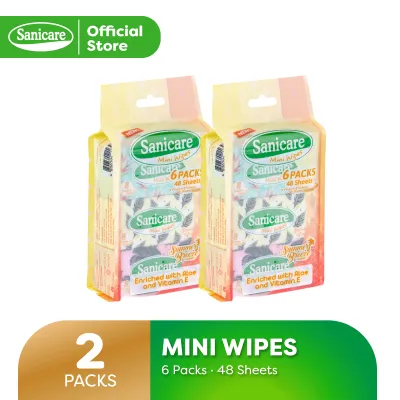
Prices are valid at publication and may change. Please refer to the product page for the latest price.
An infant’s skin is structurally different from adult skin; it is significantly thinner, highly permeable, and exceptionally sensitive to environmental triggers. Because the skin barrier is still developing, any chemical applied to it is absorbed much more readily. To protect your child from unnecessary discomfort and potential infections, prioritizing genuine, dermatologically tested wipes is a vital component of daily care. If your baby experiences persistent redness, bumps, or signs of discomfort after using any wipe product, stop using it immediately and consult a pediatrician or qualified healthcare professional.
Key Features of Authentic Sanicare Baby Wipes
Protecting your baby begins the moment your package arrives at your doorstep. Before opening a new pack of wipes and using them during a diaper change, performing a systematic inspection of the product is highly recommended. Taking two minutes to verify the physical and packaging traits of your purchase can prevent the accidental use of a counterfeit product on your baby’s sensitive skin.

A reliable authenticity check should always cover three distinct phases of the product: the external packaging and labeling, the physical texture of the wipe material, and the characteristics of the moisture formulation. By understanding what a genuine pack looks and feels like, you can confidently identify anomalies that indicate a counterfeit item.
Packaging and Labeling Details
The first line of defense is the outer plastic packaging, which should feel durable and professionally sealed. Genuine Sanicare baby wipes feature either a sturdy plastic flip-top lid or a high-quality adhesive resealable sticker that is perfectly aligned with the opening. Check the lid for structural integrity; it should snap shut tightly with an audible click to seal in moisture, and the adhesive on the sticker variants should remain strong even after multiple peels.
Every authentic pack displays crucial manufacturing details that are clearly legible. Turn the pack over to locate the printed manufacturing date, expiry date, and batch or lot numbers, which are typically stamped on the back or bottom of the packaging. On genuine items, these numbers are printed using high-quality ink that does not easily smudge or scratch off when rubbed with a finger.
Pay close attention to the overall print quality and visual branding on the wrapper. The brand’s official visual identity features sharp typography, vibrant and consistent color tones, and perfectly aligned graphics. If the text appears blurry, the colors look washed out or excessively dark compared to your previous purchases, or the brand logo looks slightly altered, the product’s authenticity is highly questionable.
Texture, Scent, and Moisture Level
Once you open the pack, examine the physical properties of the wipe itself. Genuine Sanicare wipes are crafted from a high-quality, non-woven fabric weave, often featuring a cross-laid pattern designed to provide strength and softness. When pulled from the pack, the wipe should stretch slightly but resist tearing or pilling, allowing you to clean your baby effectively without the material breaking down in your hands.
The liquid formulation within the pack must be distributed evenly from the top wipe to the very bottom. When you pull a single wipe, it should feel adequately damp and soft to the touch, but it should not be dripping wet or leaving a pool of soapy liquid in your palm. Conversely, a genuine pack that has been properly sealed will not contain dry or scratchy sheets.
The scent profile of the wipes should match the specific product variant you purchased, such as the unscented or mildly scented versions. For unscented variants, there should be no discernible chemical odor or masking fragrance. For scented options, the fragrance must be extremely mild, clean, and gentle, never leaving a sticky, greasy, or soapy residue on your hands or your baby’s skin after use.
Red Flags: How to Spot Fake Sanicare Wipes
To protect your family from substandard products, it is helpful to recognize the common warning signs of counterfeit baby wipes. Counterfeiters often replicate packaging designs quickly, leading to noticeable visual anomalies. Look closely for misspelled words in the ingredient list, pixelated or grainy graphics, off-center text alignment, or incorrect color shades that do not match the brand’s standard packaging.
The olfactory test is another powerful tool for detecting fakes. Upon opening a suspicious pack, be alert to any strong chemical smells, sharp alcohol odors, or overpowering artificial fragrances. Genuine baby wipes are formulated to minimize skin sensitization, so a harsh or highly perfumed smell is a major red flag indicating unregulated chemical ingredients that could trigger severe skin reactions.
Physical performance flaws are common in counterfeit wipes due to the use of cheap, low-grade materials. If the wipes feel unusually thin, rough like paper, or tear instantly with minimal tension, they are likely counterfeit. Additionally, fake wipes are frequently packed under poor quality control, causing them to clump together so that pulling one sheet drags out multiple stuck-together wipes, or leaving them dry and abrasive.
Suspicious pricing is one of the most reliable indicators of a counterfeit product. If you encounter an online listing offering a popular Sanicare variant at a price that is significantly lower than the standard retail rate—such as a large multi-pack sold for a fraction of its usual cost—exercise extreme caution. While seasonal promotions occur on the sanicare official store, deals that seem too good to be true from unverified third-party sellers, especially when shipped in unbranded bulk cardboard boxes, are highly likely to be counterfeit.
Finding the Sanicare Official Store and Authorized Retailers
The most effective way to eliminate the risk of purchasing counterfeit goods is to buy exclusively from the sanicare official store and authorized distribution channels. When shopping on major e-commerce platforms in the Philippines, look for verified mall badges such as “Mall,” “Official Store,” or “Flagship Store” next to the seller’s name. These badges indicate that the platform has verified the seller’s business registration, trademark ownership, and product authenticity.
For a completely secure shopping experience, prioritize purchasing directly from established physical retailers and official online storefronts. In the Philippines, authorized physical retailers include major supermarket chains, reputable pharmacies, and dedicated baby care specialty stores. Look for Sanicare products at:
- Mercury Drug
- Watsons
- SM Supermarket and Savemore
- Robinsons Supermarket
- Baby Company
- Puregold
Buying from these established brick-and-mortar stores guarantees a secure supply chain directly from the manufacturer.
Conversely, purchasing from unverified third-party sellers, social media marketplace groups, or unauthorized discount shops carries a high level of risk. These sellers often source their inventory from liquidated stock, parallel imports of unknown origin, or outright counterfeit operations. Even if a seller claims their stock is “authentic overruns” or “export quality,” these terms are frequently used to disguise counterfeit or expired merchandise.
Before clicking the checkout button on any online platform, take a few moments to evaluate the seller’s profile. Check the overall store rating, ensuring it maintains a high positive feedback percentage, and read through recent customer reviews. Pay close attention to reviews that include uploaded photos and videos of the received products, looking for comments regarding packaging quality or delivery condition. Lastly, verify that the e-commerce platform’s official return and refund policy applies to the seller, giving you a safety net if the product arrives damaged or suspicious.
Verification Steps and Handling Suspected Counterfeits
If you have already purchased a pack of wipes and feel uncertain about its authenticity, there are several practical steps you can take to verify the product. Examine the packaging for any manufacturer-provided security features, such as official QR codes, holographic stickers, or unique anti-counterfeit seals. If a QR code is present, scan it using your smartphone to check if it directs you to an official brand verification page showing a unique confirmation message.
When you suspect that you have received a counterfeit product, do not use it on your baby. Instead, compile your evidence and contact Sanicare’s customer support department directly through their official website or verified social media channels. Provide them with clear, high-resolution photos of the packaging (including the batch code and expiry date), a copy of your purchase receipt, and the name of the online shop or physical store where you bought the item.
Simultaneously, initiate a formal return and refund request through the e-commerce platform’s buyer protection program. To support your claim, document the unboxing process or take clear photos highlighting the specific flaws, such as blurry printing or damaged seals. Most reputable platforms have strict policies against the sale of counterfeit goods and will freeze the seller’s payout while investigating your claim, often resulting in a full refund.
Once you have completed the refund process or confirmed that the product is indeed counterfeit, dispose of the suspected wipes safely and immediately. Do not keep them for general household cleaning or pass them along to others, as this increases the risk of accidental use on a child’s skin. Throwing them away in a secure trash bin ensures that these unregulated, potentially hazardous materials do not cause harm to anyone in your household.
Frequently Asked Questions (FAQ)
What ingredients should I avoid in baby wipes for sensitive skin?
When selecting baby wipes for sensitive skin, it is important to read the ingredient label carefully to avoid common skin irritants. Caregivers should look out for and avoid products containing ethyl alcohol, parabens, phenoxyethanol, and synthetic fragrances, as these substances can strip the skin of its natural oils and trigger contact dermatitis. Instead, verify that the packaging states the product is hypoallergenic, dermatologically tested, and fragrance-free. If your child has an existing skin condition like eczema or persistent diaper rash, always consult a pediatrician before introducing a new skincare or wipe product to their daily routine.
How should I store baby wipes to maintain their moisture and safety?
Proper storage is essential to preserve the quality, moisture level, and hygienic safety of your baby wipes, especially in the hot and humid tropical climate of the Philippines. Always store your wipe packs in a cool, dry place indoors, keeping them away from direct sunlight, hot vehicles, or proximity to home appliances that generate heat. Exposure to high temperatures can dry out the liquid formulation and compromise the adhesive seal or plastic packaging. Additionally, make it a habit to snap the hard flip-top lid shut or press the adhesive seal down firmly after extracting each wipe to prevent evaporation and minimize the risk of airborne bacterial contamination.
Community discussion
Share your experience or ask a question. Comments are reviewed before publication.